



Astronomers have witnessed an unprecedented event: the sudden ‘reawakening’ of a supermassive black hole located at the center of the galaxy SDSS1335+0728, over 300 million light-years away in the constellation Virgo. This dramatic change was first noticed in December 2019, following years of inactivity.
Paula Sánchez Sáez, an astronomer at the European Southern Observatory in Germany and the lead author of the study, described the phenomenon by comparing it to observing a distant galaxy that had always appeared calm and inactive. Suddenly, the core of the galaxy began exhibiting significant and unusual changes in brightness, unlike any events previously observed.
While past research has documented inactive galaxies becoming active again after several years, this event is notable for being the first instance where such a transformation has been observed in real time, providing new insights into the behavior of supermassive black holes.
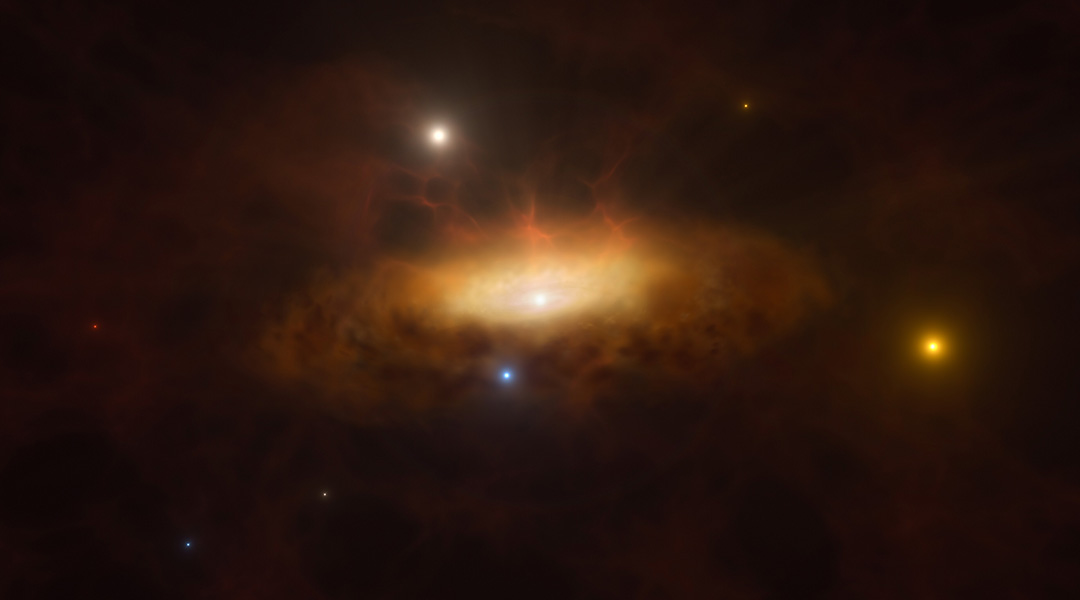
(Credit: Advanced Science News)
What might be causing the recently detected emissions?
In December 2019, a dramatic brightening event in the galaxy SDSS1335+0728, more than 300 million light-years away in the constellation Virgo, was detected by the Zwicky Transient Facility, an optical telescope based in California. This sudden change marked the reawakening of a supermassive black hole at the galaxy’s center, which had been dormant for years.
To uncover the cause of this brightening, Paula Sánchez Sáez and her team at the European Southern Observatory conducted an extensive observational campaign from 2019 to 2024. Their findings were recently published in the journal Astronomy & Astrophysics. The study revealed that for two decades prior to the brightening, the galaxy remained relatively faint and showed no significant change in its emission. However, post-December 2019, the galaxy’s emission grew increasingly active and variable.
Significant changes were observed across different wavelengths. By July 2021, the galaxy’s UV emission had increased to about four times its pre-brightening levels. Approximately a year later, its infrared emission doubled. Most strikingly, in February 2024, the galaxy began emitting X-rays, a behavior that is unprecedented.
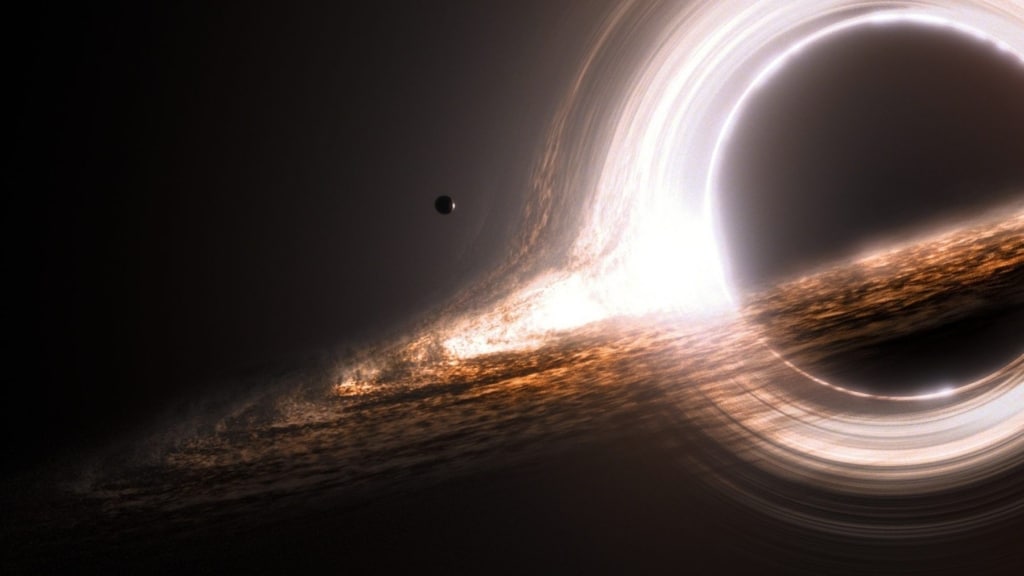
The source of these emissions is a supermassive black hole at the galaxy’s core. There are several possible triggers for this reawakening. One possibility is the activation of an active galactic nucleus (AGN). An AGN is a bright and compact region at the center of a galaxy, powered by gas and dust being accreted by the supermassive black hole.
Another potential explanation is a tidal disruption event (TDE). In a TDE, a star gets torn apart by the black hole’s immense gravitational forces, resulting in a stream of material that the black hole consumes, leading to a dramatic increase in brightness.
These observations provide valuable insights into the behavior of supermassive black holes and the dynamic processes occurring in the hearts of galaxies. This event marks a significant milestone in astronomy, as it is the first time the reactivation of a supermassive black hole has been observed in real-time, offering a unique glimpse into the life cycle of these enigmatic cosmic giants.
The awakening of a black hole
The team of astronomers acknowledges that while they cannot completely dismiss the possibility of a tidal disruption event (TDE), several factors make this explanation less likely. Typically, the brightness fluctuations associated with TDEs last only a few dozen to a few hundred days. In contrast, SDSS1335+0728 continues to brighten more than four years after the initial event.
Moreover, the emission pattern of a TDE usually shows a characteristic decline as the density of available material decreases, which is not observed in this case. If this were indeed a TDE, it would be the longest and faintest one ever recorded.
Co-author Lorena Hernández García from the Millennium Institute of Astrophysics in Chile suggests that the most plausible explanation for this phenomenon is the activation of the galaxy’s core. This would mark the first time such an event has been observed in real-time, offering unprecedented insights into the behavior of massive black holes.
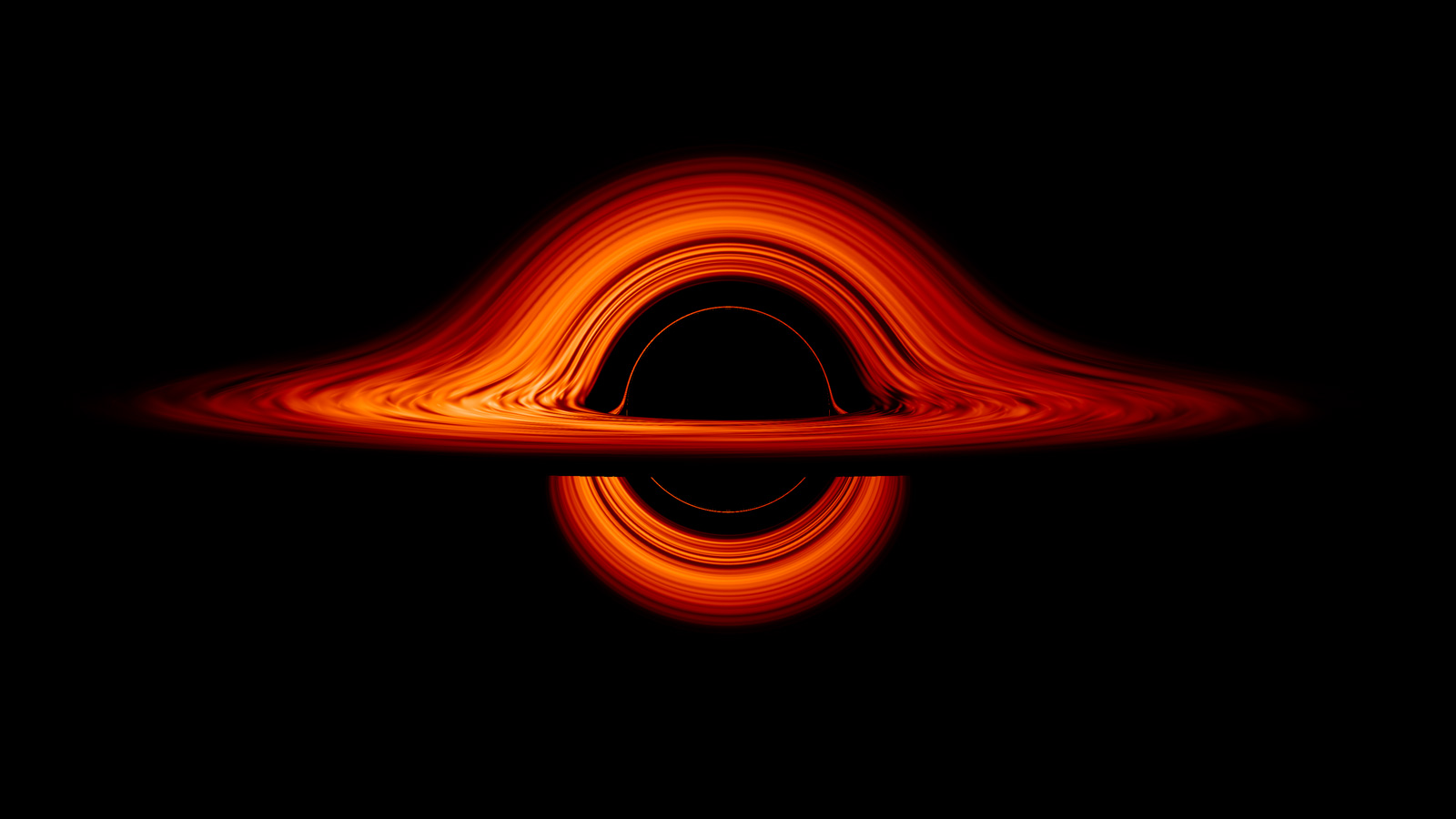
The research team believes that the consistent increase in emission across various wavelengths indicates that the black hole is feeding on a substantial source of gas and dust, likely originating from the galaxy itself. This suggests the presence of an active galactic nucleus (AGN).
The staggered appearance of emissions at different wavelengths is also telling. AGNs have complex structures extending outward from the central black hole, with each part emitting at different wavelengths. The sequence of emission increases across the electromagnetic spectrum likely corresponds to the formation of different parts of the AGN’s structure.
Further observations of SDSS1335+0728 are planned to gain a deeper understanding of this phenomenon. While an AGN remains the most likely explanation, the researchers are open to the possibility of exotic or previously unseen phenomena. Not every component of the AGN has been observed yet, and the team is eager to see if new parts will become visible in the coming years.
Regardless of the underlying cause of the variations, this galaxy offers valuable insights into how black holes grow and evolve, as emphasized by Sánchez Sáez.
- ONLINE NEWS Birchall, K. (2024, June 18). Astronomers witness the reawakening of a black hole. Advanced Science News. [Advanced Science News]
- JOURNAL S’anchez-’aez, P., Hernandez-Garcia, L., Bernal, S., Bayo, A., Rivera, G. C., Bauer, F., Ricci, C., Merloni, A., Graham, M., Cartier, R., Arevalo, P., Assef, R., Concas, A., Homan, D., Krumpe, M., Lira, P., Malyali, A., Martínez-Aldama, M., Arancibia, A. M., . . . Brightman, M. (2024). SDSS1335+0728: The awakening of a ~10^6 M_sun black hole. Astronomy & Astrophysics. [Astronomy & Astrophysics]
- WEBSITE Tillman, N. T., & Dobrijevic, D. (2023, May 19). Black holes: Everything you need to know. Space.com. [Space.com]
APA 7: TWs Editor. (2024, June 20). Black Hole Reawakens: A Cosmic Renascence!. PerEXP Teamworks. [Online News Link]


