




Brothers Ahmet and Nesuhi Ertegun stand as remarkable figures at the intersection of music and science. Their journey transcended borders, genres, and expectations, leaving an indelible mark on both the music industry and contemporary cultural interaction. In this article, we will take a journey through the “Ertegun Effect,” the unique blend of passion, innovation, and curiosity that defines their legacy.
Ertegun Effect: Head of the Walk of Fame
A brief look at the Ertegun Brothers
Ahmet Ertegun: Ahmet Münir Zahrettin Sebuhi Ertegün was born on July 31, 1923, in Istanbul, Turkey. His mother, Hayrunnisa, was a successful musician who introduced Ahmet and his brother Nesuhi to the popular records of the day. She played the organ and stringed instruments. His older brother, Nesuhi, was the one who introduced him to jazz music. When he was nine years old, he took him to see the Duke Ellington and Cab Calloway orchestras in London.
In 1935, the Ertegün Family moved to Washington, where their father, Mehmet Münir Ertegün, served as the Ambassador of the Republic of Turkey to the United States. During this period, Ahmet’s love for music blossomed as he immersed himself in the city’s vibrant jazz scene.
He attended the Landon School, an affluent boys’ private school, but received his real education at the historic Howard Theatre, where he witnessed performances by luminaries such as Duke Ellington, Cab Calloway, Billie Holiday, and Louis Armstrong. 1

Ahmet Ertegun was one of the founders of Atlantic Records. Here, he discovered and supported leading R&B (rhythm and blues) and rock musicians. His contributions went beyond the record label; he wrote classic blues and pop songs. He served as president of the Rock and Roll Hall of Fame and Museum and worked to strengthen ties between the United States and his native Turkey.
Although he grew up in affluence, he developed a supportive understanding of victims of discrimination. Ahmet recognized the parallels between the struggles of black people in America and the historical mistreatment of Turkish Muslims. This awareness fueled his passion to defend freedom of thought and belief through music. 2

Nesuhi Ertegün: He was born on November 26, 1917, in Istanbul, Ottoman Empire. From an early age, Nesuhi’s main musical interest was jazz. Even before moving to the United States, he travelled to Europe – from Switzerland to Paris to London—for jazz concerts. Being influenced by different cultures and music during his global journey shaped his unique perspective.
While living at the Turkish Embassy in Washington, Nesuhi organised various jazz concerts from 1941 to 1944. After his father’s death in 1944, Nesuhi moved to California, where he married Marili Morden, owner of the Jazz Man Record Store. He also founded the Crescent Records record label. At Jazz Man Records, he produced classic Kid Ory “revival” recordings and worked with other jazz artists. Although initially interested in New Orleans jazz, he was also open to more modern styles. 3

In 1952, he joined Atlantic Records. There he became a partner and vice-president in charge of the jazz and “long playing record” (LP) division. Nesuhi invested in the record market, improved recording quality and expanded Atlantic’s catalog of jazz records. In the process, he collaborated with legendary artists such as John Coltrane, Charles Mingus and the Modern Jazz Quartet.
Nesuhi, along with his brother Ahmet Ertegun, played an important role in inspiring black artists. Their shared experiences, including attending jazz performances together, laid the foundation for their influential contributions to the music industry. Nesuhi’s passion and dedication left a lasting legacy that has enriched the world of jazz and beyond. 4

Symphony of knowledge: combining music and science
Ahmet and Nesuhi Ertegun have travelled to a fascinating intersection in pursuit of musical and scientific curiosity. Let’s explore the seemingly disparate but deeply connected fields of music and science:
Rhythmic patterns and harmony – Music as mathematics: Music Theory enables us to analyze and use musical patterns. It deals with intervals between notes, rhythmic sequences and harmonic structures. For example, the interval from C to G (If we consider that A is the 1st note “do”, this corresponds to the interval mi-si in the Western notation system) forms a “perfect fifth” similar to the iconic opening notes of the Star Wars theme.
Applying Music Theory provides a conscious orientation towards a musical goal, rather than random note selection. Although not strictly scientific, this theory feels very mathematical. Counting rhythms, extracting harmonic roles, and more…
Beyond molds – Emotion, creativity and intuition: Focusing only on patterns causes us to lose sight of the essence of both music and science. Music goes beyond mere mathematical structures; it requires emotion, creativity and intuition. Similarly, scientific breakthroughs arise from sparks of inspiration, not just analytical knowledge. In practice, both music and science require instinct, habit and serendipity.
Shared joy and mental health: Both fields oscillate between the public and private spheres. Both musicians and scientists balance performance and introspection in their careers.
Mental health awareness is becoming increasingly important in both communities. Whether in a symphony or a scientific discovery, celebrating the reaping of the fruits of a work and the alignment of the parts brings a shared joy. 5

In the complex dance of music and science, the Ertegun Brothers were able to discover their own resonance, a testament to the harmonious convergence of human expression and intellectual pursuit.
The musical roots that shaped the Ertegun Brothers
In this episode, we unravel the threads that connect the passion of the Ertegün Brothers for music and their scientific curiosity.
History of the Ertegün Family
Here are the main events and heroes that led to the upbringing of the Ertegun Brothers:
A successful musician – Mother, Hayrunnisa Ertegun: She introduced her sons to different genres of music and nurtured their love of music at an early age by building a collection of popular records of the period.
Jazz with his older brother Nesuhi: As mentioned in the previous section, his older brother Nesuhi played an important role in Ahmet’s musical journey.
The significance of their move to Washington: This move introduced the brothers to the vibrant music scene of the US capital, where they would later immerse themselves in the heart of Washington’s black district.
Howard Theatre – Ahmet’s real education: Although he attended the Landon School, a wealthy all-boys private school in Bethesda, Maryland, Ahmet received his real education at the historic Howard Theatre.
In one of his interviews, Ahmet Ertegun humorously said: “I received my real education at Howard.”
Empathy and awareness: Despite his privileged upbringing, Ahmet’s exposure to the music and culture of Washington’s black community opened his eyes to the struggles faced by black people in America.
In the Ertegün Family’s rich tapestry of music, cultural exchange, and empathy, the seeds of the transformative impact of Ertegün Brothers on the music industry and beyond were sown. 6

Nesuhi introduces Ahmet to jazz music
For Nesuhi and Ahmet, Washington’s thriving jazz scene was like heaven. They immersed themselves in the sounds of jazz by attending performances of legendary artists.
The Howard Theatre became their sanctuary. Here they witnessed exciting performances by intellectuals.
Jazz Man records and after: Nesuhi’s first record was released in December 1942 on Jazz Man Records, a label he would later buy. He also worked with musicians such as Pete Daily and Turk Murphy.
Joining Atlantic Records: Nesuhi’s journey eventually led him to join forces with his brother Ahmet and Jerry Wexler at Atlantic Records.

With Nesuhi Ertegün’s introduction of jazz music to Ahmet, we witness not only a bond of brotherhood, but also the seeds of a musical revolution that would resonate far beyond their family and shape the course of music history. 7
How did their upbringing shape their passion for music?
For the brothers, Washington’s live music scene was also a playground. He immersed himself in the sounds of jazz and attended exciting shows.
Developing understanding – a journey of sensitivity: The brothers’ upbringing went beyond privilege. In addition to all the acquisitions we have mentioned, this awareness led them to support R&B and rock musicians through Atlantic Records.
In the complex interplay between family heritage, cultural exposure and personal experiences, the Ertegun Brothers found their calling, a harmonious blend of music and science that would resonate far beyond their family circle. 8

~ Ahmet Ertegun ~ (Hürriyet Daily News)
Ertegun Effect: Turkish Embassy connection
Nesuhi and Ahmet found themselves at the crossroads of history, surrounded by the vibrant sounds of jazz, struggles against racial discrimination and the transformative power of music. This chapter explores the Turkish Embassy’s connection to the Ertegün Brothers’ harmonious legacy.
Ertegün Family’s move to Washington
The Ertegün Family’s journey from Istanbul to Washington was much more than a diplomatic mission. It was a transformative chapter in the lives of Ahmet and Nesuhi Ertegun, paving the way for their musical adventure.
A diplomatic journey: The move was not just about official duties; it was about immersion in a vibrant, cultural melting pot, a city pulsating with jazz, politics and history.
In the heart of Washington, the Ertegün Family’s journey intersected with the rhythms of jazz, cultural exchange and the transformative power of music. No one could have imagined that the Ertegun Brothers would lay the foundation of their harmonious legacy here. 9
Hidden gems of the global jazz scene
The Ertegun Brothers – as we emphasize in almost every episode – embarked on a musical journey that led them to explore the live jazz scene. This rhythmic exploration of the world shaped their passion and left an indelible mark.
Lisbon – Hot Club of Portugal: Lisbon, the westernmost capital of Europe, has one of the oldest jazz clubs on the continent: Hot Clube. Founded in 1948, this intimate venue has hosted legends such as Count Basie, Dizzy Gillespie, Sarah Vaughan and Dexter Gordon.
Despite its age, Hot Clube is reinventing itself and attracting young musicians, students and tourists. How is the feeling? “This is great, we’d better listen to it”. Jazz continues to live, and Lisbon’s jazz heart beats strong.

Kraków – Harris Piano Jazz Bar: In post-war Poland, jazz symbolized freedom and resistance. Located in the atmospheric Market Square (Polish: Klimatyczny), in a brick cellar almost 1,000 years old, Harris’ pulse beats with mainstream jazz, funk and blues. Local talents such as pianist Paweł Kaczmarczyk are at their peak here.
Good food, exuberant vibes and a sense of history… Harris celebrates the enduring spirit of jazz.

Beyond Lisbon and Kraków: Jazz is also flourishing in other European cities:
- Berlin, Germany: Hosts the Berlin Jazz Festival, one of the largest in Europe.
- London, England: A melting pot of jazz clubs and festivals.
- Amsterdam, the Netherlands: A city where jazz notes float along its canals.
- Copenhagen, Denmark: A centre for local and international jazz musicians.
- Barcelona, Spain: The Barcelona Jazz Festival resonates with spiritual sounds.
Jazz’s enduring reputation: Europe’s jazz scene epitomizes the cultural significance of the genre. Whether in smoky clubs, historic cellars or bustling squares, jazz continues to bridge gaps and ignite passion.

Ahmet and Nesuhi Ertegun also discovered this magic, a legacy that grew in importance over time. In the dim corners of jazz clubs, the Ertegun Effect harmonizes with the rhythm of this discovery. 10
Discriminated music venues and their effects on siblings
A divided musical landscape: In the 1930s, Washington had a thriving jazz scene. Clubs like the Howard Theatre on U Street hosted exciting performances by legends like Duke Ellington, Joe Marsala and Jelly Roll Morton. But these venues were sharply divided. The audience was either all black or all white, and musicians of different races rarely performed together. For the Ertegun Brothers, this segregation was both glaring and absurd. They were passionate jazz fans, and music transcended racial boundaries in their hearts.
The Turkish Embassy – a secret sanctuary: In 1935, an ornate and historic mansion became the home of the Ertegün Family. Here, the brothers discovered a unique space where racial barriers could be challenged. The halls of the embassy were filled with the sounds of jazz, R&B, and blues. Ahmet and Nesuhi decided to take matters into their own hands. They invited musicians they admired, regardless of their race, to the embassy and organized jam sessions together. They shared their lunch.
Breaking bread and breaking barriers: Around the luxurious dining table, black and white musicians sat together, creating harmonies that defied discrimination. Ahmet and Nesuhi Ertegun hosted many respected musicians of the period in their mansion. Their neighbours, including a Southern congressman, complained about black guests entering the embassy through the front door. However, their father, Ambassador Mehmet Ertegun, stood up for his sons and the musicians. The Ertegün Brothers’ actions were revolutionary. By challenging the status quo, they succeeded in establishing an environment of creativity, cooperation, and empathy.
A legacy of integration: The influence of the jam sessions extended beyond the embassy walls. The Ertegun Brothers helped pave the way for cultural integration in the music industry. Their commitment to breaking down racial barriers would later influence their work at Atlantic Records, where they would discover and support leading R&B and rock musicians. The Ertegün Brothers’ legacy is a testament to the power of music to bridge differences and create lasting change. In the heart of “Washington, DC,” the Ertegun Brothers left an indelible mark on the world of music, transforming segregated places into universal and cohesive havens. 11

Musical legacy of Ahmet Ertegun
Ahmet Ertegun forever changed the course of music history as a Turkish-American businessman and pioneer. As the founding president of Atlantic Records, he discovered and nurtured groundbreaking artists across genres. From soul and R&B to rock and jazz, Ertegün’s roster included legends such as Ray Charles, Aretha Franklin, Led Zeppelin, and Eric Clapton. His commitment to artistic integrity, creative freedom, and unwavering support for musicians reshaped the contemporary cultural landscape. Beyond the business world, Ertegün’s legacy continues to inspire generations of artists and fans.
Co-founder of Atlantic Records
The birth of a musical powerhouse: In October 1947, two visionaries—Ahmet Ertegun and Herb Abramson—joined forces to found Atlantic Records, which would become an unshakable force in the music world. In this episode, we’ll talk about how their partnership evolved.
A shared passion for music: Ahmet Ertegun and his dental student Herb Abramson (full name: Herbert Charles Abramson) were passionate about music. Their love for jazz, R&B, and soul fueled their desire to establish a record label to support groundbreaking artists.
The birth of the Atlantic: Ertegun and Abramson borrowed $10,000 and founded Atlantic Records. From its first recordings in January 1948, Atlantic quickly established a reputation as one of the most important American record labels specializing in jazz, R&B, and soul. Artists such as Aretha Franklin, Ray Charles, Wilson Pickett, Sam & Dave, Ruth Brown, and Otis Redding found their artistic home on the Atlantic. 12

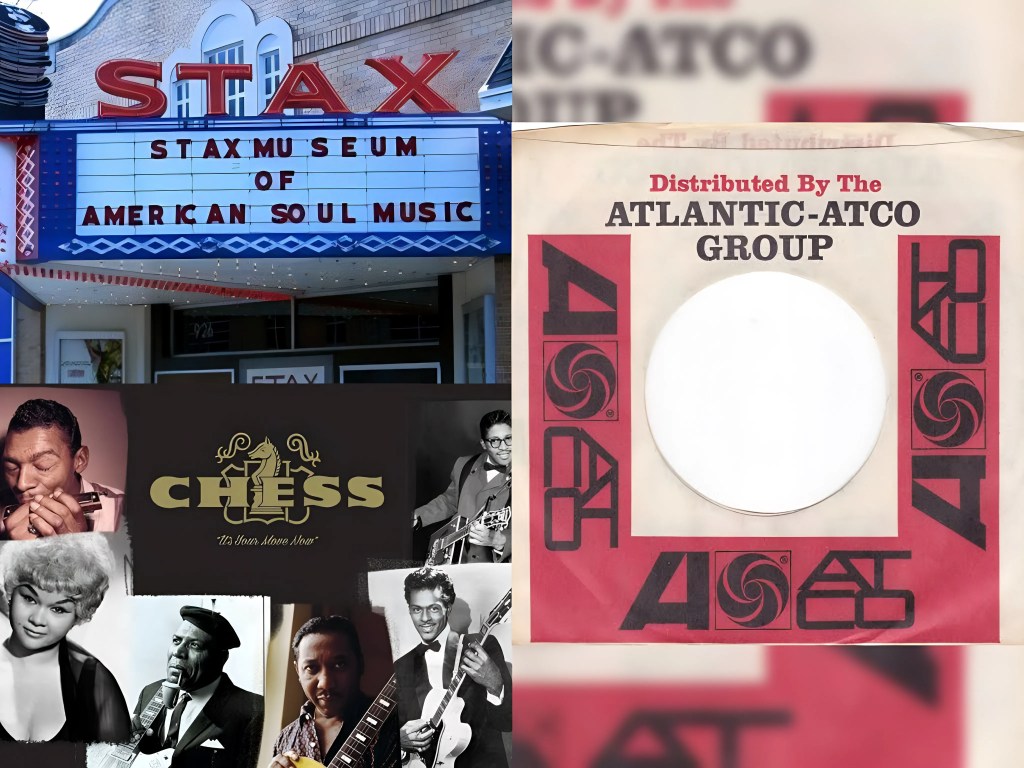
Expanding horizons: Atlantic’s position was further strengthened by deals with Stax Records, Chess and its subsidiary Atco. In 1967, Atlantic became a wholly owned subsidiary of Warner Bros.-Seven Arts, now Warner Music Group, for $17 million. The label expanded into rock and pop music, releasing iconic albums by Crosby, Stills, Nash & Young, Led Zeppelin and Yes. Meanwhile, the Ertegun Brothers were vice presidents of the company.
Additional information for soccer fans: The Atlantic – Warner Bros. collaboration has also left its mark on soccer. The New York Cosmos is an American soccer club that operated between 1971 and 1985. Founded in New York by the Ertegun Brothers and Warner Bros. owner Steve Ross, the club competed in the North American Soccer League throughout its existence. Notable players include Pelé, Franz Beckenbauer, Johan Cruyff, Carlos Alberto and Turkish goalkeeper Yasin Özdenak. 13
Ertegün’s lasting impact—music, culture, and beyond: Ahmet Ertegün’s legacy extends beyond the business world. He was a songwriter, record producer, and philanthropist. His commitment to artistic integrity and imagination shaped the careers of countless musicians. His influence is echoed in the Rock and Roll Hall of Fame and Museum, which he co-founded.
At the heart of the music industry, Atlantic Records remains a testament to the vision and passion of its co-founders. 14
Discovering and supporting R&B and rock musicians
The R&B revolution: Coined by Jerry Wexler in 1947, the term “R&B” described various genres of post-war African-American popular music. Ertegun recognized the potential of this very special urban music that had been developing since the 1930s.
Artists such as Louis Jordan created a model of jump blues that became dominant during and after World War II. Among those who practiced this model were Jordan, Amos Milburn, Roy Milton, Joe Liggins, Floyd Dixon, Wynonie Harris, and Big Joe Turner. These musicians blended classic 12-bar blues forms with pop songs, instrumentals, and “pseudo-Latin” compositions.
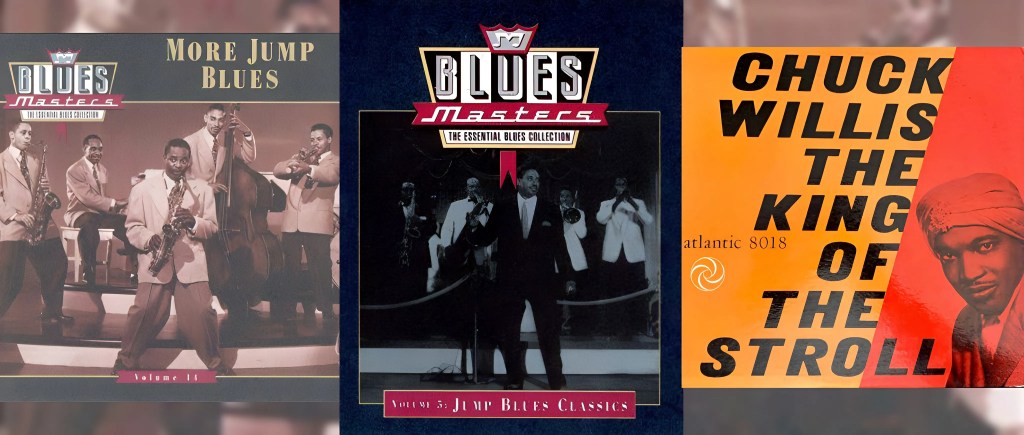
The emergence of rock and roll: As the music scene evolved, Ertegun realized the potential of rock and roll. He signed artists like Ray Charles, who laid the foundations of rock and roll by combining R&B, gospel and blues. Chuck Willis, known for hits like “C.C. Rider”, and LaVern Baker with his powerful vocals also found a home at Atlantic.
Ahmet Ertegün’s legacy continues to grow in importance with the rhythms of R&B and the electric energy of rock and roll. 15
Contributions to the Rock and Roll Hall of Fame
Music industry giant Ahmet Ertegun also played a pivotal role in shaping the rock and roll legacy.
Co-founder of the Rock and Roll Hall of Fame: In 1983, Ertegun teamed up with Jann Wenner (founder of Rolling Stone) and Seymour Stein (president of Sire Records) to form the Rock and Roll Hall of Fame Foundation. Their mission was to honor and empower the artists, producers, songwriters, and industry figures who profoundly influenced rock and roll.
Opening ceremonies and their successors: Ertegun was an active participant in the annual Rock and Roll Hall of Fame induction ceremonies. His passion for music and his commitment to preserving its history enhanced the value of legendary artists and bands. His influence extended beyond the business world. He was a true advocate of the emotional expression contained in rock and roll.
Living legend and lasting impact: In 2000, the Library of Congress recognized Ertegun as a “Living Legend” for his enormous contribution to music. His legacy lives on in the Hall of Fame, where artists from different genres find their rightful place.

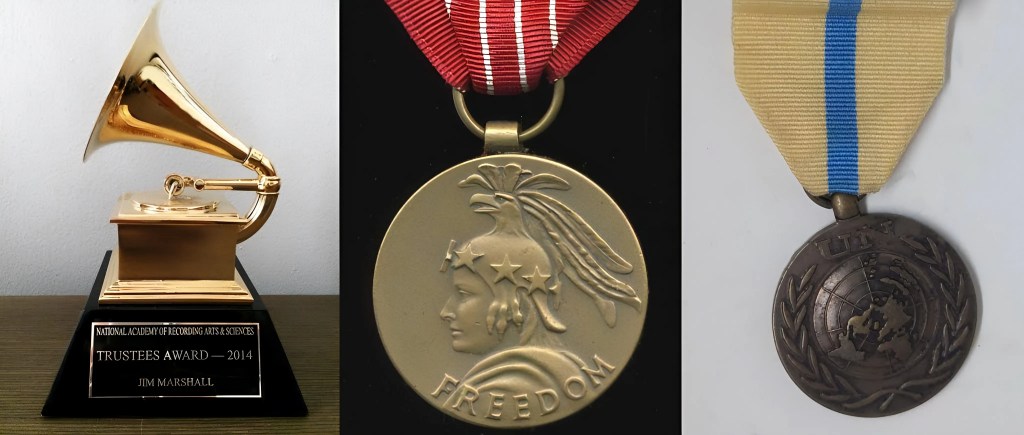
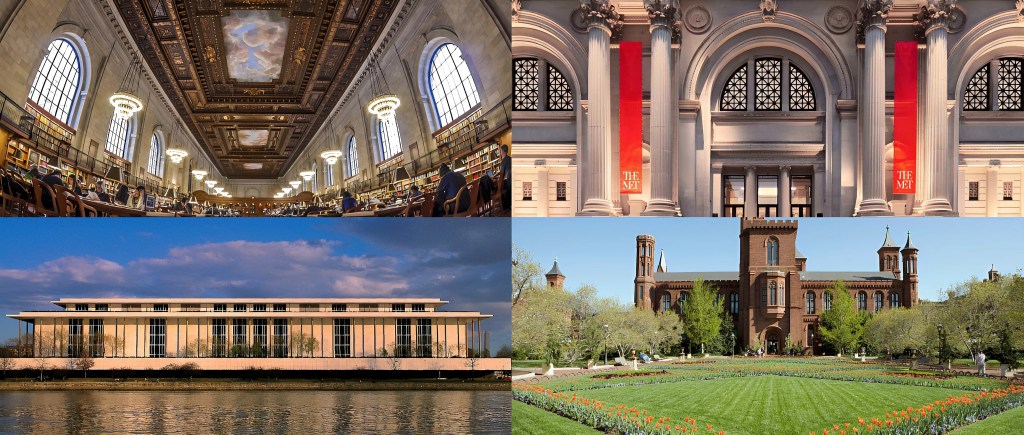
Ahmet Ertegun was not only a pioneer in the music industry, but also a philanthropist who supported and sponsored various initiatives and causes that promoted the advancement and appreciation of music, the arts, and culture. He donated millions of dollars to various institutions, such as the New York Public Library, the Metropolitan Museum of Art, the John F. Kennedy Center for the Performing Arts, and the Smithsonian Institution. He also helped strengthen ties between the United States and his native Turkey and served as president of the Turkish American Society for more than 20 years. He has been honored for his contributions to music and society with numerous awards and decorations, including the Presidential Medal of Freedom, the Grammy Trustees Award, and the United Nations Peace Medal.
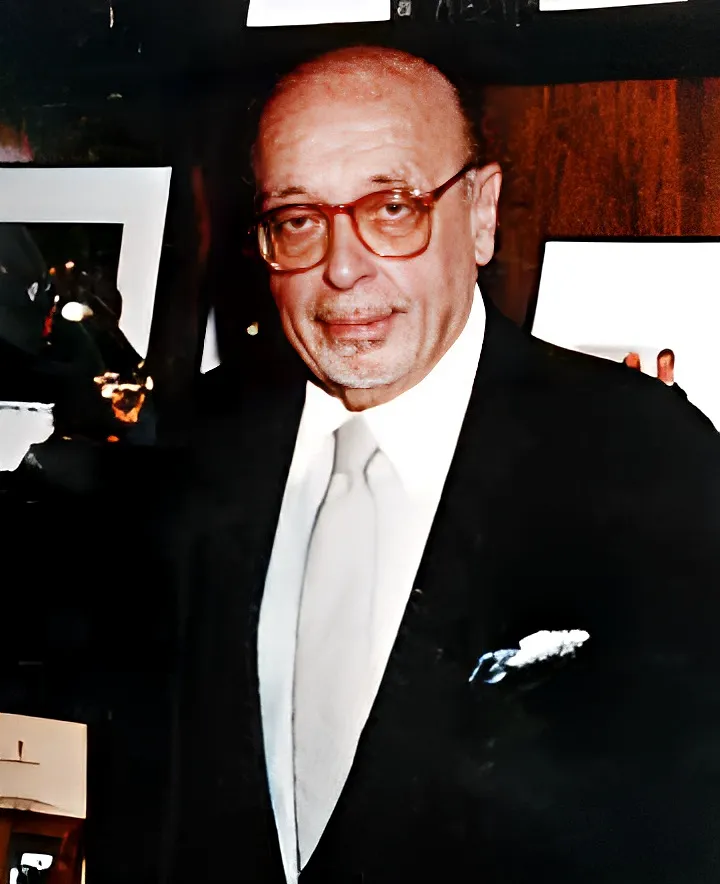
Ahmet Ertegun, the younger brother, died in 2006 at the age of 83. He left behind a legacy of music and goodness that continues to inspire and enrich the lives of millions of people around the world. 16
The way of Nesuhi
Nesuhi Ertegun was a jazz specialist who turned Atlantic Records into a center for the greatest talents of the genre. Nesuhi Ertegun worked with many of the most famous jazz musicians of his time. He recorded for John Coltrane, Charles Mingus, the Modern Jazz Quartet and many more. His legacy continues to inspire generations of music enthusiasts and artists.
A lasting legacy: Nesuhi’s influence extended beyond jazz. At Atlantic, he assembled an impressive jazz roster that included such notables as John Coltrane, Ornette Coleman and Charles Mingus.
In 2004, Ahmet and his wife Mica inaugurated the Ertegun Jazz Hall of Fame in New York City in memory of Nesuhi. Nesuhi Ertegün’s passion for jazz and advocacy for black artists forever influenced Ahmet’s path and left a lasting legacy in the music world. 17

Contributions of Nesuhi Ertegun to the music industry
Jazz specialization and record production: Under Nesuhi’s guidance, Atlantic Records became a hub for some of the greatest jazz talents of the era. Atlantic’s hands reached out to the legends we epitomize and beyond.
Global musical exploration: Nesuhi searched for the essence of music wherever he went. His discoveries spread across continents:
- In the UK, he faced big bands broadcasting through the BBC. He accumulated experiences.
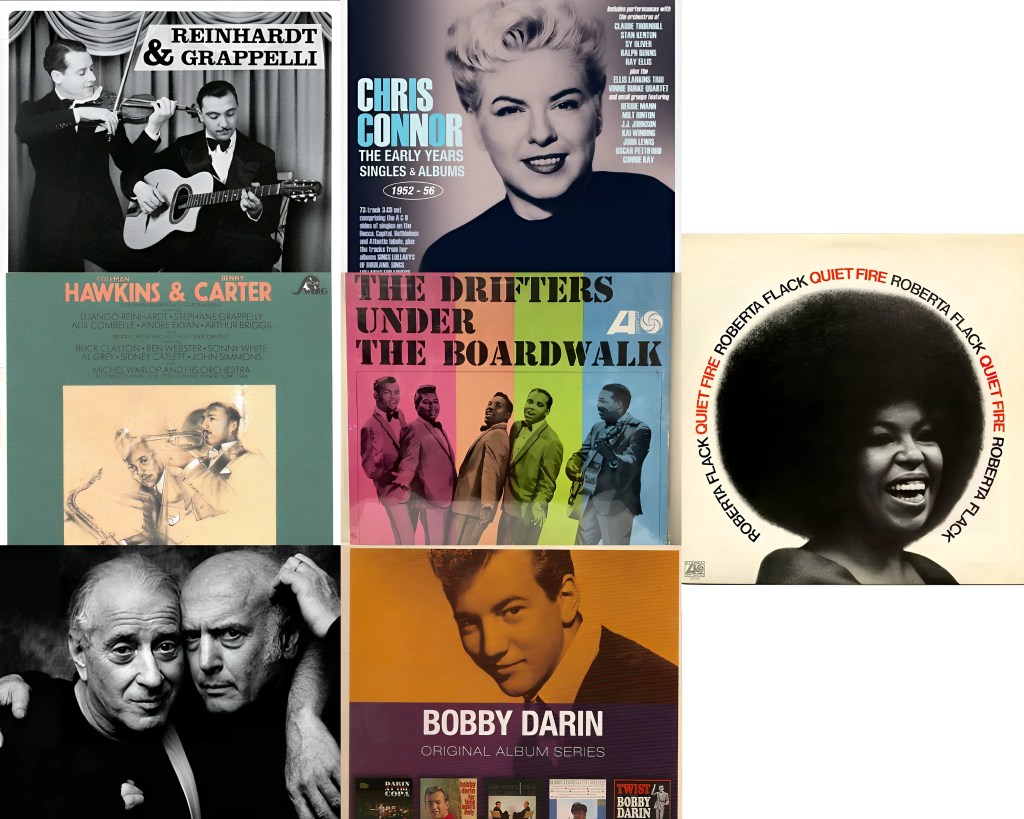
- In France, he admired and was influenced by the virtuosity of Django Reinhardt and Stephane Grappelli.
- When he returned to America, he immersed himself in the voices of Coleman Hawkins and Benny Carter. He shared the experiences he had accumulated.
His curiosity extended to modern jazz, making him an eclectic and open-minded producer. 18
R&B and rock and roll: Nesuhi was included in Atlantic’s R&B and rock and roll charts. Working with songwriters and producers such as Leiber and Stoller, she collaborated on hit albums by artists such as Ray Charles, Chris Connor, The Drifters, Bobby Darin and Roberta Flack.
Industry leadership and art justice: Nesuhi was the first president of the National Association of Recording Arts and Sciences, responsible for the annual Grammy awards. He played an important role in the international fight against record piracy and copyright infringement.
Nesuhi Ertegun passed away on July 15, 1989. His legacy continues to influence the music industry, especially the jazz genre. Ertegün’s life after 1967 was characterized by his significant contributions to music and sports and the awards and honors he received as a result.
In addition to his contributions to music, Ertegun and his brother Ahmet were inducted into the National Soccer Hall of Fame in 2003 for their contributions to the sport of soccer. 19
Nesuhi Ertegün’s legacy is one of passion, discovery and unwavering commitment to music. His influence shakes the earth through notes and rhythms that continue to inspire generations of listeners and performers.
Music – science convergence
In the complex fabric of human creativity, music and science often intersect, weaving together threads of harmony, emotion and discovery. The Ertegun Brothers, Ahmet and Nesuhi, are examples of this convergence. Their journey from Istanbul to Washington led them to break down racial barriers, foster creativity and shape the recording industry. As we follow their lives, we discover how music and science, seemingly disparate fields, harmonize in unexpected ways.
Analysis of the Ertegun Brothers’ approach
The Ertegun Brothers approached music with a unique combination of artistic and scientific curiosity. Their revolutionary impact on the music industry can be examined through the following lenses:
- Artistic sensitivity
- Ahmet and Nesuhi had an innate understanding of music as an art form. Their passion fueled their creative endeavors.
- They were aware of the emotional power of music, and their crossing of cultural boundaries had a huge impact on their listeners.
- Of course, that is not all. In addition to all these, the Ertegun Brothers were two “music moguls”.
- The melody of science
- Both of them had a great interest in science and technology, using their tape cutters, tape recorders and microphones to experiment with different techniques and effects.
- They pioneered new methods of recording, production and distribution, such as stereo, independent production and global licensing.
- In addition, they adopted the album format, FM radio broadcasts, cube systems and music videos to bring their recorded works to music lovers. They have been hugely influential in shaping the cultural and social impact of music and are recognized as pioneers and innovators of the modern recording industry.
- Nesuhi, in particular, brought a scientific rigor to his approach. His meticulous recording techniques, attention to acoustics and understanding of Music Theory raised the quality of his works.
- He experimented with microphone placement, studio acoustics and innovative recording equipment to capture the essence of each artist’s performance.
- Overcoming obstacles
- The Ertegun Brothers challenged racial discrimination by integrating jazz and R&B. Their approach was both artistic and pragmatic.
- They encouraged collaboration between black and white musicians, creating a harmonious mix that defied social norms.
- Their gift to new generations
- Their approach left an indelible mark on the recording industry. The artists discovered and nurtured by the Ertegun Brothers and those inspired by them are making the music of today and the future.
- And their heirlooms remind us that music is not just an art form; it is a scientific exploration of sound, emotion, and culture.
In the Ertegün Brothers’ approach, music and science came together to create the enlightenment that would be passed down through the ages. 20
How did their love for music intersect with scientific curiosity?
A harmonic fusion – music as a language of patterns: Both Ahmet and Nesuhi Ertegun realized that music was more than sound, it was a language of patterns. Music Theory enabled them to analyze and use these patterns. Concepts like intervals, harmonies and rhythms became their vocabulary.
Although we’ve come to the end of the road…
“… Still I can’t let you go.“
As we reflect on the Ertegun Effect, we realize that their shared love of music seamlessly intersected with scientific curiosity to create a resonant chord that continues to inspire generations. Their names etched in history, Ahmet and Nesuhi Ertegun continue to shine as a testament to the transformative power of art and knowledge intertwined.
The Ertegün Brothers’ story unfolds as a crescendo of innovation, collaboration and unwavering dedication. Their lasting impact resonates and invites us to explore the harmonious convergence of music and science that forever echoes through the corridors of time.
Reflecting on the Ertegun Effect
As we take a journey through the intertwined lives of Ahmet and Nesuhi Ertegun, their influence goes far beyond the world of music. Like a harmonious chord, the Ertegun Effect transcends cultural boundaries and scientific curiosity.
A symphony of scholarships – Ertegun Scholarship Program: The Mica and Ahmet Ertegun Humanities Graduate Fellowship Program is a pathfinder for graduate students. Generously covering tuition fees and living expenses, the program supports fellows from diverse backgrounds.
Within the elegant walls of 37A St Giles, Ertegun fellows exchange ideas and form a vibrant intellectual community. Mica Ertegün’s unwavering determination ensures that this twenty-first century fellowship reflects the spirit of the Rhodes Scholarship Program. 21
Beyond borders – Ertegun alumni across fields and nations: The influence of seventy-odd Ertegun alumni is expanding on a global scale. These scholars, regardless of nationality, explore a variety of disciplines that enrich fields ranging from literature to history.
At Oxford, they transcend subject boundaries and engage in interdisciplinary dialogues. Their collective legacy reflects the Ertegün Brothers’ sense of transparency and solidarity.
Ertegun House – where ideas are emphasized: Within the honeyed stone walls of the Ertegun House, academics find more than desks and study rooms.
It is a home for the exchange of academic knowledge; a place where ideas flourish and creativity flourishes. From Tobias Tan’s luxury of disseminating research materials to Denise Koller’s 24-hour kitchen chats, the Ertegun House appeals to a wide range of people. 22

In the great concert hall of history, the Ertegun Effect plays as an enduring melody that defies borders and invites us all to listen closely, and will play until the last piece is heard.
Resources
- WEBSITE Sweeting, A. (2006, December 15). Ahmet Ertegun, 1923-2006. The Guardian. [The Guardian] ↩︎
- JOURNAL Goldman, S. (2023, 21 June). Ertegun, Ahmet. Oxford Research Encyclopedia of Religion. [Oxford Research Encyclopedia of Religion] ↩︎
- WIKIPEDIA ENTRY Nesuhi Ertegun (2023, December 8) In Wikipedia. [Wikipedia] ↩︎
- WEBSITE Nesuhi Ertegun | Rock & Roll Hall of Fame. (n.d.). [Rock & Roll Hall of Fame] ↩︎
- ONLINE NEWS Science and music: what’s the connection? (2019, January 23). Crick. [Crick] ↩︎
- DICTIONARY ENTRY Ertegun, Nesuhi | Encyclopedia.com. (n.d.) In Encyclopedia.com. [Encyclopedia.com] ↩︎
- WEBSITE Nesuhi Ertegun Biography. (n.d.). Musician Guide [Musician Guide] ↩︎
- WIKIPEDIA ENTRY Ahmet Ertegun (2023, December 8) In Wikipedia. [Wikipedia] ↩︎
- WEBSITE Sexton, P. (2023, July 31). ‘They All Learned from Ahms’: Atlantic Records’ visionary Ahmet Ertegun. uDiscover Music. [uDiscover Music] ↩︎
- WEBSITE Euronews. (2019, December 9). Washington’daki elçilik binasının bilinmeyen öyküsü. Euronews. [Euronews] ↩︎
- WEBSITE McCulloch, A. (2017, February 14). 10 of the best jazz clubs in Europe. The Guardian. [The Guardian] ↩︎
- WEBSITE Lefrak, L. (2019, March 29). ‘It was a social revolution’: The Turkish Embassy’s surprising role. The World From PRX. [TheWorld] ↩︎
- WEBSITE Toklucu, M. (2018, March 1). Ertegünler’in Cosmos’u: Amerikan usulü bir futbol efsanesi. Socrates Dergi. [Socrates Dergi] ↩︎
- DICTIONARY ENTRY Ward, E. (2024, February 12). Rhythm and blues | Definition, History, Artists, Songs, & Facts. Encyclopedia Britannica. [Encyclopedia Britannica] ↩︎
- BOOK CHAPTER Greenfield, R. (2012). The Last Sultan: The Life and Times of Ahmet Ertegun. Simon and Schuster. ↩︎
- ONLINE NEWS Sullivan, J. (2018, June 25). Rock & Roll founding father Ahmet Ertegun dies at 83. Rolling Stone. [Rolling Stone] ↩︎
- BOOK CHAPTER Hasse, J. E. (2013). The Swinging Scions: How the Ambassador’s sons jazzed Washington and the nation. Si. [Academia] ↩︎
- ONLINE NEWS Reuter. (1989, July 16). NESUHI ERTEGUN DIES AT 71. Washington Post. [Washington Post] ↩︎
- WEBSITE Michael, O., Team, K., Iwayemi, O., & Simpson, L. (2022, November 8). Nesuhi Ertegun Birthday & Fun facts. Kidadl. [Kidadl] ↩︎
- BOOK CHAPTER Ertegun, A. M., & Marcus, G. (2001). What’d I say: The Atlantic Story, 50 Years of Music. ↩︎
- WEBSITE Ertegun House: A World-Class study and work environment. (n.d.). Ertegun Graduate Scholarship Programme in the Humanities. [Ertegun Graduate Scholarship Programme in the Humanities] ↩︎
- WEBSITE Scholarships. (n.d.). Ertegun Graduate Scholarship Programme in the Humanities. [Ertegun Graduate Scholarship Programme in the Humanities] ↩︎
Cite this page:
APA 7: Çarıkçıoğlu, A.E. (2024, February 20). Ertegün Etkisi: İki Türk Kardeşin Müzikoloji Devrimi. PerEXP Teamworks. [Article Link]
This translation was made by Ahmet Ege Çarıkçıoğlu


