




APA 7: TWs Editor & ChatGPT. (2023, November 14). Aged Garlic Extract Exhibits Potential in Addressing Gum Disease in Dogs. PerEXP Teamworks. [News Link]
In a recent investigation, a Japanese research team aimed to enhance prevention and treatment methods for canine gingivitis. Their study revealed that administering aged garlic extract (AGE) orally led to improvements without adverse effects in beagles exhibiting mild gingivitis. These findings have been published in Frontiers in Veterinary Science.
The initial phase of gum disease in dogs, known as canine gingivitis, is characterized by reversible inflammation and reddening of the gums. If left untreated, gingivitis can progress to periodontitis, a more severe condition associated with recessed gums, loss of bone, connective tissue, and teeth. Similar to humans, this advanced stage of gum disease in dogs is linked to significant overall health concerns, including cardiovascular and kidney disease, as well as cognitive decline, among other issues.
While it is widely acknowledged that dogs should avoid consuming raw or cooked garlic and onions, both belonging to the Allium genus and known to be toxic, humans have employed garlic (Allium sativum) for millennia as a culinary ingredient and as a remedy for various health concerns. Its historical use includes addressing issues such as asthma, cardiovascular problems, and gastrointestinal issues.
Building upon prior research indicating that aged garlic extract, derived from fresh garlic extracted over an extended period to reduce irritability and eliminate odor, did not induce adverse reactions in dogs, the researchers in this new study aimed to explore its potential therapeutic benefits for canine subjects.
The research team crafted an aged garlic extract powder by immersing fresh garlic clove slices in an ethanol and water mixture for 10 months, followed by dehydration using a circulation dryer. The study encompassed ten beagles exhibiting mild gingivitis but otherwise in good overall health. The study population comprised four males and six females, aged 2 to 9 years, and they were randomly allocated to either the test or placebo group, with each group containing two males and three females.
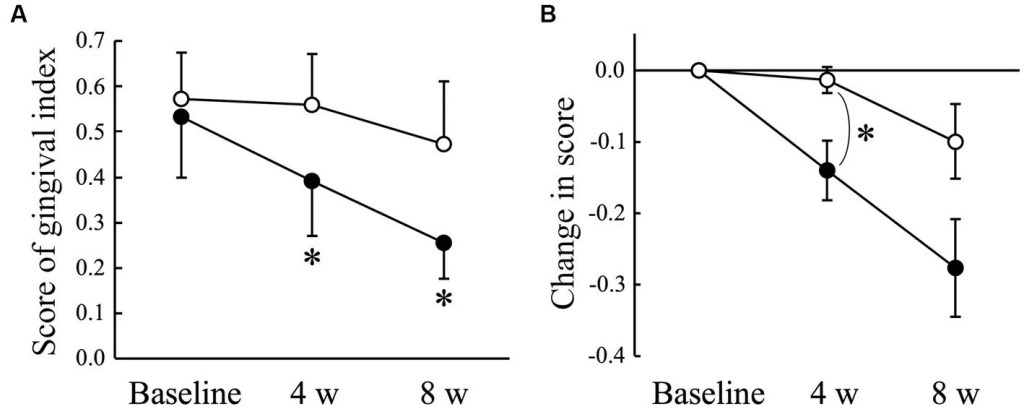
At the outset and subsequently at the four- and eight-week marks post-treatment, the researchers assessed the gingival indices of the dogs across 22 oral cavity sites, with an average gingival index consistently below 1. Additionally, the team measured the levels of volatile sulfur compounds (VSCs) in the dogs’ exhaled breath at baseline and after eight weeks of treatment. Throughout the testing period, the dogs maintained their regular diet with unrestricted access to water. Once a day for eight weeks, the researchers incorporated either a low dose of the test powder (18 mg/kg/day) or the placebo powder into the dogs’ food, ensuring each time that the dogs consumed the entire meal.
Significant reductions in gingival index scores were observed among the test group subjects at both four and eight weeks, contrasting with the placebo group where no such decreases occurred. Measurement of volatile sulfur compounds (VSCs) using a halimeter revealed a noticeable increase in the placebo group at the eight-week mark, while the test group displayed no significant change in VSC levels.
Taking into account these results and supplementary assessments of thiol levels, periodontal pathogenic enzyme activity, and concentrations of salivary IgA and CAMP, the researchers posit that aged garlic extract imparts therapeutic benefits in instances of canine gingivitis and halitosis. They contend that these findings may advocate for its utilization as a dietary supplement, serving both as a preventive measure and a treatment for these conditions in dogs.
Despite the cautionary note that this was a limited-scale study focused on a singular dog breed experiencing mild gingivitis, the findings suggest a promising direction for future research and exploration in this area.
The paper underscores the necessity for expansive studies to delve into the therapeutic impacts of aged garlic extract (AGE) on periodontal disease, encompassing a diverse array of breeds and body sizes. Additionally, the study’s focus on mild gingivitis with a gingival index below 1 prompts a call for further investigations involving dogs with more severe cases of gingivitis and periodontitis.
Resources
- NEWSPAPER Baum, S. & Phys.org. (2023, November 13). Doggie dental health: Aged garlic extract shows promise as gum disease treatment. Phys.org. [Phys.org]
- JOURNAL Takahashi, K., Nango, H., Ushijima, M., Takashima, M., Nakamoto, M., Matsutomo, T., Jikihara, H., Arakawa, N., Maki, S., Yabuki, A., Endo, Y., & Yamato, O. (2023). Therapeutic effect of aged garlic extract on gingivitis in dogs. Frontiers in Veterinary Science, 10. [Frontiers in Veterinary Science]


