



The domestication of the horse is a significant milestone in human history, fundamentally transforming societies and economies. Understanding when were horses domesticated provides insight into early human innovation and adaptation. The process of horse domestication allowed ancient civilizations to expand their reach, engage in more effective agriculture, and develop new forms of transportation. As horses domesticated, they became indispensable in various facets of life, from warfare to daily labor, shaping the course of human development.
Early history of horse domestication
The domestication of the horse is a significant event that transformed human societies. To understand the impact of horse domestication, it’s important to explore when were horses domesticated and the context of this development.
It is widely believed that horses domesticated around 4000 BCE in the vast steppes of Central Asia, particularly in the regions that are now Ukraine, southwest Russia, and west Kazakhstan. These areas provided an ideal environment with expansive grasslands that supported large herds of wild horses. Early human communities in these regions began to interact with and gradually tame these wild horses, recognizing their potential beyond being mere prey animals.
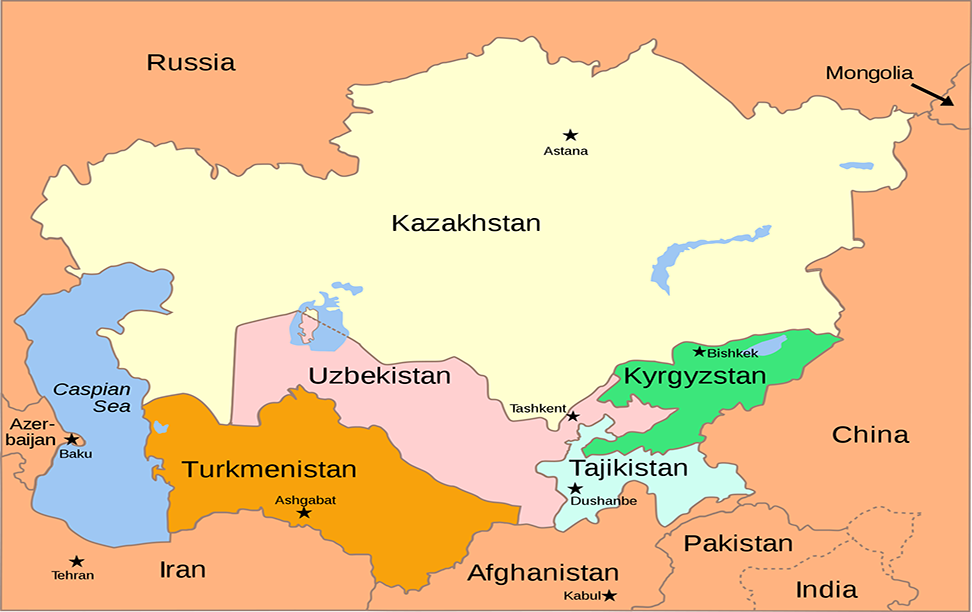
The initial uses of domesticated horses were likely for their meat and milk. However, as these early humans observed the strength and speed of horses, they began to harness these animals for riding and carrying loads. This shift marked the beginning of a profound change in human mobility and agricultural practices.
As horses were increasingly integrated into daily life, they became essential for transportation, allowing for faster movement across vast distances. This capability was particularly advantageous for nomadic tribes, facilitating more efficient migration and trade. The ability to travel further and more quickly also led to the expansion of territories and the establishment of new trade routes, connecting distant communities.
Furthermore, the use of horses in agriculture revolutionized farming practices. Horses could pull plows and carts, making it possible to cultivate larger areas of land more effectively than ever before. This increase in agricultural productivity supported population growth and the development of more complex societal structures.

The domestication of the horse also had significant cultural and symbolic implications. Horses became symbols of power and status, often depicted in ancient art and mythology. They played crucial roles in rituals and were frequently associated with gods and heroes in various cultures.
In summary, the domestication of the horse was a transformative process that began in Central Asia around 4000 BCE. Early humans recognized the value of horses for transportation and agriculture, leading to significant advancements in mobility, farming, and societal development. As horses domesticated, they became an integral part of human civilization, shaping the course of history in profound ways.
Genetic and archaeological evidence of horse domestication
The study of the domestication of the horse is deeply informed by both genetic and archaeological evidence, which together help us understand the timeline and process of horse domestication.
Genetic research has been instrumental in uncovering the origins of horses domesticated by humans. DNA analysis of ancient horse remains reveals that modern domestic horses are closely related to wild horses from the steppes of Central Asia. This genetic link supports the theory that when were horses domesticated is around 4000 BCE in this region. Studies show that these early domestic horses had genetic markers distinct from their wild counterparts, indicating a process of selective breeding.

(Credit: Facts and Details)

(Credit: Facts and Details)
Archaeological evidence complements these genetic findings. Excavations at sites such as Botai in Kazakhstan have uncovered remains of horses that provide direct evidence of early domestication. At Botai, researchers found horse bones with specific wear patterns on teeth and bones that suggest these animals were used for riding and pulling carts. This evidence suggests that by 3500 BCE, humans had begun to manage and utilize horses in ways beyond hunting or gathering.
Further, discoveries of horse-related artifacts, such as bridles and bits, offer additional clues about horse domestication. These artifacts, found in ancient burial sites and settlements, indicate that horses were not only ridden but also used in agricultural and transport tasks. The presence of horse dung in ancient waste pits further supports the idea that these animals were kept in close proximity to human settlements, reflecting their domesticated status.

In addition to physical remains, ancient art provides visual evidence of horses domesticated. Cave paintings and carvings from the same period depict horses being ridden and used in various activities, reinforcing the idea that these animals played a significant role in early human societies.
The combined genetic and archaeological evidence gives us a clearer picture of when were horses domesticated and how this process unfolded. It shows that the domestication of the horse was a gradual and multifaceted process, with significant implications for human development and the spread of civilizations.


The role of horses in ancient civilizations
The domestication of the horse had a profound impact on ancient civilizations, shaping their development in various ways. By understanding horse domestication and its role in these societies, we gain insight into the transformative effects of horses domesticated.
In ancient Mesopotamia, when were horses domesticated became evident through their use in warfare and transportation. The horse-drawn chariot’s invention transformed both military strategies and trade pathways. This advancement allowed Mesopotamian armies to move swiftly and engage in long-distance conflicts, significantly influencing regional power dynamics.

.jpg)
In Egypt, horses were initially used for ceremonial purposes and later for practical tasks such as chariotry and transport. Pharaohs and high-ranking officials often had elaborate chariots, reflecting the prestige associated with domestication of the horse. Horses also played a crucial role in agriculture, helping to plow fields and transport goods, which enhanced productivity and supported the growth of Egyptian society.
The ancient Greeks showcased the significance of horse domestication by utilizing horses in both warfare and sports. The Olympic Games featured horse racing events, showcasing the skill and prestige of owning and training horses. Greek military strategies, such as the use of cavalry, were also heavily reliant on the capabilities of horses domesticated.

(Credit: Stefanos Skarmintzos)
In China, when were horses domesticated led to significant advancements in agriculture and military technology. The Chinese developed innovative harnessing techniques and improved horse-drawn plows, which boosted agricultural efficiency. The use of horses in warfare, particularly in the form of cavalry units, allowed China to expand its territory and defend against invasions.
The domestication of horses had a transformative impact on ancient civilizations. It enhanced military capabilities, improved agricultural productivity, and influenced social and ceremonial practices. The extensive use of horses highlights their pivotal role in shaping history and the development of ancient societies.
Evolution of horse breeds and their uses
The domestication of the horse led to the development of various breeds, each tailored for specific purposes. Understanding the evolution of these breeds sheds light on the process of horse domestication and the diverse roles horses have played throughout history.
Initially, when were horses domesticated determined the early stages of breed development. The first domesticated horses were primarily used for their strength and endurance. Over time, as people recognized the specific needs for different tasks, selective breeding began. This process led to the creation of specialized breeds, each suited to particular roles.

For instance, draft horses were bred for their size and strength, making them ideal for heavy work such as plowing fields and hauling loads. Breeds like the Clydesdale and Percheron are examples of horses developed for these demanding tasks. Their sturdy build and powerful muscles made them invaluable for agricultural and industrial work.
On the other hand, riding horses were developed for their agility and speed. Breeds such as the Arabian and Thoroughbred were refined through selective breeding to excel in riding and racing. These horses were prized for their grace and speed, contributing significantly to transportation and competitive sports.
In addition to riding and draft horses, warhorses also evolved through horse domestication. Breeds like the Andalusian and the destrier were specifically bred for combat, with traits that enhanced their performance in battle. They were trained to be responsive and courageous, making them essential for military campaigns.

As horses domesticated, their roles continued to diversify. The evolution of horse breeds reflects the changing needs and preferences of human societies. From agricultural work to transportation and warfare, each breed was developed to meet specific demands, highlighting the adaptability and importance of horses in human history.
The evolution of horse breeds mirrors the evolving needs and preferences of human societies. By understanding when were horses domesticated and how selective breeding shaped these breeds, we gain insight into the various uses and contributions of horses throughout history.


Impact of horse domestication on human society
The domestication of the horse had a profound impact on human society, shaping various aspects of daily life and cultural development. Exploring the effects of horse domestication helps us understand its significance.
When we consider when were horses domesticated, it’s clear that this event marked a turning point in human history. The arrival of horses domesticated by humans brought about significant changes in transportation and agriculture. Before horses, people relied on human and animal power for travel and farming, which limited their reach and productivity. With horses, transportation became faster and more efficient, allowing people to travel greater distances and establish trade routes.
In agriculture, the use of horses revolutionized farming practices. They could pull plows and carry heavy loads, making it possible to cultivate larger areas of land more effectively. This increase in agricultural productivity supported population growth and the development of more complex societies.

The impact of domestication of the horse also extended to warfare and military strategy. Horses provided a strategic advantage in battles, with cavalry units becoming a crucial component of many armies. The mobility and speed of mounted troops allowed for more effective tactics and expanded territorial control.
Culturally, horses became symbols of status and power. They were featured prominently in art, ceremonies, and rituals, reflecting their importance in various societies. The role of horses in competitive sports, such as chariot racing and horse riding, further highlighted their value and influence.
The domestication of the horse brought about transformative changes in human society. It enhanced transportation, improved agricultural efficiency, and influenced military tactics. The presence of horses domesticated by humans shaped cultural practices and contributed to the development of civilizations.
The domestication of the horse has been a pivotal development in human history, influencing transportation, agriculture, and military strategy. By examining when were horses domesticated and the evolution of their roles in society, we see how horse domestication transformed early civilizations. The diverse uses of horses domesticated—from farming and warfare to cultural symbols—highlight their profound impact on human progress. Overall, the story of horse domestication illustrates how a single innovation can shape the course of history and continue to influence societies long after its inception.
- JOURNAL Librado, P., Khan, N., Fages, A., Kusliy, M., Suchan, T., Tonasso-Calvière, L., Schiavinato, S., Alioglu, D., Fromentier, A., Perdereau, A., Aury, J., Gaunitz, C., Chauvey, L., Seguin-Orlando, A., Sarkissian, C. D., Southon, J., Shapiro, B., Tishkin, A., Kovalev, A., . . . Orlando, L. (2021). The origins and spread of domestic horses from the Western Eurasian steppes. Nature, 598(7882), 634–640. [Nature]
- WEBSITE Dance, A. (2022, May 4). The tale of the domesticated horse. Knowable Magazine. [Knowable Magazine]
- WEBSITE Tally-Ho Tours. (2023, August 29). A History of the domestication of horses. Tally-Ho Tours. [Tally-Ho Tours]
- ONLINE NEWS Saey, T. H. (2024, June 6). Horses may have been domesticated twice. Only one attempt stuck. Science News. [Science News]
- ONLINE NEWS Hoole, J. (2018, February 22). Why it’s so hard to unravel the mysterious origins of domestic horses. The Conversation. [The Conversation]
APA 7: TWs Editor. (2024, August 3). The Domestication of the Horse: When and How? PerEXP Teamworks. [Article Link]


