



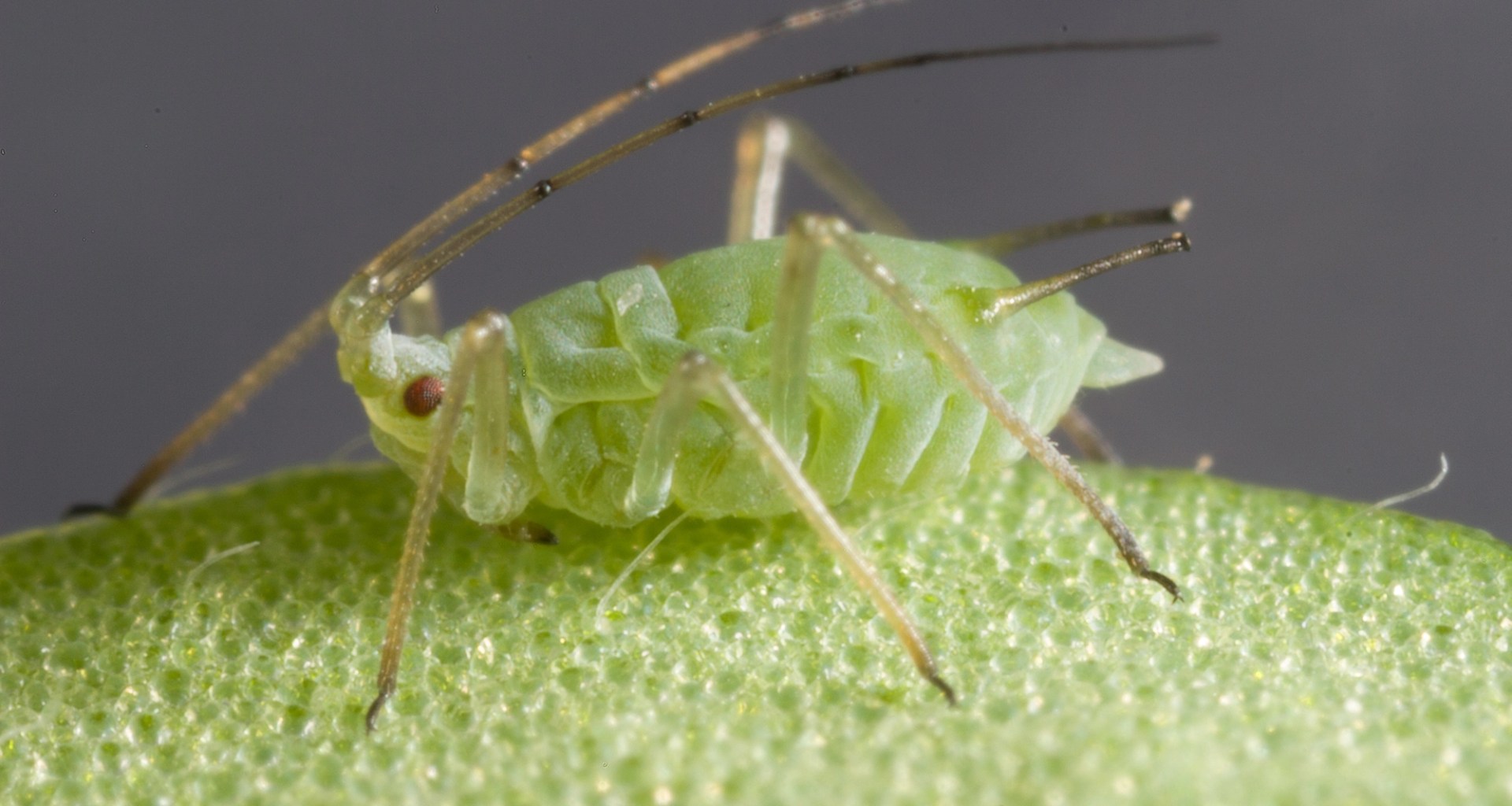
In a pioneering study, Australian researchers have officially documented the emergence of insecticide resistance within field-collected populations of bluegreen aphids, specifically Acyrthosiphon kondoi. This aphid species poses a global threat to pulses and various legume crops.
Published in Pest Management Science, the study serves as a crucial alert for growers worldwide, emphasizing the pressing need for novel strategies to effectively manage this pervasive agricultural pest. Evatt Chirgwin, an evolutionary biologist at Cesar Australia and the corresponding author of the study, shared that the research was initiated in response to reports of traditional insecticides proving ineffective against A. kondoi populations.
Chirgwin elaborated on the motivation behind the study, stating, “Our primary motivation was to help Australian growers understand an emerging pest management challenge. Australian growers have traditionally relied upon two types of insecticides (organophosphate and carbamates) to protect their legume crops from A. kondoi. However, in recent years, multiple growers in Southern Australia reported these insecticide sprays were no longer controlling A. kondoi, which indicated this pest may have evolved insecticide resistance for the first time.”
A. kondoi, a significant agricultural pest found in the U.S., South America, Asia, Europe, Africa, and Australia, inflicts damage on crops by feeding on upper leaves, stems, and terminal buds. Chirgwin highlighted the additional indirect harm caused by A. kondoi, including the spread of plant viruses such as cucumber mosaic virus and bean yellow mosaic virus.

The team gathered populations of Aphis kondoi from lentil and alfalfa paddocks in regions of Victoria, South Australia, and New South Wales, where recent reports indicated insecticide control failures. In bioassays, these populations exhibited moderate resistance to three insecticide groups: organophosphates, carbamates, and pyrethroids.
Regarding the implications of resistance at this level for Australian growers, Chirgwin explained that growers cannot depend on organophosphates and carbamates, at their registered rates, to effectively control the newly evolved A. kondoi populations. However, he emphasized that the observed low-to-moderate levels of resistance (20-40 fold) in A. kondoi are comparatively lower than some other aphid species, which have developed resistance at levels exceeding 100 fold to these chemicals.
Chirgwin also highlighted the unexpected discovery of pyrethroid-resistant A. kondoi populations. Given the relatively restricted use of pyrethroids for A. kondoi control in Australia, the authors initially did not anticipate sufficient selection pressure for the insects to evolve resistance to this class of insecticides.
The researchers now suspect that Aphis kondoi populations are consistently exposed to pyrethroid-based insecticides, as these chemicals find widespread use in pulse and pasture seed crops for controlling various pests such as mirids, Helicoverpa, and other aphids—commonly found alongside A. kondoi.
Interestingly, the study revealed no signs of resistance to another insecticide, flupyradifurone. This lack of resistance was expected, considering that the chemical was only introduced to the Australian market in 2016 and is not officially registered for use against A. kondoi in the country.

The study’s conclusion suggests that flupyradifurone could potentially serve as a novel chemical solution for managing Aphis kondoi in Australia. However, Chirgwin emphasizes a cautious approach, underscoring the significance of integrated pest management strategies to mitigate the risk of escalating cases of insecticide resistance.
In advocating for a balanced approach, Chirgwin advises against relying solely on flupyradifurone if it becomes registered. Singular dependence on one or a limited number of insecticides exposes A. kondoi populations to consistent and intense selection pressure, fostering an environment conducive to the development of increased resistance.
To counteract this, Chirgwin recommends the rotation of different types of insecticides. This practice helps alleviate the selection pressure on pest populations. For effective A. kondoi control, growers need access to multiple chemical options, and these options should be economically viable.
Furthermore, Chirgwin underscores the importance of supporting non-chemical control methods. Encouraging the use of natural enemies like ladybirds and parasitoid wasps can offer an effective biocontrol alternative for managing aphids. Additionally, cultivating crops with plant resistance to aphid feeding, such as certain medic varieties, provides an alternative avenue to reduce selection pressure for insecticide resistance.
Recent advancements in the understanding of novel endosymbionts, a type of bacteria commonly hosted by various animals, have brought about significant changes in the management of mosquito disease vectors. This breakthrough has sparked ongoing research into the potential application of similar endosymbiont-based interventions as innovative strategies for controlling agricultural pests.
Chirgwin elaborates on the current research efforts, stating that there is a concerted attempt to delineate the spread of insecticide-resistant populations of Aphis kondoi. The goal is to create comprehensive maps that can provide growers with tailored, region-specific management recommendations. Simultaneously, the researchers are delving into the exploration of naturally occurring biocontrol options for managing this pest. Additionally, there is a keen interest in investigating how endosymbionts can be leveraged as a fresh approach to mitigating the damage caused by A. kondoi to crops.
Resources
- ONLINE NEWS Society of Chemical Industry. (2024, January 17). Researchers warn of global threat to crops as insecticide resistance emerges in bluegreen aphids. Phys.org. [Phys.org]
- JOURNAL Chirgwin, E., Thia, J. A., Copping, K. J., & Umina, P. A. (2023). Discovery of insecticide resistance in field‐collected populations of the aphid pest, Acyrthosiphon kondoi Shinji. Pest Management Science. [Pest Management Science]
Cite this page:
APA 7: TWs Editor. (2024, January 18). Global Crop Security Under Threat: Emergence of Insecticide Resistance in Bluegreen Aphids. PerEXP Teamworks. [News Link]


