





Although certain reptiles and amphibians exhibit negligible indications of aging, the aging process is distinctly evident in all mammals, encompassing humans.
According to Professor de Magalhaes’ hypothesis, the Mesozoic Era subjected mammals to consistent evolutionary pressures for accelerated reproduction due to the dominance of dinosaurs. Over a span of 100 million years, this environment contributed to the depletion or deactivation of genes linked to longevity. These genes included those associated with processes such as tissue regeneration and DNA repair.
Professor Joao Pedro de Magalhaes, a specialist in Molecular Biogerontology at the Institute of Inflammation and Aging at the University of Birmingham, introduces the ‘longevity bottleneck hypothesis’ as a potential insight into the evolutionary forces shaping mammalian aging across millions of years. Despite humans being among the longest-living animals, the hypothesis acknowledges that various reptiles and other creatures exhibit a markedly slower aging process with minimal signs of senescence.

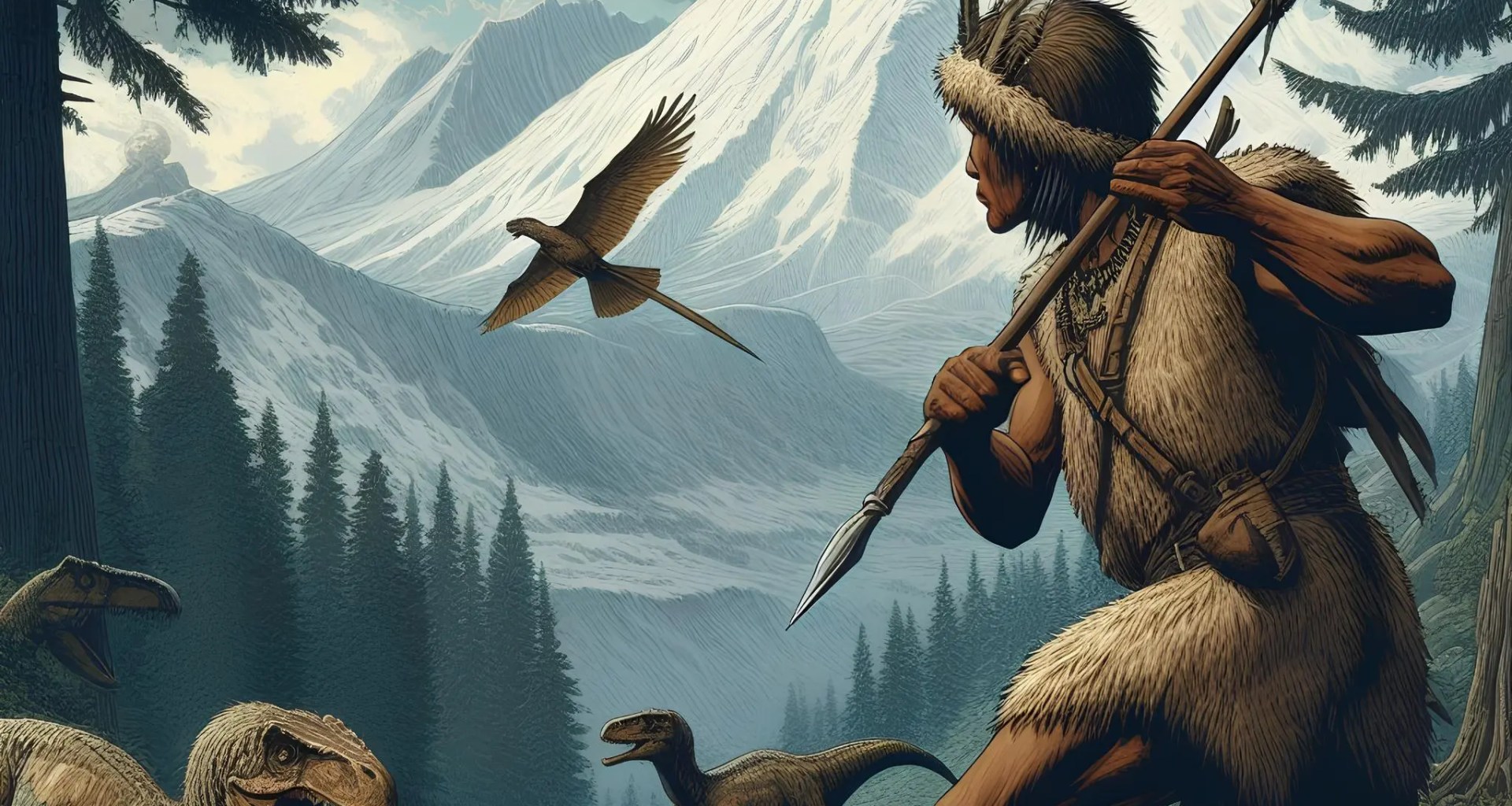
The hypothesis posits that early mammals, occupying lower tiers of the food chain, adapted to survive the age of dinosaurs by emphasizing rapid reproduction over an extended lifespan. This extended period of evolutionary pressure, lasting around 100 million years, is proposed to have influenced the aging patterns observed in humans today.
Professor de Magalhaes notes that certain animals in the animal kingdom display remarkable repair and regeneration capabilities, traits unnecessary for early mammals that were more focused on avoiding predation by formidable dinosaurs. Although contemporary mammals, including humans, whales, and elephants, have evolved to grow large and live longer, they still contend with genetic constraints inherited from the Mesozoic era. Consequently, humans and these mammals exhibit a comparatively faster aging process than many reptiles.
While the longevity bottleneck hypothesis is currently speculative, Professor de Magalhaes suggests various intriguing avenues for exploration, including the potential link between our evolutionary history and the higher incidence of cancer in mammals compared to other species.
Resources
- ONLINE NEWS University of Birmingham. (2023, November 29). The “longevity bottleneck” hypothesis: Research suggests that dinosaurs may have influenced how human beings age. Phys.org. [Phys.org]
- JOURNAL De Magalhães, J. P. (2023). The longevity bottleneck hypothesis: Could dinosaurs have shaped ageing in present‐day mammals? BioEssays. [BioEssays]
Cite this page:
APA 7: TWs Editor. (2023, November 30). How the ‘Longevity Bottleneck’ Hypothesis Connects Human Aging and Dinosaurs? PerEXP Teamworks. [News Link]


2 comments