





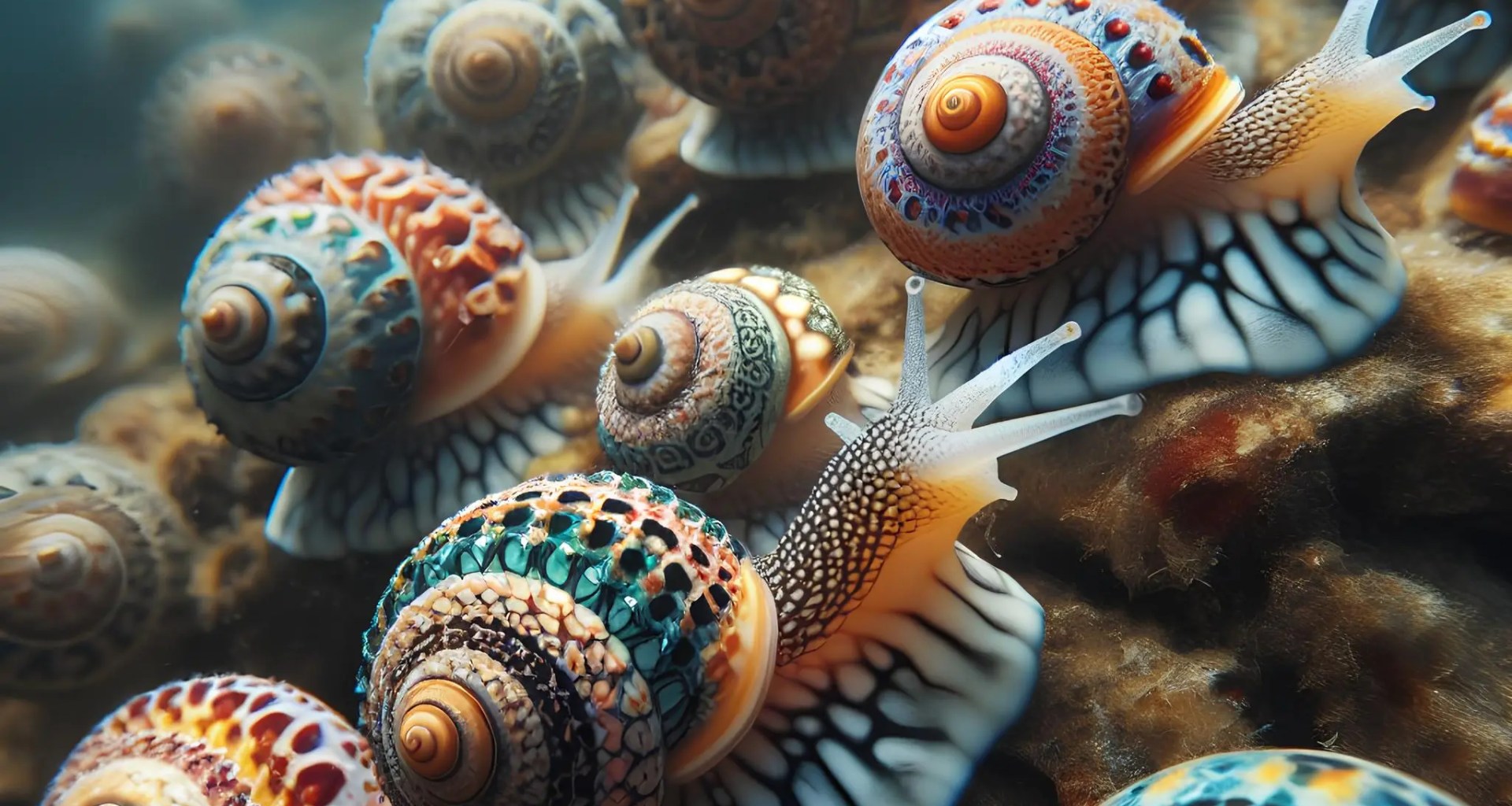
In a groundbreaking discovery, biologists have resolved a longstanding debate in evolutionary biology, affirming that pivotal changes, such as the emergence of flight, vision, and live offspring bearing, unfold gradually rather than through dramatic “monster” leaps. This revelation provides a key answer to the perplexing question of how transformative innovations have originated in the evolutionary timeline.
Typically, evolution unfolds through incremental steps, a gradual process marked by small changes over time. However, occasionally, this process yields remarkable and game-changing features, like feathers that ultimately facilitated the evolution of flight in birds.
Understanding how such significant evolutionary changes occur has been a persistent challenge, largely due to the considerable time gaps involved and the difficulty in envisioning intermediate stages of development. The debate has revolved around two contrasting theories: one positing that major innovations happen abruptly through large-effect mutations, leading to the concept of “hopeful monsters,” and the other suggesting a gradual accumulation of changes through natural selection, favoring intermediate steps.
This recent discovery not only resolves this longstanding debate but also sheds light on the intricate mechanisms underlying major evolutionary shifts. By emphasizing the gradual nature of these transformative processes, scientists gain a deeper understanding of the nuanced and stepwise progression that characterizes the development of key traits in the natural world. The findings contribute significantly to our comprehension of the evolutionary journey, challenging previous notions and opening new avenues for exploring the intricacies of life’s transformative processes.
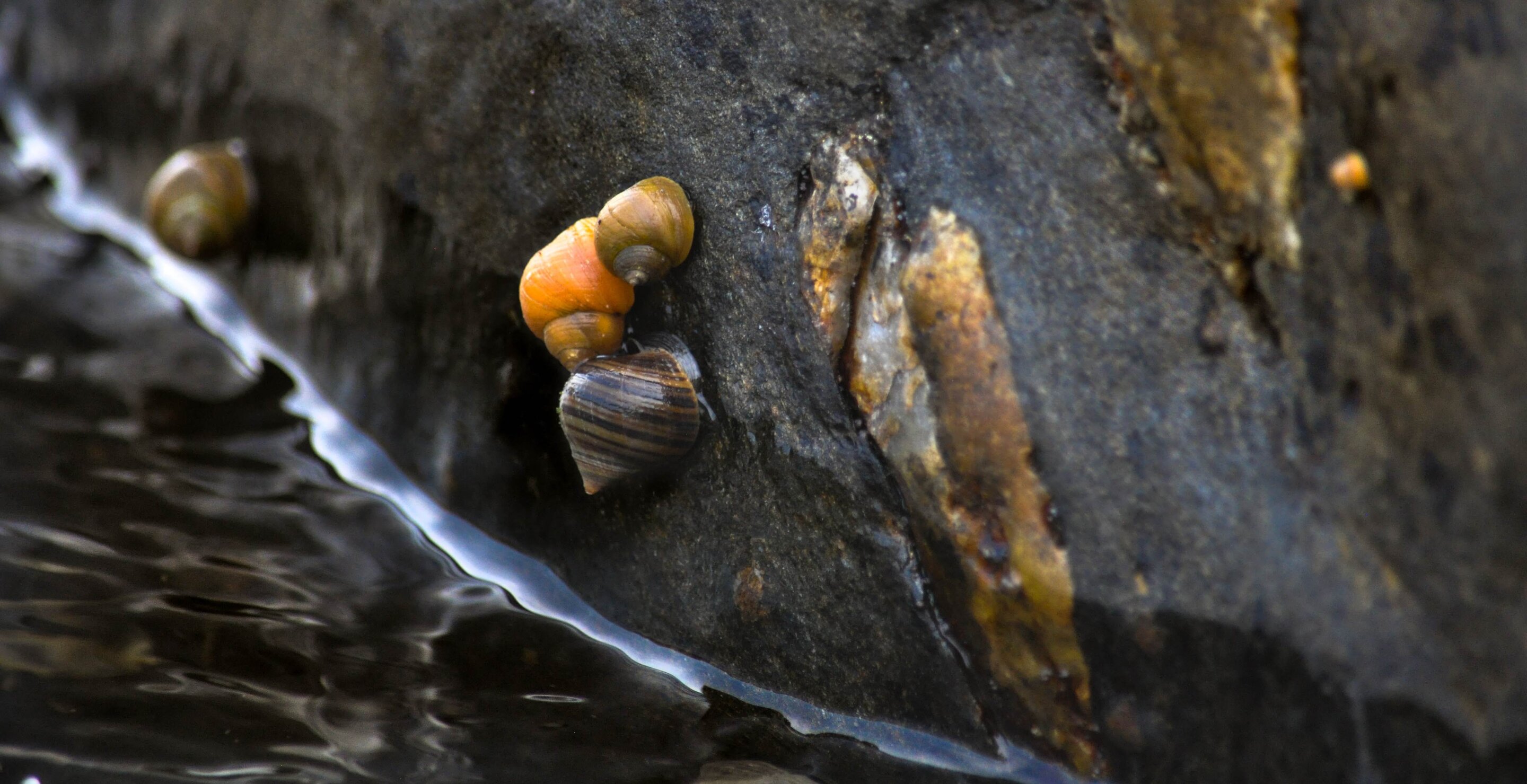
In a significant breakthrough, scientists at the University of Sheffield, in collaboration with researchers from the University of Gothenburg and the Institute of Science and Technology Austria, have tackled a long-standing debate on evolutionary shifts by delving into the genomes of a group of marine snails. This particular group of snails has recently undergone a notable transition from egg-laying to live-birth reproduction.
The study employed cutting-edge whole-genome sequencing techniques, allowing researchers to unravel the genetic intricacies associated with the shift in birthing strategy. The focus was on determining whether this evolutionary transition occurred abruptly or unfolded gradually over time. The outcomes of this research not only shed light on the specific case of these marine snails but also provide valuable insights that can be extrapolated to understand other profound shifts in evolutionary processes.
The innovative methodology utilized in this study serves as a powerful tool for investigating the pace and mechanisms behind evolutionary changes. By deciphering the genomic details of these marine snails, scientists aim to unravel the mystery of whether such transitions occur rapidly or involve a more gradual, stepwise progression. The findings, detailed in the publication in Science, mark a significant advancement in our understanding of evolutionary dynamics and offer a blueprint for deciphering similar shifts across diverse species.

In a groundbreaking study, scientists have pinpointed 50 genes intricately linked with reproductive modes in marine snails, shedding light on the gradual accumulation of genetic innovations over time. The researchers not only identified these genes but also estimated the timeline of their emergence, illustrating that these innovations evolved progressively rather than through a singular evolutionary leap.
Professor Roger Butlin, from the University of Sheffield’s School of Biosciences, underscores the significance of unraveling the evolutionary origin of key innovations. Understanding this process is crucial as such innovations have the potential to dramatically alter the course of evolution, exemplified by the diversification of mammals following the shift to live-bearing or the evolution of flight in birds facilitated by the development of feathers. Until now, the study of such pivotal evolutionary changes has been challenging, primarily due to the vast temporal gaps involved in most evolutionary events.
The recent discovery and detailed examination of the evolutionary shift in the birthing method of marine snails provide a unique opportunity to explore and comprehend major changes in evolution. By studying this relatively recent shift, researchers can now employ their methods to investigate a myriad of other evolutionary transformations, offering a broader understanding of the intricate processes shaping the diversity of life on Earth. This pioneering research not only contributes to our comprehension of evolutionary dynamics but also opens avenues for exploring the genetic underpinnings of other pivotal shifts across diverse species.

In a transformative revelation, the research findings are poised to reshape the perspectives of biologists regarding major evolutionary transitions. The emphasis shifts from envisioning significant leaps in evolution to comprehending the incremental advantages derived from small, cumulative evolutionary steps. This nuanced understanding of the evolutionary process stands to redefine how biologists approach the study of adaptation and transformation in the natural world.
The implications extend beyond the marine snail study, providing a valuable framework for dissecting the genetic and historical foundations of various adaptive traits. This is particularly pertinent as numerous organisms grapple with the imperative need to swiftly adapt to an ever-changing environment.
Looking ahead, the research team is geared towards delving deeper into the functions of the identified genes. By doing so, they aim to unravel the intricate series of evolutionary steps that culminated in the transition to live birth in these snails. Moreover, they envision extending their innovative methods to study other forms of adaptation, such as thermal tolerance. This broader application is particularly crucial in the face of climate change, where understanding the adaptive mechanisms of species becomes imperative for their survival.
In essence, this pioneering study not only marks a pivotal moment in understanding the intricacies of evolutionary transitions but also opens doors to a more holistic comprehension of adaptation across diverse species in the context of a rapidly changing world.
Resources
- ONLINE NEWS University of Sheffield. (2024, January 4). Marine snails study helps clarify debate on how to view major evolutionary transitions. Phys.org. [Phys.org]
- JOURNAL Stankowski, S., Zagrodzka, Z. B., Garlovsky, M. D., Pal, A., Shipilina, D., Castillo, D. F. G., Lifchitz, H., Moan, A. L., Leder, E. H., Reeve, J., Johannesson, K., Westram, A. M., & Butlin, R. K. (2024). The genetic basis of a recent transition to live-bearing in marine snails. Science, 383(6678), 114–119. [Science]
- JOURNAL Elmer, K. R. (2024). Evolutionary paths to new phenotypes. Science, 383(6678), 27–28. [Science]
Cite this page:
APA 7: TWs Editor. (2024, January 6). Marine Snails Reveal New Insights into Evolutionary Transitions. PerEXP Teamworks. [News Link]


