




Mindfulness-promoting exercises, fostering a mental state characterized by openness, awareness, and focus on the present moment, have become integral psychotherapeutic tools globally. These exercises play a vital role in various psychotherapy approaches, including mindfulness-based cognitive therapy (MBCT), acceptance and commitment therapy (ACT), and the mindfulness-based stress reduction (MBSR) program developed by Professor Jon Kabat-Zinn.
A recent study conducted by researchers at the University of Wisconsin-Madison and Virginia Commonwealth University delved into the impact of short mindfulness practices on the organization of extensive brain networks and their potential influence on intimate partner aggression.
As reported in the journal Cognitive, Affective, & Behavioral Neuroscience, the outcomes of their research indicate that undergoing brief attention-based mindfulness meditation training, lasting only a few minutes, induces discernible alterations in the activity and arrangement of vital neural networks.
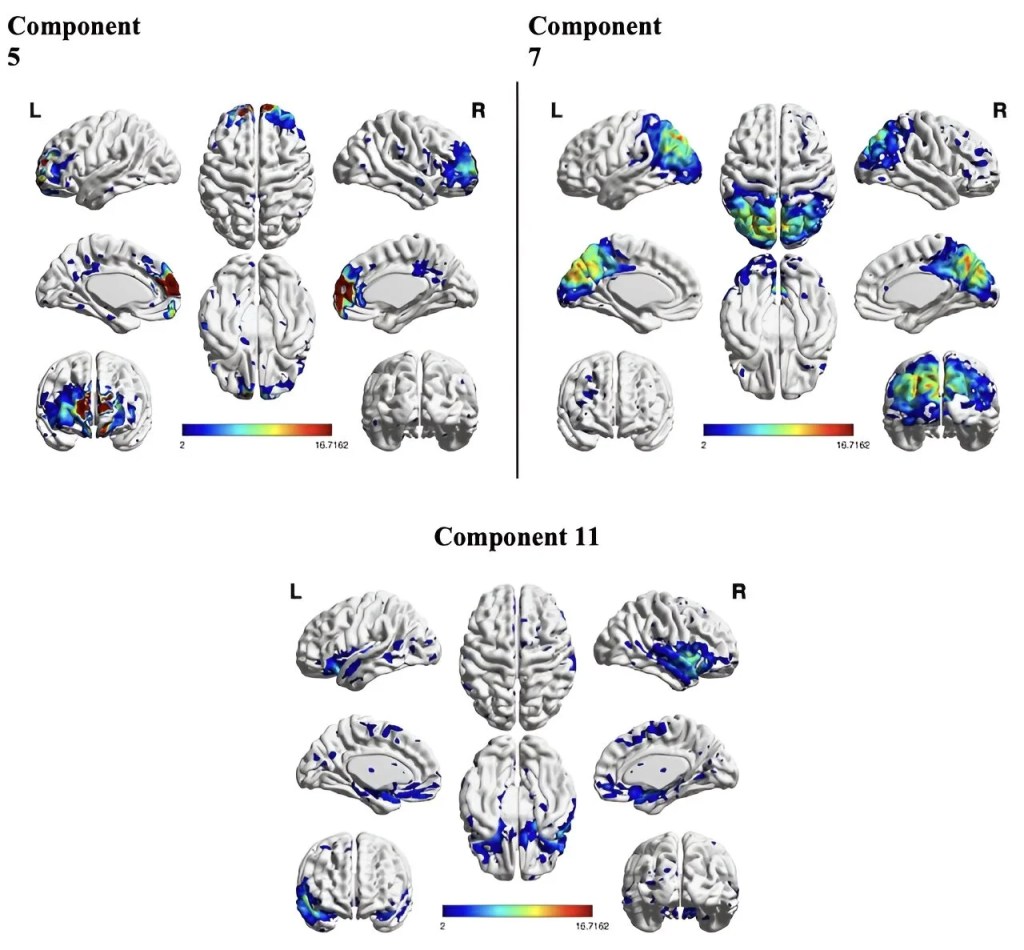
Hadley Rahrig, Liangsuo Ma, and their research team emphasize in their paper that mindfulness practices can induce neuroplastic changes, fostering adaptive cognitive and emotional functioning. The researchers highlight the increasing interest in single-exercise mindfulness instruction, particularly with the rise of mobile health technology. The objective of their study was to expand existing neural models of mindfulness by exploring the effects of brief exposures to focused attention meditation, aiming to understand transient states of mindfulness during these single sessions.
Rahrig, Ma, and their collaborators conducted an analysis of data collected as part of a broader study focused on romantic relationships. The study involved 51 adult heterosexual couples with a dating history of at least six months. In this experiment, couples were separated and tasked with completing either a 10-minute mindfulness meditation practice or a 10-minute relaxation exercise. The participants’ brain activity was recorded using magnetic resonance imaging (MRI), a non-invasive method capturing images of the brain and other structures using magnetic and radio waves.
Following the exercises, the couples engaged in a behavioral aggression task, requiring them to press a button faster than computer-programmed opponents, described as strangers, close friends, or intimate partners. The team’s analysis of the experimental data revealed intriguing findings consistent with prior research. Specifically, the 10-minute mindfulness meditation exercise increased functional connectivity within the frontoparietal control network (FPCN) and the salience network (SN), while concurrently reducing coherence in the default mode network (DMN).
Although the brief mindfulness training had an impact on brain connectivity patterns, it did not lead to a significant reduction in the aggression displayed by participants toward what they perceived as their romantic partners during the behavioral task. This outcome doesn’t necessarily negate the potential of mindfulness practices in reducing aggressive behavior; rather, it suggests that the observed training duration may not be sufficient for noticeable effects in this context.
According to Rahrig, Ma, and their team, the mindfulness instruction in their study resulted in a reduction in coherence within the default mode network and an increase in functional connectivity within the frontoparietal control and salience networks. Additionally, mindfulness induced a decoupling effect between the primary visual and attention-linked networks. However, despite these neural changes, the mindfulness induction did not bring about alterations in subsequent intimate partner aggression. Furthermore, the observed aggression showed no significant associations with any of the measured network indices. These findings suggest that even minimal doses of focused attention-based mindfulness can induce transient changes in large-scale brain networks, but the implications for aggressive behavior remain uncertain.
The researchers’ findings underscore that even brief sessions of mindfulness meditation can impact the organization and functioning of extensive neural circuits. Notably, the observed changes in participants’ brains suggest that mindfulness may facilitate a decoupling effect between brain regions involved in visual stimuli processing and networks associated with attention, as hypothesized by Rahrig, Ma, and their colleagues.
This recent study lays the groundwork for future investigations into the influence of both occasional and regular mindfulness practices on neural connectivity, intimate partner aggression, and potentially other behaviors within romantic relationships. The collective body of work emerging from such research endeavors has the potential to reveal additional advantages of mindfulness exercises and their effects on brain function.
Resources
- ONLINE NEWS Fadelli, I. & Medical Xpress. (2023, November 29). Exploring the impact of short mindfulness practices on intimate partner aggression. Medical Xpress. [Medical Xpress]
- JOURNAL Rahrig, H., Ma, L., Brown, K. W., Martelli, A., West, S. J., Lasko, E., & Chester, D. S. (2023). Inside the mindful moment: The effects of brief mindfulness practice on large-scale network organization and intimate partner aggression. Cognitive, Affective, & Behavioral Neuroscience. [Cognitive, Affective, & Behavioral Neuroscience]
Cite this page:
APA 7: TWs Editor. (2023, November 30). The Effect of Short Mindfulness Practices on Intimate Partner Aggression. PerEXP Teamworks. [News Link]


