



A team of experts, led by scientists from the University of Florida, conducted a comprehensive evaluation of terrestrial, aquatic, and marine species, identifying 460 vertebrates, invertebrates, algae, and plants with characteristics that make them highly adept at invasion. From this extensive list, 40 species were singled out as posing the greatest threat to Florida’s ecosystems.
The initiative, led by Deah Lieurance during her role as the coordinator of the UF/IFAS Assessment of Non-Native Plants, aimed to shift the approach to invasive species management from reactive to preventative. The goal is to safeguard Florida’s natural areas while also minimizing the financial and operational resources required for management strategies.
Invasive species management is a global challenge, with the Intergovernmental Science-Policy Platform on Biodiversity and Ecosystem Services estimating the annual cost of such management worldwide at $423 billion in 2019. This cost is projected to quadruple every decade. Recognizing Florida as “ground zero” for invasions in the United States, Matthew Thomas, the director of the UF/IFAS Invasion Science Research Initiative, emphasizes the need to address the state’s unique challenges through initiatives like this study.
Deah Lieurance and a group of experts, representing academia, state and federal agencies, and non-profits, conducted a horizon scan—a systematic examination by experts to identify emerging issues, opportunities, and unknown risks. In this study, each evaluated species received a score based on factors such as the likelihood of arrival, establishment, and spread, as well as potential ecological, economic, and human health impacts. The experts then collaboratively ranked the species by risk level.
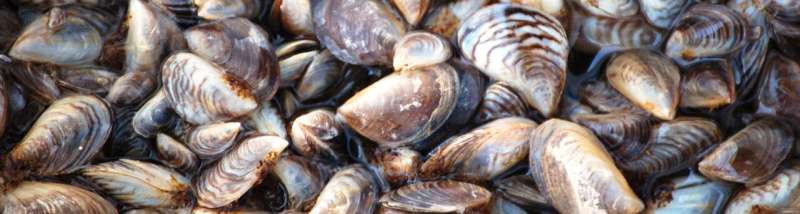
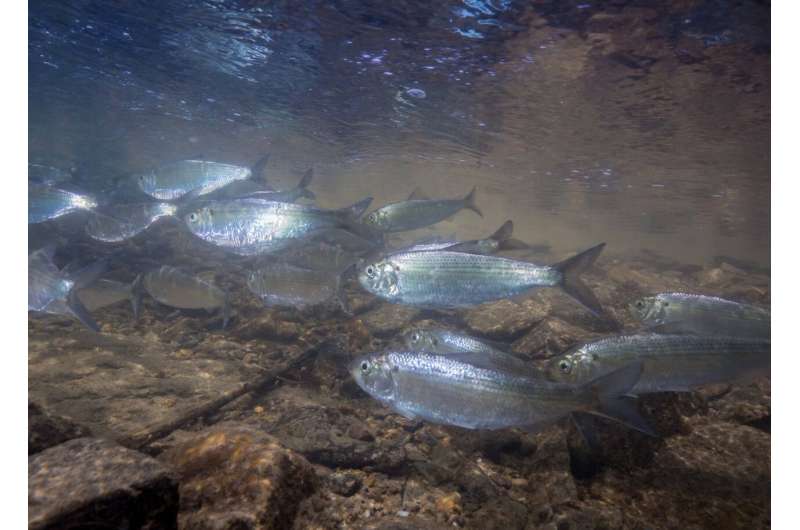
Some of the highest-risk invaders identified through this process included alewife, zebra mussel, crab-eating macaque, and red swamp crayfish. The priority rankings received validation when a small population of red swamp crayfish was discovered and eradicated in Clay County in 2022.
Among the unexpected findings was the crab-eating macaque, not initially on Lieurance’s radar. However, as these macaques are already present in the state in captivity and are adept at consuming crabs, they pose a threat to native biodiversity. Additionally, the experts highlighted the potential transmission of the herpes B virus, found in populations of the related rhesus macaque in Silver Springs State Park.
The study also explored potential pathways for these invaders to reach Florida, identifying pet and aquarium releases as well as transportation-related mechanisms (stowaways and contaminants) as the most likely routes for their introduction.
Deah Lieurance emphasized the dynamic nature of invasive species threats, noting that the yellow-legged hornet, which wasn’t evaluated in this study, has become a potential high-risk invader since the study’s completion. The species was identified just across the border in Savannah, Georgia, in August. Lieurance views this research as a foundational step for future horizon scans, suggesting that such evaluations should be conducted approximately every five years.
The study’s methodologies have already influenced broader approaches. Lieurance highlighted the involvement of the United States Geological Survey (USGS) in the project, where they assessed one taxonomic group. The USGS team shared their experience, leading to federal-level initiatives. The Department of Interior is now utilizing bipartisan infrastructure funds to support additional horizon scans across the nation, employing the same framework as part of their National Framework for Early Detection and Rapid Response. This development reflects the expansion and applicability of the project beyond its original scope.

Dr. Deah Lieurance, who spearheaded the recent study on invasive species threats to Florida, is currently leading ongoing horizon scan projects for Puerto Rico and the U.S. Virgin Islands. She emphasizes the proactive nature of such projects, aiming to prevent invasive species’ negative impacts before they occur. The study, titled “Identifying invasive species threats, pathways, and impacts to improve biosecurity,” is published in the journal Ecosphere. Lieurance underscores the importance of protecting Florida’s biodiversity, ecosystems, infrastructure, and human well-being through early detection and prevention efforts.
Resources
- ONLINE NEWS University of Florida. (2023, December 16). Study identifies Florida’s potential invasive species threats. Phys.org. [Phys.org]
- JOURNAL Lieurance, D., Canavan, S., Behringer, D. C., Kendig, A. E., Minteer, C. R., Reisinger, L. S., … Wanamaker, C. (2023). Identifying invasive species threats, pathways, and impacts to improve biosecurity. Ecosphere, 14(12), e4711. [Ecosphere]
Cite this page:
APA 7: TWs Editor. (2023, December 19). Potential Threats from Invasive Species in Florida Identified by Study. PerEXP Teamworks. [News Link]


