



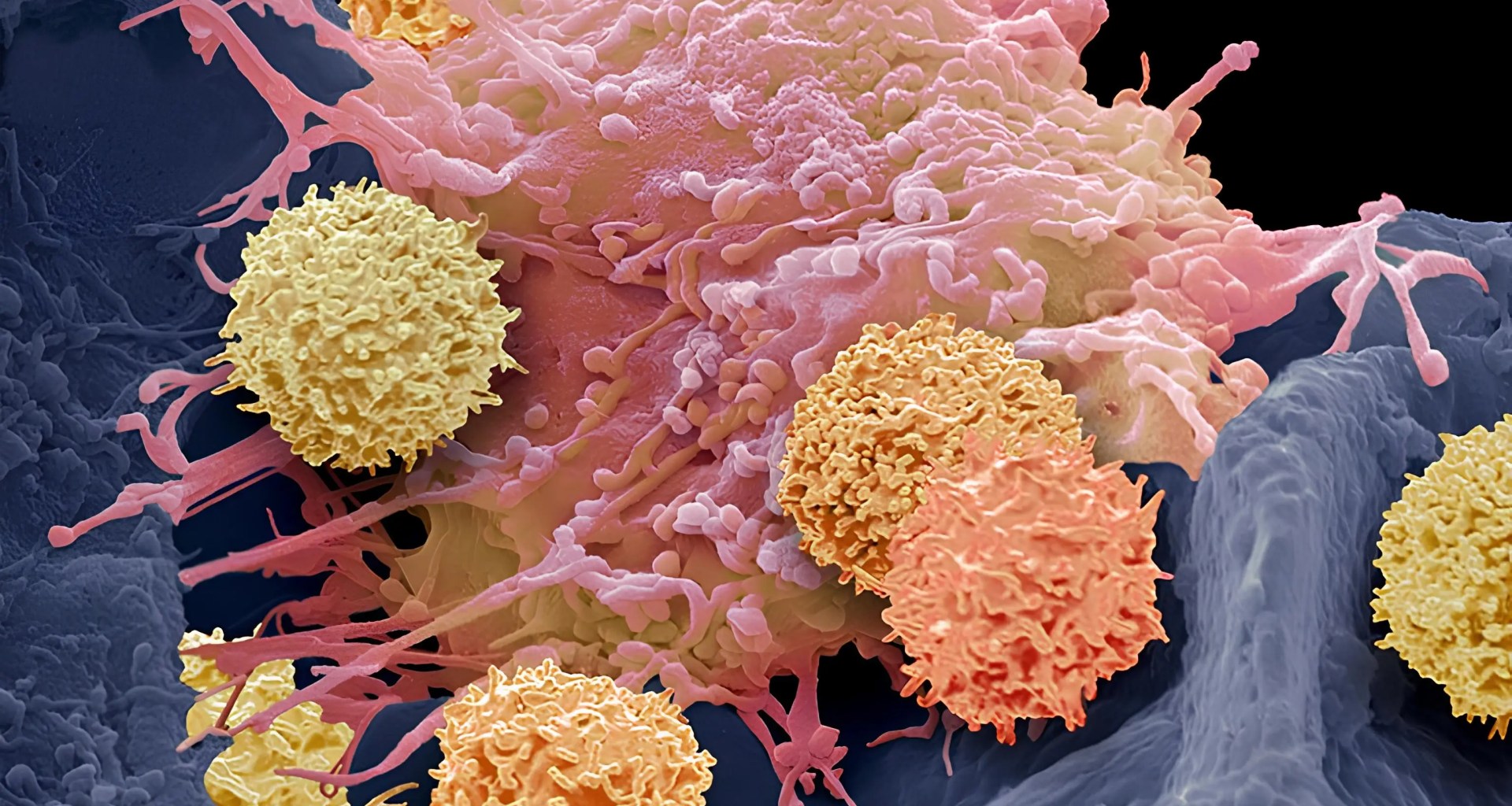
Fifteen individuals grappling with once-debilitating autoimmune disorders have experienced a transformative improvement in their quality of life through engineered immune cells. The breakthrough, achieved through CAR-T-cell therapy, has not only alleviated symptoms but also eliminated the need for ongoing treatments. This development sparks optimism that the innovative approach could eventually be applied to a spectrum of other conditions stemming from aberrant immune cells generating antibodies against the body’s own tissues.
The data, presented at the American Society of Hematology meeting in San Diego on December 9, revealed that all 15 participants, each afflicted with one of three autoimmune conditions, have maintained a disease-free status or witnessed a significant reduction in symptoms since undergoing the therapy. Notably, these encouraging outcomes persist, with the initial participants receiving treatment over two years ago.
Marco Ruella, an oncologist at the University of Pennsylvania in Philadelphia, expresses the collective enthusiasm within the scientific community, characterizing the successes as electrifying. The promising results are considered preliminary but have ignited considerable excitement, underlining the substantial potential of CAR-T-cell therapy in revolutionizing autoimmune disorder treatment.
Bespoke immune cells: A new approach to immunotherapy
CAR-T therapies leverage T cells, pivotal players in the immune system. This innovative approach involves extracting T cells from the patient, genetically modifying them to produce chimeric antigen receptors (CARs), and then reintroducing them into the patient’s body. In many instances, these modified T cells are specifically designed to target a protein produced by B cells, a type of immune cell. Upon reintegration, the CAR T cells take aim at the B cells, initiating their destruction—a beneficial mechanism for addressing cancers driven by abnormal B cells.
B cells play a central role in certain autoimmune disorders by generating antibodies that attack healthy tissues. In 2019, researchers demonstrated in mice with a lupus-like disease that CAR T cells designed to recognize B cells could alleviate symptoms, hinting at the potential for treating autoimmune conditions.
Coincidentally, while researchers at University Hospital Erlangen in Germany were establishing their CAR-T center primarily for cancer treatment, a rheumatologist sought advice from the cancer specialists. The inquiry pertained to a young woman grappling with systemic lupus erythematosus, a severe form of lupus. With multiple organs failing and a grim prognosis, the young woman, determined to explore novel interventions, prompted the collaboration between cancer and rheumatology specialists.
An approach with high risks
Initially hesitant due to the potential severe side effects of CAR-T therapy, coupled with the rigorous chemotherapy required before treatment, the research team faced a pivotal decision. Fabian Müller, an oncologist from Friedrich–Alexander University of Erlangen–Nuremberg, expressed their initial apprehension during a press conference before presenting their work at the San Diego meeting. Despite concerns, a determined young woman, facing a dire prognosis with systemic lupus erythematosus, urged them to proceed.
Remarkably, the first participant, along with subsequent individuals, encountered relatively mild adverse effects, as reported by Müller at the conference. Encouraged by these outcomes, the Erlangen team extended the application of the method to address two additional autoimmune disorders: systemic sclerosis and idiopathic inflammatory myositis, achieving further success.
The approach gained traction, with other research groups achieving similar positive results. Recently, a team added myasthenia gravis to the list of autoimmune disorders exhibiting positive responses. The expanding repertoire of successfully treated conditions has prompted researchers to contemplate the potential breadth of applications for this groundbreaking therapy. Marcela Maus, a designer of CAR-T therapies at Massachusetts General Hospital in Boston, underscores the transformative possibilities, emphasizing that the current landscape was unthinkable just a decade ago.
However, amidst the optimism, it remains uncertain how much of the success can be attributed to CAR-T therapy itself versus the impact of the chemotherapy that eliminated the participants’ pre-existing immune cells. This chemotherapy might have played a role in eradicating the problematic B cells.
Reflecting on the remarkable recoveries witnessed, Müller expresses a sense of fulfillment, highlighting instances of individuals who transitioned from struggling to walk a short distance to comfortably covering significant distances. He emphasizes the profound impact on the lives of these young patients who previously spent more time with doctors than friends, describing their daily routine as a series of pills. Müller concludes with a smile, emphasizing the gratification experienced by physicians witnessing the transformative outcomes of the therapy.
Resources
- JOURNAL Ledford, H. (2023). ‘It’s all gone’: CAR-T therapy forces autoimmune diseases into remission. Nature. [Nature]
- JOURNAL Kansal, R. G., Richardson, N., Neeli, I., Khawaja, S., Chamberlain, D., Ghani, M., Ghani, Q., Balázs, L., Beranová-Giorgianni, Š., Giorgianni, F., Kochenderfer, J. N., Marion, T. N., Albritton, L. M., & Radic, M. (2019). Sustained B cell depletion by CD19-targeted CAR T cells is a highly effective treatment for murine lupus. Science Translational Medicine, 11(482). [Science Translational Medicine]
- JOURNAL Haghikia, A., Hegelmaier, T., Wolleschak, D., Böttcher, M., Desel, C., Borie, D. C., Motte, J., Schett, G., Schroers, R., Gold, R., & Mougiakakos, D. (2023). Anti-CD19 CAR T cells for refractory myasthenia gravis. Lancet Neurology, 22(12), 1104–1105. [Lancet Neurology]
Cite this page:
APA 7: TWs Editor. (2023, December 13). Autoimmune Diseases: How They Are Gone with CAR-T Therapy. PerEXP Teamworks. [News Link]


