



APA 7: TWs Editor & ChatGPT. (2023, November 13). Egg-laying Marvel: Elusive Mammal Rediscovered After Six Decades. PerEXP Teamworks. [News Link]
In addition to locating the long-beaked echidna, the collaborative expedition involving the University of Oxford, Indonesian NGO Yayasan Pelayanan Papua Nenda (YAPPENDA), Cenderawasih University (UNCEN), Papua BBKSDA, and the National Research and Innovation Agency of Indonesia (BRIN), as well as Re:Wild, unearthed numerous other noteworthy discoveries.
Among the remarkable findings during the expedition were the rediscovery of Mayr’s honeyeater, a bird not documented since 2008; the identification of a completely new genus of tree-dwelling shrimp; the recognition of numerous novel insect species, and the unveiling of an undiscovered cave system. These achievements occurred in the face of formidable challenges presented by the extremely inhospitable terrain, which included venomous animals, blood-sucking leeches, malaria, earthquakes, and relentless heat.

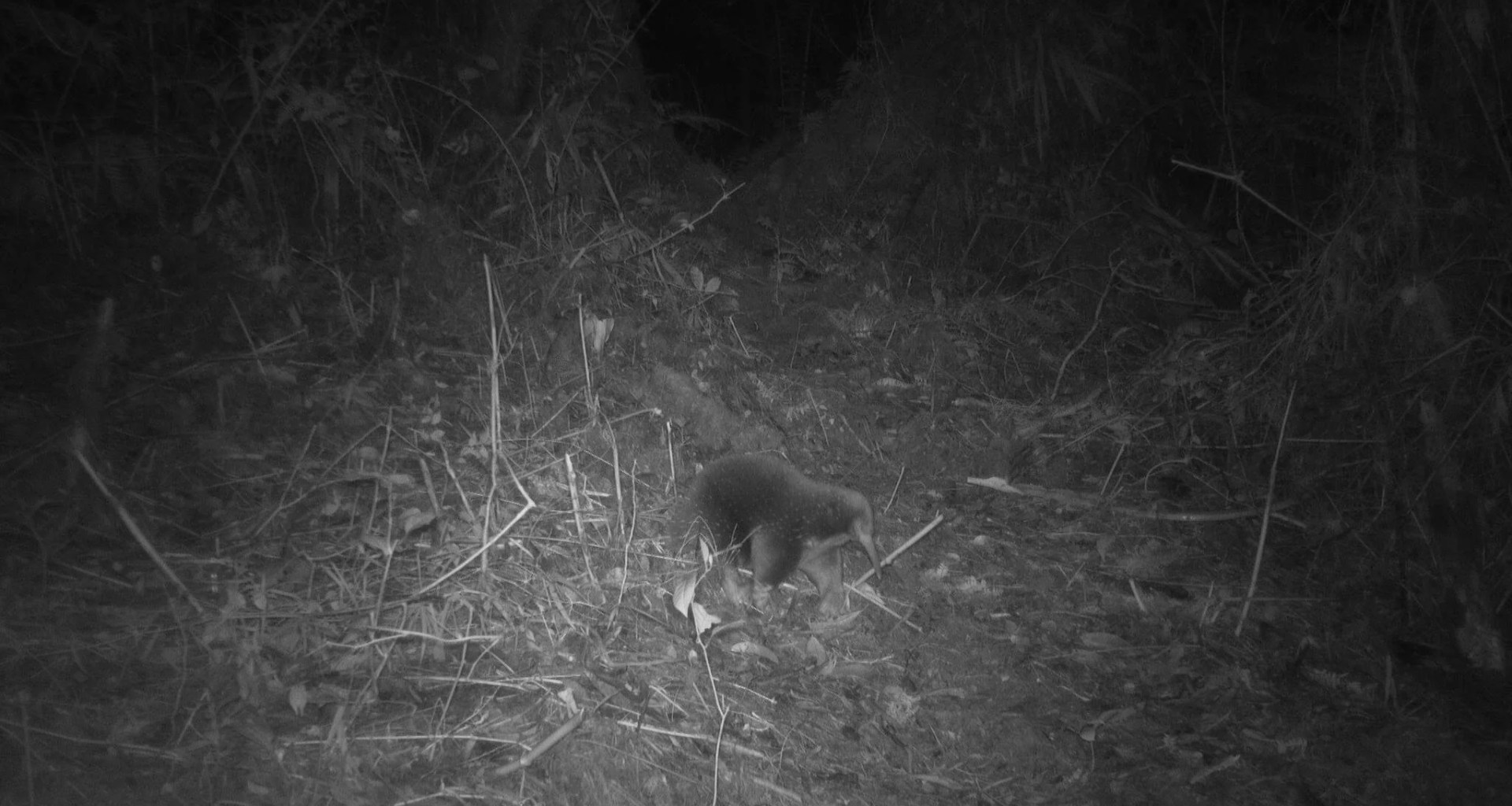
Rare capture: Elusive mammal captured on camera for the first time
First scientifically documented in 1961, Attenborough’s long-beaked echidna belongs to the rare category of monotremes—an evolutionary unique group of egg-laying mammals, among which the platypus is also a member. The exceptional nature of this echidna species lies in its status as one of the last five remaining species of monotremes, serving as the exclusive custodians of this extraordinary branch on the tree of life.
Echidnas pose a formidable challenge to locate due to their nocturnal habits, subterranean dwellings, and naturally timid demeanor. The elusive nature of Attenborough’s long-beaked echidna is accentuated by its exclusive presence in the Cyclops Mountains, with no recorded sightings elsewhere. Presently, it holds a classification of Critically Endangered on the IUCN Red List of Threatened Species.
In an effort to maximize their chances of discovering the echidna, the team strategically placed over 80 trail cameras, embarked on multiple ascents of the mountains, and collectively climbed over 11,000 meters—an elevation surpassing that of Everest. Despite the team’s intensive four-week presence in the forest, the cameras documented no traces of the echidna for the majority of the duration.
On the ultimate day of their expedition, capturing the final images stored on the last memory card, the team successfully obtained shots of the elusive mammal. These images marked the inaugural photographs of Attenborough’s echidna. Subsequently, the confirmation of the species’ identification was secured through the expertise of Professor Kristofer Helgen, a mammalogist and the chief scientist and director of the Australian Museum Research Institute (AMRI).
Dr. James Kempton, a biologist from the University of Oxford who conceived and led the expedition, described Attenborough’s long-beaked echidna as having the spines reminiscent of a hedgehog, the snout resembling an anteater, and feet akin to a mole. Its unique appearance, resembling a creature from Greek mythology that is part human and part serpent, is attributed to its membership in the monotremes—a distinctive egg-laying group that diverged from the rest of the mammalian lineage around 200 million years ago.
The biologist, Dr. James Kempton, emphasized that the discovery resulted from extensive effort and meticulous planning spanning over three and a half years. He highlighted the significance of the successful collaboration, particularly with the assistance of YAPPENDA. The establishment of a long-term relationship with the Yongsu Sapari community, situated on the north coast of the Cyclops Mountains, played a pivotal role in the expedition’s success. The foundation of trust between the researchers and the community was instrumental, as it allowed for the exchange of knowledge crucial for navigating the challenging terrain. Moreover, the community granted permission to conduct research in areas untouched by human presence until then.
A wealth of discoveries unearthed
In addition to their quest for the echidna, the expedition undertook the inaugural thorough evaluation of invertebrate, reptile, amphibian, and mammal biodiversity in the Cyclops Mountains. Benefiting from the assistance of local guides within the expedition team, the scientists established impromptu laboratories in the heart of the jungle, fashioning benches and desks from forest branches and vines.
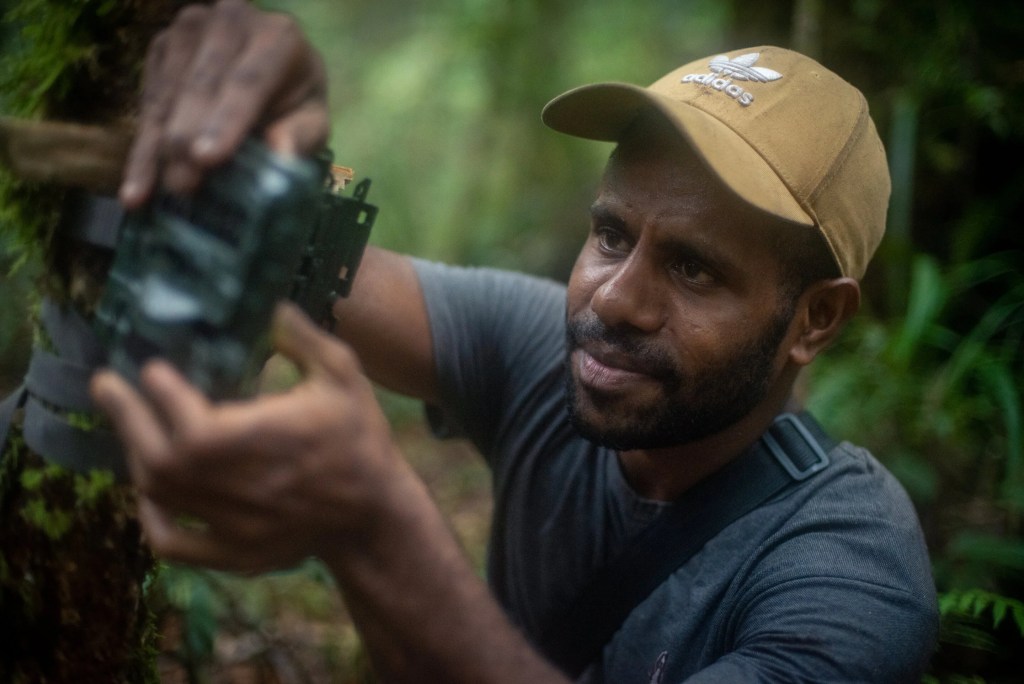
By merging scientific methodologies with the expertise and forest knowledge of the Papuan team members, the expedition yielded a plethora of novel findings. Among these were the identification of numerous insect species previously unknown to science and the rediscovery of Mayr’s honeyeater (Ptiloprora mayri), a bird that had eluded scientific documentation since 2008 and is named in honor of the renowned evolutionary biologist Ernst Mayr.
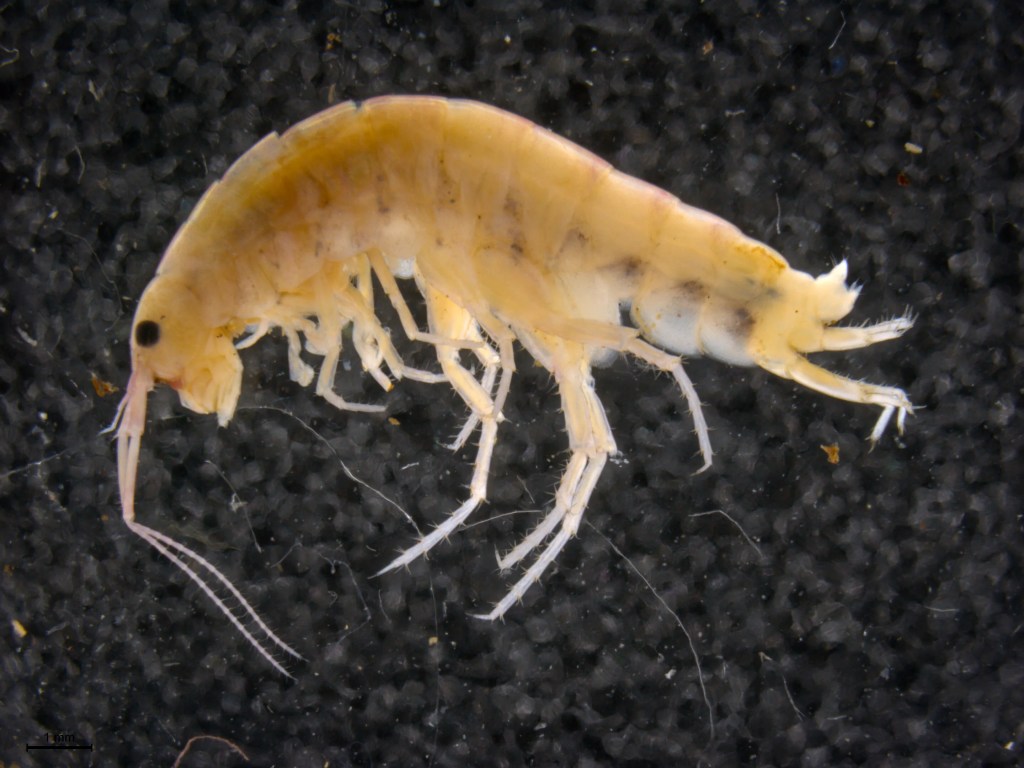
The expedition unveiled an exceptional discovery: a previously unknown genus of shrimp that dwells both on the ground and in trees. Dr. Leonidas-Romanos Davranoglou, the lead entomologist for the expedition and a Leverhulme Trust Postdoctoral Fellow at the Oxford University Museum of Natural History, expressed surprise at finding this shrimp deep within the forest. The revelation is noteworthy as it deviates from the typical coastal habitat associated with these creatures.
The hypothesis put forward by the team suggests that the considerable rainfall in the Cyclops Mountains creates an environment with sufficiently high humidity, allowing these creatures to thrive exclusively on land.
The expedition further unveiled a wealth of subterranean species, encompassing blind spiders, blind harvestmen, and a whip scorpion—all previously undocumented in scientific literature—in an undiscovered cave system. This remarkable find occurred in a previously unexplored area, one of the sacred peaks above Yongsu Sapari, where the team had obtained special permission for research. Given the infrequent human presence in this location, the striking cave system was stumbled upon when a team member accidentally fell through a moss-covered entrance.
A captivating yet perilous terrain
The backdrop for these groundbreaking discoveries involved exceptionally difficult and, at times, perilous conditions. On one of the expeditions to the cave system, an unexpected earthquake compelled the team to initiate an evacuation. In the midst of these challenges, Dr. Davranoglou sustained fractures in two places in his arm, a team member contracted malaria, and another endured the discomfort of having a leech attached to his eye for a day and a half before it was eventually removed at a hospital.
Throughout the expedition, team members contended with persistent challenges posed by biting mosquitoes and ticks, along with the ever-present threat of venomous snakes and spiders. Navigating through the jungle proved to be a laborious and wearisome endeavor, often necessitating the creation of pathways in areas untouched by human presence.
Describing the Cyclops as a challenging yet captivating environment, Dr. Kempton likened it to a magical landscape—enchanting and perilous, reminiscent of a scene from a Tolkien book. He emphasized the remarkable camaraderie among expedition members, highlighting their collective efforts to uplift morale in the face of the demanding conditions. Evenings were characterized by story exchanges around the fire, accompanied by the ambient sounds of frogs hooting and peeping in the background.

Discovered in the soil and trees of the Cyclops Mountains, a novel species of terrestrial shrimp has been identified. This shrimp belongs to a lineage typically associated with seashores, making its presence hundreds of meters up on the mountain slopes a truly astonishing surprise for the expedition team. (Credit: Expedition Cyclops) Established on the northern slopes of the Cyclops Mountains, a temporary expedition campsite served as a base for the research team. Members of the Yongsu Sapari community played a vital role in preparing paths and campsites, facilitating the expedition’s research efforts. (Credit: Expedition Cyclops)

A timeless heritage
The rediscovery of the echidna marks just the initial phase of the expedition’s mission. Serving as the flagship species for the Cyclops Mountains and a symbolic representation of its remarkable biodiversity, Attenborough’s long-beaked echidna is a focal point. The team aspires that this rediscovery will raise awareness about the conservation requirements of the Cyclops region and Indonesian New Guinea at large. Their dedication extends to sustaining long-term monitoring efforts for the echidna.
Critical to these efforts is the involvement of the NGO YAPPENDA, dedicated to safeguarding the natural environment of Indonesian New Guinea by empowering Indigenous Papuans. Within the expedition team, YAPPENDA members played a vital role in training six students from UNCEN in biodiversity surveys and the utilization of camera traps.
Dr. Davranoglou emphasized the significance of tropical rainforests, highlighting their status as crucial yet imperiled terrestrial ecosystems. He underscored the responsibility to aid colleagues on the frontline by sharing knowledge, skills, and providing necessary equipment.
Having processed only a portion of the collected material from the expedition, the team anticipates the discovery of additional new species in the months ahead. The plan is to honor the Papuan members of the expedition by naming many of these newfound species after them.
In addition to animal specimens, the team gathered more than 75 kg of rock samples for geological analysis. This aspect of the expedition was overseen by Max Webb, the chief geologist from Royal Holloway University, London. The information derived from these samples holds the potential to address numerous inquiries regarding the origin and timeline of the Cyclops Mountains’ formation.
The formation of the Cyclops Mountains is thought to have occurred approximately 10 million years ago through the collision of an island arc in the Pacific Ocean with the New Guinea mainland. In conjunction with the biological discoveries, the geological investigations conducted by the team aim to provide insights into the mechanisms that led to the development of the Cyclops’ remarkable biodiversity.
Attenborough’s long-beaked echidna: A closer look
- Zaglossus attenboroughi, commonly known as Attenborough’s long-beaked echidna, is exclusively found within the confines of the Cyclops Mountains. Despite extensive research, biologists continue to grapple with numerous unanswered questions regarding its habitat and ecology.
- Belonging to the category of EDGE species, Attenborough’s long-beaked echidna represents a threatened species with limited close relatives on the evolutionary tree of life. This unique mammal has undergone independent evolution for approximately 200 million years, distinguishing it from other members of the animal kingdom.
- The echidna holds cultural significance for the inhabitants of Yongsu Sapari, who have resided on the northern slopes of the Cyclops Mountains for eighteen generations. In instances of community conflicts, a unique tradition emerges: one party ventures into the Cyclops to search for an echidna, while the other heads to the ocean in pursuit of a marlin. Locating these elusive creatures, known for their rarity, often spans decades or an entire generation. However, once discovered, both animals symbolize the resolution of the conflict, marking a return to harmonious relationships within the village.
- Scientific documentation of the echidna is limited to a single record dating back to 1961 when it was first identified by Pieter van Royen, a Dutch botanist. Subsequent knowledge about the echidna is primarily derived from reports of sightings by the Yongsu Sapari community and indirect signs observed during pre-expedition work in 2022. These indicators, including ‘nose pokes’—indentations in the ground created by echidnas using their long, slightly curved snouts to probe for underground invertebrates—were also noted during the expedition.
Resources
- NEWSPAPER University of Oxford. (2023, November 10). Found at last: Bizarre, egg-laying mammal finally rediscovered after 60 years. Phys.org. [Phys.org]
- NEWSPAPER University of Oxford News. (2023c, November 10). Found at last: bizarre, egg-laying mammal finally rediscovered after. University of Oxford News. [University of Oxford News]


