



APA 7: TWs Editor & ChatGPT. (2023, October 12). Eukaryotic Cell. PerEXP Teamworks. [Article Link]
In the intricate tapestry of life, eukaryotic cells are the architects of complexity. This article embarks on a journey through the microscopic universe of eukaryotic cells, unraveling their structural marvels, molecular components, the intricacies of the cell cycle, and the diverse examples that populate our world. From the simplest yeast cell to the multifaceted human cell, this narrative explores the fascinating world of eukaryotes.
What is eukaryotic cell?
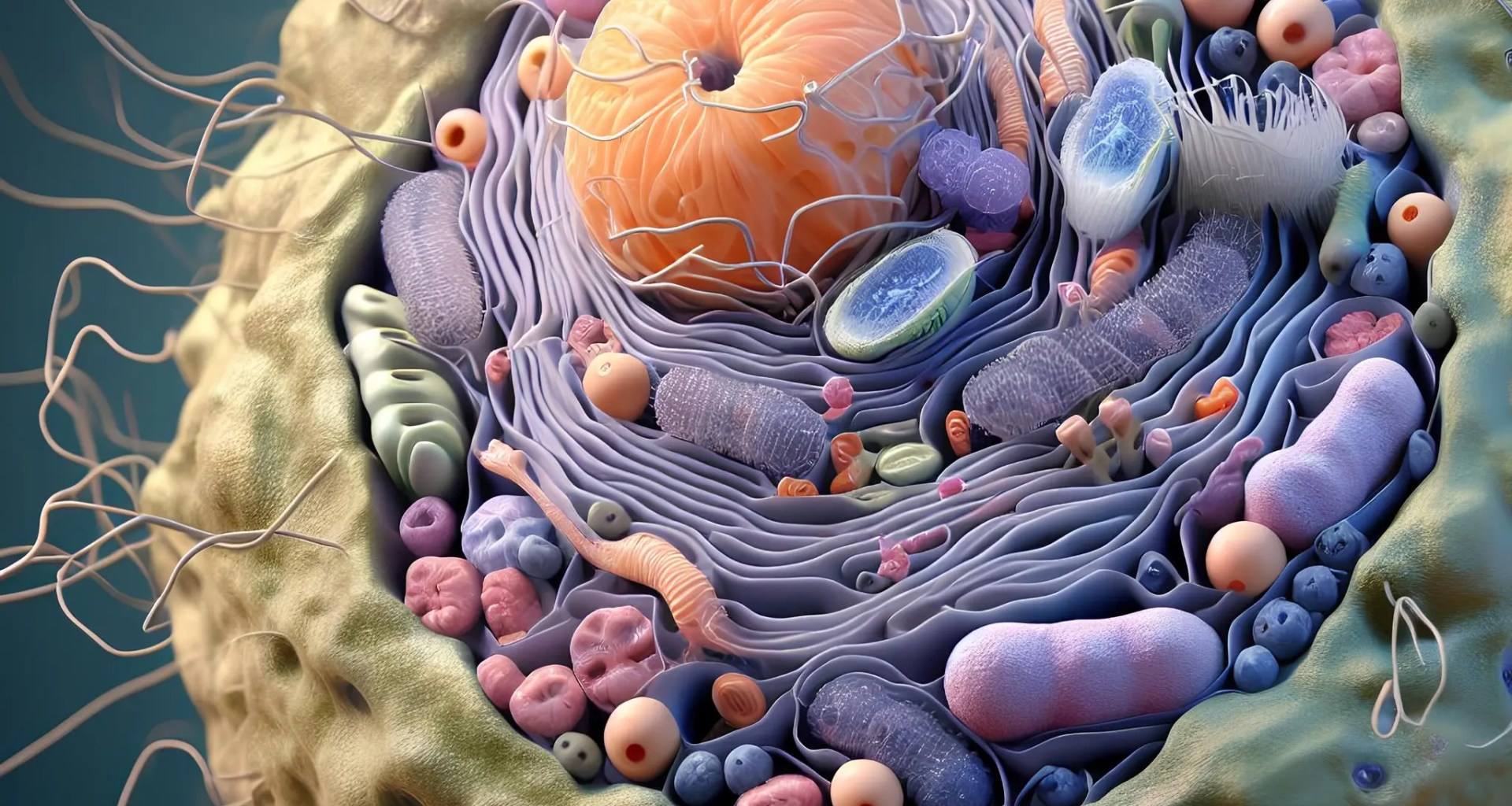
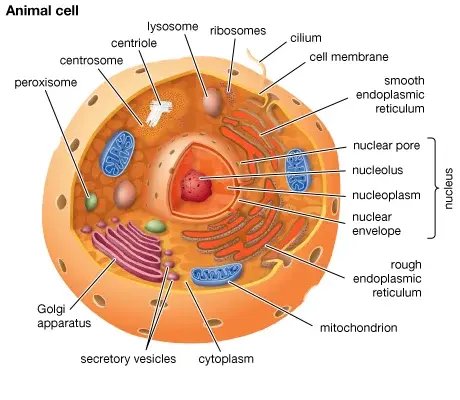
Eukaryotic cells represent the cornerstone of complex life forms and exhibit a profound level of organizational sophistication. These cells are distinguished by a well-defined, membrane-bound nucleus that houses their genetic material. Within this cellular domain, an array of membranous organelles, such as the endoplasmic reticulum, Golgi apparatus, mitochondria, and more, orchestrates diverse cellular functions. The presence of a cytoskeleton lends structural support and facilitates cellular motility, while the plasma membrane demarcates the cellular boundary.

Eukaryotic cells encompass a vast diversity of life forms, from single-celled microorganisms to multicellular organisms such as plants, animals, and fungi. The nucleus, a defining feature, encapsulates the genetic blueprint encoded in DNA. This genomic information guides complex processes, including gene expression, replication, and repair.
Eukaryotic cells also house various specialized organelles that execute distinct functions, each contributing to the cell’s overall physiology. For instance, the mitochondria are powerhouses of energy production, while the endoplasmic reticulum is central to protein synthesis and lipid metabolism.
This cellular complexity enables eukaryotic organisms to undertake a wide array of biological activities, from growth and development to responding to environmental stimuli. In essence, eukaryotic cells epitomize the remarkable cellular architecture underlying life’s intricate tapestry, fostering adaptability, differentiation, and the emergence of diverse life forms.
Characteristics of eukaryotic cell
Eukaryotic cells, in the realm of cellular biology, are distinguished by a set of defining characteristics that set them apart from their prokaryotic counterparts. These intricate and highly organized cells, constituting the building blocks of complex multicellular organisms, exhibit several hallmark features:
- Nucleus: The nucleus, enclosed within a double membrane, serves as the repository of genetic material in the form of linear DNA. This pivotal organelle orchestrates gene expression and houses the genetic information necessary for cellular functions.
- Membrane-bound organelles: Eukaryotic cells contain a multitude of membrane-bound organelles, including the endoplasmic reticulum, Golgi apparatus, mitochondria, and chloroplasts in plant cells. Each of these organelles has distinct functions, contributing to diverse cellular processes.
- Complex cytoskeleton: Eukaryotic cells are underpinned by a complex cytoskeleton composed of microtubules, microfilaments, and intermediate filaments. This intricate network provides structural support, facilitates intracellular transport, and enables cell motility.
- Compartmentalization: Eukaryotic cells exhibit compartmentalization, which involves the segregation of various cellular functions into distinct organelles. This allows for specialization and optimization of processes, enhancing cellular efficiency.
- Mitosis and meiosis: Eukaryotic cells engage in mitosis, enabling cell division for growth and tissue repair, and meiosis, which is vital for sexual reproduction. These processes ensure genetic diversity and accurate inheritance of genetic material.
- Endocytosis and exocytosis: Eukaryotic cells possess the ability to internalize extracellular substances through endocytosis and expel materials through exocytosis, essential for nutrient uptake, waste removal, and cellular communication.
- Linear chromosomes: Eukaryotic organisms feature linear chromosomes as opposed to the circular DNA characteristic of prokaryotes. This linear DNA is packaged into chromatin, a complex of DNA and histone proteins.
- Cell size: Eukaryotic cells tend to be larger and more structurally complex than prokaryotic cells, affording them the capacity to accommodate diverse organelles and perform a wider array of functions.
In essence, the defining characteristics of eukaryotic cells reflect their structural and functional complexity, allowing them to perform a wide range of intricate processes. These attributes have facilitated the evolution of multicellular life and underpin the remarkable diversity of eukaryotic organisms across the biosphere.
Eukaryotic cell structure
Eukaryotic cells, as the fundamental units of complex life forms, showcase a level of structural organization and compartmentalization that is unparalleled in the biological world. This intricate and highly specialized structure is essential for the execution of a wide spectrum of biological processes, allowing eukaryotic cells to adapt, respond, and thrive in diverse environments and conditions.
- Cell membrane: The cell membrane, often referred to as the plasma membrane, encases the cell in a phospholipid bilayer studded with various proteins. This semipermeable barrier serves as the cell’s first line of defense, governing the selective passage of molecules, ions, and nutrients in and out of the cell. It also participates in cell adhesion and signal transduction, making it a critical interface for cellular interactions.
- Cytoplasm: Within the cell’s boundaries lies the cytoplasm, a semi-fluid medium that encompasses all cellular organelles. It is primarily composed of cytosol, a gel-like substance containing water, ions, and a myriad of organic molecules. The cytoplasm is the stage for numerous intracellular processes and metabolic reactions.
- Cytoplasm: Within the cell’s boundaries lies the cytoplasm, a semi-fluid medium that encompasses all cellular organelles. It is primarily composed of cytosol, a gel-like substance containing water, ions, and a myriad of organic molecules. The cytoplasm is the stage for numerous intracellular processes and metabolic reactions.
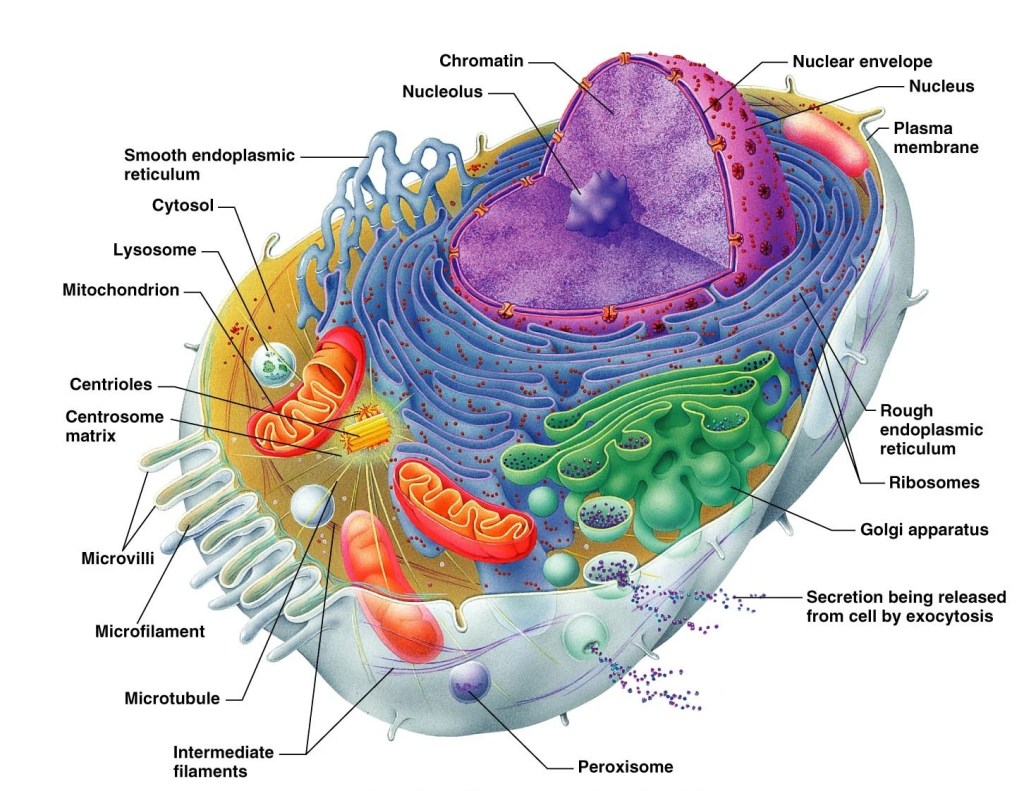
- Nucleus: Often referred to as the cell’s command center, the nucleus houses the genetic material in the form of chromosomes. It is the epicenter of genetic regulation and cellular control. The nucleus manages essential processes, including DNA replication, transcription, and the intricate orchestration of gene expression.
- Endoplasmic reticulum (ER): The ER is a membranous network of interconnected sacs and tubules responsible for protein synthesis, lipid metabolism, and the detoxification of drugs and poisons. It comes in two forms: the rough ER, adorned with ribosomes for protein synthesis, and the smooth ER, which plays a pivotal role in lipid metabolism.
- Golgi apparatus: Golgi apparatus, a cellular structure akin to stacked membranes, serves as a hub for processing and packaging proteins and lipids. It transforms, organizes, and dispatches these biomolecules within transport vesicles, directing them to their specific intracellular endpoints.
- Mitochondria: Often dubbed the cell’s powerhouse, mitochondria are the sites of cellular respiration, where energy in the form of adenosine triphosphate (ATP) is produced. Their double-membraned structure houses the electron transport chain, converting nutrients and oxygen into energy.
- Lysosomes: Lysosomes are membrane-bound vesicles filled with enzymes that facilitate the degradation of cellular waste, damaged organelles, and foreign invaders. They play a vital role in cellular recycling and waste management.
- Peroxisomes: These organelles contain enzymes crucial for lipid metabolism and the detoxification of harmful substances, such as hydrogen peroxide, via enzymatic reactions.
- Cytoskeleton: The cytoskeleton is an intricate network of microfilaments, microtubules, and intermediate filaments. It provides structural support to the cell, contributing to its shape and aiding in cellular locomotion, intracellular transport, and cell division.
- Vacuoles: In plant cells, vacuoles are large, membrane-bound organelles responsible for storing water, ions, and nutrients. They contribute to turgor pressure, maintaining cell rigidity. In some animal cells, smaller vacuoles are involved in intracellular digestion.
- Centrosome: The centrosome contains a pair of centrioles and is pivotal in organizing microtubules during cell division, ensuring the proper segregation of chromosomes.
- Nuclear envelope: Surrounding the nucleus, the nuclear envelope consists of a double membrane that separates the nucleus from the cytoplasm. It controls the passage of molecules between the nucleus and cytoplasm, thereby safeguarding the genetic material.
- Nucleolus: Housed within the nucleus, the nucleolus is responsible for ribosome production. It assembles ribosomal RNA (rRNA) and ribosomal proteins into functional ribosomes.
The structural complexity of eukaryotic cells, along with the multifaceted functions of their organelles, forms the foundation of biological processes. This intricate organization enables eukaryotic cells to perform an extensive array of tasks, ranging from energy generation to genetic regulation, making them the indispensable and versatile units of life within multicellular organisms. Their capacity for compartmentalization, regulation, and adaptability underscores the extraordinary complexity of life at the cellular level.
Cell cycle
The cell cycle within eukaryotic cells represents a highly orchestrated and precisely regulated series of events, meticulously divided into distinct phases, that culminate in cell division. This fundamental process, governed by a complex interplay of molecular mechanisms and checkpoints, ensures the faithful duplication of genetic material and the perpetuation of life.
The eukaryotic cell cycle comprises three primary stages:
Interphase: This extended phase is marked by cellular growth and preparation for division. It consists of three sub-stages: G1 (Gap 1), S (Synthesis), and G2 (Gap 2). During G1, the cell prepares for DNA replication. In the S phase, DNA synthesis occurs, resulting in the duplication of the genetic material. Finally, in G2, the cell undergoes additional growth and prepares for division.
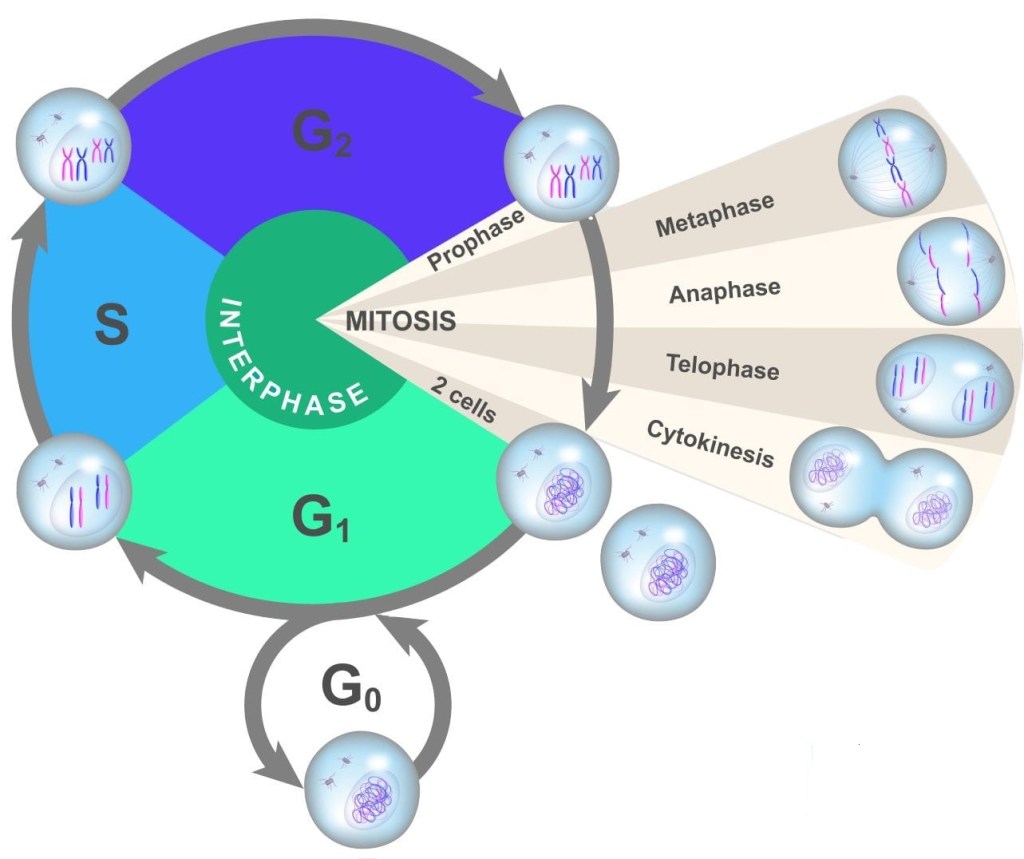
- Mitosis: The pinnacle of the cell cycle, mitosis is the phase wherein the nucleus divides, giving rise to two identical daughter nuclei. Mitosis is divided into distinct stages, including prophase, metaphase, anaphase, and telophase, each characterized by specific cellular events such as chromosome condensation, alignment at the cell’s equator, separation, and reformation of nuclear envelopes.
- Cytokinesis: Following mitosis, cytokinesis commences, leading to the physical division of the cell into two daughter cells. In animal cells, this typically involves the constriction of the cell membrane, leading to cleavage, whereas plant cells form a cell plate.
Integral to this process are checkpoints, stringent control mechanisms that monitor the cell’s progress, ensuring that DNA replication and repair have transpired accurately before permitting cell division. Dysregulation at these checkpoints can result in cellular dysfunction and potentially lead to diseases, including cancer.
In conclusion, the eukaryotic cell cycle serves as the foundation of growth, development, and tissue repair in multicellular organisms. Its meticulous orchestration, involving intricate molecular machinery, safeguards genetic integrity while perpetuating the diversity of life.
Eukaryotic cell vs. Prokaryotic cell
Eukaryotic and prokaryotic cells represent two fundamental paradigms in the realm of cellular biology, each distinguished by intricate structural and organizational disparities, reflecting their unique evolutionary trajectories and biological complexities.
Eukaryotic cells, comprising the cells of animals, plants, fungi, and protists, are characterized by a wealth of subcellular structures enclosed within a double-membraned nucleus, a defining feature. The presence of membrane-bound organelles, such as mitochondria, endoplasmic reticulum, Golgi apparatus, and lysosomes, underscores their metabolic diversity and functional specialization. Eukaryotic cells also encompass a dynamic cytoskeleton, fostering intracellular transport and maintaining structural integrity. The nucleocytoplasmic compartmentalization allows for precise regulation of gene expression, resulting in increased complexity and adaptability. Eukaryotic cells exhibit enhanced cellular diversity and exhibit the capacity for multicellularity, contributing to the formation of complex organisms.

Conversely, prokaryotic cells, comprising bacteria and archaea, exhibit a more minimalist and streamlined architecture. They lack a nucleus or membrane-bound organelles, encapsulating their genetic material in a singular, circular chromosome within the nucleoid region. Metabolic activities primarily occur in the cytoplasm, and ribosomes are present for protein synthesis. The absence of a complex cytoskeleton and organelles imparts structural simplicity to prokaryotic cells. They often exhibit small size and are predominantly unicellular, though they can form aggregates or biofilms, and their adaptability is underscored by their ability to thrive in diverse environments.
In conclusion, eukaryotic and prokaryotic cells serve as the foundational building blocks of life, each with its distinct structural and functional attributes, catering to the requirements of complex multicellular organisms and single-celled entities, respectively. This dichotomy in cellular organization is a testament to the remarkable diversity and adaptability of life on Earth.
Examples of eukaryotic cell
Eukaryotic cells, the fundamental building blocks of multicellular organisms, exhibit remarkable diversity and specialization, each tailored to serve specific functions within the intricate biological machinery. These cells encapsulate a wide array of specialized structures and processes, contributing to the remarkable complexity and adaptability of living organisms. Let’s delve further into some notable examples of eukaryotic cells and their functions:
- Neurons (Nerve cells): Neurons are unique eukaryotic cells that constitute the central nervous system. With elongated projections, axons, and dendrites, they facilitate the transmission of electrochemical signals, enabling the intricate network of communication within the nervous system. Neurons are the foundation of sensory perception, motor function, and cognitive processes.
- Cardiomyocytes (Heart muscle cells): Cardiomyocytes, the eukaryotic cells found in cardiac tissue, are distinguished by their remarkable contractile properties. Their coordinated contractions drive the rhythmic beating of the heart, ensuring the circulation of blood and oxygen throughout the body.
- Hepatocytes (Liver cells): The liver’s principal parenchymal cells, hepatocytes, are eukaryotic cells with an extraordinary range of functions. They excel at detoxification processes, the synthesis of proteins such as albumin and blood-clotting factors, the regulation of metabolic pathways, and the storage of essential nutrients.
- Adipocytes (Fat cells): Adipocytes are eukaryotic cells specialized in fat storage. They accumulate lipid droplets, serving as an energy reserve and contributing to insulation, protection of vital organs, and the regulation of various metabolic processes within the organism.
- Epithelial cells: Epithelial cells are eukaryotic cells that make up the linings of various body surfaces, including the skin, respiratory tract, and digestive tract. Their functions are diverse and vital, encompassing the provision of a protective barrier, the facilitation of nutrient absorption, the secretion of mucus and other substances, and contributing to the structural integrity of organs and tissues.
- Ovum (Egg cell): The ovum, or egg cell, is a critical eukaryotic cell involved in sexual reproduction. It carries one half of the genetic material required for the formation of a new individual. Upon fertilization, the fusion of the ovum and sperm initiates the development of an embryo.
- Leukocytes (White blood cells): Leukocytes represent a diverse group of eukaryotic cells fundamental to the immune system’s functioning. They include various cell types, such as lymphocytes, neutrophils, and monocytes, each with distinct roles in immune responses, including pathogen recognition, antibody production, and phagocytosis.
- Osteocytes (Bone cells): Osteocytes are eukaryotic cells residing within bone tissue. They play a pivotal role in bone formation, remodeling, and mineral homeostasis. By orchestrating the intricate processes of bone metabolism, osteocytes contribute to the maintenance of skeletal integrity.
These examples underscore the extraordinary diversity and specialization of eukaryotic cells, each tailored to perform specific tasks essential for the well-being of multicellular organisms. Their specialization is a testament to the elegance of cellular biology and the intricate web of functions that sustain life in all its complexity.
Eukaryotic cells, with their cellular symphony of organelles, DNA, and complex processes, define the intricate biology of life. From the tiniest of yeast cells to the multifaceted human cells, they are the architects of diversity in the living world. As we explore their structural marvels, molecular complexities, and diverse examples, we uncover the boundless potential of eukaryotic cells. They are not only the building blocks of life but also the enablers of the astounding complexity and diversity that make our planet’s biosphere a vibrant and dynamic tapestry of existence.
Resources
- BOOK Alberts, B., Johnson, A., Lewis, J., Morgan, D., Raff, M., Roberts, K., & Walter, P. (2014). Molecular biology of the cell. Garland Science.
- BOOK Berk, A., Kaiser, C. A., Lodish, H., Amon, A., Ploegh, H., Bretscher, A., Krieger, M., & Martin, K. C. (2016). Molecular Cell Biology. Macmillan Learning.
- BOOK Cooper, G. M. . H., & Hausman, R. E. (2019). The cell: A Molecular Approach. Oxford University Press.
- BOOK Nelson, D. L., & Cox, M. M. (2017). Principles of Biochemistry (7th ed.). W. H. Freeman.
- BOOK Becker, W. M., Kleinsmith, L. J., & Hardin, J. (2003). The world of the cell. Benjamin-Cummings Publishing Company.


