



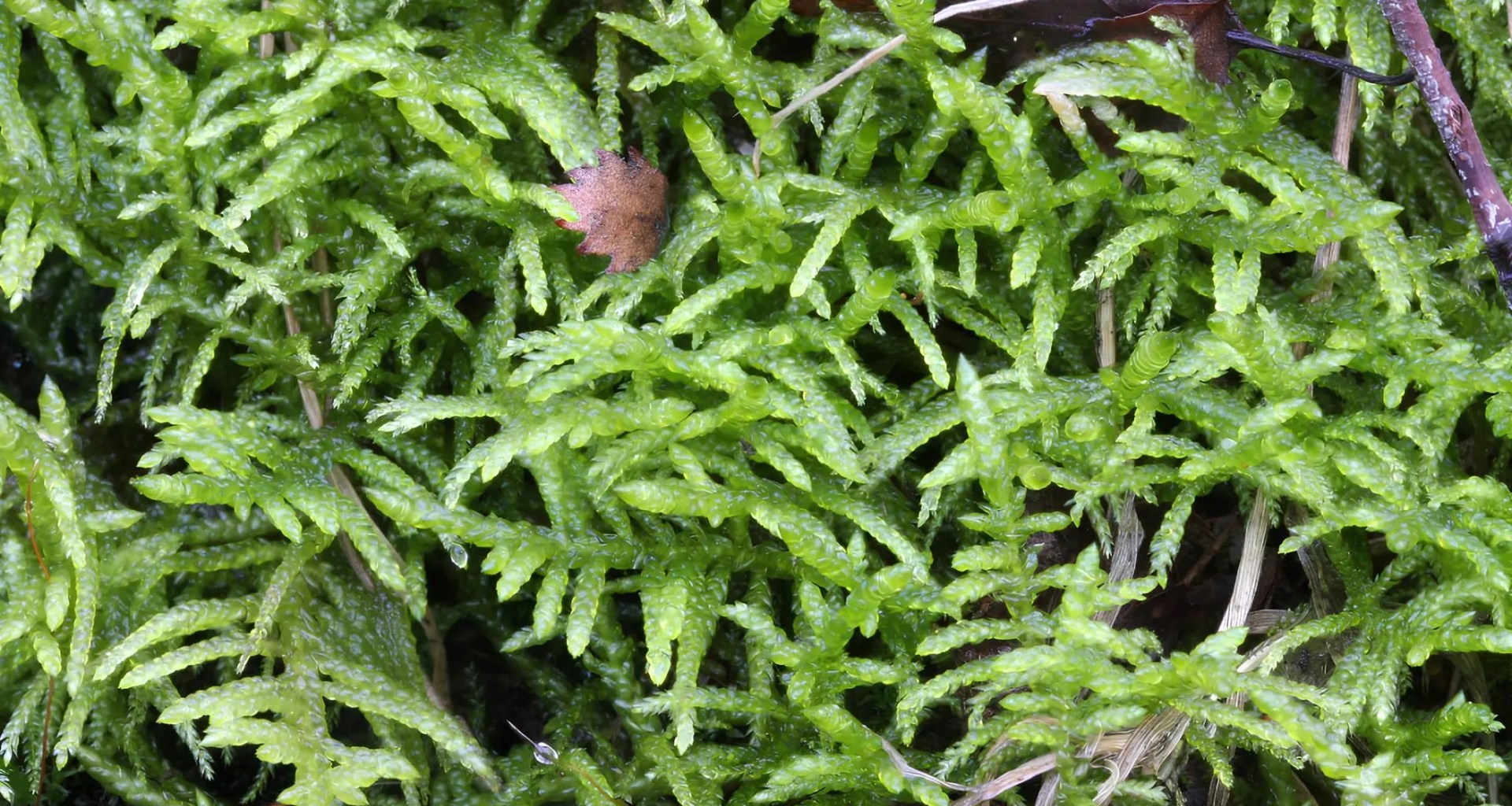
In a groundbreaking study recently published in the journal PNAS, an international team of researchers has brought to light a striking genetic phenomenon within lycophytes, plants closely related to ferns and recognized as among the oldest land plants. The research reveals an extraordinary level of genetic stability in these plants, maintaining a consistent genetic structure for an astonishing 350 million years—a departure from the typical genetic evolution observed in plant species.
Dr. Fay-Wei Li, a professor at the Boyce Thompson Institute and a senior author of the study, notes the unique characteristic of lycophytes—the remarkably slow pace of their genomic evolution. Unraveling the reasons behind this limited genetic change could provide crucial insights into the broader realms of plant evolution and genetics.
The study focused on homosporous lycophytes, a category of seedless vascular plants renowned for their exceptional genomic stability. By sequencing the genomes of two species, Huperzia asiatica and Diphasiastrum complanatum, which diverged from a common ancestor approximately 350 million years ago (around the time when amphibians first transitioned to terrestrial environments), the researchers made a surprising discovery. About 30% of the genes in these species have maintained the same arrangement since their divergence, showcasing an unusual evolutionary pattern termed synteny.
Dr. Li Wang, a co-author of the study, describes the significance of the research, highlighting how it offers a unique glimpse into the past by showcasing the remarkable genetic stability of these plants. He likens the findings to encountering a living fossil at the genetic level, underlining the rarity of such stability in the dynamic world of genetics.
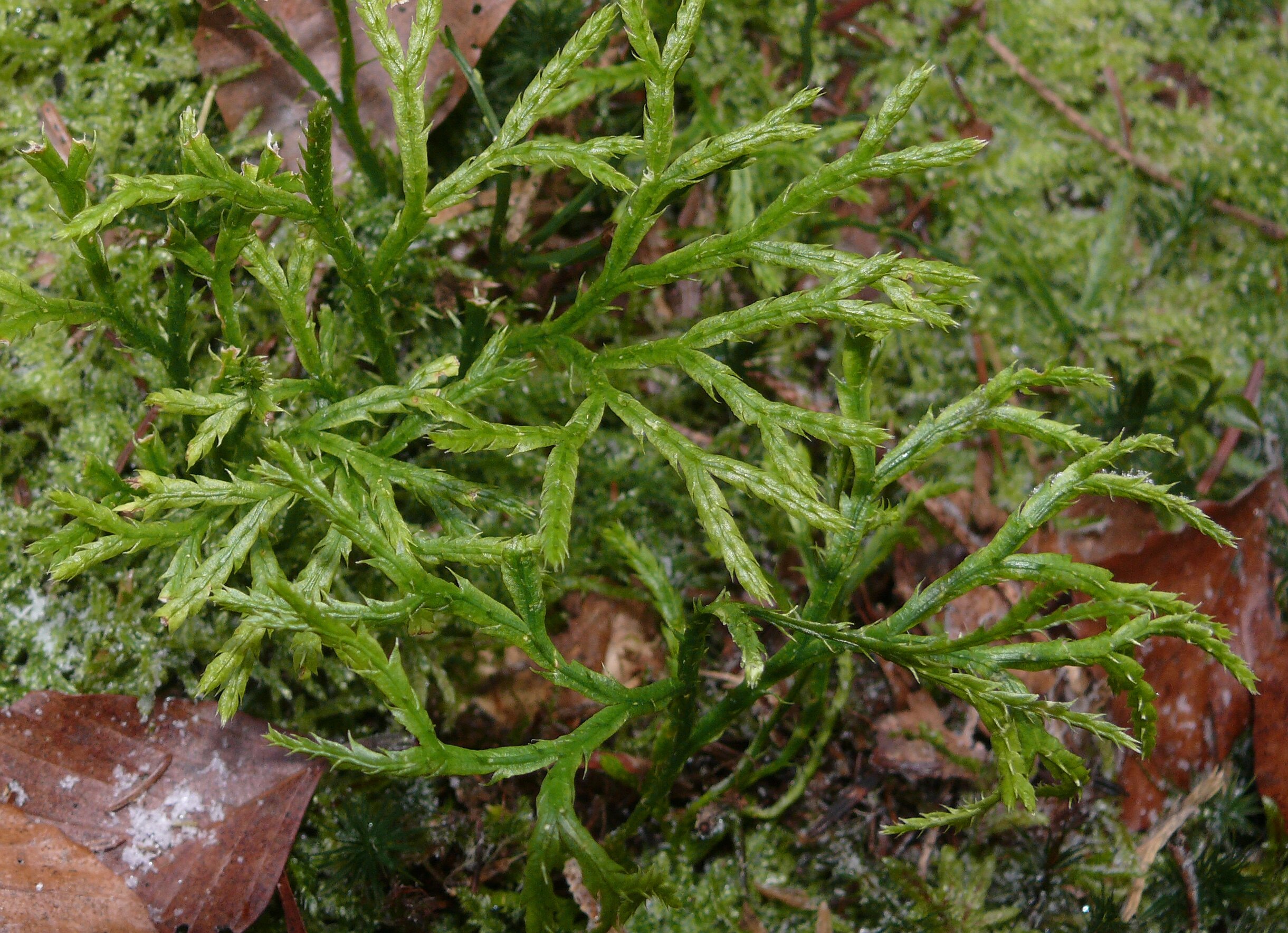
The study also unraveled an intriguing observation related to the retention of duplicated gene copies in homosporous lycophytes following whole genome duplication events. Dr. David Wickell, a post-doctoral researcher and co-first author, sheds light on the rarity of this phenomenon. Typically, duplicated genes evolve new roles, but the majority are swiftly lost through diploidization. However, the research team discovered that homosporous lycophytes often preserved both sets of genes with relatively minimal alterations, even after hundreds of millions of years of evolution.
This unexpected preservation of duplicate genes challenges conventional notions of how genomes reorganize themselves post-large-scale duplication. According to Wickell, the remarkable retention of duplicate genes and synteny in homosporous lycophytes is both fascinating and somewhat surprising, prompting a reevaluation of traditional ideas about genome evolution.
The findings underscore the importance of further investigating homosporous plants, offering potential insights into plant genetics and evolution across all land plants. It also emphasizes the critical role of preserving biodiversity, as these plants provide valuable clues to the intricate history of life on Earth.
Resources
- ONLINE NEWS Boyce Thompson Institute. (2024, January 19). A window into plant evolution: The unusual genetic journey of lycophytes. Phys.org. [Phys.org]
- JOURNAL Li, C., Wickell, D., Kuo, L.-Y., Chen, X., Nie, B., Liao, X., Peng, D., Ji, J., Jenkins, J., Williams, M., Shu, S., Plott, C., Barry, K., Rajasekar, S., Grimwood, J., Han, X., Sun, S., Hou, Z., He, W., Dai, G., Sun, C., Schmutz, J., Leebens-Mack, J. H., Li, F.-W., & Wang, L. (2024). Extraordinary preservation of gene collinearity over three hundred million years revealed in homosporous lycophytes. Proceedings of the National Academy of Sciences, 121(4), e2312607121. [PNAS]
Cite this page:
APA 7: TWs Editor. (2024, January 19). The Unique Evolutionary Path of Lycophytes in Plant History. PerEXP Teamworks. [News Link]


