






Multiple reporting outlets indicate the production budget for Gears of War: E-Day reached $500 million before factoring in marketing spending, making the prequel one of the costliest games ever produced by Microsoft [1]. Ethan Gach of Kotaku broke the story after consulting with a source familiar with Xbox business, and Chris Dring of The Game Business corroborated that his industry contacts confirmed the figure [2]. The reported Gears E-Day budget puts the spotlight on whether an exclusive release can ever break even when early retail sales look modest [4].
Reported Gears E-Day Budget Exceeds Half a Billion Dollars
Budget rumors around the third-person shooter first surfaced in June after Microsoft showcased early gameplay during its summer presentation. Tom Henderson of Insider Gaming said spending exceeded $400 million [1]. Jez Corden of Windows Central pushed back, arguing that the estimate looked inflated because The Coalition spends engineering hours assisting other studios across Xbox [2]. But Kotaku reported that internal figures climbed higher still, with a source familiar with Xbox business putting the development bill above $500 million before marketing costs entered the ledger. Microsoft didn’t reply to requests seeking comment on the cost [1].
Chris Dring backed the report soon after Kotaku published the numbers. “Yes, so this, from what I’m told, is very true. $500 million. Unbelievable,” Dring said [2]. The reported Gears E-Day budget exceeds reported spending for other console releases, including Sony’s Marvel’s Spider-Man 2. It raises difficult questions about how big-budget games can stay solvent [1].
At a standard $69.99 retail price, the game would need more than 7 million full-price sales just to match its reported budget in total gross receipts [2]. Adding platform deductions and retail fees pushes that target near 10 million copies. By comparison, Gears of War 2 sold 6.75 million copies over its run as the top-selling entry in franchise history. Reaching that total looks tough when it isn’t sold on PlayStation consoles [3].
Studio Spending and Allocation Questions
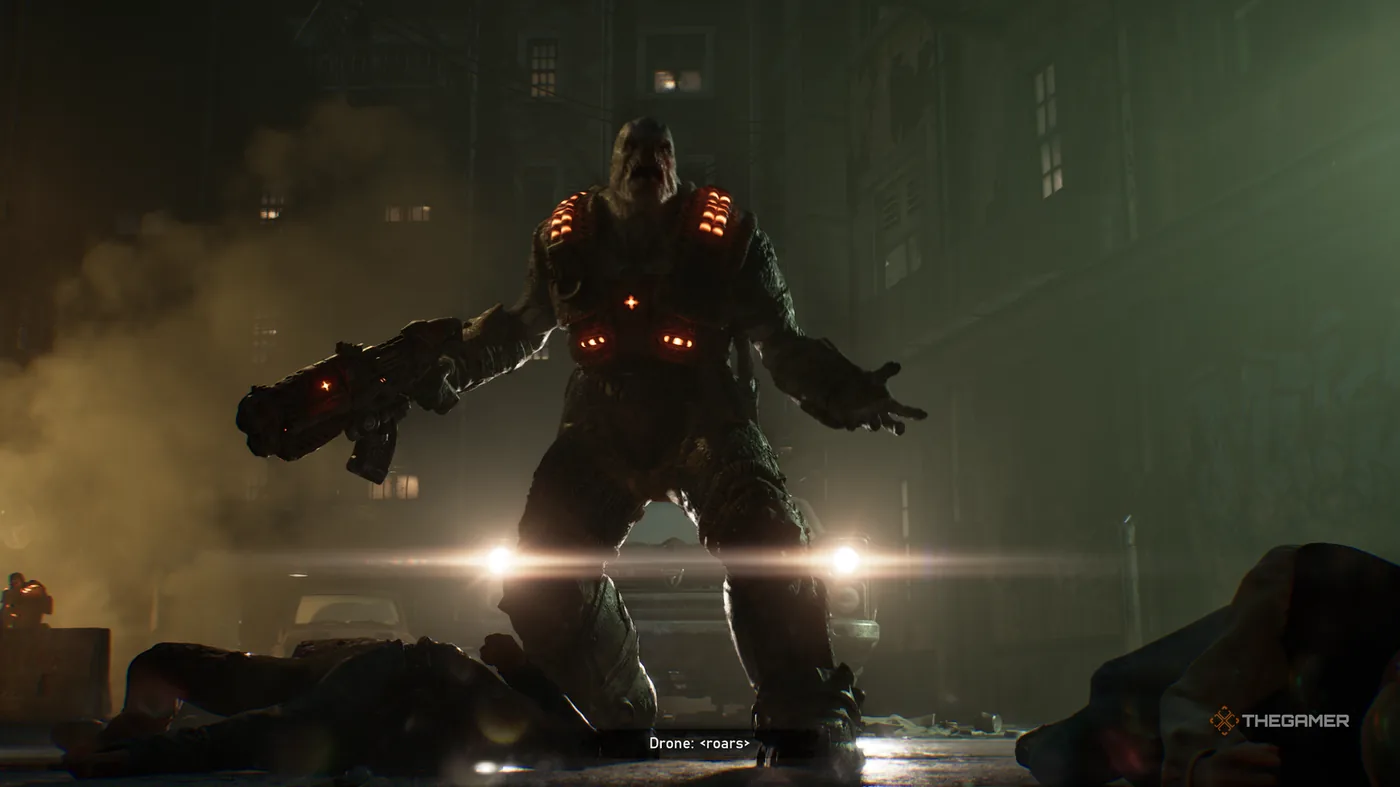
Much of the expense traces back to The Coalition’s studio headquarters in Vancouver. Vancouver ranks among Canada’s priciest cities, where tech salaries and high rents steadily compound over multi-year cycles. Prior to shipping the new release on October 6, the Canadian team hadn’t produced a full game since Gears 5 back in 2019 [2].
Jez Corden pointed out that line items between individual games and other studio work often blur together. “They ain’t wrong on the figure, but there seems to be some disagreement among my sources about how that figure was allocated between E-Day and general The Coalition operations/ATG contributions,” Corden said. The Vancouver studio regularly assists other Xbox Game Studios teams with Unreal Engine 5 development through the Xbox Advanced Technology Group. Furthermore, the team canceled a smaller unannounced project several years ago, which may have rolled sunk costs into the final ledger. That makes it hard to pinpoint how much money went into gameplay code [2].
Developers at The Coalition maintain that custom tools in Unreal Engine 5 will speed up future sequels. Outside gaming, Netflix is funding both a live-action feature film and an animated series set during the Emergence Day storyline, proving Microsoft still values the wider brand even when individual game receipts struggle to cover half a billion dollars in production costs. More adaptations may follow [4].

Launch Numbers and Revenue Shortfalls
Market data shows retail sales running far below what Microsoft needs to break even. Sales tracking from Alinea Analytics indicated Gears E-Day sales reached 230,000 copies on PC and Xbox devices during its opening week on sale. On Steam, it moved fewer than 100,000 units while Valve took its standard 30% cut [1].
Direct retail sales earned roughly $37 million in gross revenue, equaling just 7.4% of the reported development budget [3]. Subscription figures provide more volume but bring little added revenue. Around 1.7 million subscribers played the shooter through Xbox Game Pass shortly after release, and GameSpot reported that total player counts soon neared 2 million [4]. But only 722,000 of those players bought the $30 Premium Edition Upgrade to play four days early [3]. That upgrade generated welcome cash, yet it left the release tens of millions of dollars away from recovering its outlay. The math looks daunting for any single studio release [1].
Player turnout also lags behind older franchise benchmarks despite positive reviews. When Gears 5 launched in 2019, Microsoft announced that 3 million players joined during the first week, doubling numbers from Gears of War 4 and setting a record since Halo 4 in 2012 [1]. The new prequel holds an 85 critic average on OpenCritic with an 89% recommendation score [3]. But high review scores haven’t sparked the rush of buyers needed to balance the books [1].
Xbox Exclusivity and the Gears E-Day Budget
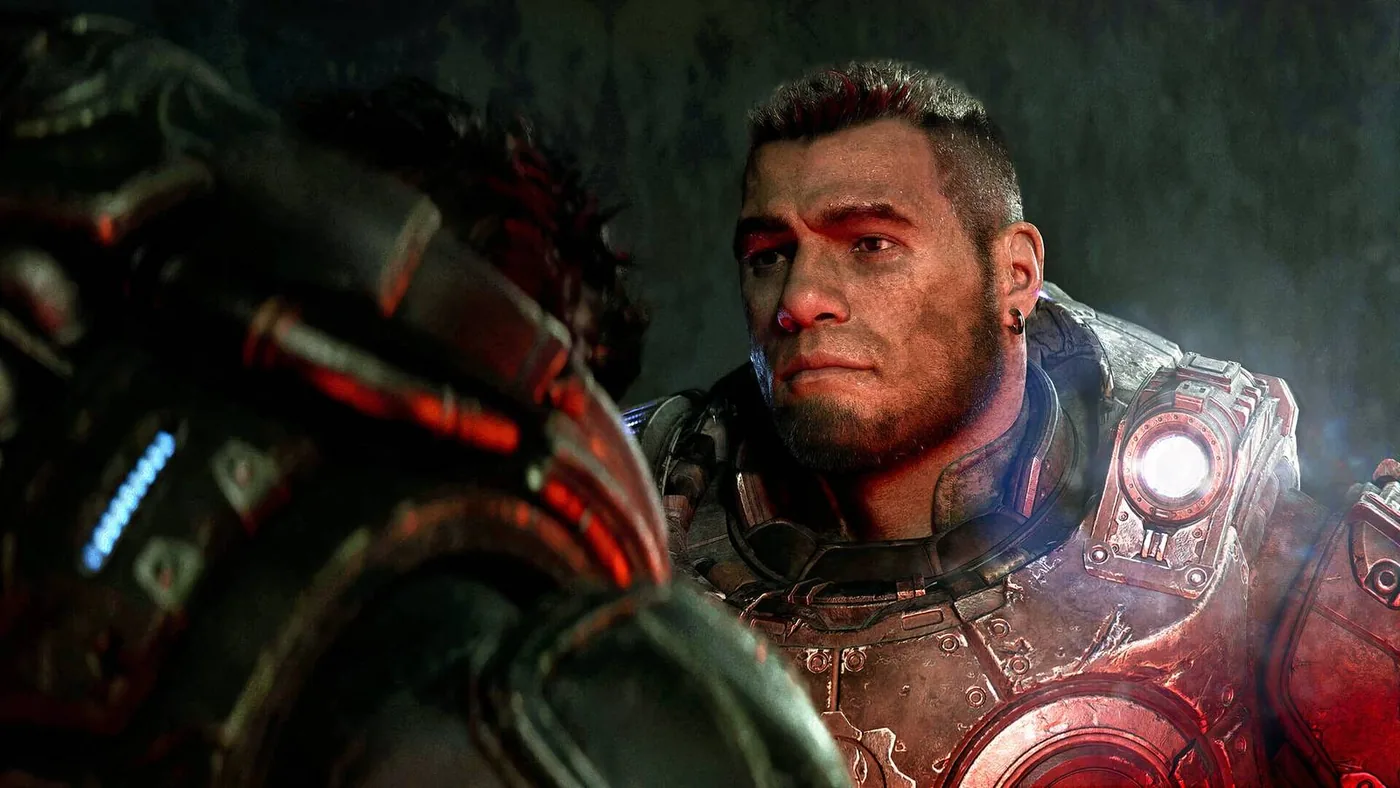
Microsoft’s decision to bypass rival consoles makes recouping the budget even harder. Early promotional slides indicated the company planned a PlayStation 5 edition before canceling it shortly before launch [4]. Ex-PlayStation executive Shawn Layden called Xbox’s shifting stance a “Dreamcast moment” that forces hard platform choices. “Either you’re going to be a platform competitive with PlayStation, which Xbox has not been competitive with PlayStation for years, but that’s not out the window,” Layden said [1].
Industry analyst Mike Futter questioned the financial logic of locking major games to one console ecosystem. “Exclusivity on console games simply does not make sense right now,” Futter said, arguing that even smaller production budgets struggle without broader distribution [4]. Still, revenue math suggests a Sony release wouldn’t have bridged the budget gap on its own. Gears of War: Reloaded sold 684,000 copies on PS5, bringing in roughly $33 million after fees [1]. Matching those sales at full price might have doubled early receipts to $70 million, but that would still cover only 14% of the reported Gears E-Day budget [3].
Xbox CEO Asha Sharma wants to restore signature exclusives after Phil Spencer and Sarah Bond supported multiplatform releases [4]. Kotaku revealed that a recent Xbox survey polled multi-device owners on how they would react if franchises like The Elder Scrolls and Fallout stayed exclusive. Microsoft also pushed Forza Horizon 6 on PS5 back to January 2027 to protect holiday console engagement [1].
Layoff Concerns at The Coalition
Mounting costs have fueled anxiety about employment inside the Vancouver studio. Eurogamer reported that developers at The Coalition worried about losing their jobs well before the game launched. Unease grew after narrative director Juan Vaca was laid off shortly after celebrating the game going gold. That abrupt departure shook confidence within the remaining team [2].
Workplace worry also focuses on Metacritic review bonuses scheduled for payout near the end of October. Studio developers were allegedly eligible for extra pay based on review scores, but company rules called for continued employment when payments cleared. Because staff feared dismissals before November could cost them bonuses earned by delivering high review marks, uncertainty left morale on edge while developers waited for corporate decisions on staffing. The wait created quiet frustration [2].
The predicament facing The Coalition illustrates the growing strain on developers based in pricey metropolitan centers where living expenses continue to rise. With Xbox Game Pass producing almost $5 billion in recurring revenue every year, sinking 10% of that total into a single release carries serious financial exposure for the division [4]. Unless a game has the cultural reach of Grand Theft Auto 6, spending $500 million before marketing creates financial hurdles that standard sales can’t easily clear [3]. As gaming platforms rethink multiplatform strategies and rising development costs, the Gears E-Day budget will stand as a prime test of how far console exclusivity can be pushed in today’s market [1].
- ONLINE NEWS Gach, E. (2026, October 22). The Case for Exclusivity When Gears of War: E-Day Cost Over $500 Million to Make. Kotaku. [Article Link]
- ONLINE NEWS Palumbo, A. (2026, October 22). Gears of War: E-Day Reportedly Cost Over $500 Million Before Marketing, as Xbox Layoff Fears Loom Over the Canadian Studio. Wccftech. [Article Link]
- ONLINE NEWS Lucas, J. (2026, October 22). Gears of War: E-Day Apparently Cost Even More Than $400 Million. TheGamer. [Article Link]
- ONLINE NEWS GameSpot. (2026, October 22). Gears of War: E-Day Cost Half a Billion to Make, Apparently. GameSpot. [Article Link]
- ONLINE NEWS Push Square. (2026, October 22). Gears of War: E-Day, Cancelled Last-Minute for PS5, May Have Cost Half a Billion to Make. Push Square. [Article Link]


