



Democratic US Representative Ritchie Torres brought a new federal bill to Congress this week to secure video game ownership for buyers. The Verge reported that the proposal directs the Federal Trade Commission to set rules that stop studios from treating game sales as revocable digital permits [1]. When game makers pull server support today, full-priced downloads turn into dead software without any refund [6]. Rep. Torres argued that players deserve lasting property rights instead of temporary access passes that vanish whenever a company shuts off the power [1].
Video Game Ownership Under the FTC
The draft bill targets the industry shift away from boxed discs toward download stores where makers hold total power over player accounts. Destructoid reported that the Federal Trade Commission would enforce clear rules ensuring that buying a game confers genuine consumer ownership rather than a temporary license to play it. Rep. Torres announced the plan in NY-15 Bronx, borrowing the slogan made famous by GameStop to highlight player rights. Families save up household earnings to purchase these releases and shouldn’t face the unexpected loss of access when a gaming firm walks away from its servers [2].
Torres delivered a blunt critique of digital sales during his public rollout. “When you pay for a game, you should own it,” Torres said in a press release. “Consumers must have the right to own, the right to play, and the right to transfer the games they buy. A game that can be taken away the moment a company pulls the plug is not a purchase. It is a rental disguised as a sale.” In his view, buyers need firm legal standing so their paid games can’t simply vanish into thin air [2].
Digital shops haven’t built transfer tools. Steam doesn’t allow account transfers even between parents and children. Kotaku revived its Kotaku Asks open thread series, urging fans to tell their own stories about losing access when online services go dark [3].
Mandatory Offline Modes
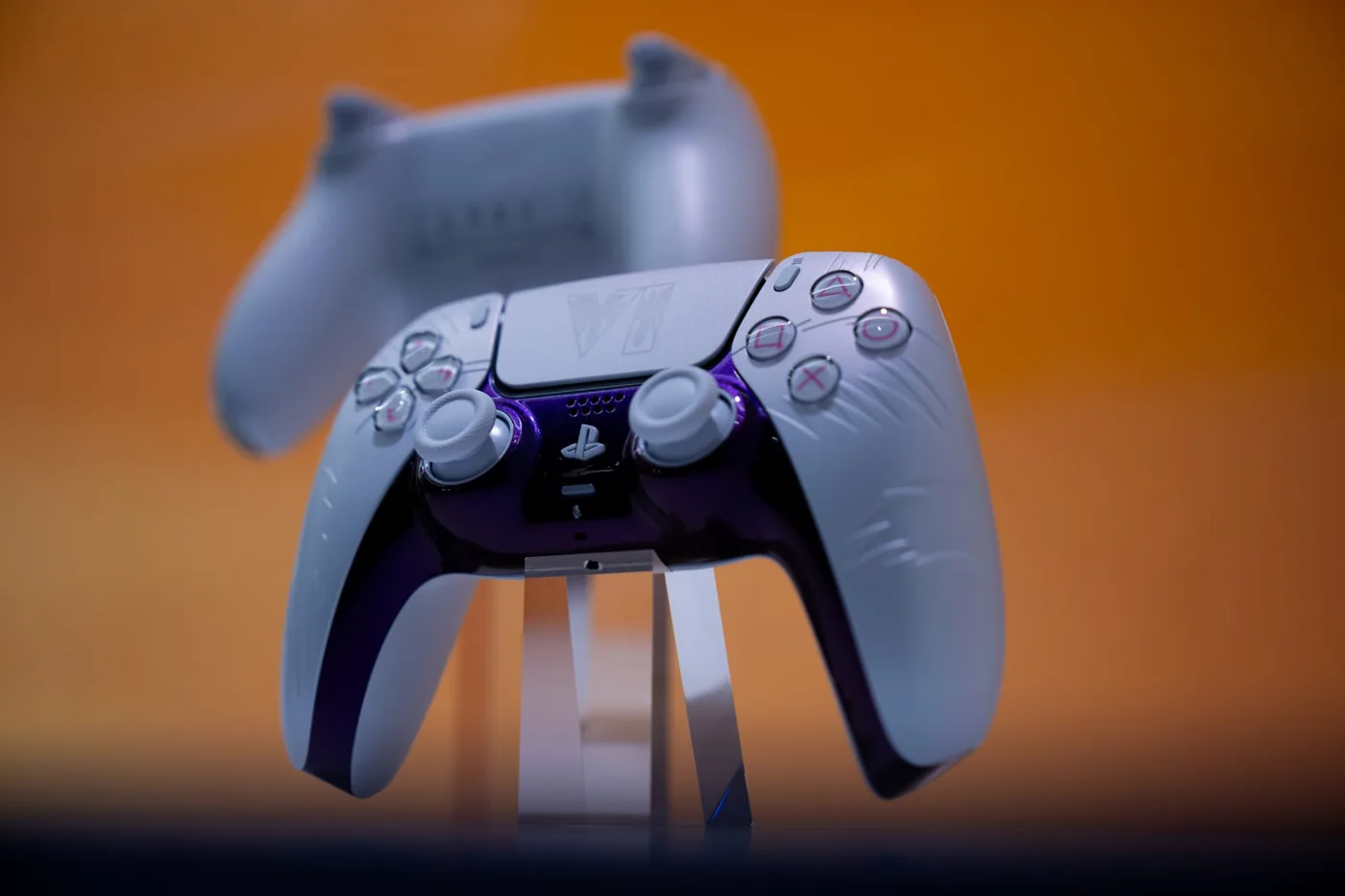
The main rule in the bill requires studios to build a working offline patch before taking down web servers [1]. Today, many releases rely on central servers even for solo modes, so ending support kills the entire game [5]. Torres pointed to NBA 2K25 from 2K Sports as a live example of the problem [1]. The game debuted at $69.99 for basic access and reached $99.99 for its All-Star release. Yet 2K Sports plans to delist the game on October 30, 2026, and pull server plugs on December 31, 2026, shutting down main modes just two years after launch. Buyers who spent top dollar will lose access to modes they paid to enjoy [4].
Server cutoffs have triggered broad pushback from gamers across the globe. YouTuber Ross Scott started the Stop Killing Games campaign in 2024 after French publisher Ubisoft removed The Crew from accounts and cut server access. More than 1.3 million verified European citizens signed a petition that advanced to formal testimony before the European Parliament. Scott proved that players won’t sit by while their paid libraries vanish [4].
Multiplayer games raise tricky technical issues when official company servers shut down for good. Observers at Kotaku discussed whether multiplayer games could adopt peer-to-peer (P2P) networking so independent player groups could host their own matches long after commercial support ends without adding costs for publishers. That approach could keep games alive without company costs [3].
State Battles in California and Pennsylvania
Federal action follows earlier pushes by state lawmakers seeking to protect digital buyers. In California, Assembly Member Chris Ward authored Assembly Bill 1921 (AB 1921), called the Protect Our Games Act. That bill ordered makers to give players a 60-day warning before turning off server support. It also required studios to supply an offline patch or pay a cash refund when servers shut down [4].
The California State Assembly passed AB 1921 with a strong 43-to-16 vote in 2026. But the bill died in the California State Senate after heavy lobbying from the Entertainment Software Association (ESA), which represents major video game publishers across the country [4].

State Sen. John Kane stepped forward in Pennsylvania to propose his own version of the Protect Our Games Act. Under Kane’s bill, studios must pick one of three paths when closing an online title: provide an offline mode, offer an independent server option, or pay buyers a minimum 25 percent refund. This state framework gave Rep. Torres a clear model to borrow for his federal text [1].
Why Video Game Ownership Faces Industry Pushback
Turning the idea of video game ownership into enforceable technical requirements isn’t easy for development studios, platform holders, or the regulatory agencies tasked with monitoring digital commerce. Many current games use complex cloud networks, live matchmaking setups, and web check-ins that can’t easily run as standalone files on local PCs [3]. Store owners also say that forced transfer rights would hurt digital game sales. Storefront GOG sells DRM-free files that let players keep offline copies, but console networks use locked rights systems to protect sales. Platform holders argue that rewriting user agreements to grant full property rights would disrupt established digital store models that have operated for over two decades [4].
Buyer worry grew deeper when console makers began backing away from physical game discs. Sony revealed that it will end physical PlayStation disc production starting in 2028, pushing its entire platform toward a digital setup. The move sent fans back to check old statements about digital game ownership to see how long their digital libraries might survive. If disc drives disappear, console owners lose their main shield against store removals [2].
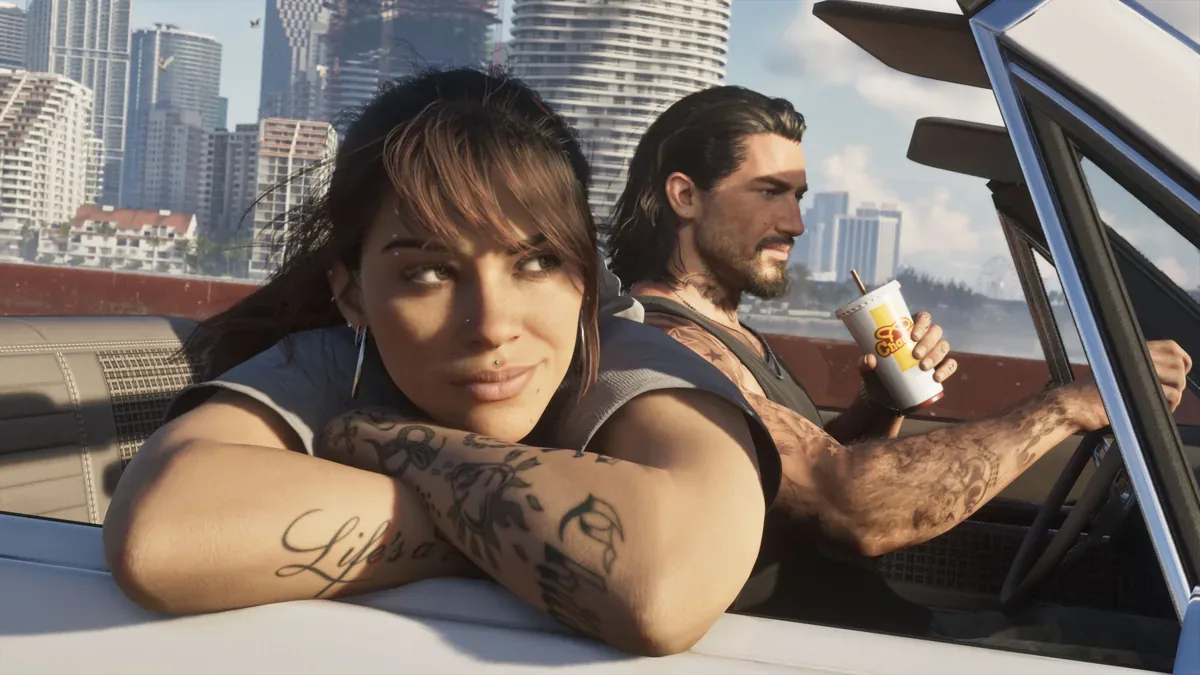
Player fears spiked again when Rockstar Games announced that Grand Theft Auto 6 won’t have a physical disc edition [4]. If PSN servers ever shut down decades from now, will PlayStation players still be able to run the digital games they spent hundreds of dollars to buy [3]? Without physical discs, losing online access turns game purchases into temporary rentals that firms can wipe out at will [4].
Next Steps in Congress
The Power to the Players Act faces steep odds in Congress, where consumer tech bills often gather dust. The bill hasn’t picked up any official cosponsors yet, and House leaders haven’t set dates for committee hearings or floor votes [4]. Rep. Torres introduced the text while running for reelection in NY-15 Bronx, leading political commentators and consumer advocates to question whether the announcement represents standard campaign messaging or a lasting legislative commitment to protect digital buyers [2]. Yet loud public anger over delisted games gives the bill strong grassroots support [4].
Software rights have also become a talking point in global politics. Earlier this year, French presidential candidate Jean-Luc Mélenchon spoke out against digital licensing arrangements, expressing frustration that players spend significant money on software without securing true property rights. Mélenchon voiced anger that people pay full price for games but don’t get the legal rights that come with real property [2].
Rep. Torres confirmed that the Power to the Players Act focuses solely on video games, leaving digital films, music tracks, and e-books under existing store terms for now. He told Kotaku that he hopes setting rules for games can create a model for other digital goods down the road [4]. Financial outlet IntellectiaAI tracked the introduction of the bill, noting that consumer ownership rights could change the market impact of server shutdowns [6]. Until federal lawmakers pass the bill, players must rely on terms of service that treat every game purchase as a loan rather than an enduring acquisition that belongs to the buyer [1].
- ONLINE NEWS O’Brien, T. (2026, October 18). Video game ownership bill introduced in Congress. The Verge. [Article Link]
- ONLINE NEWS Duwe, S. (2026, October 16). New York congressman joins fight for video game ownership with ‘Power To The Players Act’. Destructoid. [Article Link]
- ONLINE NEWS Gach, E. (2026, October 16). How Should Video Game Ownership Work In An All-Digital Future?. Kotaku. [Article Link]
- ONLINE NEWS Smith, M. (2026, October 16). Power to the Players Act: Congress Is Finally Stepping In to Fix Digital Game Ownership. Gaming ProMax. [Article Link]
- WEBSITE OneSourceIT. (2026, October 18). Video game ownership bill introduced in Congress. OneSourceIT. [Article Link]
- WEBSITE IntellectiaAI. (2026, October 18). Congress Introduces Bill on Video Game Ownership. IntellectiaAI. [Article Link]


