



The intricate dynamics of trophic ecology, the study of the food chain, come to the forefront in Tenerife, Canary Islands, where feral cats have undergone a significant dietary shift since 1986, posing threats to native species. A research study conducted by scholars from the Universidad de La Laguna in Tenerife, titled “Shifts in the trophic ecology of feral cats in the alpine ecosystem of an oceanic island: implications for the conservation of native biodiversity,” sheds light on this transformative trend, published in Mammal Research.
Feral cats, known for their impact as formidable predators, play a role in shaping the food web on Tenerife. Historically, their diet consisted primarily of rabbits, mice, rats, and native birds and reptiles. However, the recent shift in dietary composition raises concerns for the island’s biodiversity.
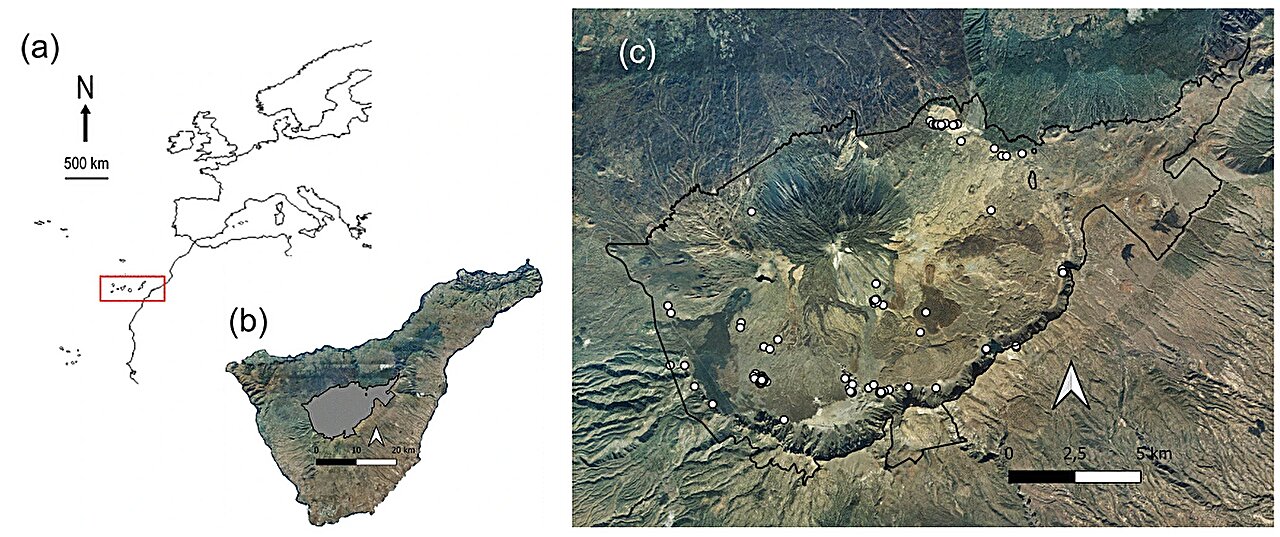
The Canary Islands, situated within Macaronesia in the North Atlantic Ocean, form a volcanic archipelago with diverse ecosystems, ranging from sandy coastal areas to cloud forests, pine forests, and alpine scrub at the highest altitudes. Tenerife, the largest island, stands out for its extreme climate conditions and harbors unique endemic species vulnerable to the impacts of climate change and the presence of introduced non-native species, including feral cats.
Globally, free-ranging cats have been identified as significant threats to various ecosystems, with island environments particularly susceptible to their predatory impact. A 2011 study attributes 14% of known extinctions of island birds, mammals, and reptiles to predatory cats. The alpine scrub areas on Tenerife, characterized by limited populations and ranges, are especially at risk, highlighting the potential consequences of climate change and the introduction of non-native species.
Understanding the evolving trophic dynamics of feral cats on Tenerife becomes crucial for conservation efforts, as the interplay between predators and native species can have far-reaching implications. This research underscores the delicate balance in island ecosystems and the importance of proactive conservation measures to mitigate the threats posed by introduced species.
Feral cat diet patterns in the Canary Islands
Previous studies in the Canary Islands have consistently revealed that feral cats (Felis catus) primarily target introduced mammals, such as rabbits (Oryctolagus cuniculus), mice, and rats, along with native birds and reptiles. A noteworthy 2021 study conducted in the Montaña de Guaza region of Tenerife showcased a shift in the dietary composition of feral cats over the past 15 years. This shift was characterized by an increase in the consumption of native reptiles (11.5%, up from 3.6%) and native birds (39%, up from 2.4%), while the consumption of rabbits decreased significantly (30.3%, down from 62.4%).
Building on these findings, the latest research endeavors to explore whether feral cats across various regions of Tenerife have undergone a comparable dietary transformation over a more extensive timeframe of 35 years. The researchers concentrated their 2021 fieldwork in El Teide National Park, an area known for its alpine scrub environment. Here, they meticulously analyzed 301 scat samples from feral cats, comparing the data with earlier records to discern patterns and changes in their dietary preferences over time. This comprehensive investigation aims to provide a holistic understanding of the evolving trophic dynamics in different regions of the island and their potential implications for native species.

Within the studied locale, researchers identified a substantial decline in the rabbit biomass found in feral cats’ droppings over the years. In 1986, rabbits constituted a significant 73% of the cats’ rabbit consumption, but by 2021, this percentage had dwindled to 53.9%. The diminished rabbit presence is attributed to factors like the rabbit hemorrhagic disease virus (RHDV) and its variant, RHDV2. In quantitative terms, the cats’ consumption of rabbits in 2021 had dropped to about half of the 1986 levels.
Comparing these findings to historical data, the researchers highlight that the recorded values represent the lowest ever documented for cat diets in high mountain scrubland across Macaronesian islands. Furthermore, these figures rank among the lowest recorded for the Canary Islands as a whole.
The ecological ramifications of this shift in dietary patterns become pronounced as feral cats compensate for the reduced rabbit intake by increasing their consumption of native reptiles and birds. With an assumption of one cat per square kilometer across the park’s 190 km2, each feral cat is estimated to consume approximately 1,356 vertebrates annually. This includes 29 birds, 197 rabbits, and 875 reptiles, among others. Extrapolating these figures to the entire cat population in the park, the total annual predation estimate surges to 257,737 vertebrates. This includes 5,587 birds, 37,384 rabbits, and 166,249 reptiles, underscoring the substantial ecological impact of feral cat predation on the local fauna.
Preservation considerations
The study’s data underscore a concerning trend in El Teide National Park, revealing that feral cats are significantly preying on native species, particularly birds and reptiles, accounting for two-thirds of their total food intake. This ecological imbalance necessitates urgent attention and prioritization of management and conservation efforts in the area.
Of particular concern are two prey species, the Tenerife lizard (Gallotia galloti) and the ring ouzel (Turdus torquatus). These species play crucial roles as dispersers of cedar seeds within the ecosystem—one serving as a short-distance disperser and the other covering longer distances. Given the impact of feral cat predation on these species, there is a tangible risk to the natural processes of seed dispersal and ecosystem regeneration.
To address this issue, the researchers propose targeted management strategies. Fencing off cedar areas is suggested to create protective zones, limiting cats’ access and reducing their impact on vulnerable prey species. Additionally, selective trapping of feral cats emerges as a mitigation action, aiming to curb their population and alleviate the predatory pressure on native fauna.
Considering the seasonal behaviors of certain bird species seeking food and shelter in cedar-rich areas during the coldest periods, the proposed interventions aim to safeguard these critical ecological processes. This comprehensive approach aligns with the researchers’ emphasis on proactive measures to mitigate the threats posed by feral cats and protect the delicate balance of native species in El Teide National Park.
Resources
- ONLINE NEWS Baum, S. & Phys.org. (2023, December 28). “What’s on today’s menu?”: Why it’s important to study the trophic behavior of local predators. Phys.org. [Phys.org]
- JOURNAL Gómez-Alceste, M., & Reyes, J. a. A. (2023). Shifts in the trophic ecology of feral cats in the alpine ecosystem of an oceanic island: implications for the conservation of native biodiversity. Mammal Research. [Mammal Research]
Cite this page:
APA 7: TWs Editor. (2023, December 28). Trophic Behavior of Local Predators: Why It Matters for the Environment? PerEXP Teamworks. [News Link]


