



What is Venus planet?
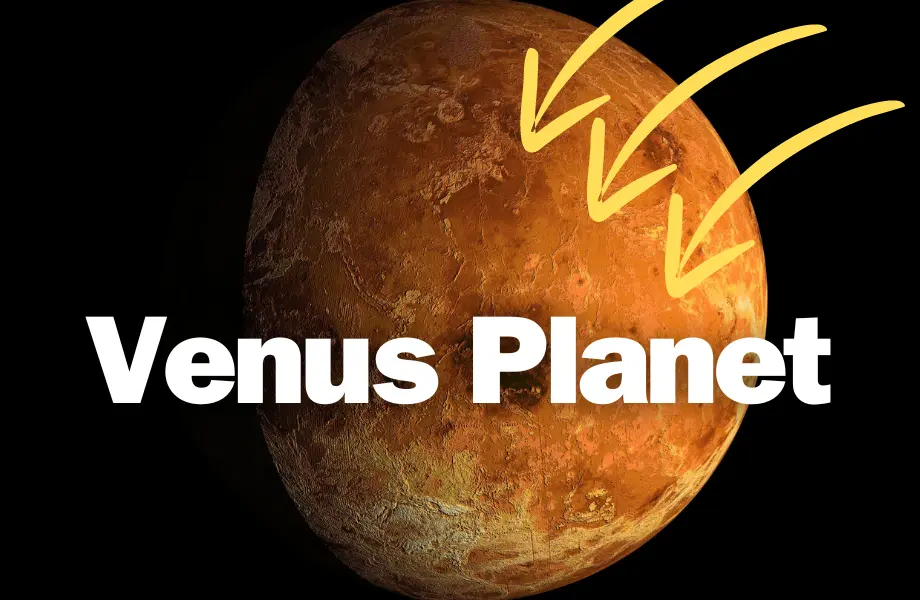
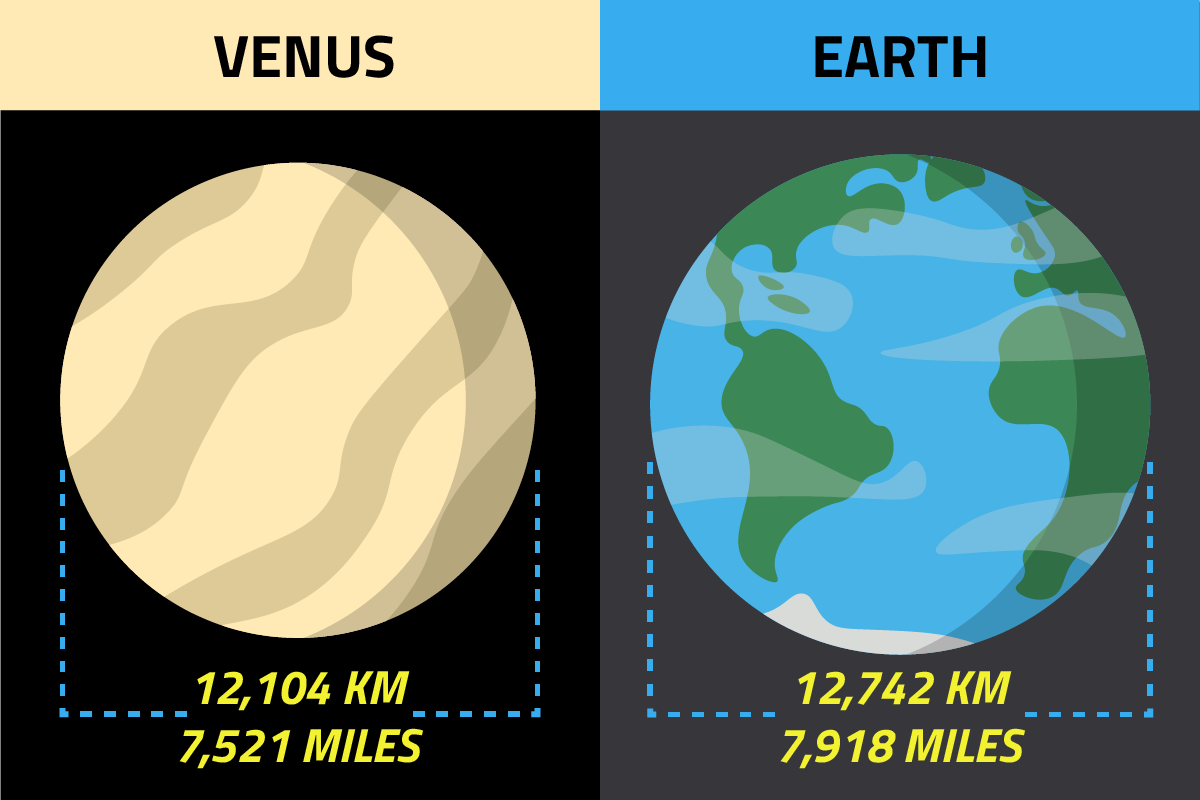
Venus, often referred to as Earth’s twin, is the second planet from the Sun in our solar system. Despite its similarities to Earth in terms of size and mass, Venus has unique and extreme characteristics that set it apart. With a diameter of about 12,104 km, it is slightly smaller than Earth and has a mass that is approximately 81.5% of Earth’s. This similarity in size and composition is the reason Venus is often called Earth’s twin.
One of the most striking features of Venus is its extreme heat, making it the hottest planet in our solar system. The surface temperatures on this planet average around 467°C (872°F), which is hot enough to melt lead. This intense heat is due to the planet’s dense atmosphere, composed mainly of carbon dioxide, which creates a runaway greenhouse effect. The atmosphere also contains clouds of sulfuric acid, making Venus an acid raining planet. This thick atmosphere not only traps heat but also reflects sunlight, making Venus the brightest planet in the sky as seen from Earth.
Venus is also notable for being the only planet named after a goddess, honoring the Roman goddess of love and beauty. Its slow rotation period and retrograde rotation mean that a day on Venus is longer than its year. Despite its harsh conditions, Venus remains a significant focus of scientific research and exploration, providing valuable insights into planetary atmospheres, climate change, and the potential for life on other planets.
Physical characteristics of Venus
Size, mass, and density
Venus has a diameter of approximately 12,104 km, making it nearly the same size as Earth. Its mass is about 81.5% of Earth’s, reflecting its slightly smaller but still substantial size. The density of Venus is around 5.24 g/cm³, which is comparable to Earth’s density. This similarity in size and density is one reason Venus is often referred to as Earth’s twin. However, despite these similarities, the internal and external conditions on Venus are vastly different from those on Earth.
Surface features and composition
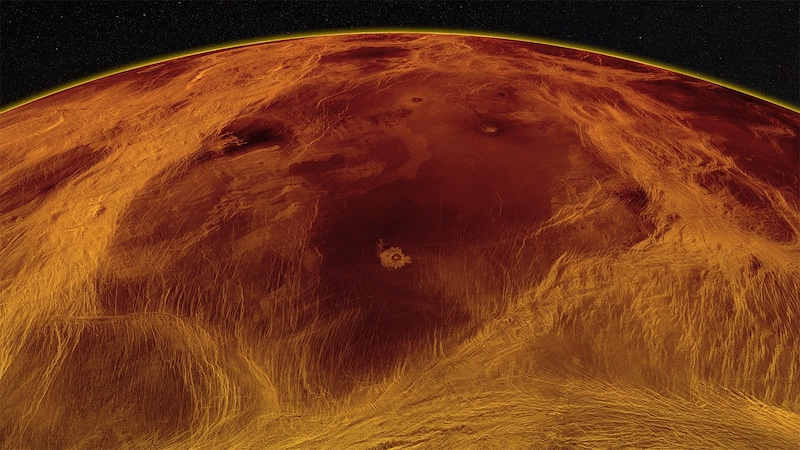
The surface of Venus is both diverse and extreme. It features a range of geological formations, including vast plains, large highland regions, and numerous volcanoes. Some of the most notable surface features are the large volcanic plains, such as the Maat Mons and Sif Mons, which are among the tallest volcanoes in the solar system. Venus’s surface also includes large impact craters and extensive lava flows.
The composition of Venus’s surface is primarily basaltic, similar to Earth’s oceanic crust. This suggests a history of significant volcanic activity that has reshaped the planet’s surface over time. The harsh conditions on Venus’s surface, including the high temperatures and pressures, have made it challenging for spacecraft to land and transmit data effectively.
Atmosphere and its composition
Venus’s atmosphere is one of its most striking features. It is incredibly thick and dense, composed mostly of carbon dioxide (about 96.5%), with traces of nitrogen (about 3.5%) and small amounts of other gases. The atmosphere also contains clouds of sulfuric acid, which contribute to Venus being known as an acid raining planet. The atmospheric pressure at the surface is about 92 times that of Earth’s, making it equivalent to the pressure found 900 meters underwater on Earth.
This dense atmosphere creates a runaway greenhouse effect, trapping heat and leading to the planet’s extreme surface temperatures, which are the highest in the solar system. The thick clouds also obscure the surface of Venus, making direct observation from space challenging. Despite these difficulties, scientists have been able to study Venus’s atmosphere through various missions, revealing much about its composition and the extreme conditions that prevail there.
Orbit and rotation of Venus
Orbital path and period
Venus orbits the Sun at an average distance of approximately 108 million kilometers. This orbital path places it between Earth and Mercury, making it the second planet from the Sun. The planet completes one orbit around the Sun in about 225 Earth days. This orbital period is relatively close to Earth’s orbital period, but Venus’s unique rotation characteristics result in a different relationship between its day and year.

Rotation period and axial tilt
One of the most distinctive features of Venus is its rotation. Unlike most planets in the solar system, Venus has an exceptionally slow rotation period of approximately 243 Earth days. This slow rotation means that a single day on Venus (the time it takes for Venus to complete one full rotation on its axis) is longer than a Venusian year. Furthermore, Venus rotates in the opposite direction to most other planets, including Earth. This retrograde rotation means that the Sun rises in the west and sets in the east on Venus, contrary to the direction of rotation observed on Earth.
Venus has a very small axial tilt of only about 2.6 degrees. This minimal tilt means that the planet does not experience significant seasonal changes, unlike Earth, where the axial tilt contributes to seasonal variations. The small axial tilt contributes to Venus’s consistent and extreme temperatures across its surface, as there is little variation in sunlight distribution throughout its orbit.
Relationship with the Sun
Venus’s proximity to the Sun makes it the second-brightest natural object in the sky after the Moon. It is often visible to the naked eye shortly after sunset or before sunrise, earning it the nickname the brightest planet in the sky. The planet’s thick atmosphere and reflective cloud cover contribute to its high albedo, making it highly visible even from Earth.

The relationship between Venus and the Sun influences the planet’s extreme climate. Despite its distance being closer to the Sun than Earth, Venus’s thick atmosphere traps heat through a runaway greenhouse effect, resulting in surface temperatures that are higher than those on Mercury, the closest planet to the Sun. This demonstrates that while Venus’s orbit places it further from the Sun than Mercury, its atmospheric conditions create a much hotter environment.
Temperature and climate of Venus
Temperature variations
Venus maintains an extraordinarily consistent surface temperature, with average temperatures around 467°C (872°F). This uniform temperature across the planet is a result of its thick atmosphere, which creates a runaway greenhouse effect. Unlike other planets, Venus does not experience significant temperature variations between day and night. The planet’s thick cloud cover and dense atmosphere effectively trap heat, preventing it from escaping into space.
Despite Venus’s slow rotation, which lasts about 243 Earth days, the temperature remains almost uniform across the entire surface. This is because the atmosphere’s heat retention is so effective that there is little difference in temperature between the side facing the Sun and the side in shadow. This consistent temperature is one of the reasons Venus is considered the hottest planet in the solar system, even though it is not the closest planet to the Sun.
Climate and weather patterns
The climate of Venus is characterized by its extreme heat and dense cloud cover. The planet’s atmosphere is composed mainly of carbon dioxide, with clouds of sulfuric acid, contributing to its status as an acid raining planet. The greenhouse effect on Venus is so intense that it creates a blanket of heat that is nearly impenetrable.
Venus’s weather patterns are relatively stable compared to Earth. The thick atmosphere prevents any substantial weather systems or seasonal changes from developing. The clouds of sulfuric acid create a perpetual layer of haze, obscuring the surface and preventing direct observations of weather patterns. Although the planet does not have weather in the traditional sense—such as rain or wind patterns like on Earth—the atmospheric dynamics are driven by convection currents and heat distribution.
In terms of atmospheric dynamics, Venus exhibits a phenomenon known as super-rotation, where the upper atmosphere circulates much faster than the planet’s rotation. This results in winds that can reach speeds of up to 360 km/h (224 mph) in the upper atmosphere. These high-speed winds contribute to the planet’s uniform surface temperature by redistributing heat around the planet.
Geological features of Venus
Major geological formations
Venus’s surface is marked by a variety of major geological formations, including vast plains, highland regions, and mountain ranges. The planet’s surface is dominated by extensive plains of solidified lava, which cover about 80% of its surface. These plains are primarily basaltic, similar to Earth’s oceanic crust.
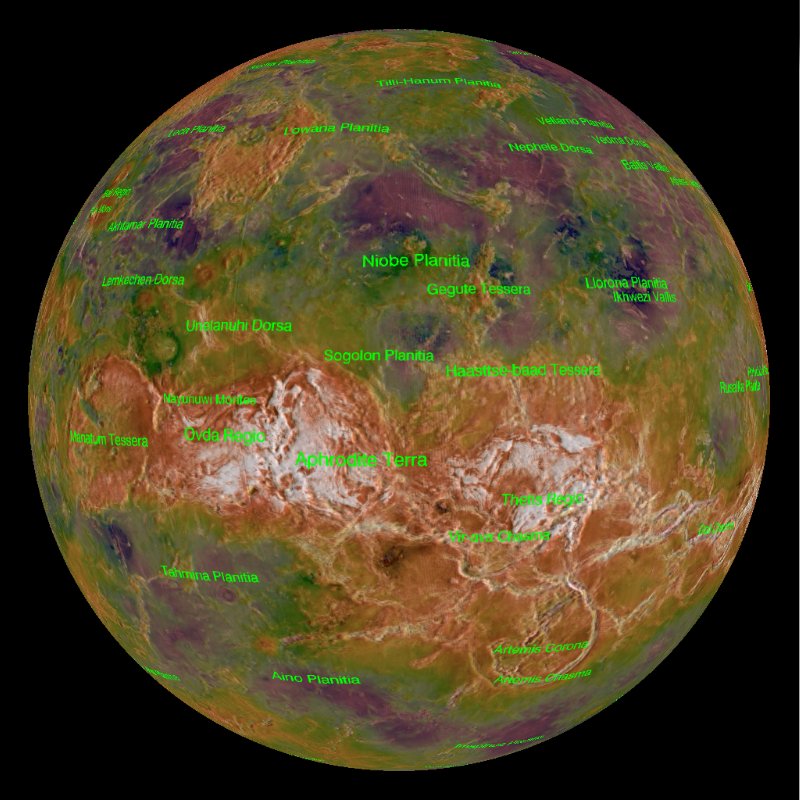
Among the most prominent geological formations on Venus are the Ishtar Terra and Aphrodite Terra highlands. Ishtar Terra, named after the Babylonian goddess of love and war, is a large highland region in the northern hemisphere. It features prominent features such as Lakshmi Planum, a high plateau surrounded by rugged terrain. Aphrodite Terra, located in the equatorial region, is another extensive highland area characterized by its complex topography and volcanic features.
Impact craters and plains
Venus’s surface also contains a significant number of impact craters, although they are less numerous than on other planets like Mercury or Mars. The craters on this planet vary in size and age, with some being relatively young and others older. The lower density of craters suggests that Venus’s surface has undergone extensive volcanic resurfacing, which has obscured many of the older craters.
In addition to impact craters, Venus’s surface features vast plains that are formed by volcanic activity. These plains are composed mainly of basaltic lava flows, which have spread out to create extensive, flat areas. The relatively smooth appearance of these plains is due to the lava covering and filling in any depressions or impact craters, leading to a surface that appears relatively young in geological terms.
Volcanic activity
Volcanism plays a significant role in shaping the geological features of Venus. The planet is home to a number of large volcanoes, including some of the tallest and most prominent volcanoes in the solar system. Maat Mons and Sif Mons are two of the largest volcanoes on this planet, each towering several kilometers above the surrounding plains.

The volcanic activity on Venus is thought to be primarily shield volcanism, where lava erupts from long fissures and spreads out in broad, gentle slopes, creating large volcanic shields. This type of volcanism is responsible for many of the extensive lava plains seen on the planet’s surface.
Venus’s volcanic activity has likely been ongoing throughout its history, contributing to the planet’s relatively young surface. The heat from volcanic processes has also played a role in shaping the planet’s atmospheric and climatic conditions.
Atmospheric conditions of Venus
The geological features of Venus are closely linked to its atmospheric conditions. The planet’s thick atmosphere, composed mostly of carbon dioxide with clouds of sulfuric acid, creates a powerful greenhouse effect. This effect results in surface temperatures that average around 467°C (872°F), making Venus the hottest planet in the solar system.
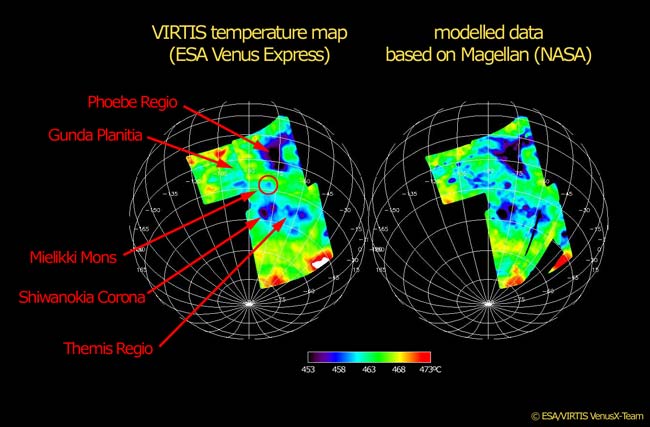
The dense atmosphere also contributes to the planet’s high surface pressure, which is about 92 times that of Earth’s. This extreme pressure, combined with the intense heat, affects volcanic activity and the overall geological processes on the planet.
The thick cloud cover obscures direct observations of Venus’s surface, but space missions and radar mapping have provided valuable insights into its geological features. The interplay between volcanic activity and atmospheric conditions has created a unique landscape characterized by large lava plains, highland regions, and fewer, but significant, impact craters.
Exploration and missions of Venus planet
Past missions
The Soviet Union’s Venera program, which began in the early 1960s, was among the first to explore this planet. This series of missions aimed to study Venus’s surface and atmosphere, despite the planet’s harsh conditions. Notable missions in the Venera program include:
Venera 7 (1970) is the first successful mission to transmit data from the surface of Venus. It provided the first measurements of Venus’s surface temperature and atmospheric pressure, revealing extreme heat and pressure.
Venera 9 (1975) mission was significant for its success in sending back the first images of Venus’s surface. It provided critical information on the planet’s surface composition and geological features.

Venera 13 (1982) spacecraft returned more detailed images of the surface and conducted experiments on the soil composition. It helped confirm the planet’s volcanic activity and surface conditions.
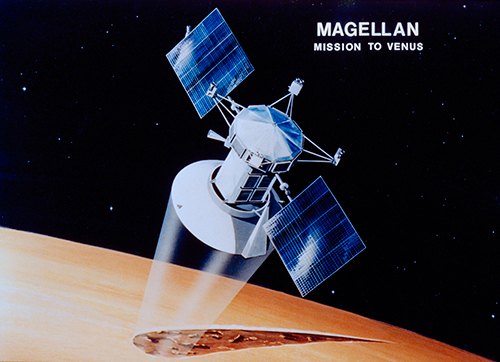
Magellan Mission launched by NASA in 1989, the Magellan spacecraft was designed to map the surface of Venus using radar. The mission was instrumental in creating detailed topographic maps of Venus’s surface, penetrating the thick cloud cover that obscured direct observations. Magellan’s radar imaging revealed a variety of geological features, including vast lava plains, large volcanic structures, and impact craters. The data from Magellan greatly enhanced our understanding of Venus’s surface and its geological activity.
Current and future missions
Currently, scheduled for launch in the early 2020s, the Venus Emissivity, Radio Science, InSAR, Topography, and Spectroscopy (VERITAS) mission aims to further investigate Venus’s surface and geological history. It will use radar imaging to map the surface in high resolution and analyze the planet’s surface composition and geological activity. This mission will help scientists understand the planet’s volcanic and tectonic processes and its geological evolution.
NASA’s VERITAS and DAVINCI+ missions will provide a comprehensive study of Venus, combining surface mapping with atmospheric analysis. Their goal is to enhance our understanding of Venus as Earth’s twin and investigate its geological activity and atmospheric conditions more thoroughly.
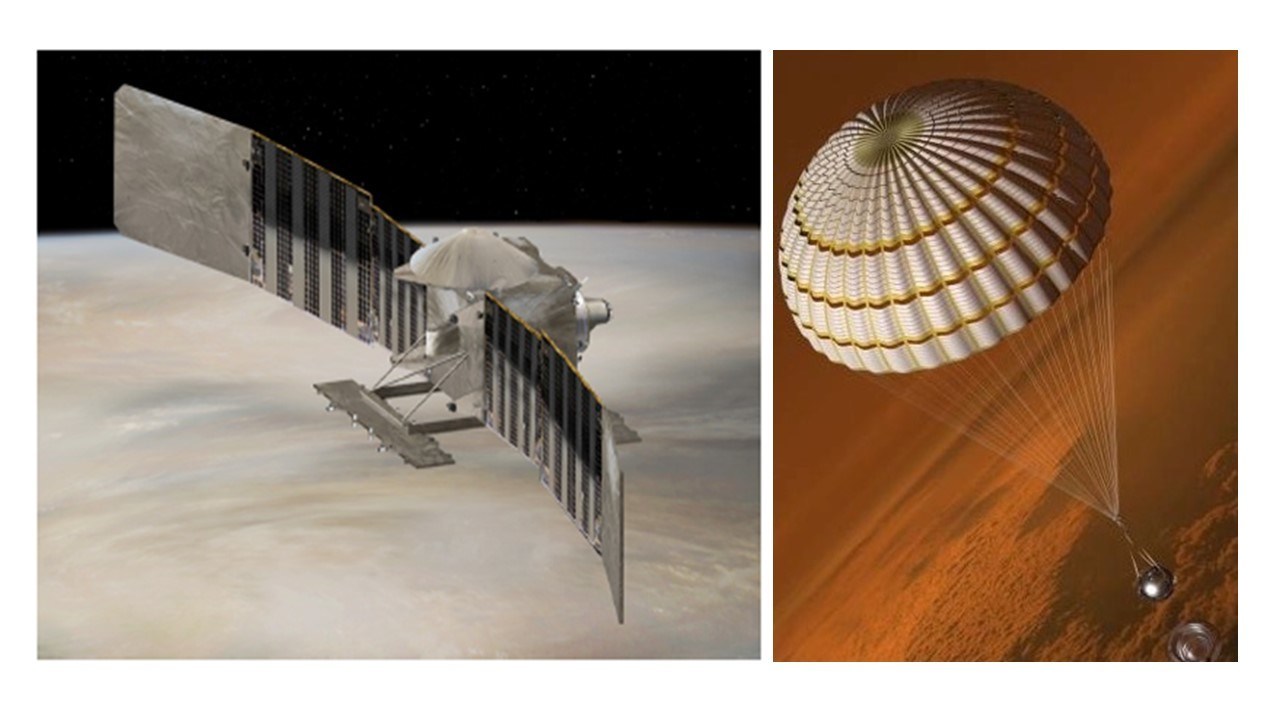
Also planned for the early 2020s, the Deep Atmosphere Venus Investigation of Noble gases, Chemistry, and Imaging (DAVINCI+) mission will focus on studying Venus’s atmosphere. It aims to analyze the composition of Venus’s atmosphere, measure the concentration of noble gases, and investigate the planet’s atmospheric dynamics. The mission will also send a descent probe to study the atmosphere in detail.
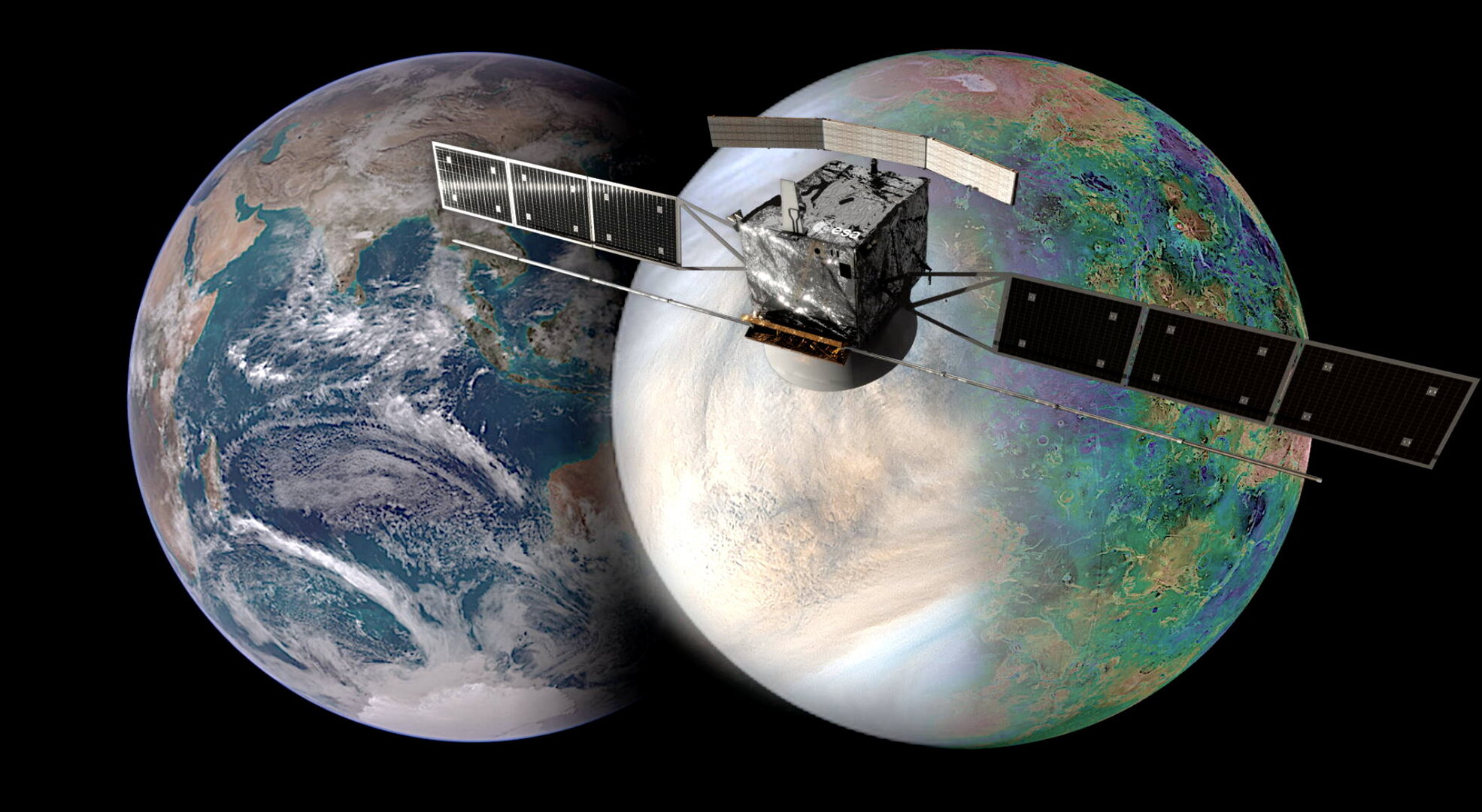
The European Space Agency is planning the EnVision mission, which will complement NASA’s efforts by providing high-resolution radar imagery and analyzing Venus’s surface and atmospheric composition. EnVision aims to understand the planet’s volcanic activity, tectonics, and atmosphere, offering insights into its geological history and climate.
Role in mythology and culture of Venus planet
Historical and cultural significance
Named after the Roman goddess of love and beauty, Venus is the only planet named after a goddess in the solar system. The goddess Venus was associated with love, beauty, and fertility, reflecting the planet’s bright and captivating appearance in the sky. Ancient civilizations observed Venus as a prominent celestial object, recognizing its bright, shining presence as the brightest planet in the sky. The planet’s brilliance made it a symbol of various deities and important cultural concepts.
In ancient Mesopotamia, Venus was associated with the goddess Inanna, who represented love, war, and fertility. The Sumerians, Akkadians, Babylonians, and Assyrians all revered Venus in their mythologies, attributing divine qualities to its appearance. The planet’s visibility and brightness also led to its association with the morning and evening stars, linking it with different deities depending on its position in the sky.

In ancient Greece, Venus was identified with the goddess Aphrodite, who embodied beauty, love, and desire. Aphrodite’s myths often intertwined with Venus’s celestial characteristics, further cementing the planet’s role in Greek culture. The planet’s brilliance and its role in guiding sailors and farmers also contributed to its symbolic importance in Greek and Roman cultures.
References in literature and art
Venus’s prominence in the sky has made it a frequent subject in literature and art. Its representation in art often draws upon its association with love and beauty. For instance, Botticelli’s famous painting, The Birth of Venus, depicts the goddess Venus emerging from the sea, symbolizing beauty and divine grace. The painting reflects the goddess’s role in classical mythology and the Renaissance fascination with Venus as a symbol of idealized beauty.

In literature, Venus has inspired various works and references. The planet’s association with love and beauty appears in classical poetry and plays, where it often represents idealized or unattainable love. The celestial presence of Venus has also influenced modern literature, where its characteristics as the hottest planet and acid raining planet are used metaphorically to explore themes of passion, intensity, and otherworldliness.
The planet’s role in cultural contexts extends beyond mythology and art. In astrology, Venus is associated with love, beauty, and harmony, reflecting its mythological roots. Its cycles and appearances in the sky have been used to mark time and guide various aspects of life, from agricultural practices to personal decisions.
Scientific discoveries regarding Venus
Key scientific findings about Venus
This planet is renowned as the hottest planet in the solar system. With surface temperatures averaging around 467°C (872°F), Venus is even hotter than Mercury, despite being further from the Sun. This intense heat is primarily due to a runaway greenhouse effect caused by the thick carbon dioxide atmosphere, which traps heat efficiently.
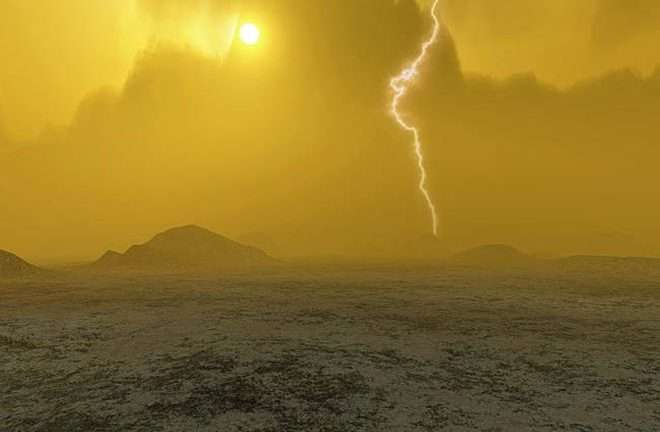
Venus has a thick, toxic atmosphere composed mostly of carbon dioxide (96.5%), with clouds of sulfuric acid. This composition makes it an acid raining planet, where sulfuric acid rain evaporates before reaching the surface due to the extreme heat. The atmospheric pressure on Venus is about 92 times that of Earth’s, equivalent to being about 900 meters underwater on Earth.
Unlike most planets in the solar system, Venus has a retrograde rotation, meaning it rotates in the opposite direction to its orbit around the Sun. This results in the Sun rising in the west and setting in the east on Venus. The planet also has an extremely slow rotation, taking about 243 Earth days to complete one rotation, making its day longer than its year.


Venus is dotted with numerous volcanoes, some of which may still be active. Radar mapping by missions like Magellan has revealed vast lava plains, large shield volcanoes, and volcanic features such as calderas and lava domes. This indicates that Venus has a geologically active surface, though the extent of current volcanic activity remains a subject of study.
Venus’s surface is characterized by a variety of geological formations, including vast plains, highland regions, and impact craters. The highlands, such as Ishtar Terra and Aphrodite Terra, feature mountain ranges and plateaus, while the plains are largely formed by extensive lava flows. The presence of relatively few impact craters suggests that the surface is relatively young, having been resurfaced by volcanic activity within the last few hundred million years.
Ongoing research and unanswered questions
Although Venus is currently inhospitable, scientists speculate that it may have had more temperate conditions in the distant past. Research into Venus’s climatic history aims to determine whether it ever had liquid water on its surface and if it could have supported life before the runaway greenhouse effect took hold.
One of the most intriguing questions about Venus is the current state of its volcanic activity. While evidence suggests past volcanic activity, determining whether Venus is still volcanically active is a key research focus. Future missions, such as NASA’s VERITAS and ESA’s EnVision, aim to detect signs of active volcanism and provide high-resolution mapping of the planet’s surface.

The dynamics of Venus’s atmosphere, including its super-rotation (where the atmosphere rotates much faster than the planet itself), are not fully understood. Researchers are studying the mechanisms driving this phenomenon and the interactions between the planet’s surface and atmosphere. Missions like DAVINCI+ will delve into the atmospheric composition and structure, seeking to answer questions about its formation and evolution.
Understanding the mineral composition and geological processes on Venus’s surface remains a key research goal. Investigating the chemical interactions between the surface and atmosphere will provide insights into the planet’s history and the effects of its extreme environment. Future lander missions could directly analyze surface materials, offering more detailed information.
Comparisons with other planets of Venus
Despite being Earth’s twin in terms of size and composition, Venus is vastly different in other aspects. Its extreme temperatures make it the hottest planet, while its dense atmosphere and slow, retrograde rotation distinguish it from other planets. Comparing Venus with Earth and other planets helps scientists understand the diverse conditions and evolutionary paths within our solar system.
Similarities with Earth
Venus and Earth are similar in size, mass, and density, which is why Venus is often referred to as Earth’s twin. Both planets are rocky with solid surfaces, and their internal compositions are thought to be similar, consisting of a core, mantle, and crust.
Both Venus and Earth exhibit signs of geological activity. Venus has numerous volcanoes, lava plains, and possible tectonic features, similar to Earth’s volcanic and tectonic processes. However, unlike Earth, Venus lacks distinct plate tectonics.

Differences with Earth
This planet has a thick, toxic atmosphere dominated by carbon dioxide, with clouds of sulfuric acid, making it an acid raining planet. The greenhouse effect on Venus is extreme, causing surface temperatures to average around 467°C (872°F), making it the hottest planet in the solar system. In contrast, Earth’s atmosphere is composed mainly of nitrogen and oxygen, supporting life and maintaining moderate temperatures.
Venus has a very slow and retrograde rotation, taking about 243 Earth days to complete one rotation, and rotates in the opposite direction to its orbit. Earth, on the other hand, has a much faster rotation period of 24 hours and rotates in the same direction as its orbit.
Comparisons with Mercury
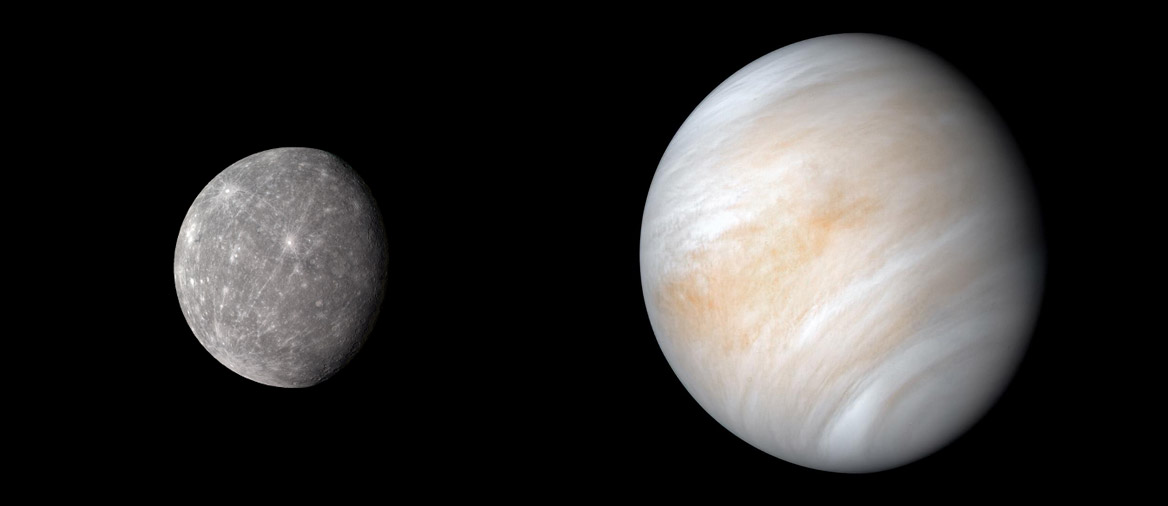
Both Venus and Mercury are inner planets, located closer to the Sun than Earth. However, despite Mercury’s proximity, Venus is the hottest planet due to its thick atmosphere, while Mercury experiences extreme temperature variations because it lacks a significant atmosphere to retain heat.
Mercury’s surface is heavily cratered and resembles Earth’s Moon, indicating an ancient, inactive crust. Venus’s surface, while also having impact craters, is largely shaped by volcanic activity and resurfacing events, giving it a younger and more dynamic appearance.
Comparisons with Mars
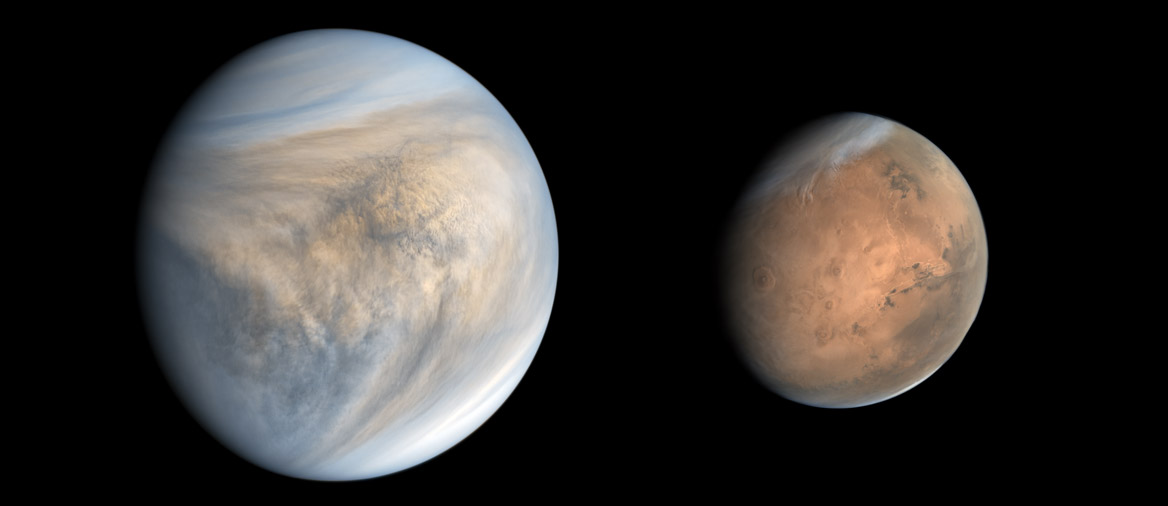
Mars has a thin atmosphere composed mostly of carbon dioxide, much like Venus. However, Mars’s atmosphere is much less dense, leading to surface pressures that are less than 1% of Earth’s, and it lacks the extreme greenhouse effect seen on Venus. Mars’s cooler temperatures and lower atmospheric pressure contrast sharply with the intense heat and high pressure on Venus.
Both Venus and Mars have volcanic features, but Mars hosts the largest volcano in the solar system, Olympus Mons. Venus has numerous large volcanoes and extensive lava plains, but its volcanic activity is more widespread and the planet’s surface is regularly resurfaced by lava flows.
Comparisons with gas giants
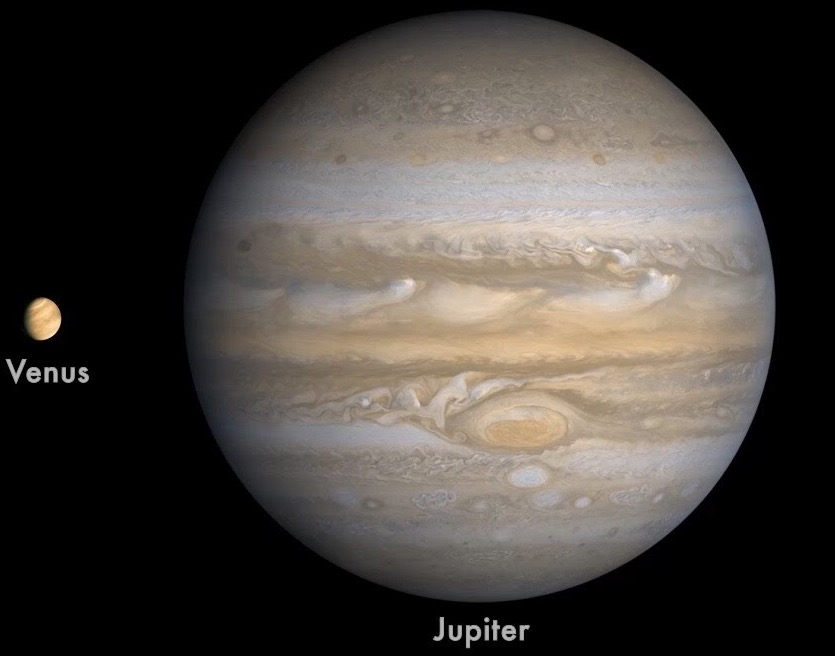
Unlike the rocky composition of Venus, gas giants like Jupiter and Saturn are primarily composed of hydrogen and helium. These planets lack a solid surface and have deep, dense atmospheres with complex weather systems, vastly different from Venus’s dense, carbon dioxide-rich atmosphere.
Gas giants have powerful and dynamic weather patterns, including massive storms like Jupiter’s Great Red Spot. Venus’s atmosphere also exhibits extreme weather, including high-speed winds and sulfuric acid clouds, but on a rocky planet with a solid surface.
Comparisons with ice giants
Ice giants have atmospheres rich in water, ammonia, and methane, creating a different set of chemical and physical conditions compared to Venus’s carbon dioxide-dominated atmosphere.
Ice giants such as Uranus and Neptune are located much farther from the Sun and have extremely cold temperatures. In contrast, planet in question, despite being closer to the Sun, is the hottest planet due to its runaway greenhouse effect.
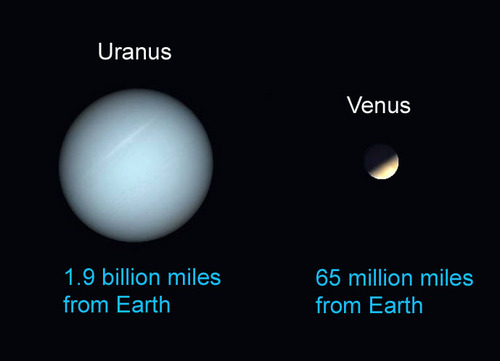
Venus, the brightest planet in the sky, holds many mysteries despite its proximity to Earth. Studying this planet is crucial for understanding planetary processes and the potential for life on other planets. Its unique characteristics, from being the only planet named after a goddess to its status as an acid raining planet, make Venus a captivating subject for ongoing scientific inquiry.
- WEBSITE Choi, C. Q., Gohd, C., & Dobrijevic, D. (2024, February 26). Venus facts: Everything you need to know about the 2nd planet from the sun. Space.com. [Space.com]
- WEBSITE Mann, A. (2022, May 11). Venus: Facts about the hellish planet next door. livescience.com. [livescience.com]
- WEBSITE NASA Science (n.d.). Venus – NASA Science. NASA [NASA]
- WEBSITE Astronomy Staff. (2023, October 20). Venus: Size, distance from the Sun, orbit. Astronomy Magazine. [Astronomy Magazine]
- WEBSITE Wei-Haas, M. (n.d.). Venus, explained. National Geographic. [National Geographic]
- WEBSITE Millis, J. P. (2020, January 10). Journey through the Solar System: Planet Venus. ThoughtCo. [ThoughtCo]
APA 7: TWs Editor. (2024, July 20). Venus: Earth’s Mysterious Sister Planet. PerEXP Teamworks. [Article Link]


🙂