



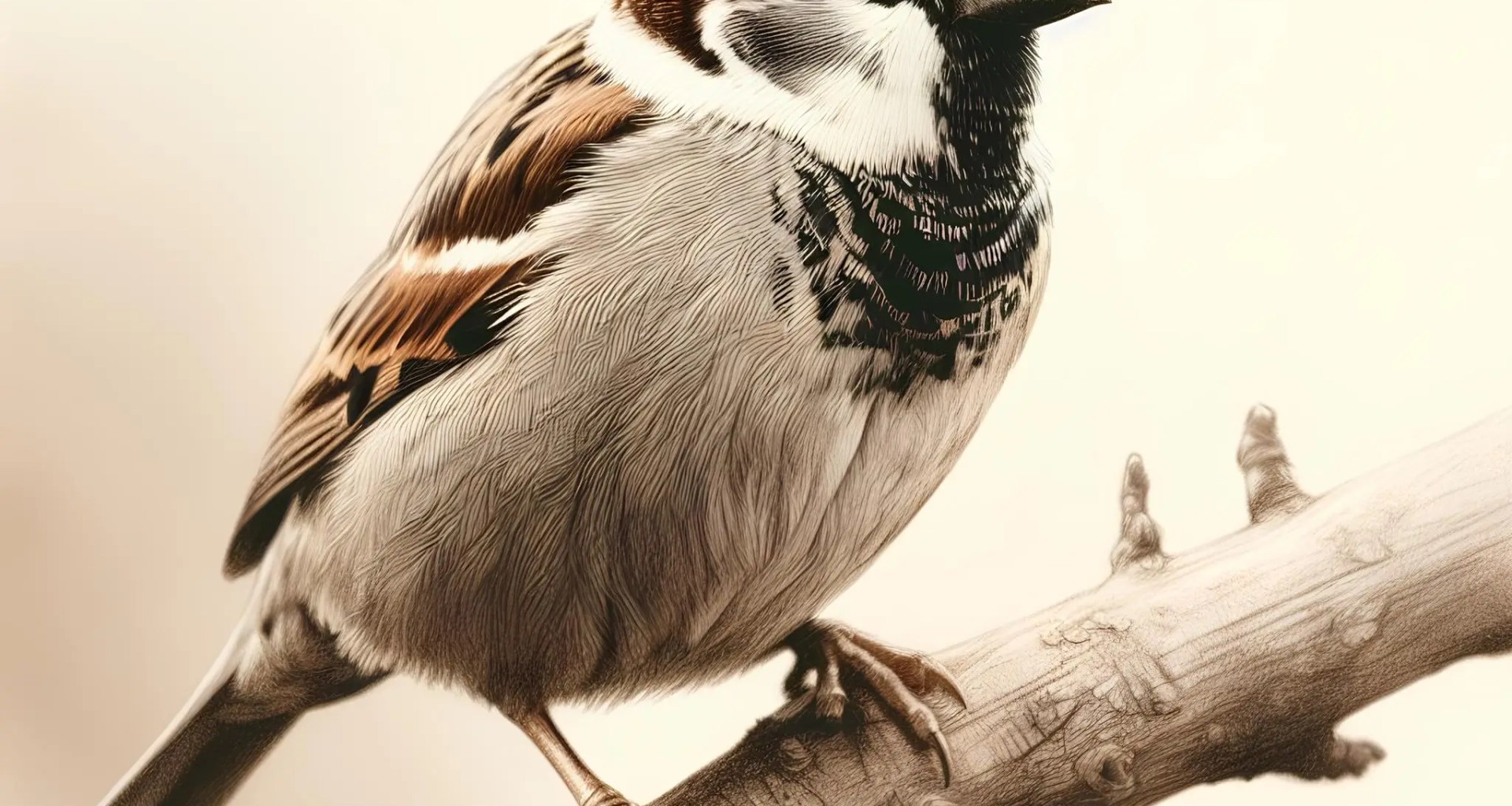
APA 7: TWs Editor & ChatGPT. (2023ax, November 13). Researchers Discover that Bird Nests Reflect Individual Style and Past Experiences. PerEXP Teamworks. [News Link]
Feathered creatures, too, play the roles of architects, engineers, and builders in their own avian world. According to a study published in iScience, birds exhibit a remarkable parallel to human architectural diversity by crafting nests in distinctive styles. The research reveals that seasoned birds demonstrate a more uniform approach, employing fewer material resources, in stark contrast to their less-experienced counterparts.
Architectural wonders of the animal kingdom
Our daily existence is significantly shaped by architecture, serving as a tool for us to navigate and flourish in diverse climates. Varied structures are constructed with specific objectives in mind: farms to cultivate and preserve food, castles and skyscrapers as symbols of affluence, and homes providing shelter and a nurturing environment for families.
Similarly, in the animal kingdom, different species exhibit architectural prowess tailored to their distinct requirements. Bees meticulously construct hives and honeycombs for the storage and protection of food, while spiders intricately spin webs to ensnare prey. Beavers showcase their engineering skills by building dams, creating pools to suit their needs. A myriad of bird species engage in the construction of nests, serving as both shelter and nurturing spaces for raising their chicks. Through their building endeavors, animals adeptly mold their surroundings to fulfill specific needs.
Architectural styles in the animal kingdom
Diverse architectural appearances arise, even among structures with similar functions, underscoring variations in culture and resource availability. In Western societies, residences commonly take the form of cuboids fashioned from materials like stone, wood, and glass. On the plains, Indigenous Peoples craft conical tipis using wood and bison hides. Inuit communities utilize ice and snow, shaping spherical igloos. Meanwhile, East African Maasai peoples construct cylindrical manyatta huts using a blend of earth, grass, and cow dung.
Even within a shared cultural context and utilizing identical materials, individual differences in architectural style emerge. Envision your own home: the dimensions and layout of each room, the placement of doors and windows, and the arrangement of furniture. Now, juxtapose this mental blueprint with that of a friend’s house. Chances are, they exhibit distinct dissimilarities, highlighting the unique variations in human architectural preferences and styles.
Studies propose that a parallel observation holds true for animal architects: these creatures, too, construct structures with unique variations in their architectural styles.
Feathered builders
Birds stand out as prominent architects in the animal realm, with many species actively engaged in the construction of nests. These avian structures serve as protective and warm environments essential for incubating eggs and nurturing fledglings. The act of nest building represents a critical task that individuals must undertake to ensure the successful reproduction of their species.
The Animal Cognition Research Group, based in the Department of Psychology at the University of Alberta, conducted an experiment to investigate if birds exhibit unique individual styles in nest building. The study focused on zebra finches, petite songbirds native to Australia, commonly found in pet stores and frequently utilized in scientific research due to years of captive breeding. Zebra finches, particularly noteworthy for their rapid nest-building abilities using various materials, proved to be ideal subjects for the research team’s experimental tests.
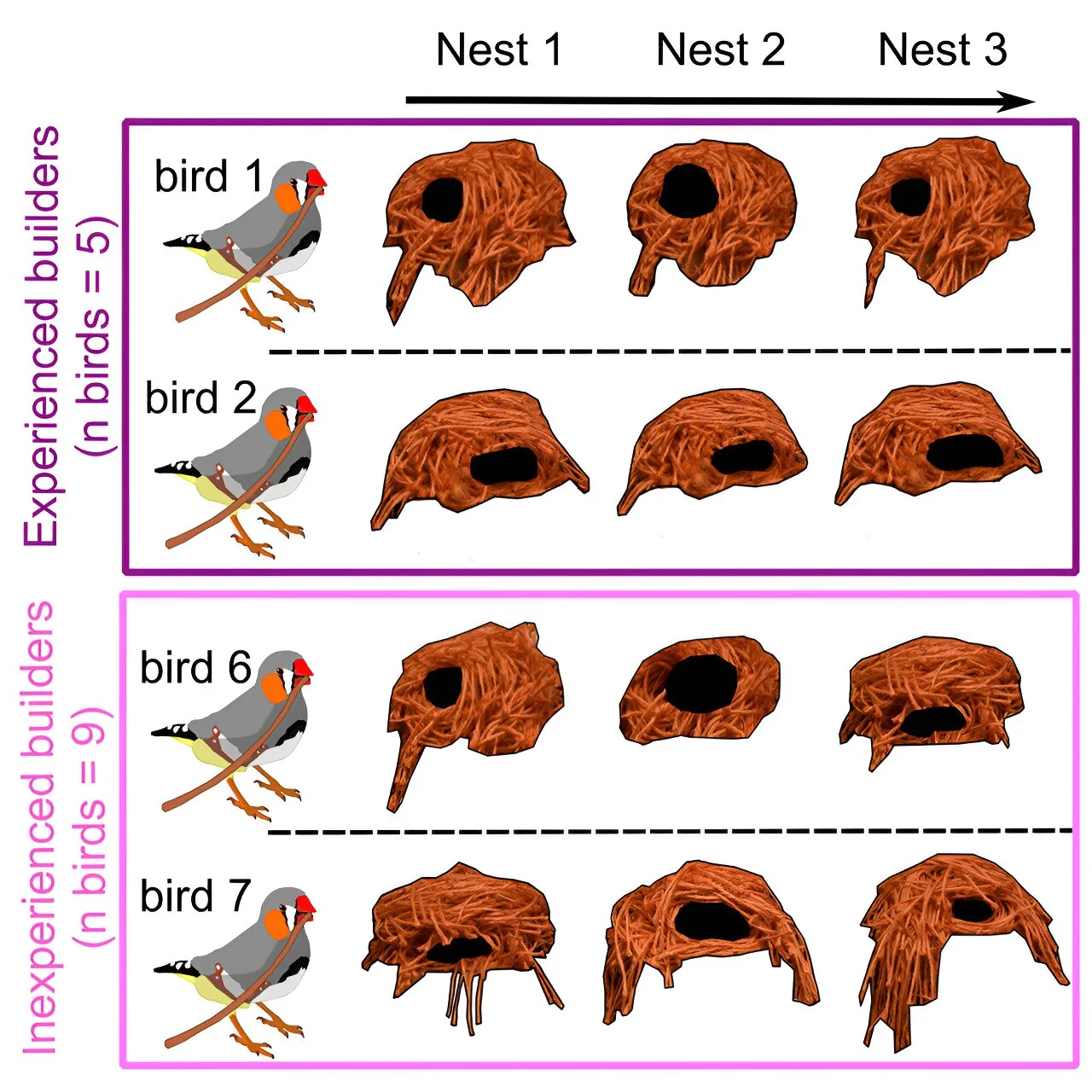
The research involved quantifying the dimensions and configurations of numerous nests constructed by individual zebra finches. When examining nests built by a single male, distinct similarities in style became evident. Conversely, an analysis of nests constructed by different males revealed noticeable dissimilarities in style. This observation underscores the notion that individual zebra finches consistently craft nests in distinctive and replicable manners.
The stylistic psychology
By scrutinizing the architectural styles employed, we gain a window into the minds of human architects. Such analysis offers valuable insights into their comprehension of technology, as well as the impact of cultural influences and social values on their design choices.
Ancient marvels such as the Pyramids of Giza, Stonehenge, and Mayan structures reveal a remarkable alignment with the sun and stars. This not only attests to the precise planning and meticulous execution by ancient architects but also hints at the significance of celestial bodies within these cultures. It prompts speculation that these alignments served purposes such as mapping landscapes or tracking the passage of seasons.
Architects often choose to specialize in crafting structures within distinct styles, be it Gothic, Art Deco, Victorian, or Brutalist. The evolution of their expertise occurs over time, with an architect’s style potentially undergoing shifts and refinements as they accumulate knowledge and experience in their craft.
These instances illustrate the potential for delving into the psychological aspects of style analysis within human architects. The research team aimed to explore the psychology of style, particularly the process of learning from experience, in the context of their study involving zebra finches.
Flair and insight
The research team conducted an experiment where one group of zebra finches underwent training by building five nests, providing each male with opportunities to learn from the experience. In contrast, a second group of zebra finches had no prior nest-building practice; these males had never engaged in nest construction before the commencement of the experiment. Subsequently, both groups were tasked with constructing nests, enabling the team to compare the distinctive nest styles produced by each group.
Birds with prior experience exhibited a more uniform nest style, utilizing fewer materials in comparison to their inexperienced counterparts. This observation suggests that learning opportunities play a pivotal role in shaping nest styles among avian species. Engaging in the practice of nest building enables birds to refine their motor skills and enhance their ability to manipulate materials adeptly. Furthermore, birds display a capacity for memory, recalling successful design elements from past nests and incorporating them into subsequent constructions.
Distinctive individual styles in nest-building could stem from variations in learning opportunities. The perpetuation of a particular style may carry inherent advantages. Consistently crafting nests with efficiency, using fewer resources, becomes particularly advantageous, especially when the established style has proven successful or when resources are constrained.
Examining the structures crafted by both human and animal architects provides valuable insights into their adaptive responses to the environment and cultural influences. The findings from the research team underscore that the concept of “Home” extends beyond the realm of emotions and sentiments—it resides in the intricate workings of the brain as well.
Resources
- NEWSPAPER Whittaker, B., Guillette, L., & The Conversation. (2023, November 13). Birds’ nests express their unique style and past experiences, study finds. Phys.org. [Phys.org]
- JOURNAL Whittaker, B. A., Nolet-Mulholland, L., Nevoit, A., Yun, D., Lambert, C. T., Blunk, S. C., & Guillette, L. M. (2023). Zebra finches have style: Nest morphology is repeatable and associated with experience. iScience, 108194. [iScience]


nice ! good read .
stay awesome and keep blogging
Came across your post on the WordPress feed and just wanted to send a friendly shout-out! Your content caught my attention, and I’m excited to delve into more of your captivating posts. Although I couldn’t locate the follow button (LOL!) , I’ll definitely keep it in my reading list! Rest assured, I’ll be on the lookout for your future posts.
Wishing you continued inspiration and success in your blogging journey!
Warm regards,
Thanks – TheDogGod
Thank you : )
Happened upon your post on the WordPress feed and just wanted to send a friendly shout-out! Your content caught my attention, and I’m excited to delve into more of your thought-provoking posts. Although I couldn’t locate the follow button (funny enough!), I’ll definitely bookmark your blog ! Rest assured, I’ll stay vigilant for your future posts.
Thank you for your sincere feedback 🙂
Greetings! Great post. Stay awesome and keep blogging.
Really good ✨
Nice! good read 🙂 Stay awesome and keep blogging!