



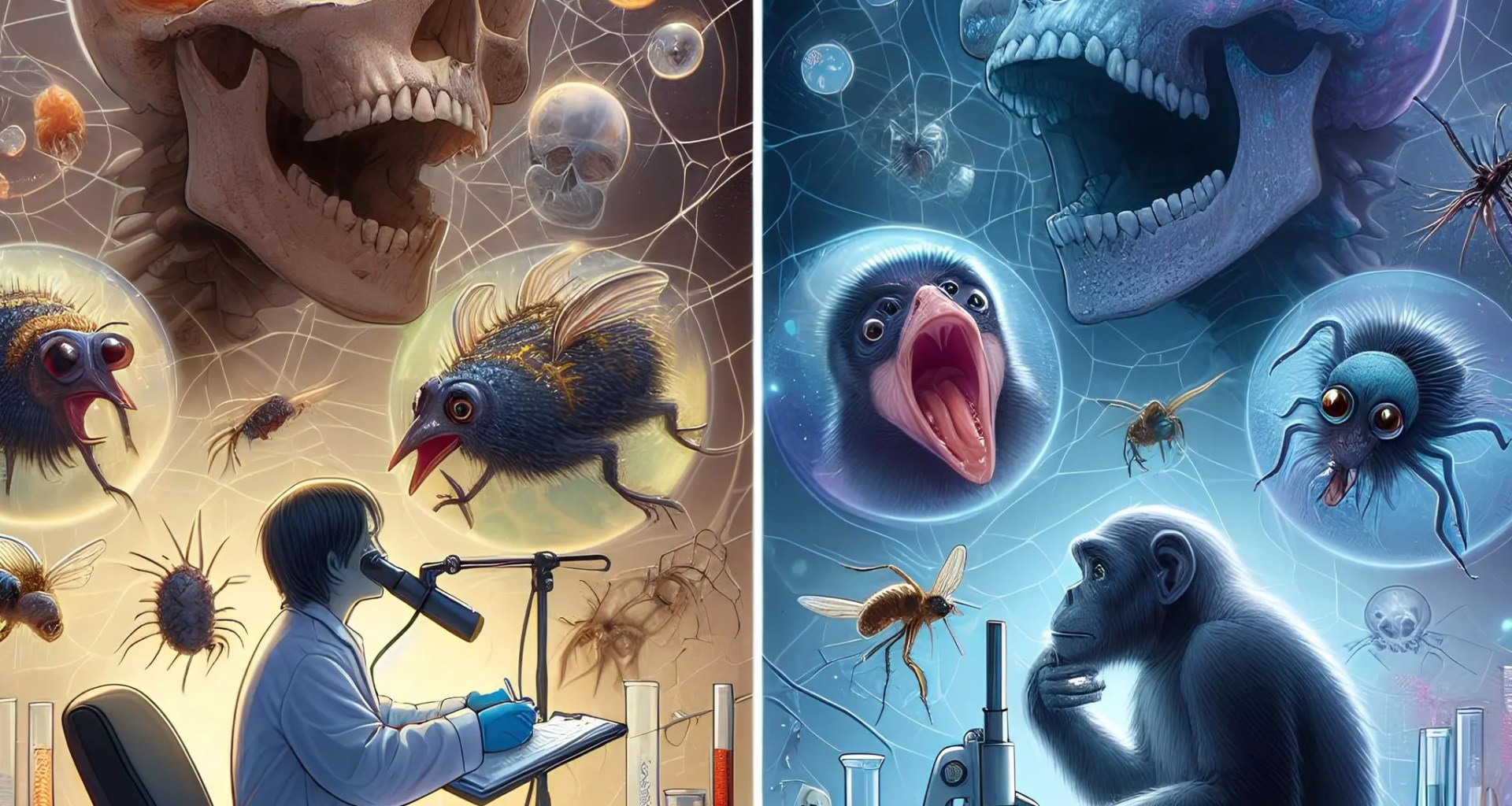
Adverse early experiences, ranging from parental neglect to the death of a loved one or other traumatic events, have been identified as influential factors shaping adult behavior. Studies indicate that individuals who have experienced childhood abuse are more susceptible to developing mood or conduct disorders, marked by altered social behaviors such as aggression, withdrawal, or mistrust.
Understanding the intricate relationship between early life stress and maladaptive behaviors holds significant value, as it can pave the way for the development of new interventions. These interventions may focus on educating parents, preventing child abuse, and offering support to individuals with adverse childhood experiences. A recent comprehensive review by a research group at the Icahn School of Medicine’s Nash Family Department of Neuroscience and Friedman Brain Institute delves into existing literature, particularly studies exploring the connection between early life stress and aggressive behaviors across various animal species. The findings of their review are published in the journal Neuroscience Research.

Co-author Lyonna F. Parise underscores the extensive body of research—spanning basic, clinical, and translational studies—that provides a well-rounded and longitudinal perspective on how exposure to early life stressors induces enduring behavioral and biological adaptations. The researchers aim to emphasize that deviations from expected behavioral trajectories manifest in species-specific social interactions. These alterations include the reorganization of social structures, avoidance of social stimuli, and heightened aggression.
By shedding light on these nuanced associations, the research not only contributes to scientific knowledge but also lays the groundwork for potential interventions aimed at mitigating the impact of early life stress on long-term behavioral outcomes. Ultimately, the goal is to inform strategies that can better educate parents, prevent child abuse, and offer targeted support to individuals who have undergone adverse childhood experiences.
Numerous prior research endeavors have illuminated the intricate connection between early exposure to stressful events and the subsequent emergence of aggressive behavioral tendencies. It is noteworthy that individuals diagnosed with various mental health disorders, encompassing conditions like substance use disorders and antisocial personality disorder, often manifest aggressive behaviors.
The research team, led by Parisi, embarked on a mission to underscore the significance of recognizing maladaptive social behaviors as primary symptoms inherent in numerous psychiatric conditions affecting adults. Their approach involved providing tangible human examples of early life adversity, drawing parallels with a multitude of preclinical models utilized in both mammalian and non-mammalian species. These models aim to replicate diverse aspects of adverse experiences endured by humans during childhood and adolescence.
Within their comprehensive paper, Parise and her colleagues delineate key findings that establish a connection between early-life stress exposure and the manifestation of aggression in adulthood. This linkage is explored not only in humans but also in other mammals and non-mammalian animal species. The observations indicate that animals displaying such aggressive behaviors often exhibit deficits in the processing of rewards, shedding light on the shared neurobiological underpinnings across different species.
By delving into these interconnections, the research contributes valuable insights into the understanding of how early life stress shapes behavioral outcomes across diverse populations. The emphasis on cross-species observations underscores the universality of certain behavioral responses to early adversity and paves the way for a more comprehensive approach to addressing aggression as a manifestation of psychiatric conditions rooted in early life experiences.
Parisi and her research team highlight the pivotal role played by standardized animal models in deepening our comprehension of the underlying mechanisms resulting from early life insults, leading to the dysregulation of stress responses in adulthood. Their extensive investigation reveals that years of collective research consistently point towards alterations in neural networks that facilitate ‘appropriate’ social engagements. These alterations are characterized by increased excitotoxicity, diminished cortical engagement, and dysregulated neurotransmitter release.
Upon reviewing existing studies, Parisi and her colleagues unearthed compelling evidence supporting the notion that chronic exposure to stressful events during early development triggers a surge in corticosterone levels—a steroid pivotal in regulating stress responses—across various animal species. Simultaneously, such exposure prompts changes in the expression of neurotransmitters and neuromodulators. Furthermore, adverse early experiences have been associated with modifications in the organization of critical brain regions, including the hypothalamus, hippocampus, and amygdala, as well as their communication with brain regions involved in reward processing.
Parisi underscores the therapeutic strides made in addressing aberrant social behavior, such as deep brain stimulation for persistent cases. However, she emphasizes the potential of their preclinical work in unraveling the biology underpinning these behaviors to guide the development of personalized treatment options. The team has previously identified gender-specific differences in how males and females engage socially relevant neuronal networks using rodent models of aggression or social stress. This groundwork positions them to expand their analyses in more intricate social behavior models.
The recent research by Parisi and her colleagues delves into the intricate biological mechanisms influenced by chronic stress early in life. These mechanisms may ultimately elucidate the emergence of aggressive behavioral patterns in affected adult animals and humans. Looking ahead, the researchers aim to delve deeper into the neural underpinnings of aggression in both genders, seeking to inform future interventions tailored to modify maladaptive behaviors. Their comprehensive approach not only unravels the complexities of early-life stress but also lays the groundwork for more nuanced and targeted therapeutic strategies in the realm of behavioral interventions.
Resources
- ONLINE NEWS Fadelli, I. & Medical Xpress. (2024, January 2). Exploring the link between early life stress and maladaptive behavior across species. Medical Xpress. [Medical Xpress]
- JOURNAL Parise, L. F., Burnett, C. J., & Russo, S. J. (2023). Early life stress and altered social behaviors: a perspective across species. Neuroscience Research. [Neuroscience Research]
Cite this page:
APA 7: TWs Editor. (2024, January 2). Investigating the Connection Between Early-Life Stress and Maladaptive Behavior Across Different Species. PerEXP Teamworks. [News Link]


3 comments