





Update: As of December 8, the CRISPR-Cas9 therapy for sickle cell disease described in this story has received approval from the US Food and Drug Administration.
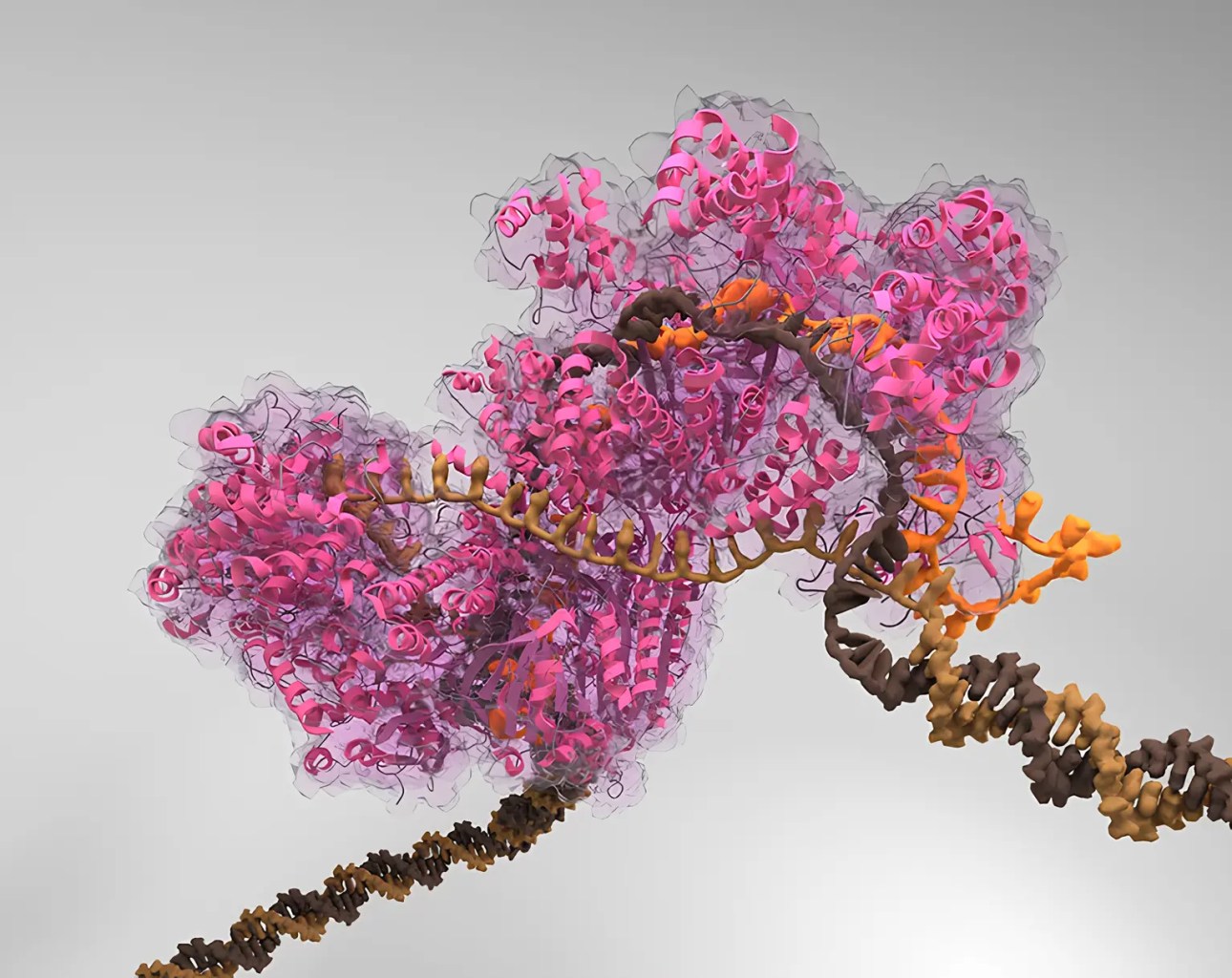
In less than a month following the world’s first approval of a CRISPR-Cas9 genome-editing therapy by UK regulators on November 16, researchers are anticipating a potential second authorization, this time from the United States. The therapy, designed to treat the genetic blood disorder sickle cell disease by disabling a specific gene, is a pioneer in a series of CRISPR-Cas9 therapies currently undergoing clinical trials for various diseases.
While these initial therapies demonstrate significant advancements, they are regarded as the first generation of genome editing. According to Keith Gottesdiener, CEO of Prime Medicine, a company in Cambridge, Massachusetts, developing genome-editing therapies, they can achieve remarkable feats but are inherently limited.
The recent approval of classical CRISPR-Cas9 is seen as setting the stage for the next generation of genome-editing techniques. This new wave of CRISPR-based systems surpasses the limitations of the original editors, offering more precision and versatility in DNA editing. Moreover, these systems can enact changes, such as activating genes, that were beyond the capabilities of the initial tools. The approval of classical CRISPR-Cas9 is seen as a pivotal moment that paves the way for the evolution of genome-editing technologies.
Base editing
Genome editing holds promise for correcting mutations causing cystic fibrosis, a condition impacting the lungs and digestive system. Traditional CRISPR-Cas9 approaches are deemed less suitable for this task, as CRISPR is considered more effective at disrupting genes than repairing them, as noted by Keith Gottesdiener.
An alternative explored by researchers, such as Marianne Carlon, involves a technique known as base editing. Base editing can alter individual DNA letters or bases, converting, for instance, an A to a G or a C to a T. This method utilizes the Cas9 enzyme from the original CRISPR system to target specific changes in DNA, but unlike classical CRISPR-Cas9, base editing typically avoids cutting both strands of DNA at the targeted spot. Cas-9 guides other enzymes to the chosen site, where they perform the necessary work to modify the DNA bases.
Over the past seven years since the introduction of base editing, researchers have made progress in minimizing unintended DNA changes and reducing the size of its components for more efficient delivery into cells. Base-editing therapies are already undergoing early clinical trials, including treatments for high cholesterol and a form of leukemia. However, the precision of base editing comes with limitations—it can only modify specific DNA sequences and is unable to insert larger DNA segments into the genome.
Prime editing
In 2019, a new CRISPR system known as prime editing emerged, offering a potential solution to the limitations of earlier methods. Prime editing is capable of modifying individual DNA bases, as well as inserting or deleting small DNA segments at specific sites. Unlike base editing, prime editing demonstrates greater flexibility, enabling targeting and correction of nearly any site in the genome.
Despite its versatility, prime editing is more intricate, posing challenges for researchers. Efforts to enhance its efficiency involve designing improved enzymes and preventing the cell’s natural DNA-repair mechanisms from introducing errors.
Prime Medicine, set to launch a clinical trial for a prime-editing treatment for chronic granulomatous disease in 2023, plans to seek approval from the US Food and Drug Administration next year.
Researchers are also pushing the boundaries of prime editing, exploring methods to insert progressively larger DNA segments into targeted genome locations. This advancement could facilitate the replacement of entire genes, presenting a potential avenue for developing therapies for genetic disorders like cystic fibrosis, caused by various mutations in a specific gene. Instead of designing therapies for each mutation, it may become feasible to replace the defective gene with a healthy one, offering a universal treatment applicable to all patients with the disease. Researchers are actively exploring various approaches to achieve this goal.
Epigenome editing
CRISPR systems, besides modifying the gene sequence itself, can also influence how genes are expressed by altering the epigenome, which encompasses chemical modifications to DNA affecting gene activity.
Advancements in technologies targeting the epigenome have not progressed as rapidly as base editing, partially due to the misconception that epigenome edits would be erased during cell division. However, recent findings challenge this notion. Researchers at Tune Therapeutics presented data demonstrating the ability to deactivate the PCSK9 gene, which regulates cholesterol, in non-human primates without altering the DNA bases. Instead, they utilized a method involving the addition of chemical tags called methyl groups to the DNA, regulating gene activity. The effects persisted for at least 11 months, presenting epigenome editing as a potentially long-lasting therapeutic option.
The enduring effects of epigenome editing offer an advantage over some RNA-based medicines that require repeated administration. Additionally, since this treatment does not involve altering DNA, it alleviates safety concerns associated with CRISPR-Cas9 treatments. This discovery exemplifies how a deeper understanding of the epigenome can advance treatments, addressing diseases that conventional forms of CRISPR editing may not effectively tackle.
Tune Therapeutics aims to leverage epigenome editing to treat hepatitis B virus infections by silencing the viral DNA that can persist in cells after antiviral treatments. While such applications differ from the CRISPR-Cas9 editing used in the first approved CRISPR medicine, gaining regulatory approval for CRISPR-based editing establishes it as a viable approach to treating diseases. This, in turn, may catalyze increased interest and advancements in epigenome editing.
Resources
- JOURNAL Ledford, H. (2023). CRISPR 2.0: a new wave of gene editors heads for clinical trials. Nature. [Nature]
Cite this page:
APA 7: TWs Editor. (2023, December 11). Emerging Gene Editing Technologies: CRISPR 2.0 Prepares for Clinical Trials. PerEXP Teamworks. [News Link]


