





Toho released the final trailer for Godzilla Minus Zero on October 11, previewing urban devastation in postwar Tokyo and teasing King Ghidorah ahead of the film’s theatrical debut. Director Takashi Yamazaki returns as writer, director, and visual effects supervisor, continuing the narrative two years after the events of Godzilla Minus One. The production will open in Japanese theaters on November 3, 2026, before distributor GKIDS brings the movie to North American cinemas on November 6 [1].
Godzilla Minus Zero Trailer Teases King Ghidorah
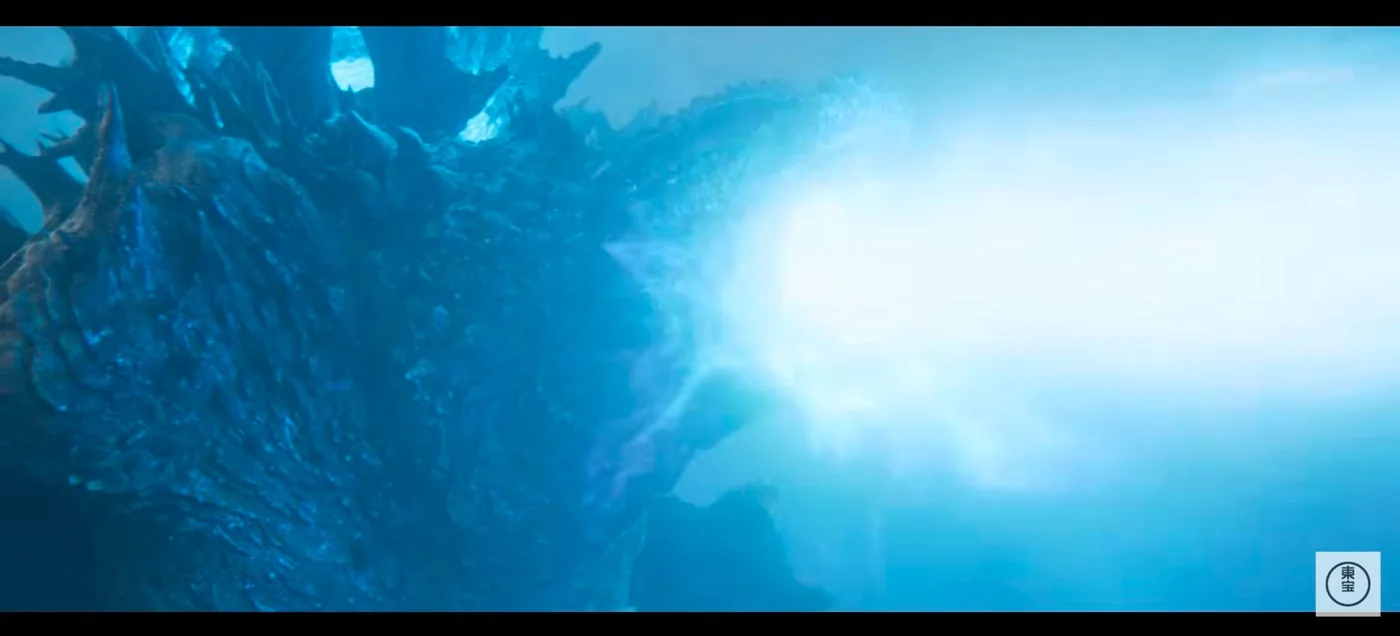
Toho released the preview following its New York Comic Con presentation, showing destruction in 1949 Tokyo as postwar recovery collapses under a fresh monster threat [3]. While Godzilla powers up his blue-white atomic breath, a separate yellow lightning blast tears through city neighborhoods, lifting wooden houses into the stormy air with civilians still trapped inside. The trailer doesn’t reveal the full silhouette of the rival creature, and it won’t arrive in theaters until next month, but the golden energy beams point toward King Ghidorah [5].
The three-headed beast first debuted in 1964 and earned the nickname Monster Zero in franchise history, giving the sequel’s title a direct connection to the creature [6]. Director Takashi Yamazaki chose to deliver the first R-rated entry in the Godzilla franchise, explaining that he refused to censor graphic encounters between the titans. “There were certain scenes that, for me as a director, were so essential to the film. Censoring it or cutting it was just not an option for me,” Yamazaki said about the decision [2]. Premiere coverage describes violent battles that escalate across land and sky as both monsters exchange devastating blows. Early festival reports confirm that the battles push the characters to their limits [6].
The footage also reveals personal stakes for the surviving Shikishima family. In one scene, a physician played by Jun Kunimura warns that a patient “should absolutely have died,” before Noriko removes an eye patch and shouts, “This is the answer!”. New cast addition Masami Nagasawa appears as Makoto Aoyama, whispering a single word to fleeing residents: “Run”. It’s a bleak opening tone that sets up a heavy struggle for the survivors [8].
Cast and Returning Characters in 1949 Tokyo
The story picks up in 1949, two years after the climax of Godzilla Minus One, following Koichi Shikishima as he attempts to build a normal life. Ryunosuke Kamiki returns as Koichi, joined once again by Minami Hamabe as Noriko [8]. Their domestic life faces new trauma because Noriko’s physical condition connects her to the monster’s emergence, drawing the family into another crisis [6].
Actor Hidetaka Yoshioka returns to play Kenji Noda, leading operations at the Disaster Response Bureau after participating in the previous defense mission. He works with weather forecaster Makoto Aoyama to monitor atmospheric disturbances across the capital. Former naval crew members from the Shinseimaru also rejoin the defense effort. Yuki Yamada returns as Shiro Mizushima, and Kuranosuke Sasaki returns as captain Seiji Akitsu. Miou Tanaka returns as Tatsuo Hotta, the former captain who led the destroyer Yukikaze during the Tokyo defense operation [4].
Min Tanaka joins the cast as Kanji Murakami, a biologist who carries psychological scars from the war while studying monster biology. Ko Maehara plays his assistant Akira Hagiwara, helping investigate the creature’s surviving tissue samples. Actor Motosuke Iida portrays Toyo Balloon manager Akio Itagaki again after supplying vital release gear during the previous naval encounter. Sakura Ando returns as Sumiko Ota, who now runs a neighborhood orphanage, while Sae Nagatani plays young Akiko. The ensemble also includes Kenji Misuhashi, Eita Okuno, and Kai Inowaki [4].


Godzilla Minus Zero Marks First IMAX Japanese Production
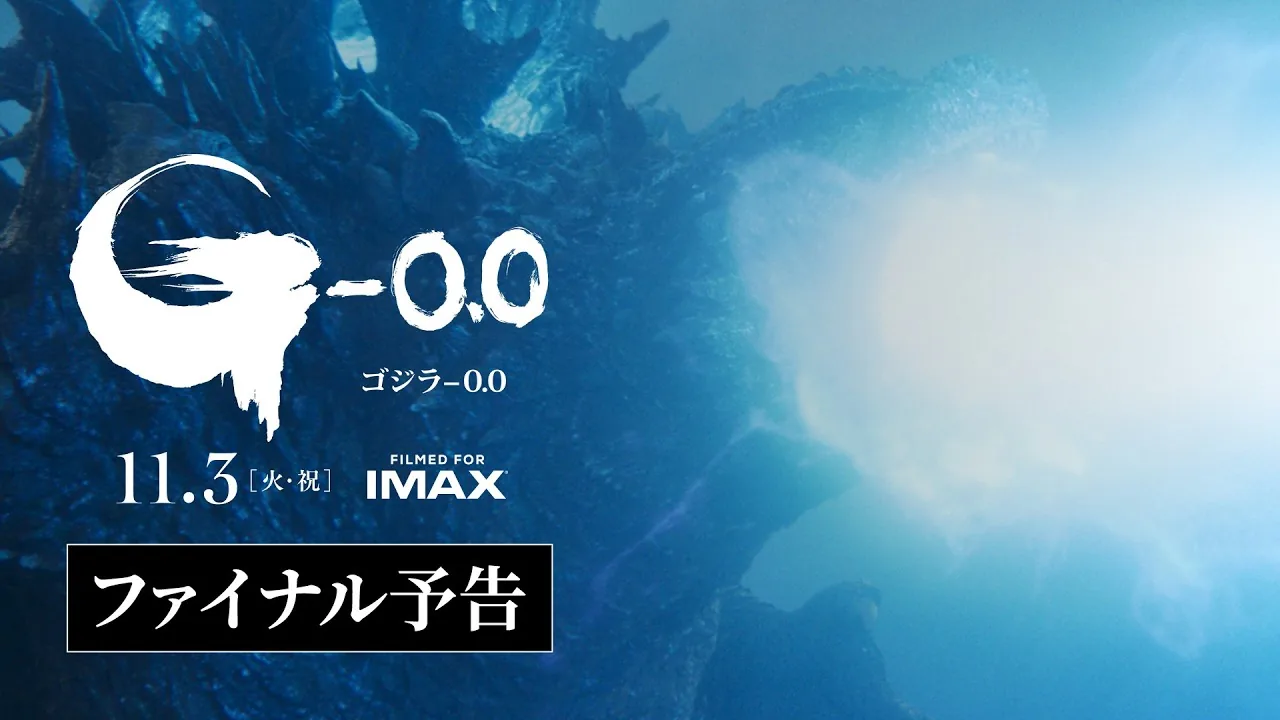
Toho filmed the project using high-definition digital cameras certified by IMAX, making it the first Japanese production to earn the official “Filmed for IMAX” label [4]. The preview shows the aspect ratio expanding vertically during the second half, widening the field of view as monsters collide on screen [6]. Visual effects studio Shirogumi handled digital compositing and monster shots at TOHO Studios with production company ROBOT [1]. The production team optimized audio and visual mastering specifically for large-format auditoriums [4].
Composer Naoki Satō returned to write the score, tuning orchestral tracks to match the expanded acoustic capabilities of IMAX theaters [1]. Director Yamazaki led both screenwriting and digital imagery, drawing on forty years of industry work. Born in Matsumoto City in Nagano Prefecture in 1964, Yamazaki joined Shirogumi in 1986 to build special effects for Juzo Itami films, including The Last Dance in 1993 and A Quiet Life in 1995. He made his feature directing debut with Juvenile in 2000, before his 2005 release Always: Sunset on Third Street won 12 awards at the 29th Japan Academy Film Prize [7].
Japanese studios continue expanding their theatrical pipelines with showcase releases, and other franchise productions have adopted similar rollouts; for example, Bandai Namco Filmworks announced its Future GPX Cyber Formula anime short during its seasonal broadcast reveals. Yamazaki’s crew applied that large-screen ambition to monster filmmaking, pairing IMAX cameras with surround sound mixes [4]. The filmmakers haven’t hidden their desire to deliver overwhelming scale [6].
Early Review Scores and Box Office Background
The film held its world premiere as the Spotlight Gala screening at the 64th New York Film Festival on Saturday, September 26, 2026. Following the festival screening, early critical verdicts registered a 95% approval rating on Rotten Tomatoes across 41 counted reviews. By comparison, the 2023 movie holds a 99% score based on 213 critic reviews [4]. Early reviewers said the sequel maintains emotional weight while escalating destruction, proving it isn’t just a retread of the first movie [8].
Box office expectations run high after the first chapter generated more than $116 million worldwide on a production budget of roughly $15 million [5]. According to Box Office Mojo, the release earned an estimated $57,144,669 in the United States, ranking as the third highest-grossing foreign-language live-action film in American box office history [1]. Yamazaki won Best Visual Effects at the 96th Academy Awards in March 2024, becoming the first director to win the honor since Stanley Kubrick [7].
The previous film also took home eight trophies at the 47th Japan Academy Film Prize, including awards for Best Picture, Best Screenplay, and Best Visual Effects. Yamazaki previously claimed Best Picture and eight prizes for The Eternal Zero in 2013, as well as Best Animation Film honors for Stand by Me Doraemon in 2014 [7]. Looking beyond his monster projects, Yamazaki’s first English-language feature, Grandgear, will open in theaters on February 18, 2028 [1].

Global Theatrical Rollout for Godzilla 0.0
In Japan, the film opens under the title Godzilla -0.0 on Tuesday, November 3, 2026, which coincides with the Japanese national holiday known as Culture Day. November 3 is celebrated as Godzilla Day, commemorating the anniversary of the first Godzilla film’s release on November 3, 1954 [1]. In North America, Toho and GKIDS will release the movie on November 6, while offering early-access IMAX screenings on November 3 [5].
This is the first time a Japan-produced Godzilla title opens in Japan and North America during the same calendar week. TOHO acquired GKIDS in October 2024, which smoothed coordination between Japanese and international theatrical plans. The production will debut during that same week in Latin America, Europe, Asia, the Middle East, Australia, and New Zealand, with distributors promising additional international dates soon [1].
The production marks the 39th theatrical installment across the overarching Godzilla franchise, standing as the 34th feature produced under Toho and the sixth chapter in the Reiwa timeline [8]. Audiences can’t watch the sequel at home yet, but Godzilla Minus One and its black-and-white version, Godzilla Minus One/Minus Color, stream worldwide on Netflix. In North America, digital copies are available for rental and purchase through Apple iTunes, Amazon, and Google Play, while Amazon Prime Video streams both cuts exclusively in Japan [1].
- ONLINE NEWS Anime News Network. (2026, October 11). Godzilla Minus Zero Film Streams Final Trailer. [Article Link]
- ONLINE NEWS Staniforth, N. (2026, October 11). Godzilla Minus Zero trailer brings back the big guy in a terrifying trailer. GamesRadar+. [Article Link]
- ONLINE NEWS Franzese, T. (2026, October 11). Godzilla Minus Zero’s Latest Trailer Continues Teasing A New Monstrous Threat. Polygon. [Article Link]
- ONLINE NEWS IGN. (2026, September 8). Godzilla Minus Zero – Official Trailer. [Article Link]
- ONLINE NEWS Wilding, J. (2026, October 11). Godzilla Minus Zero Final Trailer Is Full Of Epic Action And An Electrifying King Ghidorah Tease. ComicBookMovie.com. [Article Link]
- ONLINE NEWS Kraljik, V. (2026, October 11). ‘Godzilla Minus Zero’ Final Trailer Unleashes Destruction and a Teased Return of King Ghidorah. Comic Basics. [Article Link]
- WEBSITE Toho. (2026, September 8). Takashi Yamazaki Biography and Profile. Godzilla.com. [Article Link]
- ONLINE NEWS Desean, T. (2026, October 11). Godzilla Unleashes His Atomic Breath in Godzilla Minus Zero Final Trailer. Maxblizz. [Article Link]


