



What is Mercury planet?
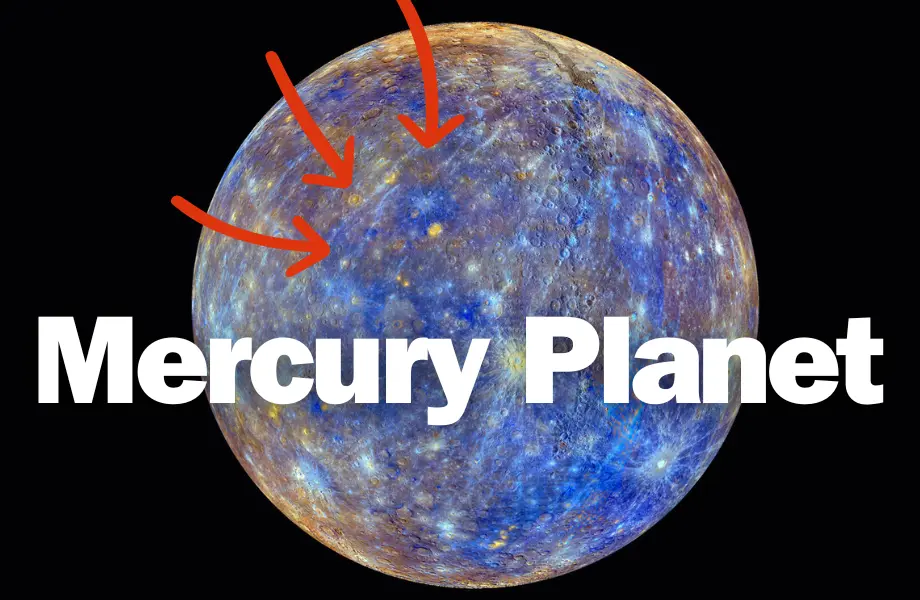
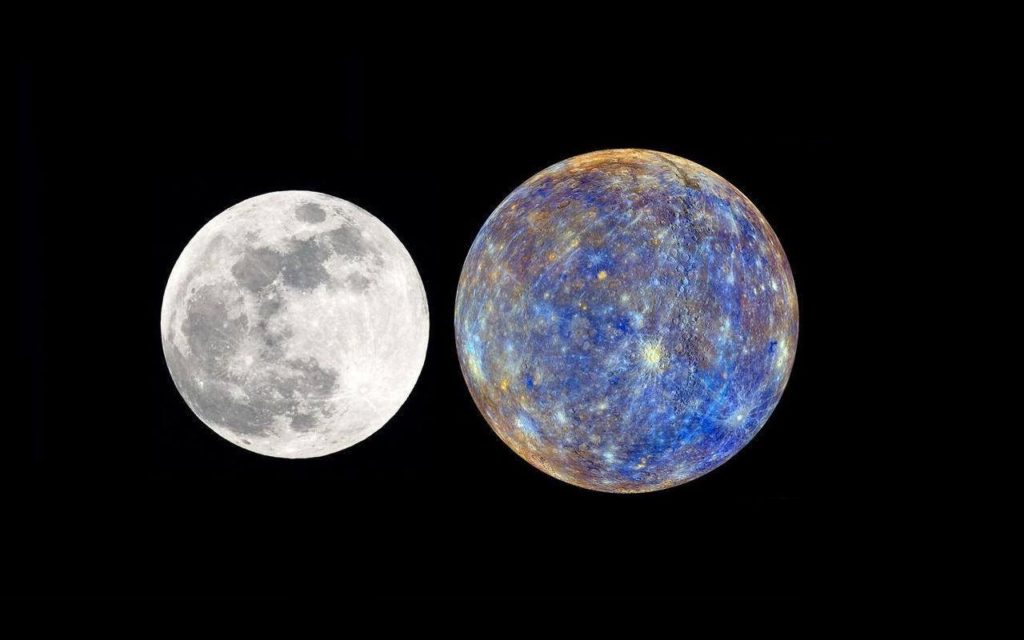
Mercury, the planet closest to the Sun, is the smallest planet in our solar system. Known for its swift orbit, Mercury completes a trip around the Sun in just 88 Earth days, making it the fastest spinning planet in terms of its orbital speed. With a diameter of about 4,880 kilometers (3,032 miles), it is only slightly larger than Earth’s Moon, earning it the description of a moon like planet.
Mercury’s proximity to the Sun results in extreme temperature fluctuations. Daytime temperatures can soar up to 430 degrees Celsius (800 degrees Fahrenheit), while nighttime temperatures can plummet to -180 degrees Celsius (-290 degrees Fahrenheit). This dramatic temperature range is due to its very thin atmosphere, which is unable to retain heat.
As a planet without moons, Mercury stands out among the terrestrial planets. Its lack of natural satellites and unique rotational dynamics, where it rotates three times for every two orbits it completes around the Sun, add to its intriguing nature. Despite its small size, Mercury’s characteristics provide valuable insights into the formation and evolution of our solar system.
Physical characteristics of Mercury
General Characteristics
Mercury has a diameter of approximately 4,880 kilometers (3,032 miles), making it only slightly larger than Earth’s Moon. This similarity in size and appearance has led many to describe Mercury as a moon like planet. Its mass is about 5.5% that of Earth, and its density is the second highest in the solar system, after Earth, due to its large metallic core.
The planet has an average distance of about 58 million kilometers (36 million miles) from the Sun. This proximity to the Sun means that Mercury completes an orbit in just 88 Earth days, making it the fastest spinning planet in terms of its orbital speed. However, its rotational period is quite different, with Mercury taking 59 Earth days to complete one rotation on its axis. This results in a day on Mercury (sunrise to sunrise) lasting about 176 Earth days.

Mercury has an extremely thin atmosphere, known as an exosphere, composed mostly of oxygen, sodium, hydrogen, helium, and potassium. This thin exosphere cannot retain heat, leading to drastic temperature fluctuations. During the day, temperatures on Mercury’s surface can reach up to 430 degrees Celsius (800 degrees Fahrenheit), while at night, they can drop to as low as -180 degrees Celsius (-290 degrees Fahrenheit).
Significance in the Solar System
As the planet closest to the Sun, Mercury provides a unique environment for studying the effects of solar radiation and solar wind on a planetary surface. Its proximity also means that it experiences significant gravitational interactions with the Sun, which have influenced its orbital and rotational dynamics.
Mercury is also significant because it is a planet without moons. This lack of natural satellites distinguishes it from other planets in the solar system, which typically have one or more moons. The absence of moons around Mercury can offer insights into its formation and the early conditions of the solar system.
Orbit and rotation of Mercury
Orbital path and period
Mercury has the most eccentric orbit of any planet in the solar system, meaning its distance from the Sun varies significantly during its orbit. At its closest approach, or perihelion, Mercury is about 46 million kilometers (29 million miles) from the Sun. At its farthest point, or aphelion, it is about 70 million kilometers (43 million miles) away. This eccentricity results in a highly elliptical orbit.
Mercury completes one orbit around the Sun in just 88 Earth days, making it the fastest spinning planet in terms of its orbital speed. This rapid orbit is due to its proximity to the Sun and the strong gravitational forces it experiences. As a result, Mercury travels through space at an average speed of about 47 kilometers per second (29 miles per second).

Rotation period and axial tilt
Mercury’s rotation period, or the time it takes to complete one rotation on its axis, is 59 Earth days. This means that Mercury rotates three times for every two orbits it completes around the Sun. This 3:2 resonance is a unique feature among the planets in our solar system.
The planet’s axial tilt is extremely small, only about 0.034 degrees. This negligible tilt means that Mercury does not experience seasons like Earth does. The lack of significant axial tilt results in uniform solar exposure across its surface during its orbit, contributing to the extreme temperature variations between day and night.
Relationship with the Sun
As the planet closest to the Sun, Mercury is subject to intense solar radiation and gravitational forces. These forces have a significant impact on its orbit and rotation. The Sun’s gravity has locked Mercury into its 3:2 resonance, ensuring that the same regions of Mercury face the Sun at regular intervals during its orbit.
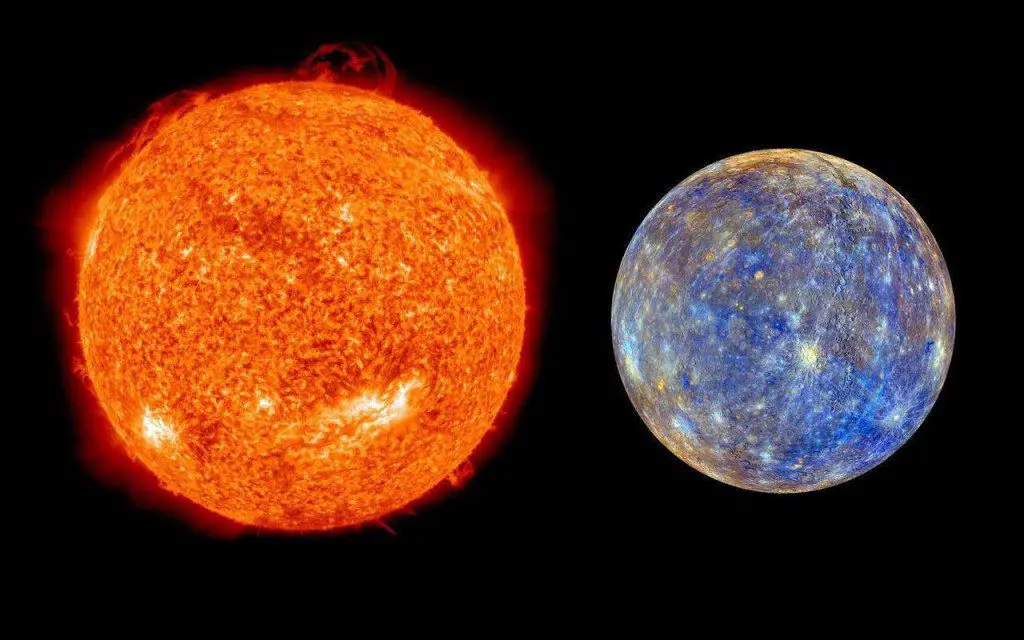
The intense solar radiation also affects Mercury’s exosphere, a thin layer of atoms and molecules that surrounds the planet. Solar wind and radiation pressure continually strip away particles from this exosphere, creating a constantly changing environment.
Mercury’s close relationship with the Sun makes it an important subject of study for understanding the effects of solar forces on planetary bodies. Its unique orbit and rotation provide insights into the dynamics of planetary motion and the interactions between a planet and its parent star.
Temperature and climate of Mercury
Temperature variations
Mercury’s lack of a substantial atmosphere means it cannot retain heat. As a result, temperatures on its surface fluctuate dramatically between day and night. During the day, when the planet closest to the Sun faces the intense solar radiation, temperatures can soar to approximately 430 degrees Celsius (800 degrees Fahrenheit). This makes Mercury one of the hottest places in the solar system.
However, without an atmosphere to trap heat, nighttime temperatures drop precipitously. When the fastest spinning planet completes its rotation, the side facing away from the Sun experiences frigid conditions, with temperatures plummeting to around -180 degrees Celsius (-290 degrees Fahrenheit). This extreme range of temperature is one of the most distinctive characteristics of Mercury’s climate.
Climate and weather patterns
Mercury’s climate is starkly different from what we experience on Earth. As a planet without moons, there are no gravitational influences from natural satellites to affect its climate. Additionally, its negligible axial tilt of just 0.034 degrees means that Mercury does not have seasons as Earth does. The solar exposure is relatively constant across its surface, apart from the day-night cycle.
The lack of a substantial atmosphere also means that Mercury does not have weather patterns in the traditional sense. There are no winds, clouds, or precipitation. The exosphere, a thin layer of atoms and molecules around the planet, is too sparse to support any weather phenomena. Instead, the only changes come from the direct interaction of the surface with solar radiation and solar wind.
Interestingly, the temperature extremes create unique conditions on the planet’s surface. Certain craters near Mercury’s poles are permanently shadowed and never receive direct sunlight. These regions can harbor ice deposits, even though the planet is so close to the Sun. Observations from missions such as MESSENGER have confirmed the presence of water ice in these permanently shadowed craters, highlighting the stark contrast between the scorching day-side and the freezing night-side of this moon like planet.
Geological features of Mercury
Major geological formations
Mercury’s surface is dominated by several significant geological formations. One of the most notable is the Caloris Basin, an enormous impact crater roughly 1,550 kilometers (960 miles) in diameter. The impact that created the Caloris Basin was so powerful that it caused shockwaves to ripple across the planet, forming a region of hilly terrain known as “weird terrain” on the opposite side of Mercury.
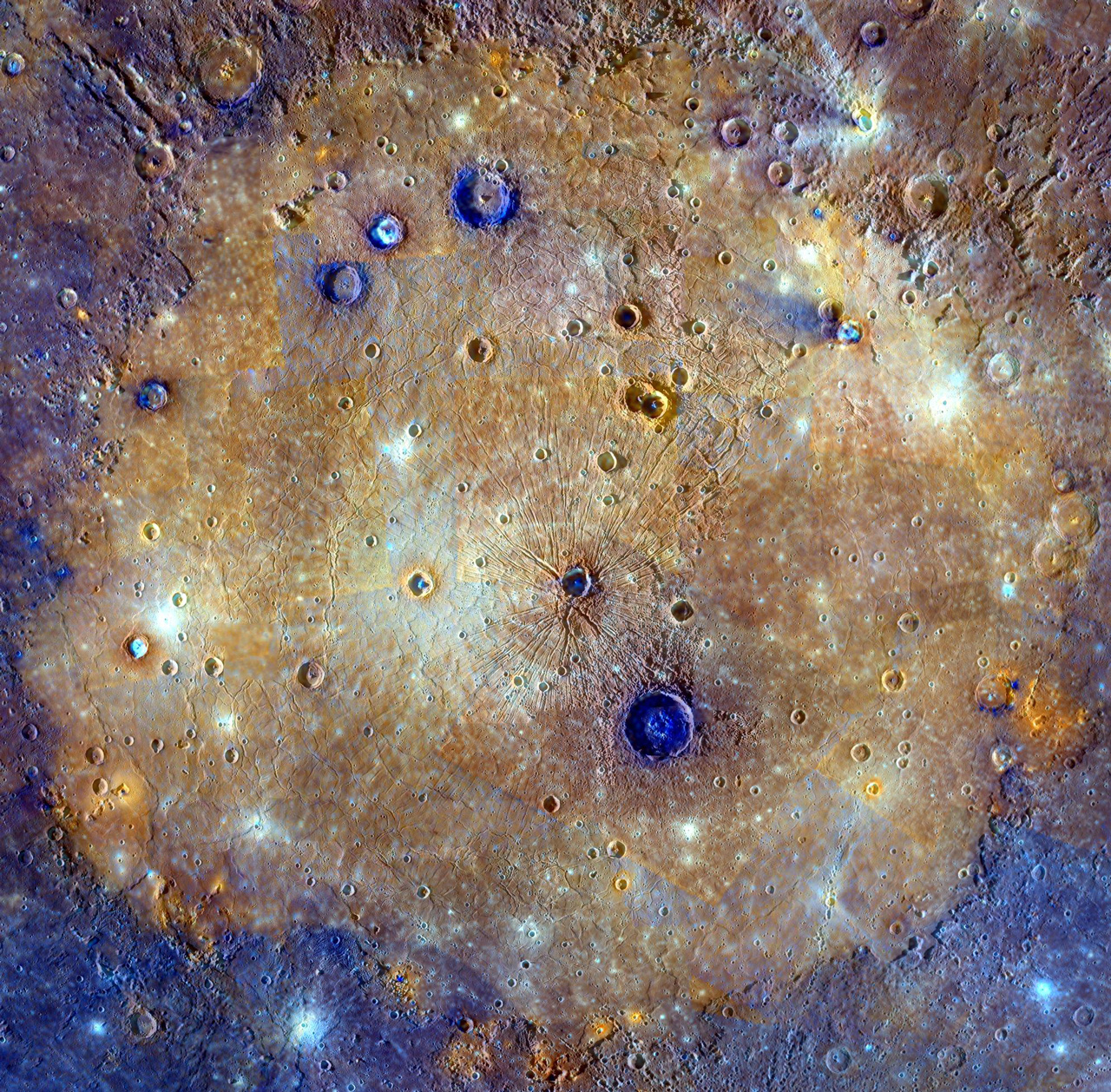
In addition to the Caloris Basin, Mercury has expansive smooth plains that are thought to be the result of ancient volcanic activity. These plains are characterized by fewer craters than other regions, indicating they are relatively younger in geological terms.
Impact craters and plains
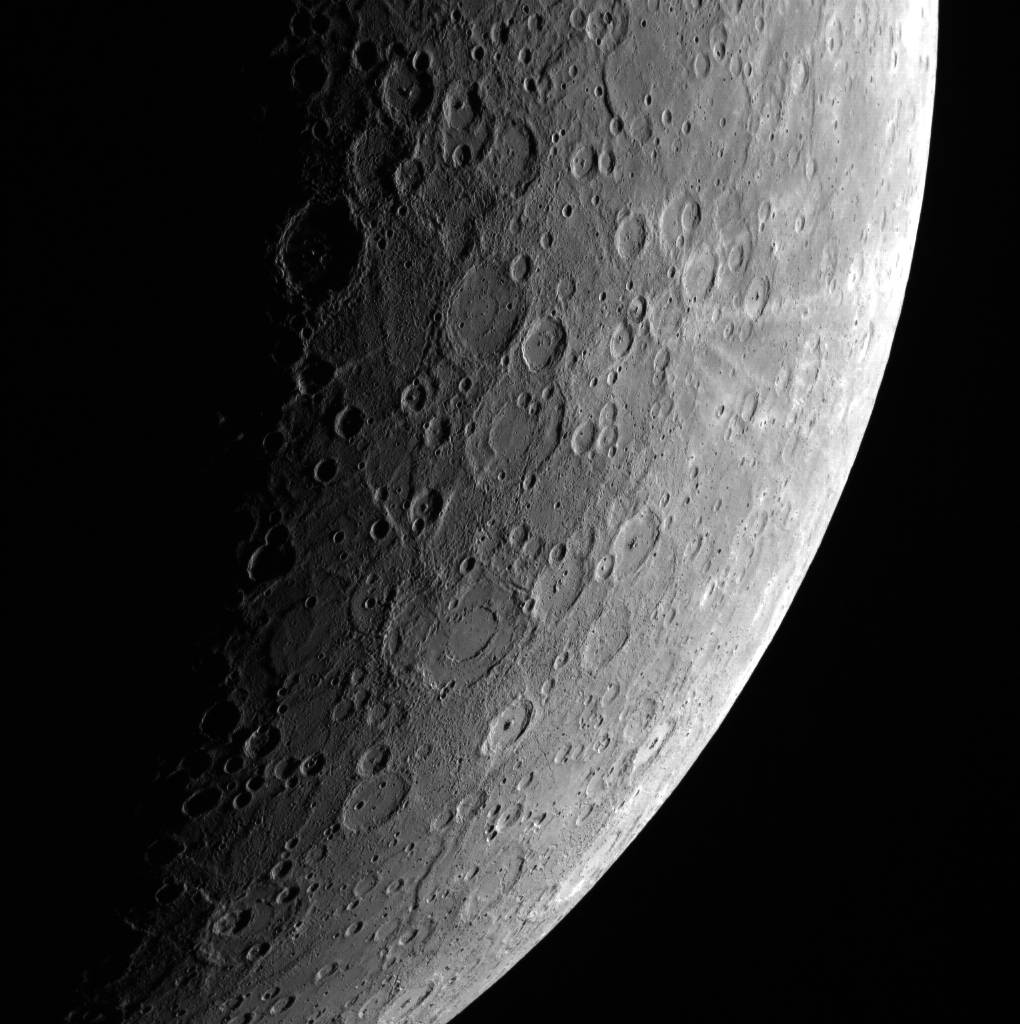
As a moon like planet, Mercury’s surface bears the scars of countless impacts from comets and asteroids. These impacts have created a landscape dotted with craters of all sizes. The largest, like the aforementioned Caloris Basin, are vast and prominent, while smaller craters are numerous and densely packed across the planet’s surface.
The smooth plains of Mercury, such as the northern volcanic plains, are areas where ancient lava flows have filled in older craters and basins, creating flatter, more uniform regions. These plains provide evidence of Mercury’s volcanic past and suggest that the planet experienced significant volcanic activity in its early history.
Tectonic activity
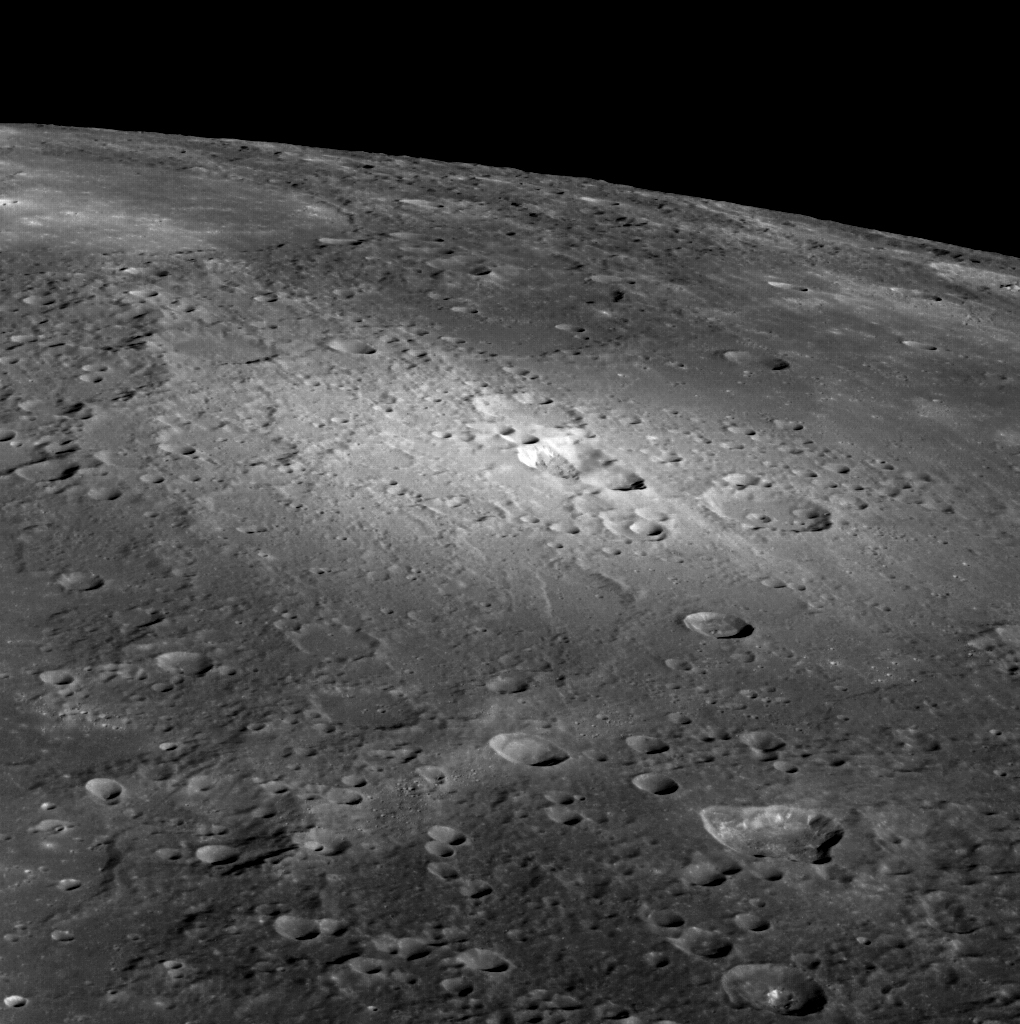
Mercury also exhibits signs of tectonic activity, despite lacking the plate tectonics that characterize Earth. The planet’s interior has cooled and contracted over billions of years, causing the crust to shrink and wrinkle. This process has formed long, steep cliffs known as lobate scarps, which can extend for hundreds of kilometers and rise as high as 3 kilometers (1.9 miles).
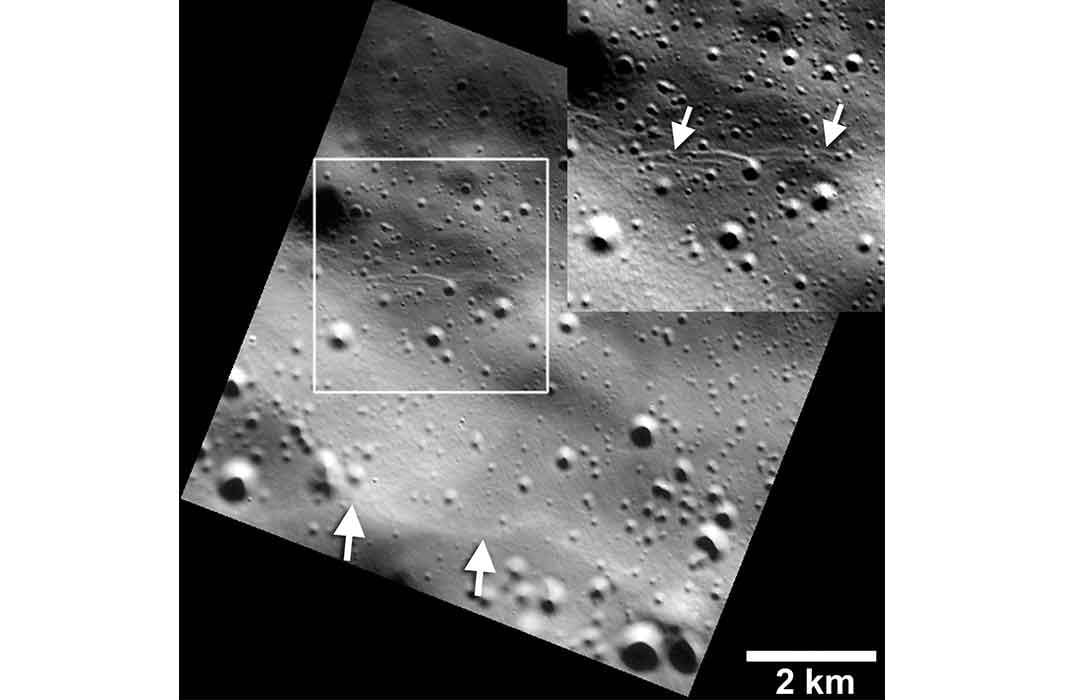
These scarps are evidence of Mercury’s tectonic activity and indicate that the planet’s crust has been thrust upward and over itself in response to internal cooling and contraction. This tectonic deformation suggests that Mercury is still geologically active to some extent, as the planet continues to cool and shrink over time.
Exploration and missions of Mercury planet
Past missions
The first mission to successfully explore Mercury was NASA’s Mariner 10, launched in 1973. Mariner 10 was the first spacecraft to use a gravitational assist from another planet, in this case, Venus, to reach Mercury. During its flybys in 1974 and 1975, Mariner 10 captured the first close-up images of Mercury’s surface, revealing its moon like planet appearance with numerous impact craters and smooth plains. Mariner 10 mapped about 45% of Mercury’s surface and provided the first data on its magnetic field.

(Credit: NASA)
The next significant mission was NASA’s MESSENGER (MErcury Surface, Space ENvironment, GEochemistry, and Ranging), launched in 2004. MESSENGER entered orbit around Mercury in 2011 and provided a wealth of information about the planet closest to the Sun until its mission ended in 2015. MESSENGER mapped 100% of Mercury’s surface, analyzed its chemical composition, studied its magnetic field, and provided detailed images and data on its geological features. This mission revealed the presence of water ice in permanently shadowed craters near Mercury’s poles and detailed the planet’s tectonic activity.

Current and future missions
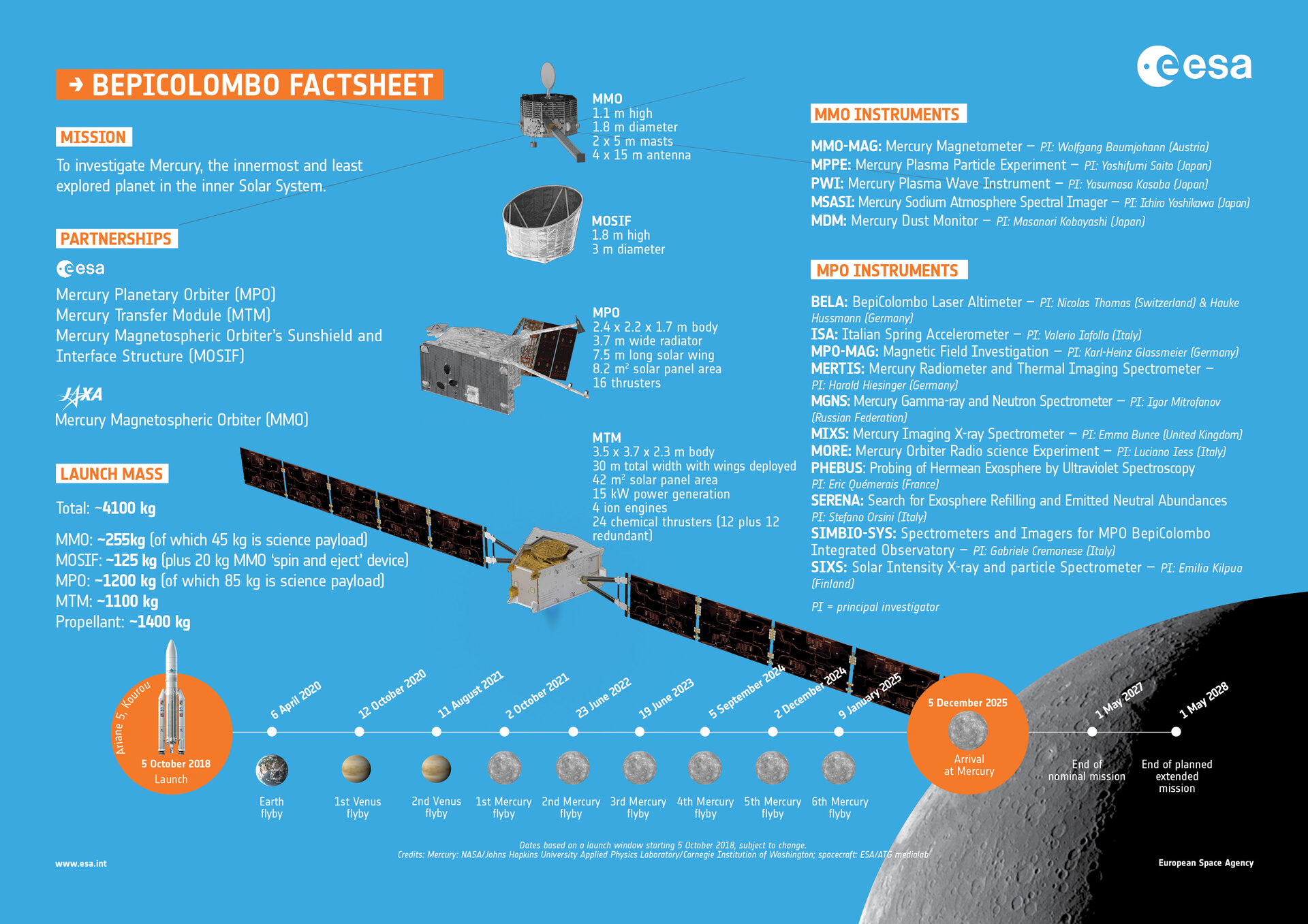
Currently, the European Space Agency (ESA) and the Japan Aerospace Exploration Agency (JAXA) have collaborated on the BepiColombo mission, launched in 2018. BepiColombo consists of two orbiters: the Mercury Planetary Orbiter (MPO) and the Mercury Magnetospheric Orbiter (MMO). This mission aims to build on the discoveries of Mariner 10 and MESSENGER by providing even more detailed information about Mercury’s surface, magnetic field, exosphere, and internal structure.
BepiColombo is expected to arrive at Mercury in 2025 after a complex journey involving multiple flybys of Earth, Venus, and Mercury itself to slow down enough to enter orbit. Once in orbit, BepiColombo’s twin spacecraft will conduct comprehensive studies of Mercury’s surface and environment over its planned mission duration.
These missions have significantly advanced our understanding of Mercury, the fastest spinning planet in terms of its orbit around the Sun. They have revealed a dynamic and complex world, despite its small size and harsh environment. Future missions will continue to unravel the mysteries of this moon like planet, providing further insights into its formation, geological activity, and the broader processes at work in our solar system.
Role in mythology and culture of Mercury planet
Historical and cultural significance
In Roman mythology, Mercury was the messenger of the gods, known for his speed and agility. This association is fitting given that Mercury is the fastest spinning planet in terms of its orbit around the Sun. The Roman god Mercury was also the god of commerce, communication, and travelers, reflecting the planet’s quick movement across the sky. This deity’s characteristics influenced the naming of the smallest planet in our solar system.
In ancient Greek mythology, Mercury was known as Hermes, the fleet-footed messenger of the gods. Hermes was similarly associated with swiftness, trade, and travel. The Greeks also recognized the planet’s rapid movement and its visibility both at dawn and dusk, leading them to name it after this important deity.
/hermes-hermes-551914995-59cc179ad963ac001107f75e.jpg)
Mercury’s role extends beyond Western mythology. In Hindu mythology, Mercury is associated with the god Budh, who represents wisdom and communication. The planet is considered significant in Vedic astrology, influencing intelligence, learning, and communication skills.
References in literature and art
Mercury’s unique position as the planet closest to the Sun and its distinctive characteristics have made it a subject of fascination in literature and art. In Dante’s “Divine Comedy,” Mercury is depicted as a realm for souls who were ambitious for earthly glory. This portrayal reflects the planet’s association with speed and the pursuit of achievement.
In more modern literature, Mercury has often been depicted in science fiction as an extreme and inhospitable world. Its harsh environment, with searing heat and freezing cold, provides a dramatic setting for stories exploring human survival and adaptation. For example, in Isaac Asimov’s “The Dying Night,” Mercury’s challenging conditions are a key element of the plot.

Artists have also been inspired by Mercury, capturing its enigmatic beauty and dynamic nature. The planet’s cratered surface and its phases, as seen from Earth, have been depicted in various astronomical artworks, emphasizing its similarity to a moon like planet.
In music, Mercury’s influence can be seen in works such as Gustav Holst’s orchestral suite “The Planets,” where the movement “Mercury, the Winged Messenger” evokes the rapid and lively character of the planet through quick, sprightly melodies.
Scientific discoveries regarding Mercury
Key scientific findings about Mercury
One of the most significant discoveries about Mercury is its large iron core, which makes up about 85% of the planet’s radius. This core is proportionally larger than that of any other planet in the solar system, contributing to Mercury’s high density. The size of the core has led scientists to hypothesize that Mercury may have lost much of its original mantle and crust due to a massive collision or intense solar radiation early in its history.

This planet also has a surprisingly strong magnetic field, about 1% the strength of Earth’s. This discovery, made by the MESSENGER mission, challenges previous assumptions that small planets like Mercury should have cooled and solidified their cores long ago, rendering them incapable of generating a magnetic field. The presence of this magnetic field suggests that Mercury’s core remains partially molten.
The discovery of water ice in permanently shadowed craters near Mercury’s poles was another groundbreaking finding. Despite the planet’s extreme temperatures, these shadowed regions are cold enough to preserve ice. This discovery was confirmed by MESSENGER, which detected hydrogen-rich areas consistent with water ice deposits.
Additionally, MESSENGER revealed that Mercury’s surface is rich in volatile elements such as potassium, sodium, and sulfur. This composition is surprising given the planet’s proximity to the Sun, which should have driven off such elements during the planet’s formation. These findings suggest that Mercury formed under cooler conditions than previously thought or that these volatiles were delivered to the planet after its formation.
Ongoing research and unanswered questions
Despite the wealth of data collected by missions like Mariner 10 and MESSENGER, many questions about Mercury remain unanswered. The BepiColombo mission, a joint effort by the European Space Agency (ESA) and the Japan Aerospace Exploration Agency (JAXA), aims to address some of these questions. Scheduled to arrive at Mercury in 2025, BepiColombo will study the planet’s surface composition, magnetic field, exosphere, and internal structure in greater detail.


One ongoing area of research focuses on understanding the formation and evolution of this planet’s large core. Scientists are investigating whether the planet’s current state is the result of a giant impact, solar nebula processes, or other mechanisms. Understanding this could provide broader insights into planetary formation in the inner solar system. Another area of interest is the nature of Mercury’s tectonic activity. The planet’s surface features numerous lobate scarps, which indicate that it has contracted as its core cooled.
Researchers are keen to understand the extent and timing of this tectonic activity and what it reveals about Mercury’s internal dynamics. Additionally, scientists are exploring the composition and origin of Mercury’s exosphere. This thin, tenuous atmosphere is constantly replenished by surface sputtering, micrometeorite impacts, and solar wind interactions. BepiColombo’s instruments will help elucidate the processes that maintain and alter this exosphere.
Comparisons with other planets of Mercury
Similarities with other planets
Despite its differences, Mercury shares some common features with other terrestrial planets. Like Earth, Venus, and Mars, Mercury has a solid, rocky surface and an internal structure that includes a metallic core. Its surface is also marked by impact craters, similar to those on the Moon and Mars.
In terms of having a magnetic field, Mercury is somewhat similar to Earth. Both planets possess magnetic fields, although Mercury’s is much weaker—about 1% the strength of Earth’s. This suggests that Mercury’s core is still partially molten, similar to Earth’s, although much smaller in scale.

Differences from other planets
Mercury’s proximity to the Sun results in some dramatic differences from other planets. Its orbital period is the shortest in the solar system, with a year lasting just 88 Earth days. This rapid orbit contributes to its status as the fastest spinning planet in terms of its orbit around the Sun. In contrast, Earth takes 365 days, and even Venus, which is second closest to the Sun, takes 225 days for a year.
Temperature variations on Mercury are also extreme compared to other planets. Its lack of a substantial atmosphere leads to daytime temperatures reaching up to 430 degrees Celsius (800 degrees Fahrenheit) and nighttime temperatures dropping to -180 degrees Celsius (-290 degrees Fahrenheit). This stark contrast is much more pronounced than on planets like Earth or Venus, which have more stable climates due to their thicker atmospheres.
Mercury’s surface features, such as its numerous impact craters and extensive smooth plains, set it apart from other terrestrial planets. Unlike Earth, which has active plate tectonics that constantly reshape its surface, Mercury’s surface has remained relatively stable, showing signs of ancient volcanic activity and tectonic deformation. Its surface is also covered by a layer of fine dust and debris, giving it a moon like planet appearance.
Another significant difference is the lack of moons. Unlike Earth, Mars, and the gas giants (Jupiter, Saturn, Uranus, and Neptune), which have multiple moons, Mercury is a planet without moons. This absence is noteworthy in comparisons with other planets, which often have complex systems of natural satellites.
Mercury’s exosphere is another distinctive feature. While Earth has a dense atmosphere and Venus and Mars have thick atmospheres, Mercury’s exosphere is extremely thin and composed of trace amounts of oxygen, sodium, hydrogen, and other elements. This exosphere is maintained by processes such as surface sputtering and micrometeorite impacts, rather than outgassing from volcanic activity.
Mercury, the planet closest to the sun, holds many mysteries despite its small size. As the smallest planet and a planet without moons, it offers a unique perspective on planetary formation and evolution. Continued exploration and research will undoubtedly reveal more about this fastest spinning planet and its role in our solar system.
- WEBSITE Choi, C. Q. (2023, June 9). Mercury: A complete guide to the closest planet to the sun. Space.com. [Space.com]
- WEBSITE Pester, P. (2022, May 15). Mercury: Facts about the smallest planet. livescience.com. [livescience.com]
- WEBSITE NASA Science. (n.d.). Mercury – NASA Science. NASA. [NASA]
- WEBSITE Astronomy Staff. (2023, October 20). Mercury: Size, distance from the Sun, orbit. Astronomy Magazine. [Astronomy Magazine]
- WEBSITE Jaggard, V. (2018, October 19). Planet Mercury, explained. National Geographic. [National Geographic]
- WEBSITE Petersen, C. C. (2019, July 3). Journey through the solar system: Planet Mercury. ThoughtCo. [ThoughtCo]
APA 7: TWs Editor. (2024, July 19). Mercury: The Planet Closest to the Sun. PerEXP Teamworks. [Article Link]


1 comment