



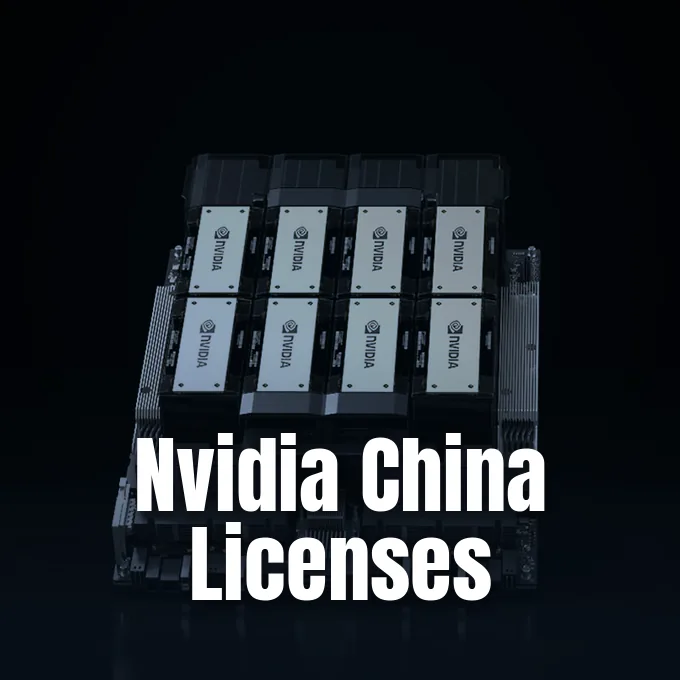
Federal trade officials approved Nvidia H200 sales to Chinese businesses that appear to exist only on paper, according to a report published by The New York Times on November 7, 2026. Reporters visiting listed office sites in Beijing found vacant rooms with no signs of active manufacturing. The Commerce Department granted export permits to firms tied to blacklisted groups, prompting questions from lawmakers and security experts over how Washington vets foreign AI buyers [1].
Nvidia H200 Exports to Chinese Assemblers
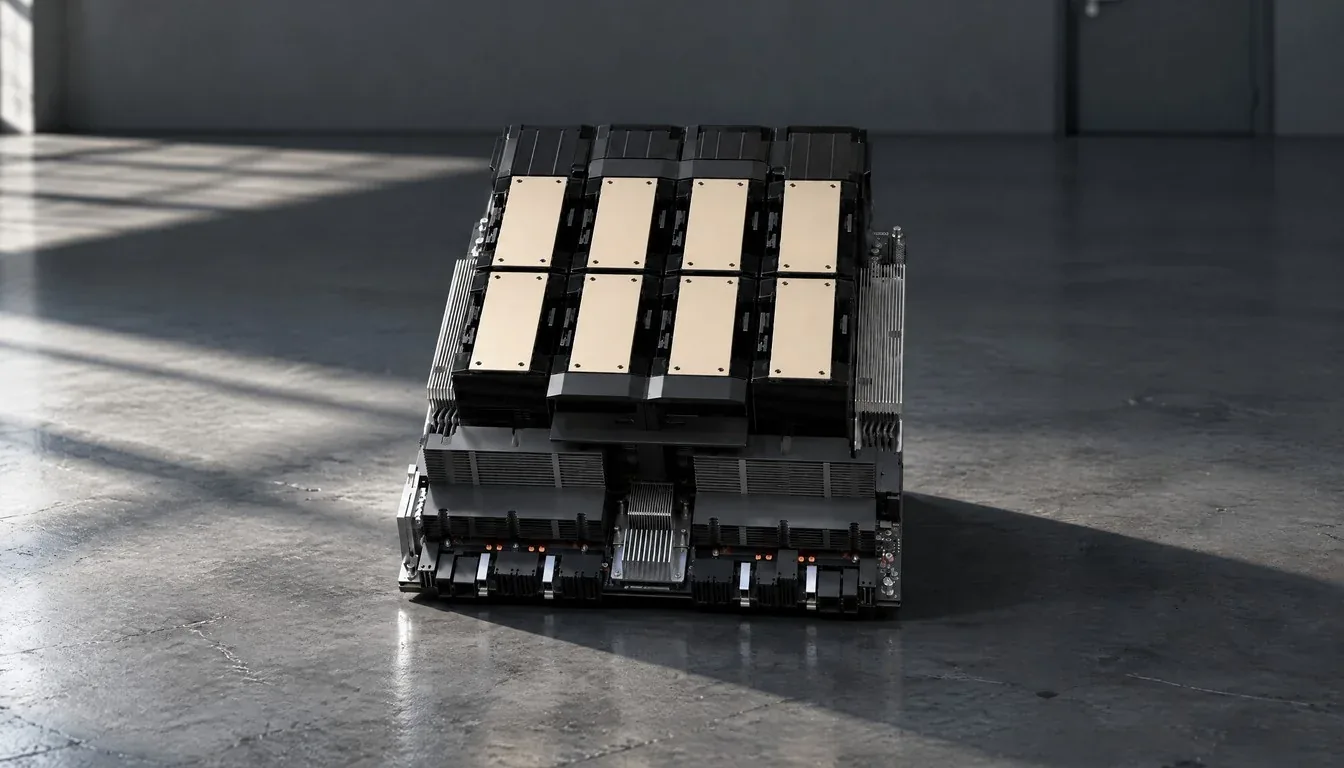
Commerce Department staff granted export permits letting New Matrix assemble advanced chips into server setups for AI models. Corporate records show the Chinese firm started just 17 months before winning federal approval. Because the company was so young, trade officers had little background data to check before granting the license, which let New Matrix turn loose chips into finished server racks for third-party buyers [6].
Agency records indicate that the Commerce Department cleared roughly two dozen Chinese firms to buy or assemble the chips. Server builders sit in the middle of hardware supply networks because they buy loose parts and assemble finished machines for commercial buyers whose names do not appear on original federal export paperwork. That intermediary setup obscures true end users. As Tom Vance reported for Shattered, assembly contracts stretch distribution chains far beyond the original applicant, making post-sale tracking difficult to carry out [6].
Earlier reports from Reuters revealed that telecommunications firm ZTE Kangxun Telecom and server builder Maginfra won buying permits in July. Reuters had also reported in May that Chinese tech giants Alibaba, Tencent, ByteDance, and JD.com had gained permits to purchase the hardware, though no chips had shipped to them at the time. Officials at the Bureau of Industry and Security, the Commerce Department unit that runs export rules, did not comment on the permits [3].

Empty Offices in Beijing
Reporters from The New York Times visited the listed Beijing site of New Matrix in an industrial park on the northwestern edge of the city, discovering a vacant facility that lacked testing gear, power cables, and cooling fans. Investigators found no sign of active server manufacturing. Priya Sharma reported for MadRobot that visitors saw “a hollow gray shell” with loose wires hanging from ceiling holes where light bulbs belonged. The firm was not listed on the park directory, and staff at the site office said they had no record of the business being located in the building [1]. Corporate filings link New Matrix to Wise Road Capital, a blacklisted Chinese equity firm.
Reporters found similar conditions when they visited the listed office of Maginfra in September. Investigators found a locked room furnished only with several vacant desks and wooden chairs. While a tech firm might run assembly lines at a separate factory, the lack of on-site workers makes it difficult for US trade officers to verify that export rules are being obeyed [6].
Checking real commercial spaces serves as a primary tool to stop advanced artificial intelligence chips from slipping to barred overseas buyers who might use intermediate paper entities to acquire sensitive American computing technology. In-person visits provide quick proof. Without physical checks, Washington cannot confirm that Nvidia chips remain inside approved civilian facilities [6].
Ties to Military Suppliers
Public filings show that Maginfra shares registered patents and staff with Inspur, a major Chinese server maker that Washington put on its Entity List for aiding the Chinese military. Tech analysts told reporters that Maginfra looks like an offshoot built to bypass US trade bans. The close ties between the two companies suggest that server assembly permits could give banned groups indirect access to American chip designs [3].
Other approved firms also show links to suppliers that work for Beijing’s military units. Licensing papers show that Zhejiang Yindun Cloud Technology and Shanghai Jiatang gained export permits despite ownership ties to military contractors. Neither firm replied to press questions about their owners or operations, and New Matrix also declined to comment on its business ties [3].
US export rules bar sales of top computing parts to companies that assist foreign defense forces. When approved server builders keep close ties to blacklisted firms, the danger that advanced chips will reach banned military buyers grows significantly. The Commerce Department has tightened AI hardware rules since 2022 to slow China’s military AI projects, but paper-only vetting leaves open paths for restricted groups to obtain Western chips [3].
Policy Reversals Under Trump
The permits follow a sharp turn in US trade policy toward China. President Joe Biden had barred sales of top AI chips to China to protect national security. However, President Donald Trump reversed that ban in late 2025 to permit Nvidia H200 sales after the chipmaker agreed to pay a 15-percent cut of its China revenues to the US government. Trump announced the decision on social media, writing that the plan would “create American Jobs” while keeping America’s lead in AI. Trade expert Alex Capri from the National University of Singapore said the deal buys time for Washington to talk with Beijing over rare earth minerals, where China holds a near-monopoly on processing [2].
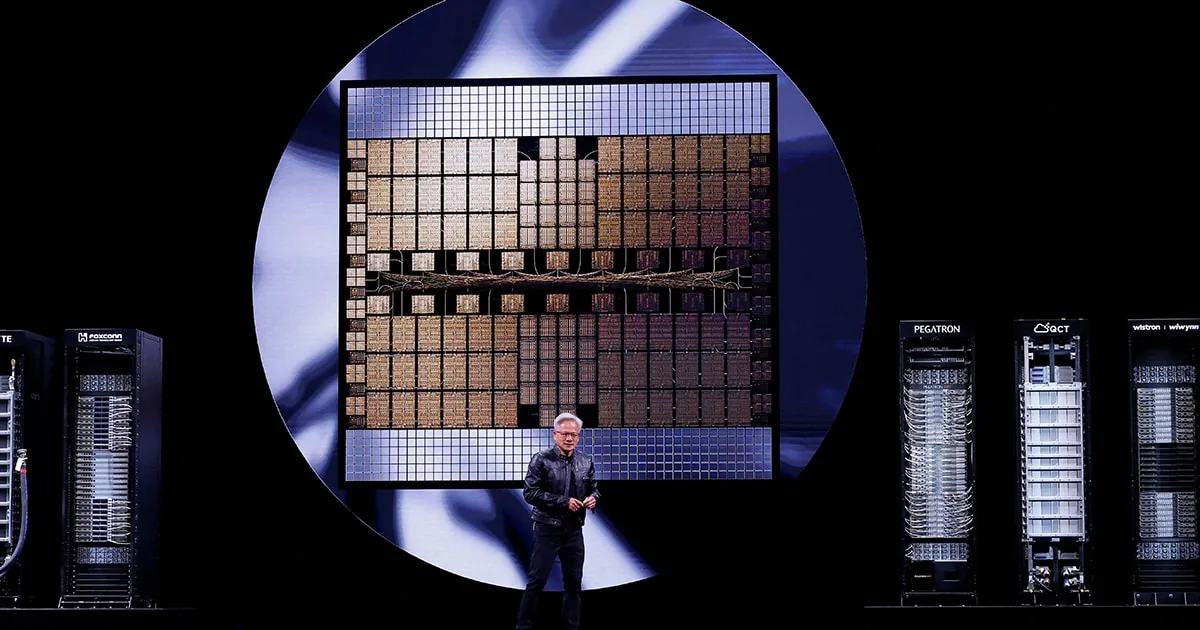
Nvidia chief Jensen Huang lobbied the White House for months to win permission for chip sales. While the H200 chip is one step behind Nvidia’s newest Blackwell design, it runs much faster than any chip Chinese firms like Huawei can make. Council on Foreign Relations fellow Chris McGuire said the H200 is more than six times faster than older chips sent to China. Chinese leaders, including Premier Li Qiang and DeepSeek chief Liang Wenfeng, have both said US chip limits formed the biggest hurdle for their AI work [4].
Statements from the White House caused confusion over the exact fee on shipments. While Nvidia agreed to a 15-percent fee, Trump posted on social media that 25 percent would go to the US government. Council on Foreign Relations fellow Zongyuan Zoe Liu said swinging between tight bans and open doors gives Beijing time to learn and build home-grown chips [4].
Nvidia H200 Sales Under Federal Review
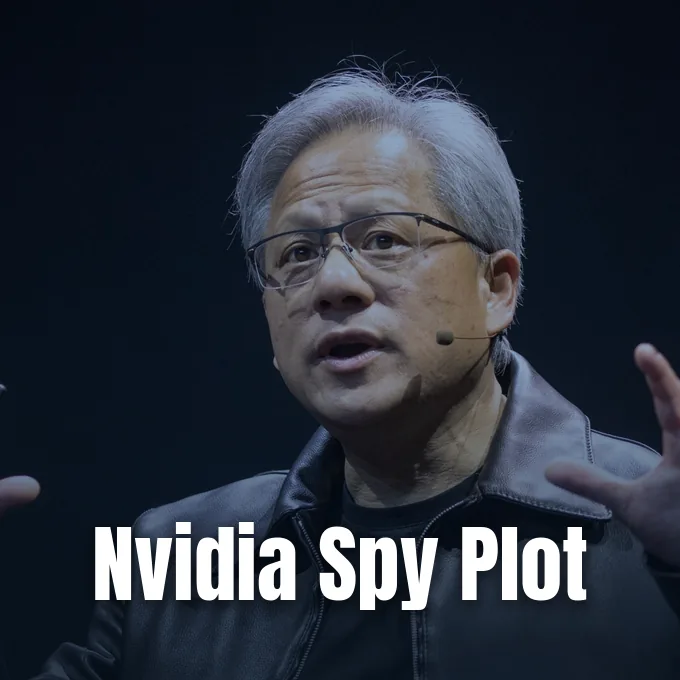
Lawmakers and national security experts say current vetting rules fail to stop chip diversions. Estefano Gomez reported for Crypto Briefing that financial markets are watching the issue as Nvidia prepares for quarterly earnings on November 17 [5]. The debate follows reports that US agents investigated a suspected Chinese spy plot aimed at Jensen Huang through Megaspeed, a cloud firm examined over diverted chips. Terrence O’Brien reported for The Verge that China’s Ministry of State Security targeted Huang during his lobbying drive, adding to bipartisan calls for stricter checks on chip buyers.
Military researchers warn that selling top processors aids foreign defense programs. Cole McFaul, senior research analyst at Georgetown University’s Center for Security and Emerging Technology (CSET), said China’s People’s Liberation Army uses US chips for AI tools. McFaul said selling high-end silicon lets foreign armies gain a “battlefield advantage” against Western forces [2].
Finding empty offices at approved sites highlights the hard task of policing chip exports. As debate grows over Nvidia H200 sales, Commerce Department leaders face calls from lawmakers to run on-site office checks before approving multi-million-dollar chip deals. Unless federal trade inspectors confirm that licensed Chinese server builders run real manufacturing plants with real staff, doubts will remain over where American AI hardware really goes [6].
- ONLINE NEWS O’Brien, T. (2026, November 7). The US let Nvidia sell chips to an empty office in China. The Verge. [Article Link]
- ONLINE NEWS Jamali, L. (2025, December 8). Trump gives Nvidia the OK to sell advanced AI chips to China. BBC News. [Article Link]
- ONLINE NEWS Sharma, P. (2026, November 7). The US cleared Chinese firms with empty offices to handle Nvidia’s top AI chips, NYT finds. MadRobot. [Article Link]
- REPORT Council on Foreign Relations. (2025, December 9). The consequences of exporting Nvidia’s H200 chips to China. Council on Foreign Relations. [Article Link]
- ONLINE NEWS Gomez, E. (2026, November 7). U.S. reportedly approved Nvidia chip sales to Chinese firms with empty offices. Crypto Briefing. [Article Link]
- ONLINE NEWS Vance, T. (2026, November 7). Nvidia H200 China: 17-month-old firm, empty office. Shattered. [Article Link]


