




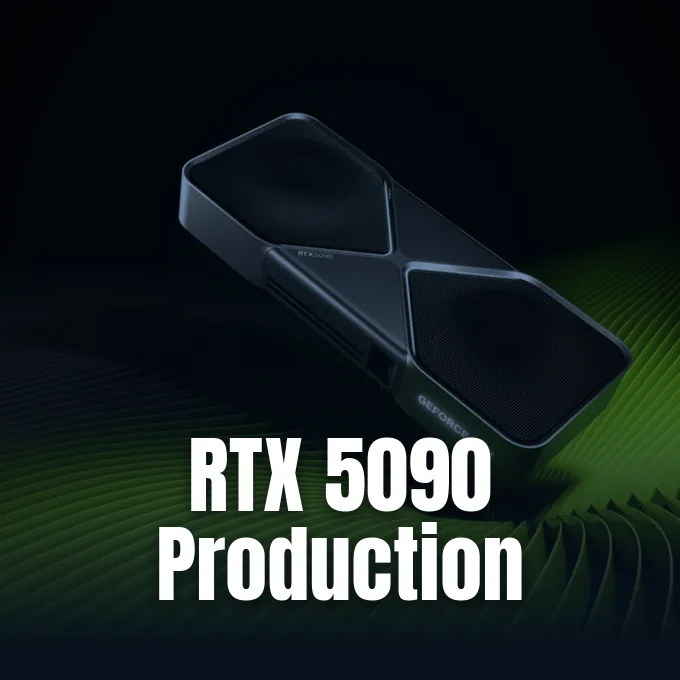
Nvidia has reportedly stopped manufacturing the GeForce RTX 5090 graphics card, cutting off supply for its top consumer desktop model as chips get redirected toward enterprise artificial intelligence [1]. Leaked notices from an unnamed manufacturing facility claim production has halted for standard models along with the regional RTX 5090 D variant tailored for China [3]. While the company hasn’t publicly confirmed the move, hardware insiders say the decision leaves the upcoming RTX 5080 24GB model as the company’s leading consumer graphics card [1].
Factory Leak Points to GeForce RTX 5090 Production Halt
The reports surfaced when hardware leaker @hongxing2020 shared details from a leaked factory notification stating that Nvidia will no longer manufacture any RTX 5090 units. According to reporting from Tom’s Hardware, the notice instructed partners that the RTX 5080 24GB will step in as the top consumer card while the existing 16GB version of the RTX 5080 faces discontinuation. A second leaker, @Zed__Wang, supported the claim, explaining that the underlying GB202 silicon is being reassigned exclusively to data centers and professional hardware boards. Nvidia hasn’t made an official announcement regarding product lines, and Tom’s Hardware said the company did not respond to requests for comment [1].
Direct messages circulated among manufacturing partners told distributors to prepare for major inventory shifts. “Going forward, the highest-end GeForce graphics card will be the RTX 5080 24GB, while the RTX 5080 16GB version will be discontinued. Please spread the word,” the leaked notice stated [1]. The change stops fresh assembly lines for the GeForce RTX 5090, but retailers still hold stock that will sell through normal distribution channels over coming months [3].
Dylan Horetski at Dexerto pointed out that halting factory lines doesn’t mean shelves will empty overnight. Retailers and add-in board partners still carry boxed cards, so shoppers can still purchase stock until warehouses run dry. However, as replacement units fail to arrive from packaging plants, tightening inventory will likely drive retail prices upward as secondary sellers react to the stoppage [3].
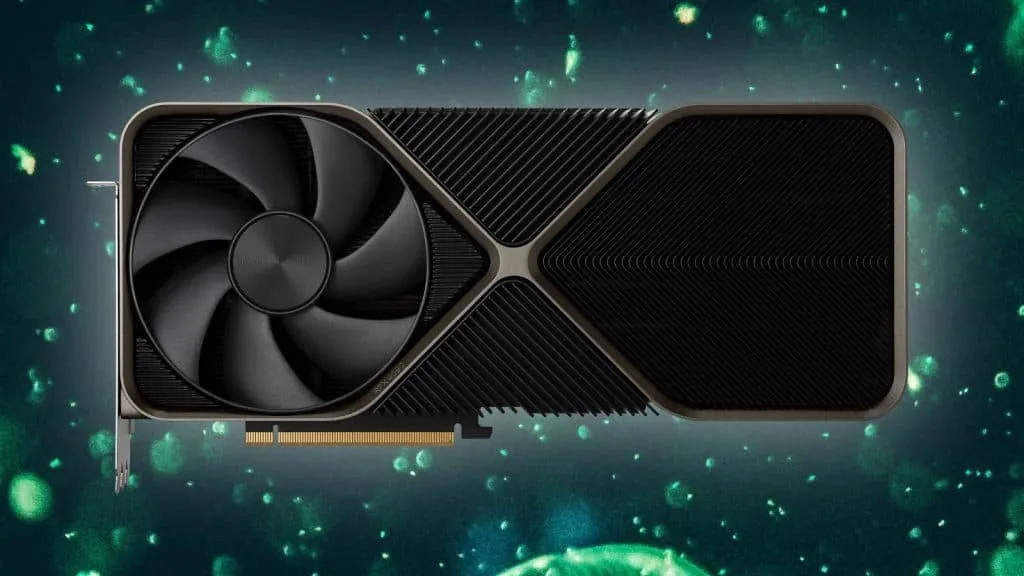
Nvidia Reallocates GB202 Silicon to AI Workloads
The driving force behind the production pivot is the sheer commercial appetite for artificial intelligence infrastructure. Leaker MEGAsizeGPU, who previously revealed naming plans through Digital Foundry, asserted that Nvidia is redirecting its supply of GB202 GPU dies away from gaming boards and directly into RTX Pro cards. These enterprise accelerators serve commercial AI developers who build and fine-tune machine learning models on local workstations rather than remote servers. When chip foundries produce top-tier silicon dies, selling them to enterprise buyers yields vastly higher revenue per wafer than packaging them into consumer graphics cards [2].
Nvidia openly describes its workstation accelerators as tools designed for demanding enterprise computation and local model workflows. “From breathtaking architectural and industrial design to advanced special effects, complex scientific visualizations, and AI tasks like fine-tuning large language models and running local AI assistants, the Nvidia RTX Pro platform is the heart of the world’s most powerful and efficient professional computing solutions,” the company stated on its official hardware overview. Enterprise teams rely on these boards to run autonomous software agents that carry out routine business tasks securely [2].
The price contrast between gaming cards and workstation silicon explains why Nvidia favors business clients. For comparison, the RTX Pro 5500 features the same core count as the GeForce RTX 5090 but packs far more memory for heavy workloads. Meanwhile, the company’s flagship RTX Pro 6000 sells for around $15,000, dwarfing consumer desktop pricing. Shifting high-end dies toward professional buyers turns each chip into a substantially more profitable sale [3].
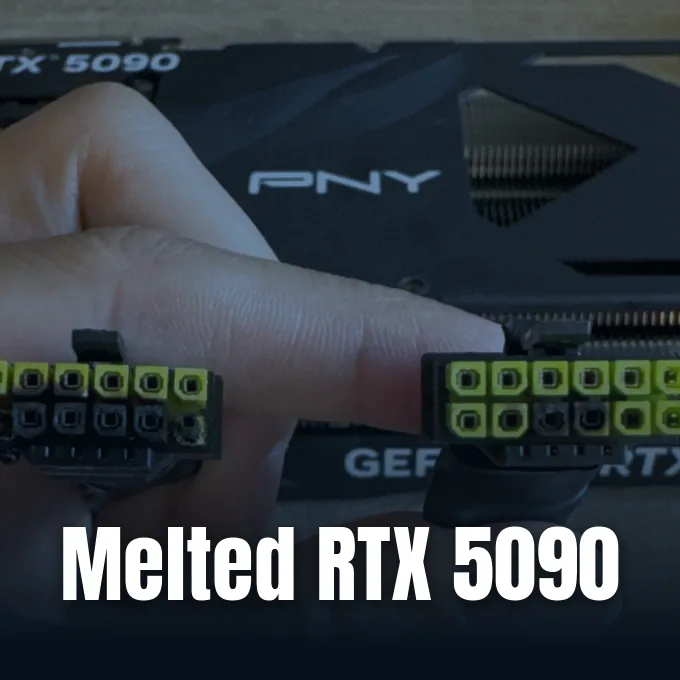

RTX 5090 Shift Leaves Gaming Flagship in Flux
With the flagship bowed out of production, the GeForce product stack faces an unexpected reshuffle for high-end builders. The leaked factory notice indicates that the upcoming RTX 5080 24GB will take over as Nvidia’s top desktop offering, while the slower 16GB variant gets cancelled [1]. Mark Warren at Rock Paper Shotgun noted that enthusiast gamers looking for uncompromised frame rates won’t find another consumer board matching the flagship’s memory bus width. That leaves regular PC owners paying premium prices for cut-down silicon configurations [2].
Software optimizations can help narrow the gap between tiers, but raw silicon constraints set firm limits. While software experiments show LevinAI using developer vibe coding to boost RTX 50 GPUs, card supplies depend on how chips get allocated at the factory level. Gamers who skipped earlier generations hoping for steady flagship availability now face a market where halo products disappear before mainstream prices settle down. The gap between workstation buyers and desktop gamers continues to widen [2].

What happens to prospective buyers who planned custom builds around the card? Enthusiasts can still track inventory through retail distributors, but available units will likely command steep markups as word spreads [3]. Video Games Chronicle also shared claims that the most powerful gaming GPU has ceased production, reflecting how rapidly the leak traveled through the PC hardware community [4]. PC builders who want top tier performance may need to reconsider whether the RTX 5080 24GB meets their project requirements [1].
Memory Shortage Constrains Broader Hardware Release Schedules
The decision to halt GeForce RTX 5090 production doesn’t happen in a vacuum; it arrives amid an acute component crunch that grips the wider hardware sector. Vikki Blake at GamesIndustry.biz reported that memory supply constraints have already delayed a rumored RTX 50 Super refresh, which was expected to feature a 24GB RTX 5080 Super card. Sourcing high-speed VRAM modules has become increasingly difficult as tech firms race to secure supply lines for generative AI server clusters. When server builders purchase memory in bulk, consumer manufacturing lines take a secondary priority [1].
The fallout stretches well beyond Nvidia’s catalog into home consoles and handhelds. Sony might hold off on releasing the PS6 until 2028 or 2029 as a direct result of memory shortages, while Valve stated it faces limits on memory capacity for its future gaming devices. Xbox similarly warned that rising memory costs would shape the pricing and availability of its upcoming hardware, codenamed Project Helix. With memory bottlenecks spreading, console makers and graphics vendors alike are forced to reconsider their multi-year hardware roadmaps [1].
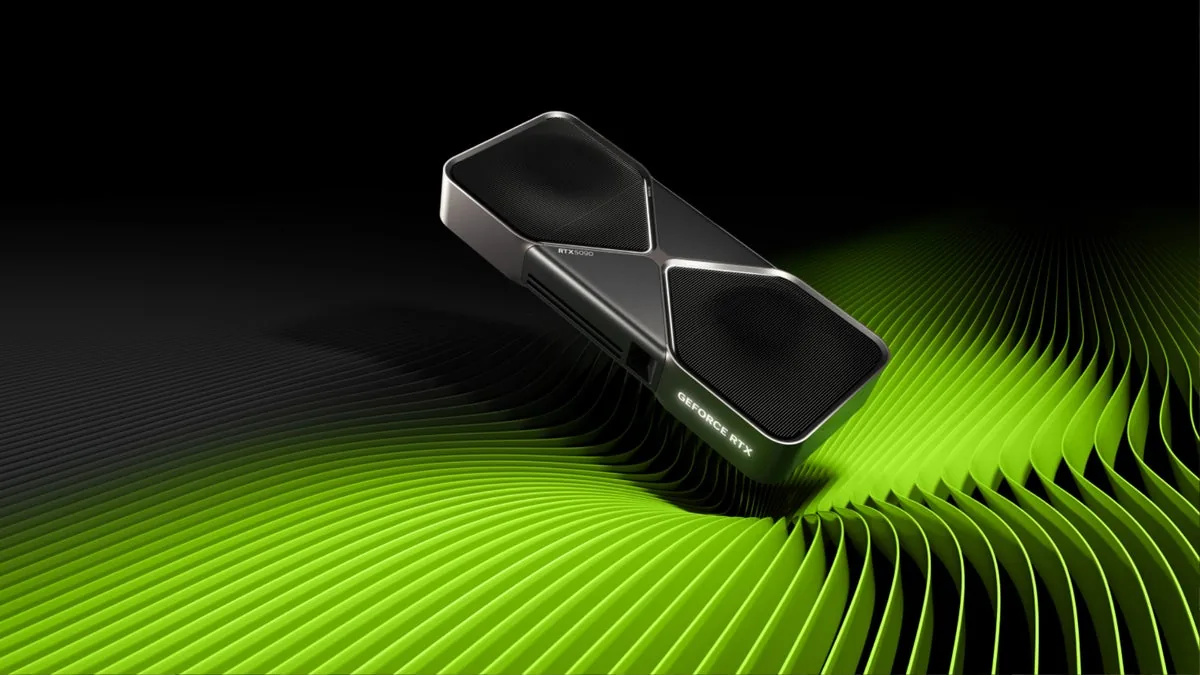
Memory manufacturers face legal scrutiny over how these supply problems escalated. Mark Warren pointed out that memory suppliers Micron, Samsung, and SK Hynix face a United States lawsuit alleging they worsened the memory crisis through price fixing. Hardware writers including James and contributor Jon Martindale have tried helping shoppers navigate the market as prices for RAM, solid-state drives, and desktop graphics cards climb steadily. Until supply balances return, component costs will keep retail shelves volatile [2].
Enterprise AI Profit Margins Squeeze Consumer Availability
The broader timeline for next-generation consumer graphics suggests that relief won’t arrive anytime soon. Reporting from The Information in February 2026 revealed that Nvidia was already cutting back RTX 50-series production runs and postponing planned product refreshes due to ongoing shortages [3]. Rumors suggest that Nvidia’s next architecture, the Rubin-based RTX 60 series, won’t launch until late 2027 at the earliest, with some projections stretching into 2028 [1]. If the GeForce RTX 5090 exits early, enthusiasts face a long gap without a halo gaming card on store shelves [3].
The economic calculation for Nvidia stays straightforward as artificial intelligence data centers absorb every available GPU die. A consumer GeForce card brings in a few thousand dollars at retail, but repackaging the exact same GB202 silicon as an enterprise accelerator commands tens of thousands of dollars from cloud providers [3]. While high-end PC gamers propelled the GeForce brand for decades, enterprise contracts for model training and local agent deployment offer margins that consumer desktop hardware simply can’t match [2].
For gamers eyeing flagship upgrades, patience and careful inventory monitoring will be helpful over the coming months. Existing inventory of the GeForce RTX 5090 will still appear at select retailers, but prices will likely climb above suggested retail figures as supplies dwindle [3]. Buyers unwilling to pay inflated reseller prices will have to weigh whether the RTX 5080 24GB provides sufficient compute power for their setups, or hold out until foundry capacity eventually catches up with worldwide demand [1].
- ONLINE NEWS Blake, V. (2026, October 12). Nvidia reportedly ends GeForce RTX 5090 graphics card production. GamesIndustry.biz. [Article Link]
- ONLINE NEWS Warren, M. (2026, October 12). Nvidia are abandoning their RTX 5090 graphics cards in order to focus on AI dev friendly RTX Pro ones, leaker claims. Rock Paper Shotgun. [Article Link]
- ONLINE NEWS Horetski, D. (2026, October 12). Nvidia stopping RTX 5090 production to focus on AI graphics cards: Report. Dexerto. [Article Link]
- ONLINE NEWS Video Games Chronicle. (2026, October 12). Nvidia has reportedly stopped producing RTX 5090 cards to focus on RTX Pro GPUs for AI data centers. Video Games Chronicle. [Article Link]


