



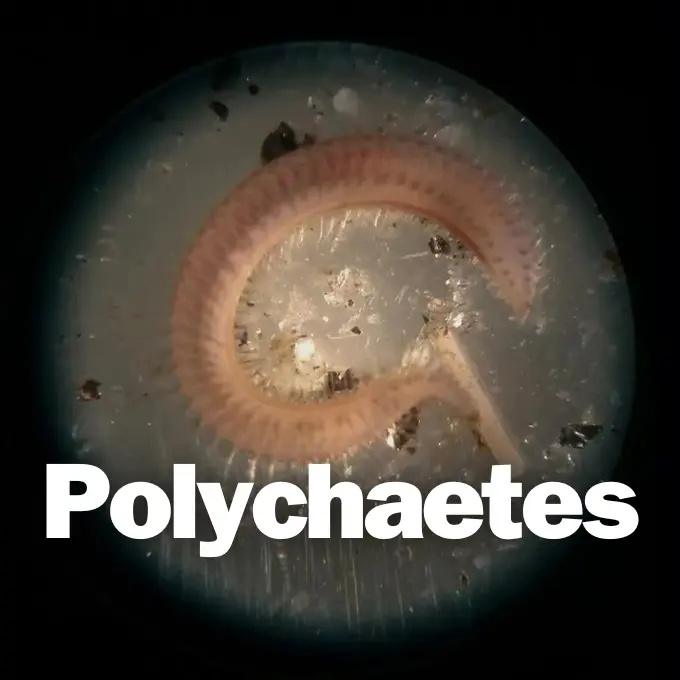
Antarctic marine worms, close relatives of earthworms known as polychaetes, have intrigued scientists due to their survival in the frigid waters of Antarctica. While some Antarctic species like icefish produce antifreeze proteins, which are crucial for their survival, many others do not, as noted by Cinzia Corinaldesi, a marine ecologist at Marche Polytechnic University in Ancona, Italy.
Corinaldesi and her colleagues have uncovered a fascinating adaptation in three species of Antarctic polychaetes. They found that specialized bacteria living within these worms produce proteins that prevent them from freezing, offering a critical survival advantage in the harsh Antarctic environment. This discovery underscores the pivotal role of microbes in supporting their host organisms, highlighting a significant area where our understanding of marine microbial ecology remains limited, according to Amy Apprill, a microbial ecologist at Woods Hole Oceanographic Institution in Massachusetts, who was not involved in the study.
The researchers conducted their investigations across three coastal regions of Antarctica within the Ross Sea, where they collected ocean sediment containing these resilient worm species. Despite water temperatures hovering around –1° Celsius at these sites, the worms thrive, aided by their microbial partners. Back in their laboratory in Italy, Emanuela Buschi, now a researcher at Anton Dohrn Zoological Station in Fano, analyzed the DNA of these polychaetes to identify the specific microbes residing within them.

Researchers identified Meiothermus silvanus and two types of Anoxybacillus as the predominant bacteria residing within Antarctic polychaetes. Interestingly, these bacteria were absent in separate analyses of sediment samples and DNA from related worm species, highlighting their unique association with the worms.
These bacterial symbionts play a crucial role in the survival of the polychaetes in freezing Antarctic waters. They produce enzymatic proteins that help the worms tolerate cold temperatures by generating glycerol and proline. These compounds effectively lower the freezing point of internal fluids, providing essential protection against extreme cold conditions, explains Cinzia Corinaldesi.
While Meiothermus bacteria are not currently found in the modern Antarctic ocean floor, they have been discovered in frozen sediment beneath the nearby Ross Ice Shelf. This suggests a historical and possibly inherited connection between these bacteria and polychaetes across generations, Corinaldesi notes. The researchers speculate that these beneficial bacteria may be passed from parent worms to their offspring.
To confirm this vertical transmission, further research would involve analyzing the microbiome of polychaetes at different life stages, comments Amy Apprill. Additionally, young worms might acquire these bacteria through interactions with other worms.
The relationship between polychaetes and their microbial partners is mutually beneficial, Corinaldesi emphasizes. The bacteria gain a secure habitat within the worms, while in return, they produce protective proteins that enhance the worms’ survival in challenging Antarctic environments.
Corinaldesi is currently delving deeper into the connections between Antarctic organisms and their microbial counterparts, investigating the evolutionary history of these relationships. Her ongoing research on Antarctic microbiomes aims to unveil the mechanisms behind how life adapts to extreme environmental conditions. This exploration promises insights into the intricate strategies that enable organisms to thrive in such harsh and challenging habitats.
- ONLINE NEWS Incorvaia, D. (2024, June 21). Beneficial bacteria help these marine worms survive extreme cold. Science News. [Science News]
- JOURNAL Buschi, E., Dell’Anno, A., Tangherlini, M., Candela, M., Rampelli, S., Turroni, S., Palladino, G., Esposito, E., Lo Martire, M., Musco, L., Stefanni, S., Munari, C., Fiori, J., Danovaro, R., & Corinaldesi, C. (2024). Resistance to freezing conditions of endemic Antarctic polychaetes is enhanced by cryoprotective proteins produced by their microbiome. Science Advances, 10(25). [Science Advances]
- JOURNAL Carr, S. A., Vogel, S. W., Dunbar, R. B., Brandes, J., Spear, J. R., Levy, R., Naish, T. R., Powell, R. D., Wakeham, S. G., & Mandernack, K. W. (2013). Bacterial abundance and composition in marine sediments beneath the Ross Ice Shelf, Antarctica. Geobiology, 11(4), 377–395. [Geobiology]
APA 7: TWs Editor. (2024, June 23). Polychaetes’ New-Found Adaptation: The Coldest Survivors!. PerEXP Teamworks. [Online News Link]


