



APA 7: TWs Editor & ChatGPT. (2023, October 3). The Tale of Paper. PerEXP Teamworks. [Article Link]
In the vast library of human history, paper stands as a remarkable chapter, a conduit for the transmission of knowledge, culture, and innovation. This article embarks on an expedition through time and space, unraveling the fascinating story of paper. From its ancient origins in Egypt and China to its pivotal role in the spread of ideas along the Silk Road and its transformation by the Gutenberg press, this narrative traces the journey of paper through the annals of human civilization.
Papyrus: The early parchment
The history of paper is a journey through time, tracing the evolution of human communication. One of the most significant chapters in this narrative is the transition from papyrus to parchment. This transformation not only revolutionized the way we record information but also played a pivotal role in the preservation of knowledge through the ages.
Our story begins in ancient Egypt, where the Egyptians ingeniously crafted the first form of paper known as papyrus. Papyrus sheets were made by carefully slicing the inner pith of the papyrus plant into thin strips, which were then layered in perpendicular fashion. Afterward, the sheets were soaked, pressed, and dried, resulting in a smooth, durable surface for writing. This innovation revolutionized record-keeping, enabling the Egyptians to compile vast libraries of knowledge, including religious texts, historical records, and administrative documents.

While papyrus was a significant leap forward, it had limitations. It was sensitive to moisture and could easily deteriorate, making it unsuitable for certain climates. As a response to these challenges, the ancient Greeks and Romans introduced parchment, a writing material made from animal hides, typically that of sheep or goats.

The preparation of parchment was a meticulous process. After the animal hide was carefully cleaned, it underwent a series of treatments, including soaking in water and scraping off hair and flesh residues. The resulting material was more resilient, providing a durable and versatile surface for writing. Parchment not only withstood the test of time but also retained its quality in diverse environmental conditions, making it the preferred medium for important documents, religious texts, and illuminated manuscripts.
The adoption of parchment marked a turning point in the history of writing materials. Its durability and adaptability transcended the boundaries of time and space, allowing knowledge to be disseminated across continents and preserved for future generations. The iconic texts of antiquity, from the works of Aristotle to religious scriptures, owe their survival to parchment.
The birth of paper in ancient China
The history of paper, particularly its birth in ancient China, is a testament to human innovation and the profound impact that seemingly simple inventions can have on the course of civilization. This narrative unfolds during the Han Dynasty, a period of remarkable advancements in various fields, including technology and culture.
The development of paper as we know it is often attributed to Cai Lun, a Chinese court official, and inventor, around 105 CE. His breakthrough came through a meticulous process that involved macerating mulberry bark, hemp, old rags, and fishing nets into a pulp. This pulp was then carefully pressed and dried to create thin sheets of paper.

Prior to paper, writing in China, as in many parts of the world, was primarily done on materials that were less versatile, more cumbersome, or prohibitively expensive. Bamboo and wooden surfaces were readily available but had limitations in terms of portability and ease of writing. Silk, although a luxurious option, was costly and thus inaccessible to the masses.
Cai Lun’s papermaking innovation brought about a writing medium that was not only more readily available but also significantly more versatile. This new material was lightweight, easy to store and transport, and most importantly, it was cost-effective. As a result, it quickly gained popularity in China, leading to the mass production of books and the widespread dissemination of knowledge.
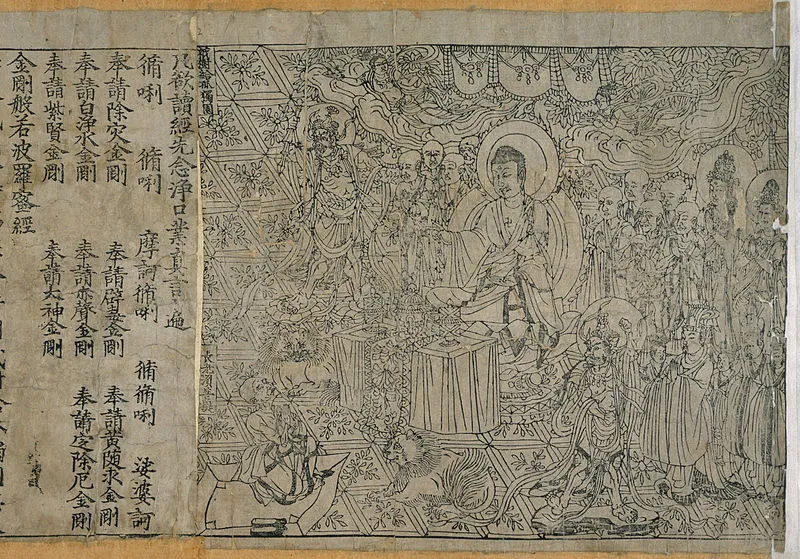
The impact of paper extended far beyond the borders of China. As trade routes expanded, so did the knowledge of papermaking. By the 8th century, it had reached the Islamic world, where it played a crucial role in the Islamic Golden Age, facilitating the spread of scientific and philosophical ideas. In the 12th century, papermaking technology found its way to Europe, leading to the proliferation of literature, art, and education during the Renaissance.
The birth of paper in ancient China is a prime example of how a seemingly humble invention can trigger profound cultural, intellectual, and economic transformations. This invention democratized knowledge, making it accessible to a broader segment of society, fostering literacy, and providing the foundation for the modern printing industry.
Paper spreads across Asia
The history of paper is a tale of technological innovation that significantly impacted human civilization. Originating in ancient China, papermaking has traversed borders, cultures, and centuries to become a globally pervasive commodity. This ubiquitous material has played a crucial role in the dissemination of knowledge, cultural exchange, and the development of modern societies, with its influence radiating across Asia and beyond.
The story begins in China, around 105 AD, during the Eastern Han Dynasty. Cai Lun, a eunuch and government official, is credited with inventing paper as we know it today. He combined mulberry bark, hemp, and rags with water, forming a pulp that was then pressed, dried, and cut into sheets. This innovative process rapidly spread throughout China, and by the 3rd century, paper was widely used for writing, drawing, and packaging.
As China’s influence extended along the Silk Road, so did papermaking. Paper reached Central Asia and the Islamic world in the 8th century, thanks to the capture of Chinese papermakers during the Battle of Talas. This event introduced papermaking techniques to the Middle East, which swiftly adopted and improved upon the craft.
By the 9th century, paper mills had proliferated across the Islamic Empire, from Spain to Persia. Arabic papermakers made vital advancements, such as the use of water-powered mills, that significantly increased paper production. The Arabic word “paper” (waraq) itself is a testament to this transformative transfer of knowledge.
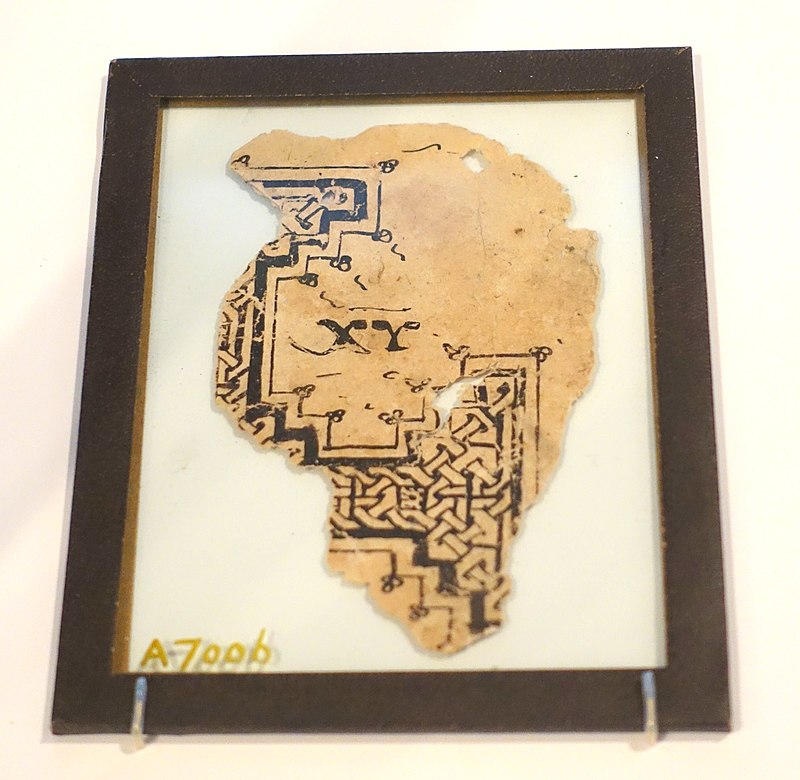
Paper then embarked on a remarkable journey along trade routes and across empires. It traveled eastward to India, where Buddhist monks found it ideal for preserving sacred texts. By the 7th century, paper had reached Japan, where it became integral to calligraphy and literature.
In the 8th century, the art of papermaking journeyed westward into Europe through Spain, following centuries of Moorish occupation. European papermakers began producing parchment and vellum substitutes, making written knowledge more accessible to a broader audience.

The Silk Road’s role
The Silk Road, the ancient network of trade routes that connected the East and West, played a pivotal role in the dissemination of papermaking technology and the spread of paper throughout the known world. The history of paper is closely intertwined with the Silk Road’s legacy, as this intricate web of cultural and economic exchange facilitated the transfer of not only goods like silk, spices, and precious metals but also intellectual and technological innovations.
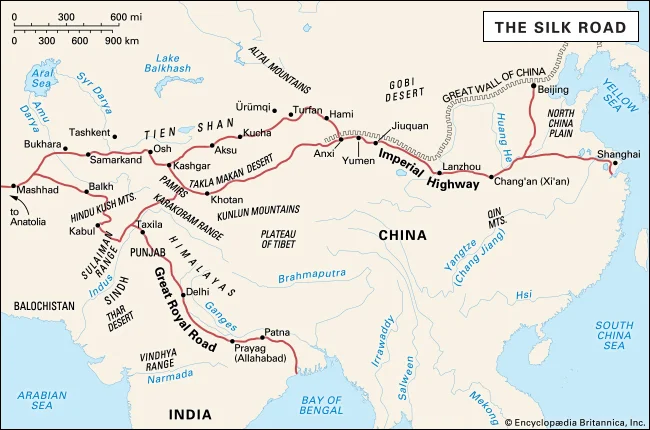
Papermaking, one of the most significant inventions in human history, has its origins in ancient China, where it was first developed during the Han Dynasty (circa 2nd century BCE). The Chinese method of papermaking involved mashing mulberry bark and other plant fibers, forming them into sheets, and allowing them to dry. This technique was a closely guarded secret for centuries.
However, as the Silk Road opened up and fostered interactions between China and the Western world, this invaluable knowledge gradually began to spread. Chinese prisoners captured during the Battle of Talas in 751 CE are said to have revealed the papermaking process to their captors, the Abbasid Caliphate in Central Asia. This event marked a significant turning point in the history of paper, as it introduced the technology to the Islamic world.
From there, the craft of papermaking journeyed westward, reaching the Middle East, North Africa, and eventually Europe. Each region adapted and improved upon the technique, incorporating local materials like linen and hemp to create variations of paper with distinct qualities. These innovations fueled the growth of libraries, the spread of knowledge, and the blossoming of Renaissance art and science.
The Silk Road served as a conduit for not just goods but also ideas, innovations, and cultures. As merchants, scholars, and explorers traversed its vast expanse, they carried not only silk and spices but also manuscripts, artworks, and papermaking know-how. These exchanges not only enriched societies along the Silk Road but also laid the foundation for modern civilization’s reliance on paper as a medium for communication, learning, and record-keeping.
In conclusion, the history of paper is a testament to the power of cultural exchange and human ingenuity, both of which were profoundly facilitated by the Silk Road. This ancient network of trade routes, spanning thousands of miles and countless cultures, played a pivotal role in the spread of papermaking technology, forever altering the course of history and human progress.
The arrival of paper in Europe
The arrival of paper in Europe stands as a watershed moment in the continent’s history, one that left an indelible mark on the development of European society, culture, and knowledge dissemination. Prior to the introduction of paper, Europe relied predominantly on parchment and vellum as writing materials. These materials, made from animal skins, were labor-intensive and expensive to produce, limiting their availability and use.
The transformation began with the advent of paper, which had been in use in China for centuries. Its arrival in Europe can be traced through various trade routes and the travel accounts of intrepid explorers and traders. This pivotal event in European history can be explored in greater depth through several key points:
- Early adoption and Islamic influence: The earliest instances of paper in Europe date back to the 11th century, particularly during the Islamic rule in Spain, centered in cities like Toledo. Islamic influence played a vital role in bringing advanced paper production techniques from the Middle East to Spain, making paper more accessible to Europeans.
- Knowledge dissemination: Paper’s affordability and widespread availability democratized knowledge. It facilitated the reproduction of written works, contributing to the preservation and dissemination of classical and scientific texts. The ready availability of paper was crucial in the creation of universities and the flourishing of learning during the Middle Ages.
- The printing revolution: The impact of paper on Europe was truly revolutionary when Johannes Gutenberg invented the printing press in the mid-15th century. The combination of the printing press and paper made books more accessible to a broader audience. This marked the beginning of the Renaissance and the rapid spread of ideas across Europe.
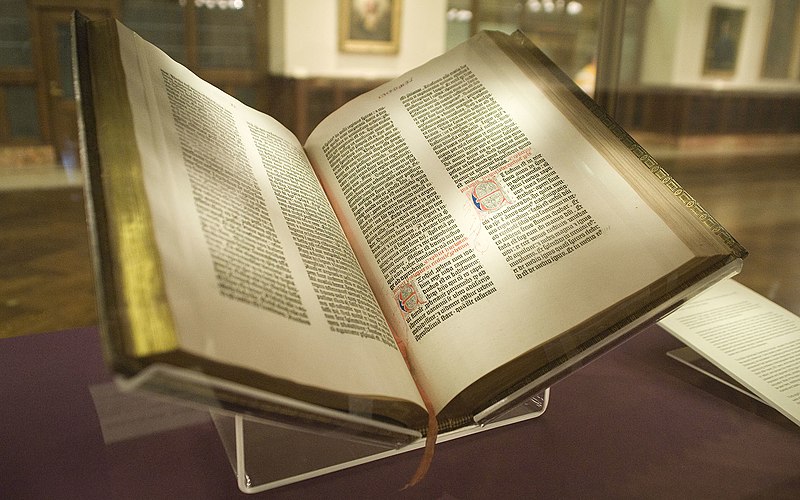
- Cultural renaissance: The adoption of paper had profound effects on European art and literature. Artists could now sketch, draw, and practice on paper, leading to remarkable developments in art. Similarly, writers were able to encourage literary innovation by experimenting with their writing at a more affordable price.
- Economic and trade implications: The paper trade grew into a significant economic activity in Europe. The establishment of paper mills and the mass production of paper created job opportunities and stimulated local economies.
- Emergence of paper mills: By the late Middle Ages, paper mills had proliferated across Europe, especially in regions with abundant water sources that powered the machinery necessary for paper production. This transition marked Europe’s shift from importing paper to producing it locally.
- Diverse papermaking techniques: European papermakers began to develop their techniques, resulting in various types of paper with distinct qualities, each suitable for different purposes. These ranged from fine writing paper to coarser varieties used for packaging and other purposes.
In summary, the introduction of paper to Europe was transformative. It democratized knowledge, catalyzed the Renaissance, and revolutionized communication through the widespread use of the printing press. The impact rippled across European culture and economy, giving rise to flourishing art, literature, and economic activities centered around paper production. This historical transformation underscores the profound influence that seemingly simple innovations, like paper, can exert on the course of civilizations.
Paper in the modern world
The Industrial Revolution, a pivotal period in history spanning from the late 18th century to the mid-19th century, marked a profound transformation in manufacturing, transportation, and societal structures. Among the multitude of innovations that emerged during this era, the evolution of paper production stands as a remarkable testament to the revolutionary spirit of the age.
Prior to the Industrial Revolution, paper was handmade through a labor-intensive process. It was crafted primarily from natural fibers, such as cotton and linen rags, which were macerated, beaten into pulp, and subsequently pressed and dried into sheets. This traditional method limited both the quantity and accessibility of paper, making it a costly and exclusive commodity.
The Industrial Revolution, characterized by the mechanization of industries, led to significant advancements in paper production. The introduction of papermaking machinery, most notably the Fourdrinier machine, revolutionized the process. This innovation allowed for the continuous production of paper, utilizing a variety of raw materials, including wood pulp, which was more readily available and cost-effective.
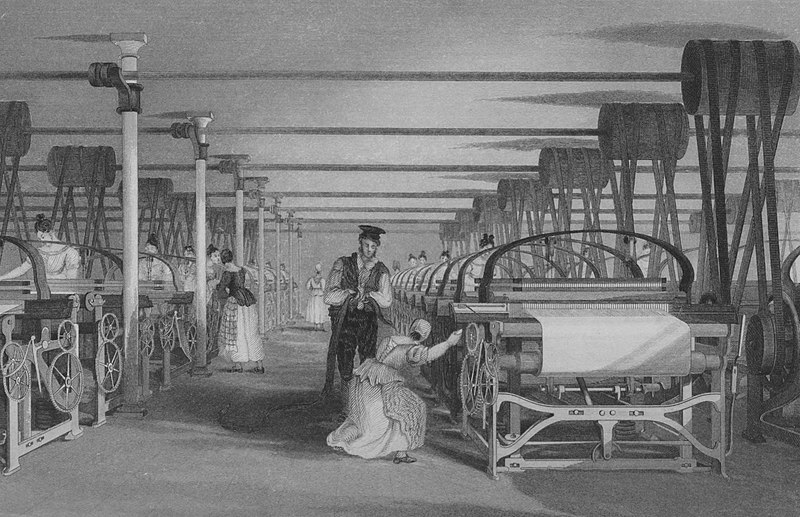
The transition from handmade to machine-made paper not only boosted production rates but also democratized access to this essential medium. It facilitated the spread of knowledge through printed materials, thereby playing a pivotal role in the dissemination of ideas, the expansion of literacy, and the proliferation of newspapers, books, and other written forms of communication.
Furthermore, the increased availability of paper was instrumental in the growth of industries like publishing, education, and administration, shaping the modern world in numerous ways. It fueled the proliferation of newspapers, magazines, and books, fostering an informed and interconnected global society.
Sustainability and the future
The advent of the digital age has profoundly impacted the realm of paper, a fundamental medium of human communication and documentation for millennia. The history of paper, which can be traced back to ancient civilizations like the Egyptians and Chinese, has undergone a metamorphosis in the digital era.

In the digital age, the role of paper has shifted from being the primary vehicle for recording and disseminating information to becoming a complementary medium within an increasingly paperless society. Digital technologies, such as computers, smartphones, and tablets, have revolutionized the way we create, store, and transmit data.
Documents, once painstakingly handwritten or typewritten on paper, are now effortlessly generated and shared digitally.The digital age has also led to the rise of e-books, e-magazines, and e-newspapers, rendering their paper counterparts less prominent. Libraries and archives are digitizing their collections, making vast troves of information accessible with a few keystrokes. Environmental concerns have fueled the drive toward paper reduction, as the digital age offers the potential to save countless trees and reduce waste. Despite this shift, certain domains, such as legal documents and fine art printing, still rely on paper due to its tangibility and enduring archival qualities.
The story of paper is a testament to human ingenuity, creativity, and the enduring desire to share knowledge. From its humble beginnings as papyrus in ancient Egypt to its role as a medium for Gutenberg’s revolutionary press and its continued presence in the digital era, paper has woven itself into the fabric of human civilization. As we navigate the evolving landscape of communication, paper remains a tangible reminder of our shared history and a bridge connecting the past with the future.
Resources
- BOOK Hunter, D. (1978). Papermaking: The History and Technique of an Ancient Craft. Courier Corporation.
- BOOK Needham, J., & Tsuen-Hsuin, T. (1985). Science and Civilisation in China: Chemistry and Chemical Technology, Part 1, Paper and Printing (Vol. 5). Cambridge University Press.
- BOOK Kurlansky, M. (2016). Paper: Paging Through History. W. W. Norton & Company.
- BOOK Blair, S. S., & Bloom, J. M. (1996). The Art and Architecture of Islam 1250-1800. Yale University Press.
- BOOK Eisenstein, E. L. (2005). The printing revolution in early modern Europe. Cambridge University Press.
- WEBSITE Cantavalle, S. (2019, April 5). The history of paper: from its origins to the present day | Pixartprinting. The Pixartprinting Blog. [The Pixartprinting Blog]
- WEBSITE Montanari, S. (2021, May 20). Where does your paper come from? The good and the bad news. Popular Science. [Popular Science]