



APA 7: TWs Editor & ChatGPT. (2023, November 8). Research Reveals Willow Bark Extract’s Wide-Ranging Antiviral Properties. PerEXP Teamworks. [News Link]
This extract exhibited efficacy against both enveloped coronaviruses, responsible for colds and diseases like COVID-19, and non-enveloped enteroviruses, which can lead to illnesses like the flu and meningitis. Currently, no clinically approved drugs specifically target enteroviruses, making this extract a potential breakthrough in the making.
Prof Varpu Marjomäki, the senior author of the study published in Frontiers in Microbiology, emphasized the need for versatile and effective methods to combat viruses in our daily lives. While vaccines are vital, they may not offer timely protection against newly emerging serotypes, highlighting the necessity for complementary antiviral solutions.
Natural remedies: Harnessing the healing power of the outdoors
Prior to this study, researchers had already examined the efficacy of willow bark extract against enteroviruses, reporting highly positive results. However, in this latest research, they broadened the scope of their investigation to encompass various types of viruses, all while delving into the mechanisms behind the extract’s antiviral action.
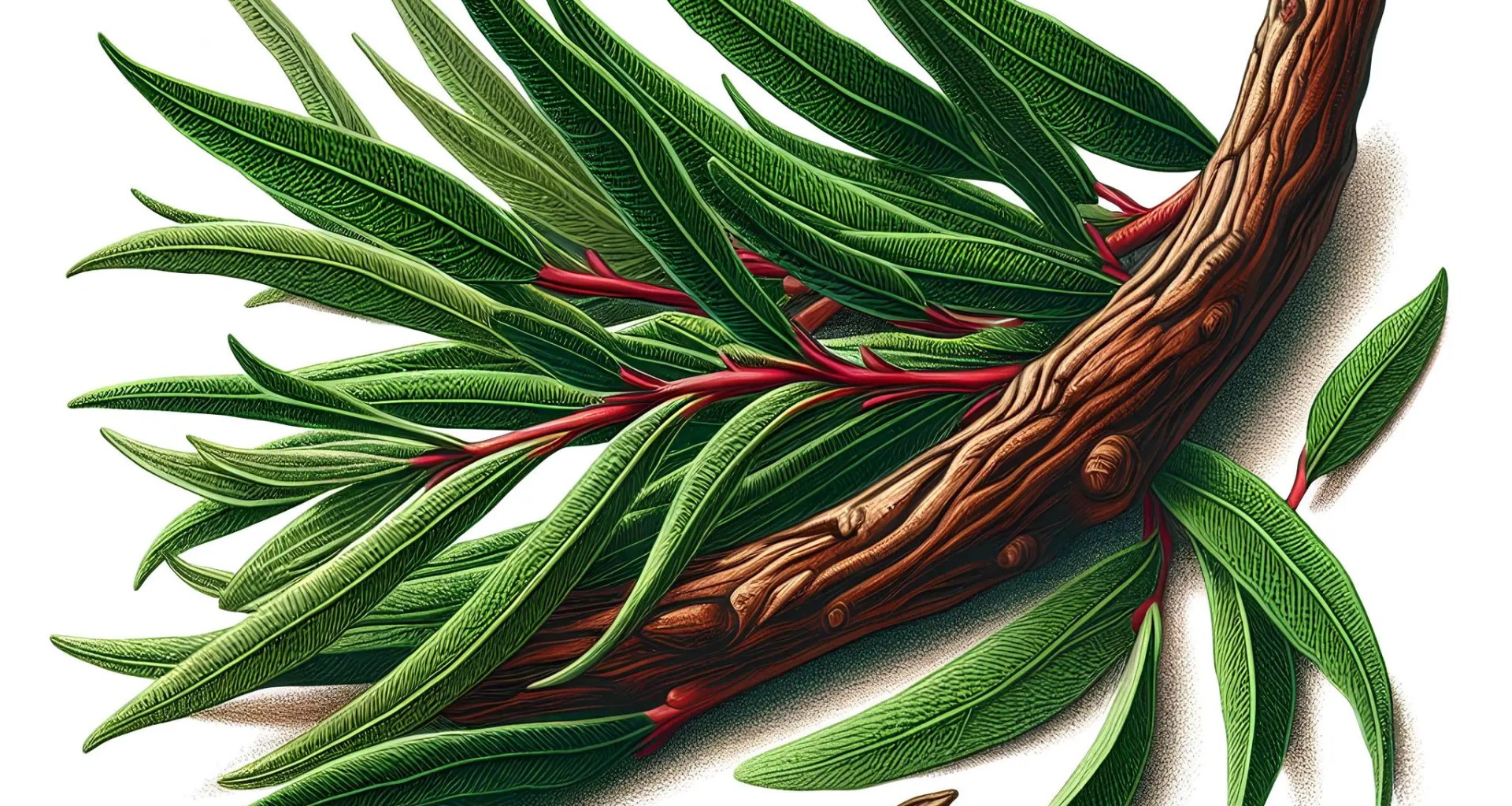
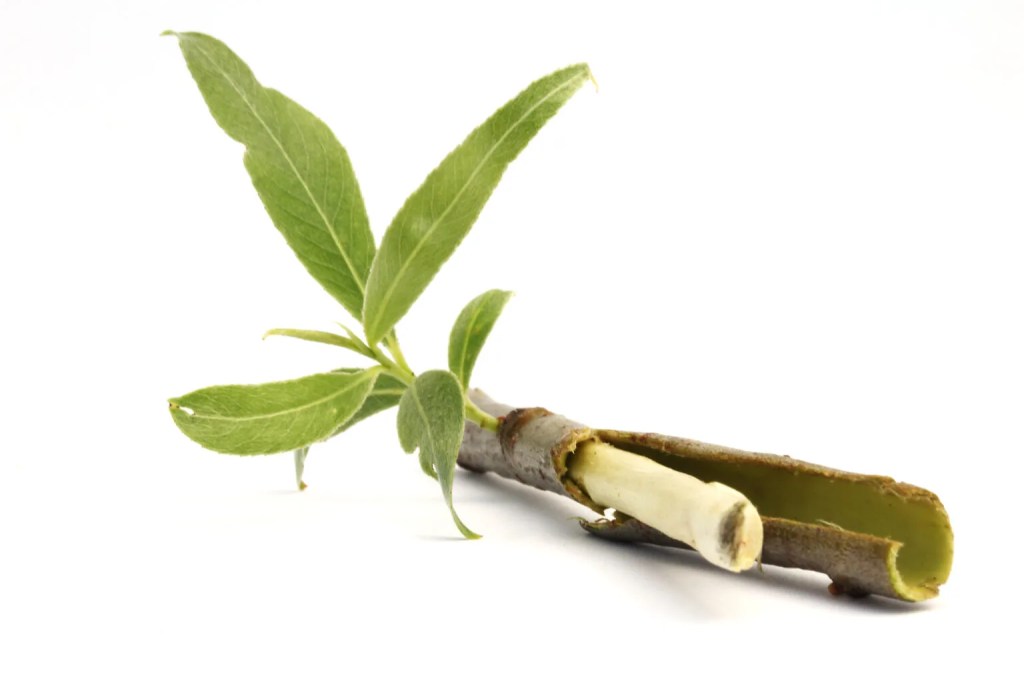
The process for creating the extract involved collecting willow branches from commercially cultivated sources. Subsequently, the bark underwent several steps, including freezing, grinding, and extraction using hot water. These steps yielded the extract samples used by the scientists for testing against a range of viruses, including enteroviruses such as Coxsackievirus A and B, as well as coronaviruses, which encompass both seasonal coronaviruses and COVID-19.
In their experiments, the researchers employed a cytopathic effect inhibition assay to evaluate the extract’s effectiveness in inhibiting viral activity and to determine the timeframe within which it acted on infected cells. Importantly, the extract demonstrated a protective effect on the cells without causing harm to the cells themselves. Furthermore, when assessing COVID-19 samples, a binding assay revealed that the virus could enter cells even when exposed to the extract, but it was unable to replicate once inside the cells.
Capturing viruses: A different approach
Before this study, the researchers had already established the extract’s effectiveness against enteroviruses, showcasing its ability to combat both enveloped and non-enveloped viruses, which have distinct structural characteristics. Interestingly, the mechanism of action appeared to differ significantly between these virus types. When exposed to the extract, treated enteroviruses were prevented from entering host cells.
In their investigations, the researchers conducted experiments to determine when the extract was most effective during the virus’s life cycle. Their findings suggested that the extract primarily targeted the virus’s surface rather than a specific stage in its replication cycle.
Under the microscope, the researchers observed interesting effects on the treated viruses. The enveloped coronaviruses seemed to have disintegrated, while the non-enveloped enteroviruses appeared to be constrained, unable to release their genetic material and replicate. Both types of viruses exhibited clustering instead of dispersing.
According to Marjomäki, the extracts worked against various viruses through different mechanisms. However, the extracts displayed equal effectiveness in inhibiting both enveloped and non-enveloped viruses.
Prospects for treating common colds and influenza in the years ahead
The researchers examined medical compounds and other willow bark-derived products, including commercially prepared salixin extract and salixin powder. Among these, only the salixin extract demonstrated antiviral activity. This indicates that the efficacy of the scientists’ willow bark extract may be attributed to the interactions of various bioactive compounds.
Although the scientists fractionated their extract in an attempt to identify the specific compounds responsible for the antiviral effect, they did not obtain definitive answers regarding the primary bioactive components. Consequently, additional research will be essential to unravel the chemical structure and mechanisms of these compounds, holding the potential for groundbreaking antiviral treatments.
According to Marjomäki, the ongoing efforts involve further fractionation and identification of bioactive molecules within willow bark extracts. The aim is to isolate a variety of pure compounds for detailed examination. Additionally, the team plans to expand their research to include a more extensive range of viruses using purified components, which will enable a more thorough investigation of the mechanisms of action.
Resources
- NEWSPAPER Frontiers. (2023, November 8). Study shows willow bark extract has broad-spectrum antiviral effect. Phys.org. [Phys.org]
- JOURNAL Reshamwala, D., Shroff, S., Liimatainen, J., Tienaho, J., Laajala, M., Kilpeläinen, P., Viherä-Aarnio, A., Karonen, M., Jyske, T., & Marjomäki, V. (2023). Willow (Salix spp.) bark hot water extracts inhibit both enveloped and non-enveloped viruses: study on its anti-coronavirus and anti-enterovirus activities. Frontiers in Microbiology, 14, 1249794. [Frontiers in Microbiology]


