





The European Commission presented its draft Digital Fairness Act on November 11, following a leak first published by French news outlet Contexte. The proposal sets out common consumer rules for online services, with specific terms aimed at video game monetisation, virtual currencies, and random paid prizes in digital storefronts. These measures introduce new duties for game companies selling titles in European markets [1].
Proposed Rules in the Digital Fairness Act
The Digital Fairness Act would arrive as an EU regulation instead of a directive, meaning it will apply in every member state without needing separate national laws. Legal expert Dr Andreas Lober explained that the draft partly overrides older national rules on unfair sales practices [4]. It also works to complement the upcoming EU Kids Act.
Several articles in the draft target deceptive design patterns and hidden costs that push users into spending more money online. Article 10 bans deceptive interface tricks, known as dark patterns, through a blacklist that EU officials can update over time. Article 12 stops companies from profiling players under 18 to target them with ads, while Article 13 bans personalised pricing based on profiling if that practice risks causing harm to minors or other vulnerable consumers [4].
These provisions aim to protect younger audiences who may struggle to judge the true cost of digital goods. The draft defines minors as anyone under 18, and it uses objective indicators like age ratings to decide whether a video game is used by children in practice [4]. Violations will bring financial penalties within the single market.
Limits on Loot Boxes and Virtual Currency
The draft introduces major changes for virtual coins and paid loot boxes, described in the text as variable reward systems. Under Article 14, games must show the real-money price of any item bought with virtual currencies in local money. That demand follows past calls from consumer groups like the Bureau Européen des Unions de Consommateurs, following complaints over confusing game coins [4]. For titles used by kids, paid virtual currencies must stay off by default until parents approve them [1].
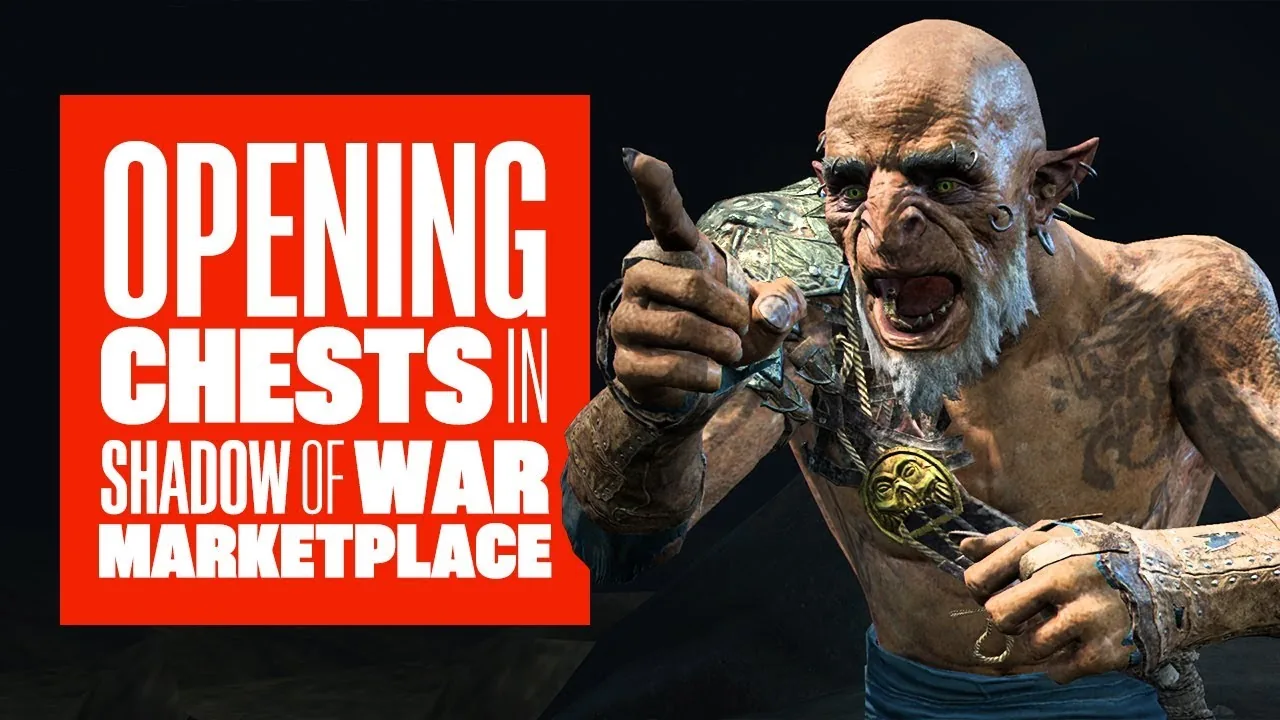
Loot boxes face even tighter limits under Article 15, which states that paid random reward systems can’t be sold to minors. Games selling loot boxes to adults must provide an easy switch to turn off those offers, while also publishing the exact odds for every item [4]. Video game business analyst George Osborn said that publishers will face real pressure from this switch: “EA might be looking at it and going, ‘This isn’t great news for [EA Sports FC] Ultimate Team because people can switch it off’”. Osborn added that while EA could try to place its card mode behind an age gate, games built entirely around randomised rewards can’t simply remove that design without rebuilding their core loops, making it much harder to comply with European rules [1].
New rules also reach subscription services such as PlayStation Plus, Xbox Live, and Nintendo Online. Articles 20 to 24 require companies to end hidden renewals, stop automatic rollovers from free trials without express consent, and provide an online cancellation tool that works as easily as sign-up [4]. Article 25 adds that players seeking help must be allowed to speak with a human worker instead of a bot [1].


Bans on Pay to Progress for Minors
Article 16 of the draft prohibits pay-to-progress and pay-to-win items in games directed at or used by players under 18 years old. The ban covers purchases presented as necessary for advancement or success in a game. Will adults still be allowed to buy competitive advantages over younger players in mixed-age game lobbies, or will studios have to split player pools to keep matches fair for everyone? [4]
Dutch Games Association general manager Martine Spaans warned that this prohibition could create serious problems for free-to-play mobile games accessible to minors. Because the text counts artificial difficulty barriers as banned mechanisms, and offers no parental override option for progression items, it could block younger audiences from many free titles altogether. In the Netherlands, spending disputes have already triggered lawsuits; a Dutch consumer group sued Epic Games for €100 million over unfair store mechanics and loot drops in Fortnite. Spaans pointed out that allowing individual member states to adopt extra national rules means the draft may still fail to create a uniform European market, leaving developers to handle different national interpretations in the twenty-seven countries [2].
Article 17 focuses on features that encourage excessive use or draw players back into games on a fixed schedule. Game companies will have to let consumers turn off autoplay systems, unsolicited push notifications, and daily login streaks designed to keep users engaged every single day. Regulators will retain the authority to expand this list through future delegated acts [4].
Industry Reactions to the Digital Fairness Act
Game developers and studio heads have voiced strong doubts about the practical fallout from the Digital Fairness Act. Arcanix.AI director Oscar Clark said policy makers often lack hands-on experience with game creation: “Again, we are going to see regulations enforced by people who have insufficient understanding of game design and development”. He added that the heaviest burden will fall upon smaller independent development teams. Clark admitted that the wider games industry failed to police bad actors itself, bringing about this wave of regulation [2].
Other policy experts see clear advantages in creating a single regulatory standard for all European nations. EU digital policy analyst James Tamim said that replacing fragmented national laws with one central regulation should give studios operating in multiple countries greater certainty and make legal compliance simpler. Tamim noted that the leaked text is still a proposal, meaning that key details could shift before final approval [2].
British games trade group Ukie raised concerns about the draft, joining European trade body Video Games Europe. Ukie argued that blanket restrictions weaken parental choice and undermine established self-regulatory systems like the PEGI age ratings that families rely on. The group called on governments to avoid unevidenced rules that could raise development costs and restrict trade with Europe [3].
Expected Enforcement Timeline and Fines
The Digital Fairness Act is currently a legislative proposal and must undergo negotiation in the European Parliament and the Council. Explainer materials released with the proposal indicate that European lawmakers could adopt the final text between 2027 and 2029, with broader application following by 2030 [5]. Publishers will get a 12-month grace period after formal adoption before penalties take effect [4].
Companies that fail to follow the rules will face heavy penalties. Enforcement will be backed by fines reaching up to 6% of worldwide annual turnover, or up to €2 million when turnover records are unavailable [1]. These penalty levels give European regulators strong leverage to compel compliance in the global games industry [4].
Because the European Union is a market of hundreds of millions of players, developers may choose to apply these design changes for all global versions. George Osborn compared the situation to earlier European decisions that forced tech firms to adopt universal USB-C ports and removable batteries: “Because that market is big enough, you design for it, and then your logic becomes, “Well, we’ll just do this for the rest of the world””. Studios rarely want to maintain multiple separate game builds for different regions. If game makers build an off-switch for European players, regulators in the United States and the United Kingdom may soon ask why those same protections can’t be offered everywhere [1].
- ONLINE NEWS Purchese, R. (2026, November 11). The European Commission’s new Digital Fairness Act could change monetisation in games forever – and not just in Europe. Eurogamer. [Article Link]
- ONLINE NEWS Cook, P. (2026, November 11). Digital Fairness Act raises questions over future of mobile game monetisation. PocketGamer.biz. [Article Link]
- ONLINE NEWS Cook, P. (2026, November 11). UKIE warns EU Digital Fairness Act could harm UK games industry and parental choice. PocketGamer.biz. [Article Link]
- ONLINE NEWS Lober, A. (2026, November 11). What the Digital Fairness Act means for the games industry. GamesIndustry.biz. [Article Link]
- ONLINE NEWS Purchese, R. (2026, November 10). Europe is about to get very tough on loot boxes in games, according to a leaked draft of the landmark Digital Fairness Act. Eurogamer. [Article Link]


