





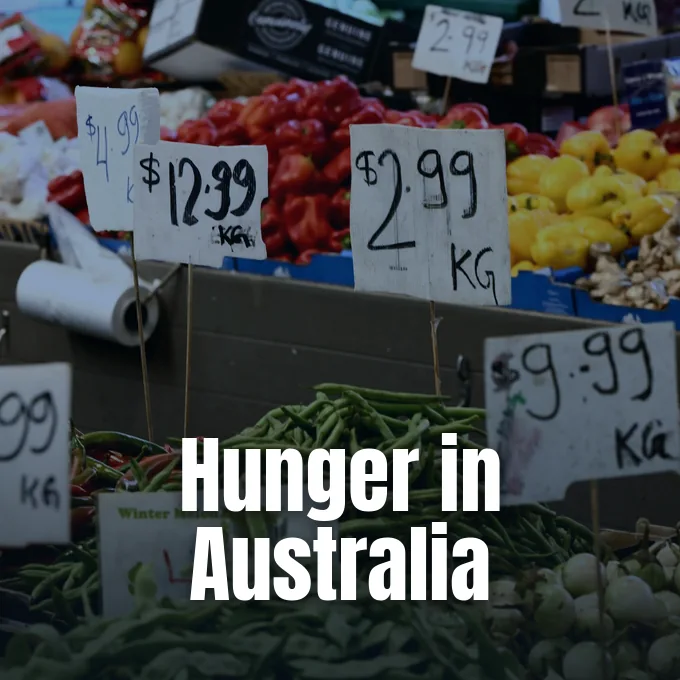
Food insecurity in Australia now affects 3.6 million households as rising grocery prices and surging housing costs squeeze family budgets, according to national survey findings and community charity records [3]. The proportion of people living with severe food deprivation climbed by 40% between 2020 and 2024, leaving many parents forced to skip meals so their children can eat [1]. Emergency pantries report that seven in ten people seeking help this year had never needed food aid before in their lives [6].
HILDA Survey Tracks Severe Hardship
Researchers Chandana Maitra, Andrea Arratia-Solar, and David A Fleming-Muñoz examined living standards in the Australian Journal of Agricultural and Resource Economics. Their team analyzed responses from 15,000 participants in the Household, Income and Labour Dynamics in Australia (HILDA) survey. The researchers used the eight-question Food Insecurity Experience Scale developed by the Food and Agriculture Organization (FAO) of the United Nations to track how access to groceries changed over time. Maitra found that Queensland and South Australia recorded the highest rates of severe nutritional hardship among the states [1].
Acute food hardship jumped 40% nationwide. Under the FAO scale, the proportion of people in severe food distress climbed from 2.1% in 2020 to 3.0% in 2024 as price increases across essential groceries, home rentals, and energy bills outpaced household earnings. Maitra, Arratia-Solar, and Fleming-Muñoz said that this category captures people who regularly cut meal sizes, skip food for entire days, or exhaust their pantry supplies because they run out of money. Because HILDA tracks the same respondents over consecutive survey rounds, the dataset confirmed that sudden living cost increases pushed previously stable homes straight into severe poverty. The authors concluded that previous single-item government questions significantly underestimated hunger in Australian households [1].
Measuring Food Insecurity in Australia by City
The geographic spread of food insecurity in Australia varied widely between capital cities between 2020 and 2024. In Perth, severe food insecurity more than doubled, climbing from 1.35% in 2020 to 2.79% in 2024. Adelaide recorded the highest levels among major urban centers in both survey years, rising from 3.11% in 2020 to 4.70% in 2024. Sydney and Melbourne also saw increases in acute hunger over the four years, but Brisbane stood apart as the only capital where the rate fell slightly, dropping from 2.63% down to 2.49%. Maitra and colleagues said local rental markets and utility prices influenced these divergent city trends [1].
Hardship also climbed in country areas, where distance added to transport and grocery expenses. While rural communities grow much of the nation’s food, remote households faced steep grocery prices. Victoria differed from other states because Melbourne had a 2.82% severe rate in 2024, compared to 2.00% in inner regional towns [1].
Outer country Victoria recorded higher rates of food hardship, mirroring patterns observed across rural regions in New South Wales and Queensland. Researchers said small sample sizes in remote areas may still understate the full extent of missing meals. In many country towns, limited supermarket competition leaves low-income residents with few affordable food choices [1].
Household Demographics Facing Heightened Risk
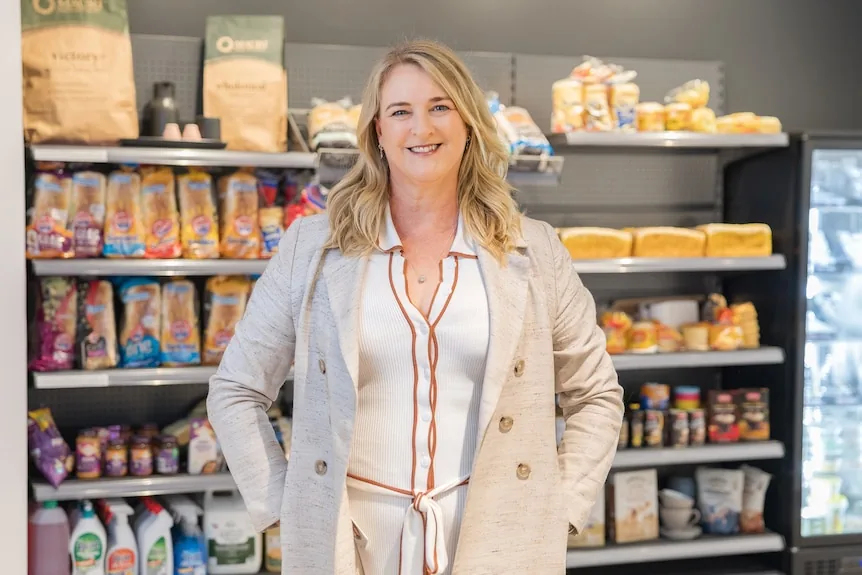
Food is often the first expense struggling families drop. “Food is a little bit like the canary in the coal mine,” Foodbank Australia chief executive Kylea Tink said, noting that parents protect rent, electricity bills, and work travel costs long before they compromise on their grocery shopping. In Canberra, Travis Gilbert lost his job after 22 years of steady work, exhausted all paid leave, and relied on JobSeeker welfare and superannuation withdrawals to buy food. Gilbert called food pantry queues among full-time workers in the Australian Capital Territory (ACT) shocking [3].
The Foodbank Hunger Report 2026 showed that 69% of food-insecure households experienced hunger for the first time in the past 12 months. Middle-income households earning between $33,800 and $90,999 made up 37% of food-insecure homes, with 23% of that middle bracket enduring severe deprivation. For households earning $33,799 or less, food insecurity reached 53%, the highest rate ever recorded by Foodbank. Single parents were hit hardest: Foodbank found 60% of single-parent homes were food insecure, while HILDA data showed severe food insecurity in single-parent families with young children rose from 11.57% to 13.68% [1, 6]. Couples with children also saw severe hunger jump by almost 87% between 2020 and 2024 [1].
Young adults aged 18 to 34 emerged as the demographic most likely to experience food insecurity, with 48% reporting difficulties buying groceries. Foodbank also reported that 51% of renters were food insecure, compared to just 12% of people who owned their homes outright. Part-time and casual workers saw food insecurity rates reach 42%, continuing a steady multi-year rise [6].

National Survey Data From the Australian Bureau of Statistics
Writing in the Health Promotion Journal of Australia, public health researcher Katherine Kent evaluated new prevalence data released by the Australian Bureau of Statistics (ABS), which revealed that 13.2% of households experienced food insecurity in 2023. This study marked the first nationally representative measurement conducted by the federal government in ten years. The ABS used the ten-item USDA Household Food Security Survey Module (USDA-HFSSM), which asks adults about diet variety, anxiety over meals, and skipped eating. That detailed tool replaced an older two-item survey from 2011 to 2012, which had reported that only 4.0% of Australians ran out of food and 1.5% went hungry [4].
The ABS data showed sharp disparities between demographic groups. Indigenous communities faced much higher deprivation, with 41% of Aboriginal and Torres Strait Islander homes struggling to secure enough nutrition, whereas the national figure stood at 13%. Group households with students or young workers recorded rates of 28%. Kent said households in the lowest income quintile recorded 23% food insecurity, compared to just 3.6% among top earners. Kent added that while Canada reported 17.8% and the United States reported 13.5%, international comparisons require care because the American measure excludes marginal insecurity [4].

State governments have begun building their own monitoring systems to address gaps in federal reporting. South Australia has tracked household food hardship using the 18-item USDA module since 2020 to support its Food Relief Charter, while Tasmania used health data to guide its Food Relief to Resilience Strategy. Western Australia and Victoria have also gathered surveillance data to pinpoint vulnerable communities and evaluate local food programs [4].
Food Insecurity in Australia Prompts Policy Debate
In 2023, a federal parliamentary inquiry into food security drew 188 submissions from farmers, public health groups, and community charities. The final inquiry report, titled Australian Food Story, set out 35 recommendations for a future national framework called Feeding Australia. Researchers Kelly Donati, Liesel Spencer, Nick Rose, Kylie Beale, Zoe de Castro, and Sophie O’Connor observed that while the inquiry focused on freight networks, it omitted the human right to food legislated in 120 other countries. Donati and colleagues said that a formal legal right to food would force government programs to move beyond temporary charity boxes and establish binding social benchmarks. The authors urged the Commonwealth to create a dedicated food minister and a multi-stakeholder food council to coordinate policy [2].
Sustain: The Australian Food Network reviewed 187 inquiry submissions and argued that national food policy must confront market dominance in the grocery sector, urging federal action on recommendations from the Australian Competition and Consumer Commission (ACCC). The ACCC proposed divestiture powers against the supermarket duopoly [5]. Farming groups demanded protections for fertile land against urban growth, as PerEXP Teamworks explored in coverage of population growth projections. Submissions also pressed for financial support for regenerative farming so rural producers can better withstand recurring droughts and floods, connecting directly with debates over Australia’s national climate targets.
Why Emergency Food Relief Cannot Replace Reform
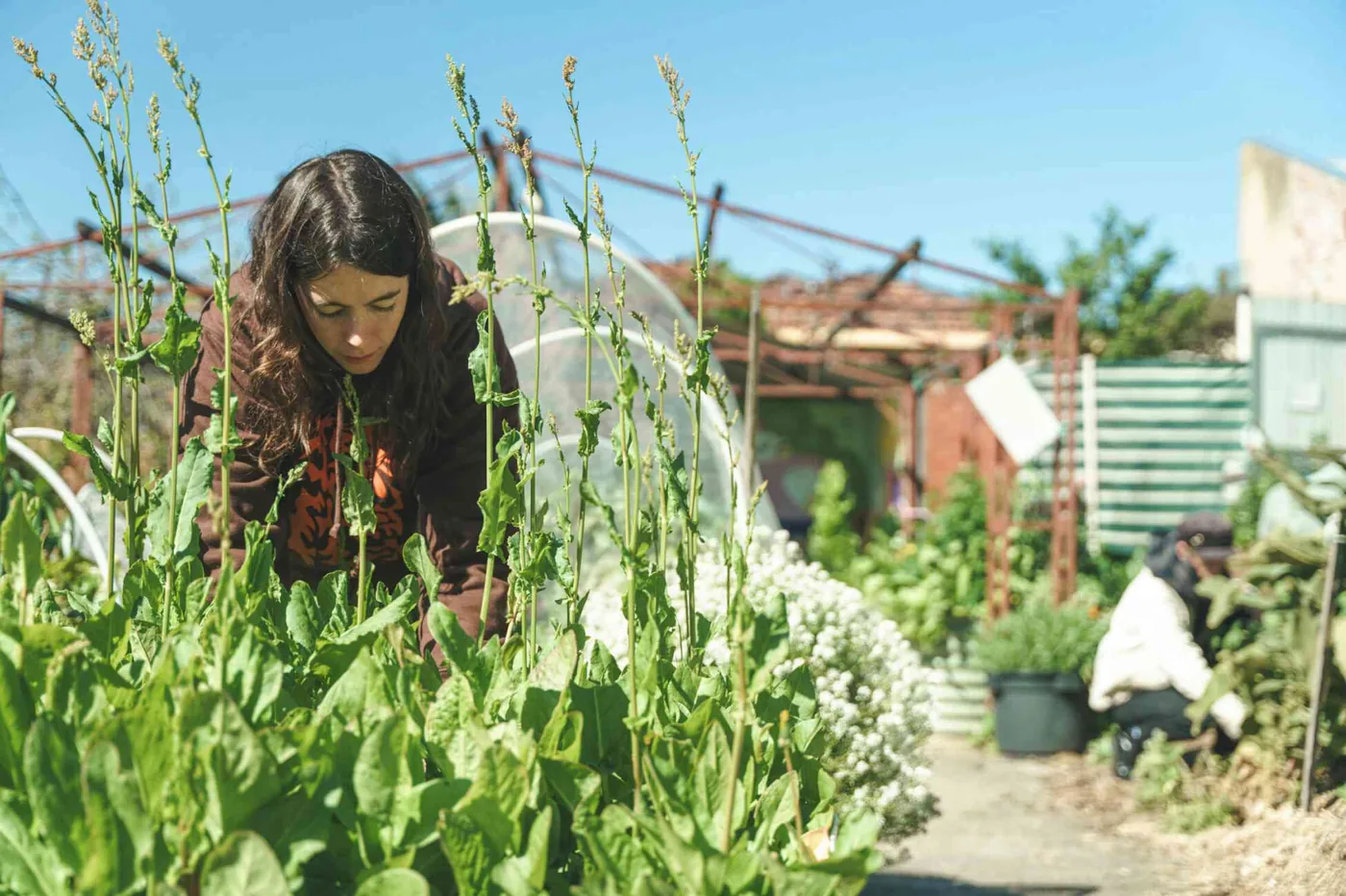
Community volunteers emphasize that charity handouts cannot remedy the underlying causes of household poverty [5]. In Canberra, HelpingACT volunteer Rhonda Owen said that food hardship “can happen to anyone because many people are functioning fine, but [are] just one pay cheque away from needing food help” [3]. Foodbank Australia welcomed $700,000 in federal surge funding announced by Minister Tanya Plibersek in October 2026, but Tink said that charity donations will not solve the crisis on their own [6]. Tink called for a national school breakfast program to guarantee that every child receives breakfast at school by 2030, building on 3,649 school programs already run by Foodbank in New South Wales, Victoria, and other states [3].
Public health experts maintain that lasting food security requires raising welfare allowances to exceed official poverty thresholds and constructing more low-cost social housing. Academic researchers point to the International Covenant on Economic, Social and Cultural Rights to urge policymakers to treat nutritious meals as a basic human right [2, 4, 5]. Without structural reform to living costs and social welfare, community pantries will remain a permanent substitute for an adequate safety net [5].
- ONLINE NEWS Arratia-Solar, A., Maitra, C., & Fleming-Muñoz, D. A. (2026). Food insecurity is on the rise in Australia. We need more effective responses. The Conversation. [Article Link]
- ONLINE NEWS Donati, K., Spencer, L., Fairweather, M., Rose, N., & Walshe, R. (2025). Australia’s new food security strategy: what’s on the table, and what’s missing? The Conversation. [Article Link]
- ONLINE NEWS Whitehouse, A. (2026). ‘Lucky country has become the hungry country’: Foodbank Australia. ABC News. [Article Link]
- ACADEMIC JOURNAL Kent, K. (2025). National Data on the Prevalence of Food Insecurity in Australia: Implications for Health Promotion. Health Promotion Journal of Australia, 36(4), e70112. [Article Link]
- WEBSITE Sustain Team. (2025). Solutions to Food Security in Australia: What’s on the Table?. Sustain: The Australian Food Network. [Article Link]
- PRESS RELEASE Perigaud, L. (2026). The Lucky Country is now the Hungry Country with food insecurity firmly entrenched in Australia. Foodbank Australia. [Article Link]
APA 7: PerEXP Teamworks. (2026, October 26). HILDA Survey Shows Food Insecurity in Australia Rose by 40%. PerEXP Teamworks. https://perexpteamworks.com/en/food-insecurity-in-australia-surges/


