





Game engine maker GameMaker will make its next-generation runtime free. Starting January 1, 2027, creators can sell games built with GameMaker GMRT on desktop, mobile, web, and GX Games without buying a paid subscription tier [1], [2]. The shift gives teams source code access across all tiers while keeping base membership prices steady [3].
New Export Rules for GameMaker GMRT
Before this shift, teams had to pay to sell games. Studios releasing paid games with GameMaker had to buy a Professional license to export on either GMRT or GMS2 [1]. That rule created an ongoing cost for small teams releasing original indie games on PC and mobile storefronts [2]. Starting in 2027, coders can ship games built with GameMaker GMRT on desktop, mobile, and web without buying that license [3]. Teams holding an active Professional license will still be able to ship games on the older GMS2 runtime, and they will gain access to the GMS2 source code as part of their plan, preserving compatibility for long-running projects [1].
Opera aims to lower entry barriers for indie makers, as Bryant Francis reported for Game Developer. “Developers will have more flexibility in how they work with GameMaker and a simplified commercial model for their new projects,” a company spokesperson said in an official statement. “The community will also be able to explore GameMaker’s technology, tailor it to their specific project needs, and even potentially contribute to it.” [1]
Subscription fees will not rise. GameMaker confirmed that tier prices will stay unchanged, meaning creators who keep paid plans will pay existing rates without price hikes [2], [3]. The right to sell games on GMRT simply becomes free, giving teams a clean path to monetize indie projects without ongoing software fees [1].
Supported Platforms and Console Rules
The free export terms cover multiple platforms from a single codebase [3]. Teams can build and ship games on Windows Desktop, macOS, Ubuntu, Android, iOS, web browsers, and GX Games without buying an export pass [1], [3]. This setup lets indie makers release paid games on PC and phone app stores without paying GameMaker any revenue cuts [2].
Console releases follow different rules. Teams planning to ship games on PlayStation 5, Xbox Series X|S, or Nintendo Switch 2 must still buy an Enterprise license and secure approved developer credentials from console manufacturers, Sophie McEvoy reported for GamesIndustry.biz [1], [2]. GameMaker confirmed that these console export restrictions apply equally to both GMRT and GMS2 runtimes, meaning console creators can’t bypass platform approval processes or enterprise subscription tiers [4].
Console platform holders maintain partner check processes for retail software, making enterprise licensing necessary for studios targeting television screens [1]. Console makers keep hardware deployments within formal manufacturer channels while freeing desktop, web, and mobile development for creators worldwide [2]. Studios can release an indie game on PC and mobile first for zero engine fees, deferring enterprise costs until they are ready to port to PlayStation, Xbox, or Nintendo Switch [1], [3].

Source Code Access and Dundee Origins
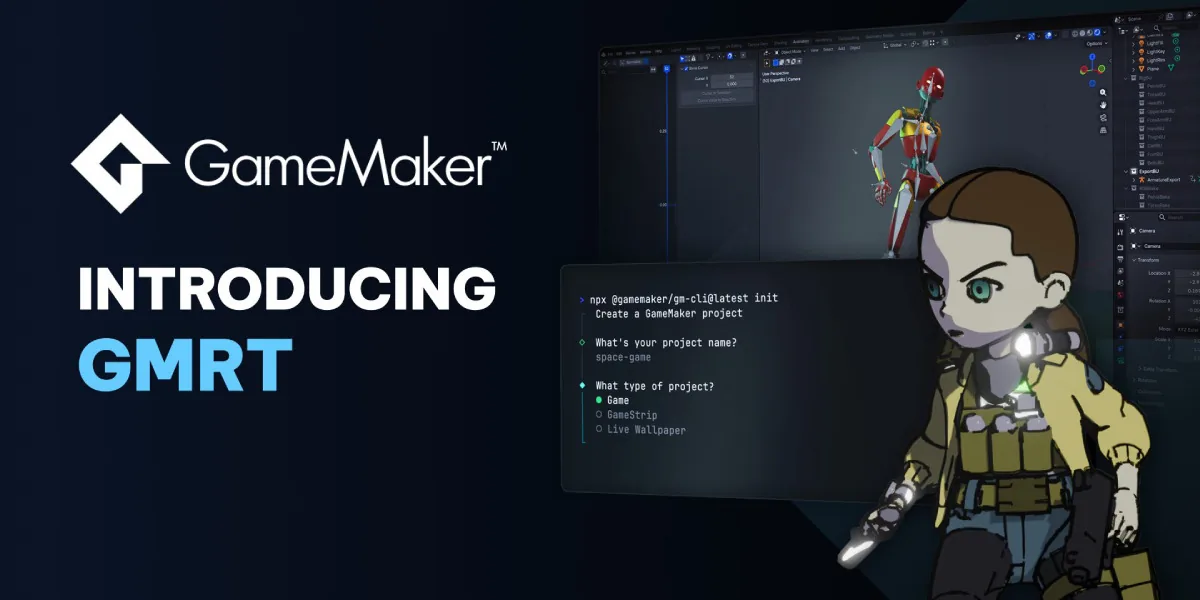
GameMaker introduced the GMRT architecture in April 2026. The new runtime modernizes how studios write code, adding tools for workflows that use AI coding helpers on Claude Code. By updating this core engine layer, GameMaker gives teams faster ways to build complex 2D games, giving programmers direct control over how their code compiles and runs on desktop and mobile operating systems [1], [2].
Opening engine code to the wider public forms a key part of the 2027 plan [3]. Under the revised policy, creators on every tier will receive direct source code access to GMRT, building on preliminary source access steps rolled out earlier in the year, as Emma Collins noted for 80Lv [2], [3], [4]. “From the very beginning, GameMaker has been committed to making game development more accessible and flexible for every creator out there,” said Russell Kay, head of GameMaker. “As GMRT continues to roll out in beta across platforms, we are widening the scope of what we provide to developers. We are excited to see what the community comes up with as we embark on this fresh chapter for GameMaker.” [2]
The team works in Dundee, Scotland. Web browser company Opera bought GameMaker in January 2021 to fund its engine tech as indie game creation grew, Isa Muhammad reported for PocketGamer.biz [4]. Since its debut decades ago, the GameMaker toolset has surpassed 12 million downloads worldwide, helping solo creators and small teams ship hit 2D titles across personal computers and mobile devices [3], [4].
How GameMaker GMRT Changes Development
GameMaker has powered beloved indie hits. Creators used the 2D engine to build acclaimed releases like Spelunky, DELTARUNE, and UFO 50 [3], [4]. Small teams often pick GameMaker because its rapid sprite pipeline and accessible scripting let them turn experimental ideas into finished, polished games without wrestling with bulky 3D engine overhead [1], [3]. With the arrival of GameMaker GMRT, studios can inspect core engine functions and tune physics or draw calls to fit their project needs [1], [4].
Source code access also invites community code patches [1], [3]. Instead of waiting for official studio updates, programmers can track bugs and submit fixes back to the core project [1]. This shared workflow gives creators the transparency of open software while keeping the ease of a polished 2D game engine [2], [4].
GMRT is currently in beta for multiple platforms [2]. This test period lets teams check how code runs on existing games before the 2027 rules take effect [1], [2]. Because GameMaker announced the changes early, indie studios have plenty of time to benchmark performance, test tools, and plan future game releases around the free runtime [1], [3]. This multi-year window gives teams room to test their code and adapt their game plans before paid export fees drop away [2].
Shifts in the Game Engine Market
The engine market is changing fast. Following the Unity Runtime Fee fiasco of 2023, game developers reassessed their trust in proprietary tools and asked for clearer business terms. Engine makers responded by tweaking fee models and speeding up development cycles to keep indie creators from fleeing to rival software [1].
AI tools are now front and center. Unity is testing browser portals that let creators update game builds without opening the full editor, while preparing language models for upcoming releases. Epic Games is deprecating Blueprints in favor of Verse, a programming language created for language model workflows often called vibe coding. Epic also plans to merge Unreal Engine with Unreal Engine for Fortnite (UEFN) into one shared development environment [1].
Many indie developers moved to Godot. Teams praised Godot for its open source license and rapid jumps from scene editing to live previews. Even as Godot gains steam, GameMaker keeps strong developer loyalty among creators who prize top-tier 2D tools and responsive sprite controls. By making GMRT free for commercial use and opening source code for every tier, GameMaker gives 2D developers a clear reason to stay [1], [2].
- ONLINE NEWS Francis, B. (2026, October 23). GameMaker’s GMRT runtime will soon be free for all developers. Game Developer. [Article Link]
- ONLINE NEWS McEvoy, S. (2026, October 23). GameMaker to make its “next-generation runtime” GMRT free for commercial use in January 2027. GamesIndustry.biz. [Article Link]
- ONLINE NEWS Collins, E. (2026, October 23). GameMaker’s New Runtime Will Become Free for Commercial Use. 80Lv. [Article Link]
- ONLINE NEWS Muhammad, I. (2026, October 23). GameMaker makes GMRT free for commercial use from 2027. PocketGamer.biz. [Article Link]


