





Why are craft fans increasingly drawn to survival prep? In prepper circles, members often joke about their “zombie apocalypse” skills when discussing worst-case social shocks and climate threats. These useful skills, often called apocalypse skills, range from picking wild greens to building shelters and fixing home tools. Rather than simply hoarding food, acquiring an apocalypse skill or exploring future-proof hobbies allows people to redefine their personal worth beyond the narrow economic demands of modern daily jobs [1].
Why Apocalypse Skills Reshape Daily Hobbies
Popular media accounts depict survivalists as solitary figures obsessed with stockpiling weapons, canned goods, and heavy gear in private bunkers, yet research into prepper groups reveals that real disaster scenarios prompt members to place far greater value on basic caregiving, repair, and household chores. Providing clean water, tending gardens, cooking simple meals, and mending tools shift from low-status tasks into core skills for communal survival [2]. Daily care outlasts stored food.
Survival practitioners often cite an adage: “the more you know, the less you carry.” A stockpile of food buys time, but a bag of survival gear is useless unless a person understands how to use it under pressure. Hands-on experience with carpentry, food storage, and herbal remedies allows people to envision their personal worth outside current market pressures. Preppers form what they call mutual assistance groups (MAG) to combine different useful skills within cooperative neighborhoods [2]. Taking inspiration from these networks does not mean adopting extreme doomsday lifestyles. As prepper discussions make clear, if municipal systems fail during a crisis, it is the gardener, mechanic, home nurse, or caregiver who becomes sought after rather than the investment banker [1]. Learning crafts brings tangible joy and steady calm today.
What to Do if There Is an Apocalypse?
Securing drinking water, basic nourishment, and safe shelter constitutes the first priority whenever major crises disrupt civil society. While dramatic fiction portrays apocalyptic events as sudden warfare or zombie invasions, real historical crises almost always stem from extreme weather events, grid breakdowns, or broken supply chains. Learning basic crisis response involves spotting local risks and avoiding dangerous mistakes, such as driving through flood water during storms, which accounts for numerous preventable deaths [3].
Developing apocalypse skills beforehand gives households calm confidence to navigate municipal outages with careful decisions. Community collaboration matters far more than solitary isolation when city services break down. Barker examined how preppers conceptualize insecurity in Transactions of the Institute of British Geographers, noting that readiness often grapples with chronic vulnerabilities in daily social systems [4]. Households that organize local aid networks share tools, exchange garden produce, and coordinate emergency sanitation much faster than isolated families, proving that mutual assistance groups rely on shared trust rather than armed compounds. Practicing simple hobbies with neighbors turns abstract disaster anxiety into constructive local solidarity. When neighbors know who can fix a pump or bandage a cut, panic recedes.
How Bushcraft and Foraging Build Food Security
Interest in outdoor survival and bushcraft has grown across the UK, where groups now offer short one-day introductory training workshops teaching basic camp skills like fire-lighting, water purification, shelter construction, and green woodworking. Making feathersticks to start fires without matches provides real self-reliance during cold camping trips or home power outages [1]. Simple woodcraft skills keep campers warm without matches.
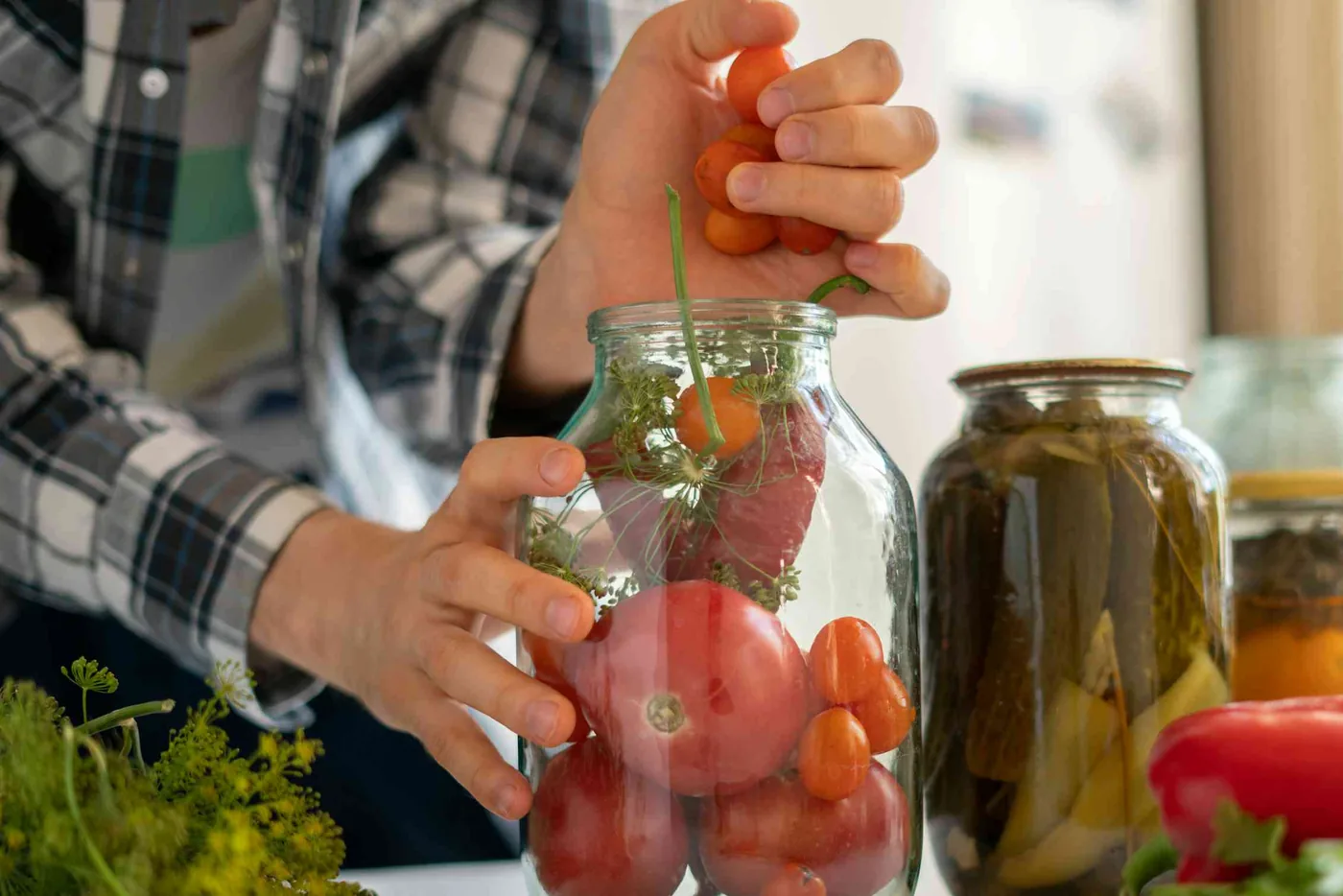
In tandem with outdoor bushcraft, picking wild edible greens has seen surging interest as people seek ties with natural rhythms. Barker urged foragers not to rely on smartphone apps equipped with automated AI image identification when picking wild plants, because digital tools can easily misidentify poisonous mushrooms, creating grave poisoning hazards for friends and family members. Relying on paper field books and local naturalists safeguards foragers while ensuring that knowledge stays accessible if mobile phone networks collapse during a blackout. Home food storage crafts provide food security without needing costly dehydrators or garden plots. City locals can join allotments, cultivate herbs on window sills, collect glass jars, and master pickling techniques for veggies like kimchi, while spoon-carving builds safe knife skills for whittling tent pegs and wooden spoons [2].


Can Future-Proof Hobbies Ease Eco-Anxiety?
Working on outdoor crafts offers therapeutic relief from the chronic dread of planetary breakdown. Ingold explored how skill arises from bodily engagement with environments in cultural geographies, showing that hands-on skill grounds human perception within living landscapes and local habitats [7]. Rather than succumbing to deep despair in the face of environmental news, practicing hands-on nature crafts nurtures what psychologists call practical hope. Tending soil calms climate dread.
This dual-benefit view links mental health with nature awareness. An educational series titled The Hobby Starter Kit, launched by Quarter Life, highlighted how swapping screen scrolling for horticulture or stitching helps young adults regain agency amidst career fatigue, demonstrating that survival skills build readiness through sociable groups and sustainable habits [2]. When office workers feel reduced to bullet points on a resume, mastering a tactile craft restores confidence. Useful apocalypse skills allow people to navigate turbulent futures with steady optimism. Hand crafts prove that people retain creative power.
Valuing Caregiving and Repair Over Stockpiles
Mainstream economic systems often undervalue repair, upkeep, and family care despite their decisive role during prolonged crises, yet Carr argued in Dialogues in Human Geography that repair and upkeep form the core work of surviving ecological shocks [5]. In a deep crisis, knowing how to mend clothing, fix plumbing, purify rainwater, or care for injured elders sustains human groups far longer than financial capital. Practical care sustains human lives.
Prepper groups show how crises invert conventional workplace hierarchies, elevating hands-on home tasks into key survival assets. Major storm disasters or building damage caused by urban fires can wipe out stored gear in minutes, forcing residents to evacuate with only what they carry, while McDowell showed in Economic Geography that embodied human capacities remain resilient when material goods and physical infrastructure vanish [6]. While store-bought gear can be lost or stolen, learned skills travel wherever survivors go. Knowing how to mend tools, preserve crops, and treat minor wounds is lasting capital that no disaster can erase. Useful skills stay within the body.
Connecting Practical Apocalypse Skill to Modern Communities
Developing an apocalypse skill does not mean moving to remote cabins or building costly fallout bunkers. City dwellers can join local community gardens, share heirloom seeds, and practice home pickling in small apartments. Barker outlined these ideas in a 2026 preprint exploring future-proof hobbies and apocalypse skills, although this preliminary paper has not yet undergone formal peer review [1].
Communal activities build food sovereignty and neighborhood trust long before any emergency occurs, aligning with Whyte’s observation in Environment and Planning E: Nature and Space that communal resilience depends on relational responsibilities and collective knowledge rather than solitary survivalism [6]. When workplace demands reduce individual worth to resume credentials, mastering a useful craft restores genuine agency and self-reliance. Whether society encounters major systemic crises or enjoys peaceful continuity, learning to forage, preserve crops, and carve wooden spoons leaves people happier and better connected to their communities [2]. Preparedness transforms into an enjoyable, sociable path toward sustainable everyday living.
- PREPRINT Barker, K. (2026). What’s your apocalypse skill? Finding a future-proof hobby can bring fulfilment today. [Article Link]
- ONLINE NEWS Barker, K. (2026). What’s your apocalypse skill? Finding a future-proof hobby can bring fulfilment today. The Conversation. [Article Link]
- ONLINE NEWS Barker, K. (2026). What’s your apocalypse skill? Finding a future-proof hobby can bring fulfillment today. Phys.org. [Article Link]
- ACADEMIC JOURNAL Barker, K. (2020). How to survive the end of the future: Preppers, pathology, and the everyday crisis of insecurity. Transactions of the Institute of British Geographers, 45(2), 483-496. [Article Link]
- ACADEMIC JOURNAL Carr, C. (2023). Repair and care: Locating the work of climate crisis. Dialogues in Human Geography, 13(2), 221-239. [Article Link]
- ACADEMIC JOURNAL Whyte, K. P. (2018). Indigenous science (fiction) for the Anthropocene: Ancestral dystopias and fantasies of climate change crises. Environment and Planning E: Nature and Space, 1(1-2), 224-242. [Article Link]
- ACADEMIC JOURNAL Ingold, T. (2018). Five questions of skill. cultural geographies, 25(1), 159-163. [Article Link]
APA 7: TWs Editor. (2026, October 9). How Apocalypse Skills Turn Daily Hobbies Into Survival Tools. PerEXP Teamworks. https://perexpteamworks.com/en/apocalypse-skills-future-proof-hobbies/


