



Hagia Sophia is an architectural marvel in Istanbul. Its history as the Hagia Sophia church mosque reflects centuries of change. Today, it functions as the Hagia Sophia mosque, welcoming visitors from around the world to witness its incredible legacy and beauty.
What is Hagia Sophia and the meaning of Ayasofya
Deriving from Greek, the name Hagia Sophia translates directly to ‘Holy Wisdom’. This title perfectly captures the structure’s divine inspiration and architectural genius. For over a millennium, it was the largest cathedral in the world. Its influence on architecture is immense and can be seen in buildings across the globe.
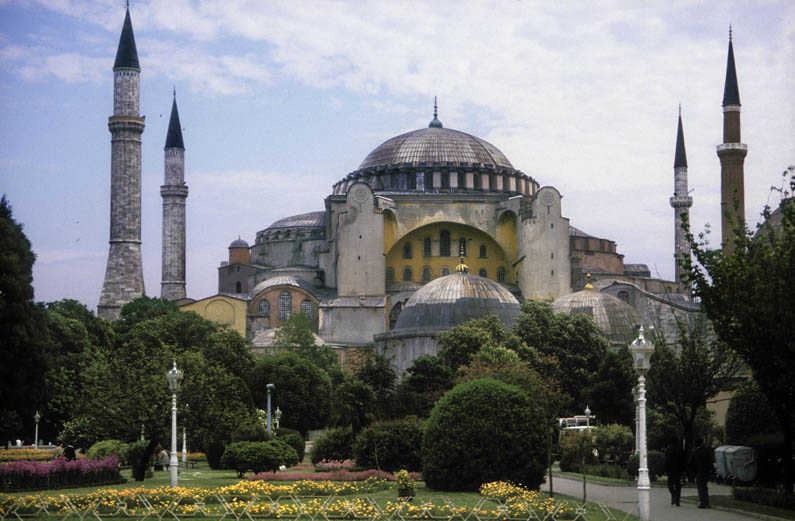
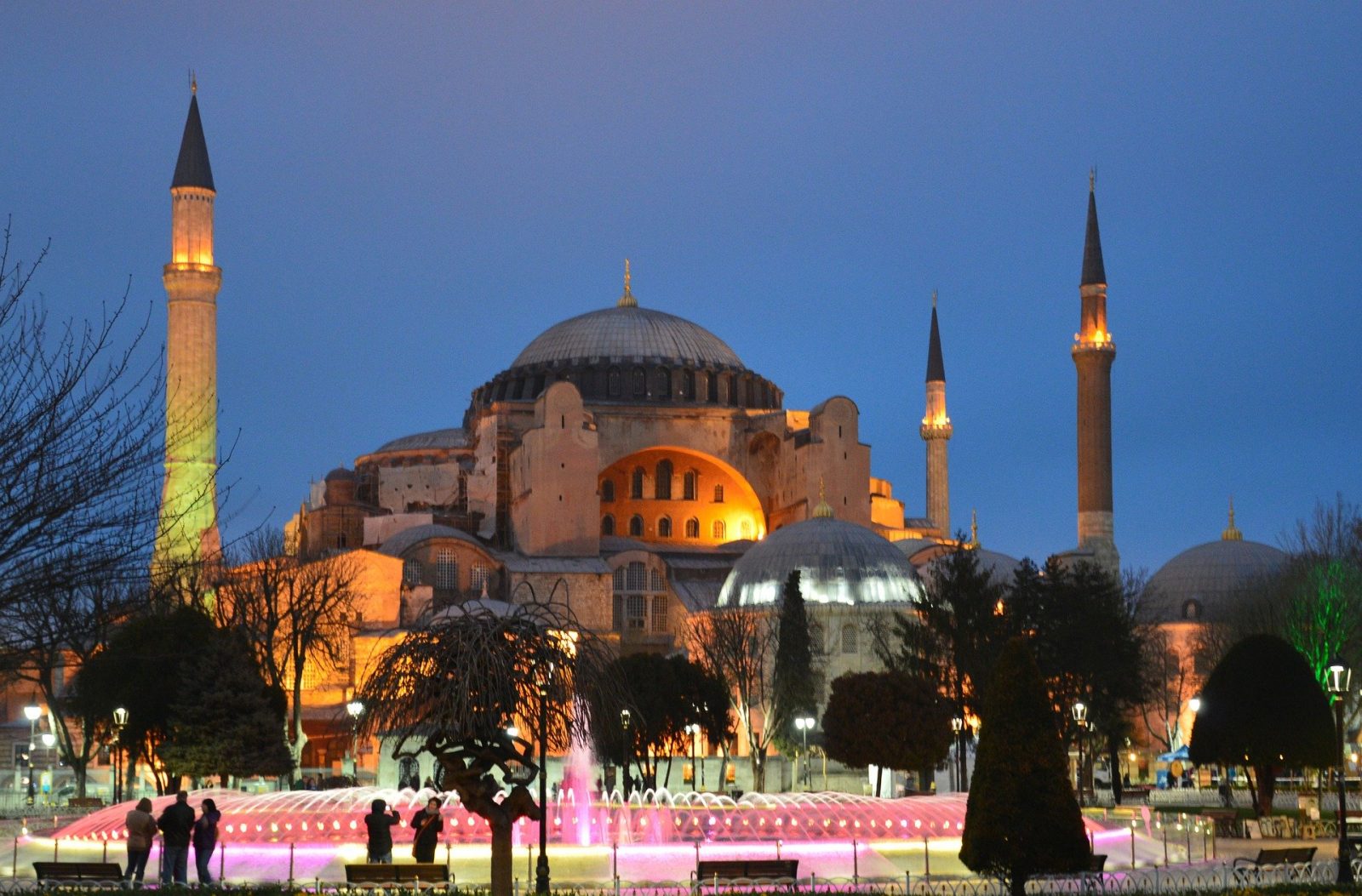
Located in the heart of Istanbul, this magnificent building stands as a testament to the city’s rich history. It represents a unique blend of Byzantine and Ottoman cultures. The Hagia Sophia is more than just a building; it is a symbol of Istanbul itself, a bridge between continents and civilizations. The structure’s importance to culture and history cannot be overstated.
The most defining feature of Hagia Sophia is its colossal dome. It seems to float weightlessly above the main hall, creating an ethereal atmosphere. This architectural feat was revolutionary for its time. Engineers and architects still study its innovative construction and design principles today.
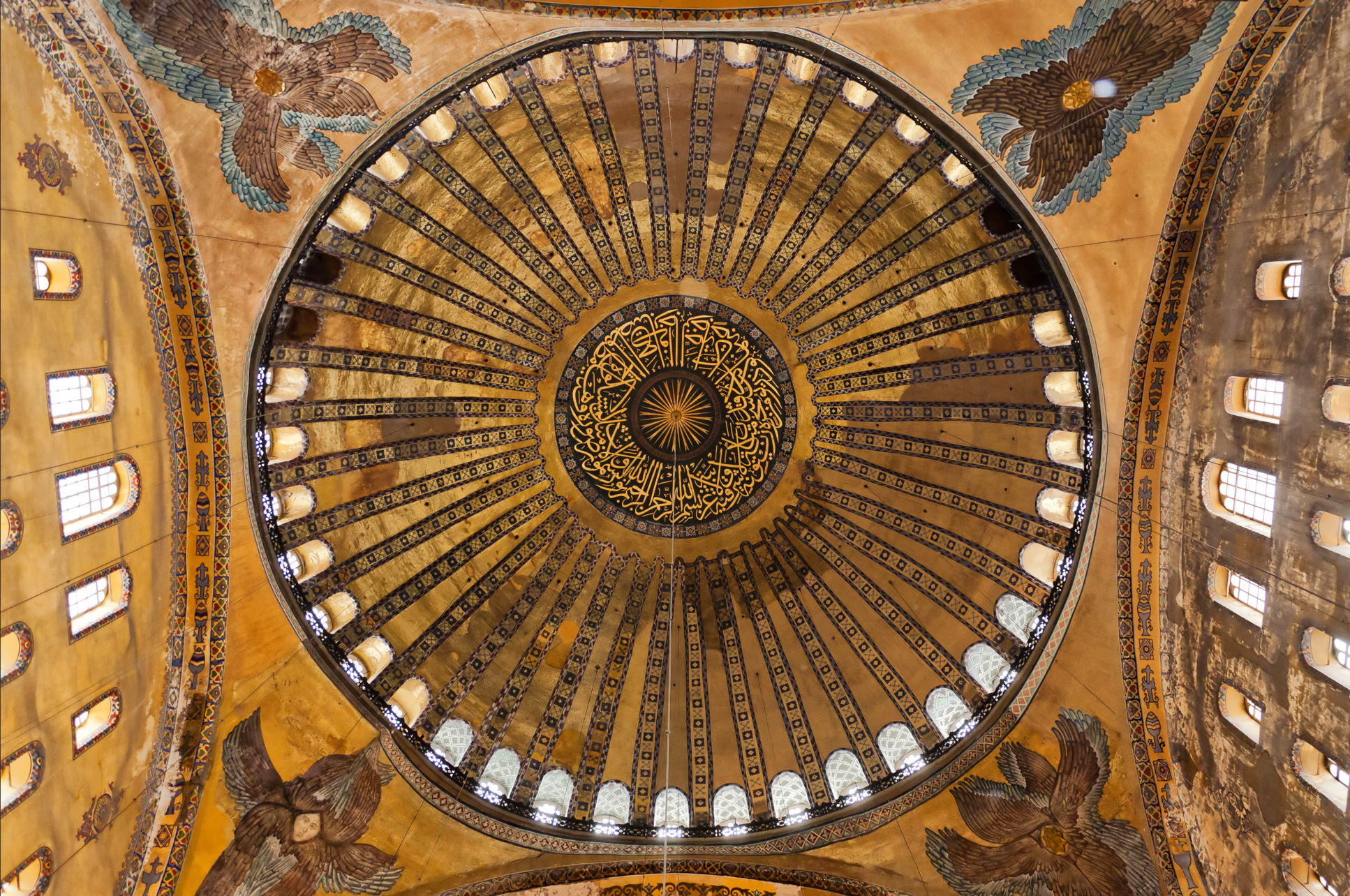
The Turkish name, Ayasofya Hagia Sophia, is used interchangeably by locals. This name reflects the structure’s deep integration into Turkish culture. When you visit, you will hear both names used to describe this iconic landmark.
Inside, the sense of scale is breathtaking. The interior was designed to inspire awe and make one feel closer to the divine. Light filters through forty windows at the base of the dome. This creates a mystical glow that illuminates the vast space below. The Ayasofya Hagia Sophia is a masterpiece of light and space.
From Hagia Sophia church mosque to grand mosque: a timeline
The story of the building began in 537 AD. Emperor Justinian I consecrated it as the great cathedral of the Byzantine Empire. For nearly a thousand years, it served as the heart of the Eastern Orthodox Church. This original identity is a crucial part of the Hagia Sophia church mosque history.
Its function changed dramatically in 1453. After the Ottoman conquest of Constantinople, Sultan Mehmed II converted the cathedral into a mosque. This marked a new era for the building. Minarets were added to the exterior, and Christian mosaics were covered. The structure became a central imperial mosque for the Ottoman sultans.
This transformation from cathedral to mosque shaped its dual identity. The Hagia Sophia church mosque became a powerful symbol of the Ottoman Empire’s strength. Despite the changes, the fundamental Byzantine structure was preserved and respected. Islamic calligraphy was added alongside the original Christian iconography.

In 1934, a significant change occurred. Mustafa Kemal Atatürk, the founder of the Republic of Turkey, secularized the building. It was converted into a museum open to people of all faiths. This decision aimed to present the Hagia Sophia church mosque as a shared monument of world heritage.
For decades, it served as a museum, allowing millions to study its art and architecture. The layers of its history were on full display for the world to see. This museum era highlighted the building’s unique role as a bridge between two major world religions. The name Hagia Sophia church mosque perfectly describes this complex past.

The most recent chapter began in July 2020. A Turkish court ruling paved the way for its reconversion into a mosque. It was officially renamed the Hagia Sophia Grand Mosque. This decision was met with varied reactions from around the world. It marked another pivotal moment in its long and storied existence.
Today, it operates as the Hagia Sophia Grand Mosque. While it is an active place of worship, it remains open to visitors. The management ensures that its historical and artistic treasures are preserved. Its status continues to be a topic of global interest and discussion.
Visiting the Hagia Sophia mosque: what to know about the masjid
As an active house of worship, the Hagia Sophia mosque requires visitors to be respectful. There are specific rules of etiquette to follow. Observing these rules ensures a peaceful experience for both tourists and worshippers. It is a shared space for prayer and reflection.
A key requirement is the dress code. Women are asked to cover their heads. Scarves are available for loan at the entrance if you do not have your own. To maintain respect, all visitors must ensure their shoulders and knees are covered with modest clothing. This is standard practice for any active masjid.

Before entering the main prayer hall, all visitors must remove their shoes. There are designated areas and shelves to store your footwear. This tradition keeps the prayer carpets clean. Walking barefoot or in socks on the soft carpets is part of the experience of visiting the Hagia Sophia mosque.
Prayer times are an important consideration. The Hagia Sophia mosque is closed to non-worshippers during the five daily prayer times. These times change daily based on the sun’s position. It is wise to check the schedule before your visit to avoid waiting or having your tour interrupted.
Inside this incredible masjid, you can see a blend of Christian and Islamic art. While some Christian mosaics were covered, many are still visible to visitors. Look up to see the stunning Virgin and Child mosaic in the apse. You will also see giant medallions with Islamic calligraphy hanging from the pillars.
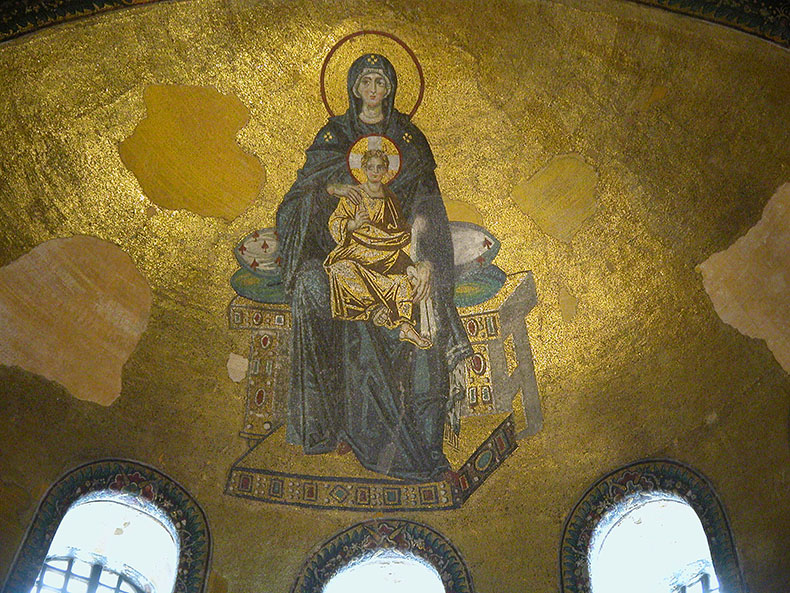
(Credit: My World Of Byzantium)
The atmosphere inside the Hagia Sophia mosque is one of profound tranquility. Even with many visitors, the vastness of the space creates a sense of peace. Take your time to absorb the history and artistry around you. It is a place that tells a story of faith spanning more than 1,500 years.
Remember that this is a functioning Hagia Sophia masjid. Be quiet and respectful. Avoid using flash photography, especially during prayer. By following these simple guidelines, you contribute to preserving the sanctity and heritage of this sacred site for everyone.
Planning your visit to the iconic Istanbul landmark
A visit to Hagia Sophia requires some planning to make the most of your experience. The best time to go is early in the morning on a weekday. This helps you avoid the largest crowds that gather midday and on weekends. An early start ensures a more serene visit.
The landmark is located in the Sultanahmet district, Istanbul’s historic heart. It is easily accessible via public transport, including the T1 tram line. The Sultanahmet stop is just a short walk away. Many other major historical sites are also within walking distance.
Since its conversion back to a mosque, there is no longer an entrance fee for Hagia Sophia. This makes it accessible to everyone. However, you may consider hiring a licensed guide at the entrance. A guide can provide valuable context and point out details you might otherwise miss.
Combine your visit with other nearby attractions. The Blue Mosque is directly opposite Hagia Sophia, offering a fascinating comparison of Byzantine and Ottoman architecture. Topkapi Palace, the former residence of Ottoman sultans, is also just a few minutes away on foot.
Allow at least one to two hours for your visit. Rushing through this monument would be a mistake. There are countless details to discover, from the intricate mosaics to the massive marble jars. The upper gallery offers a stunning panoramic view of the main hall and is not to be missed.
Finally, take a moment to appreciate the exterior. Walk around the entire building to see the minarets, fountains, and tombs. The structure’s appearance changes with the light throughout the day. Seeing Hagia Sophia at sunset is an unforgettable experience, as its domes and minarets create a magical silhouette against the sky.
APA 7: TWs Editor. (2025, September 19). Hagia Sophia: From Church to Mosque. PerEXP Teamworks. [Article Link]


