





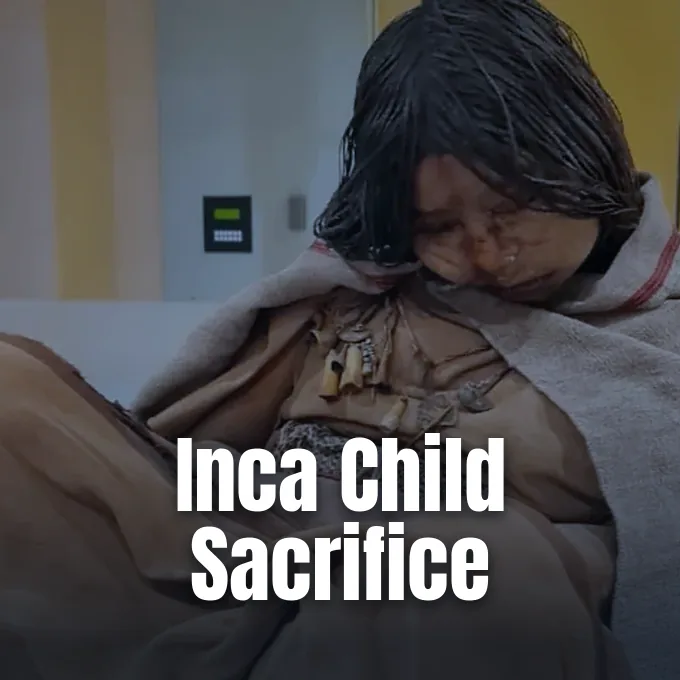
Chemical tests on frozen mummies discovered on high volcanic peaks in South America reveal new facts about the final months of children selected for ritual death. In a study published in the journal Antiquity, researchers examined hair and nail tissue from eight young victims to determine what substances they consumed during ceremonies known as capacocha [3]. The findings show that Inca child sacrifice relied heavily on coca leaves and maize alcohol to prepare victims for journeys to mountain shrines. The chemical evidence suggests these compounds helped young victims endure thin mountain air and dulled their fear before death.
Origins of the Capacocha Ritual
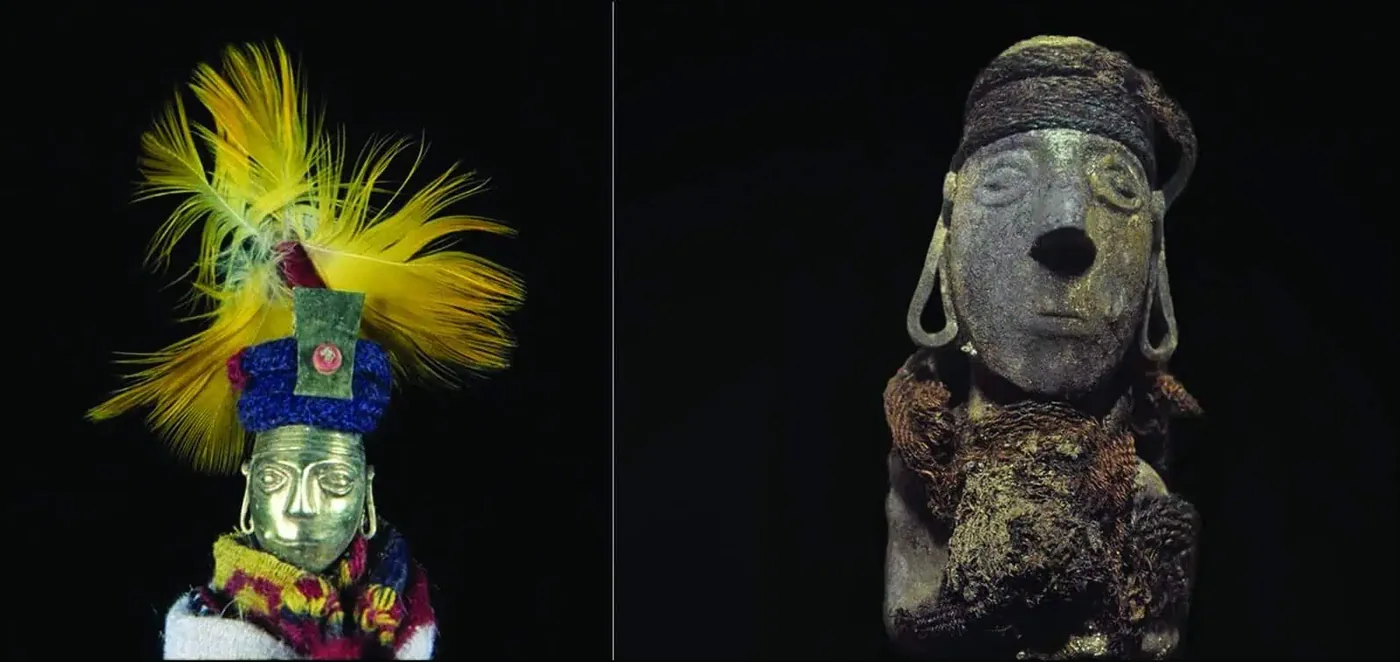
During the reign of the Inca Empire, which extended over western South America from the 13th to the 16th centuries, priests regularly sacrificed children to honor mountain deities. Imperial authorities organized these events as a central element of Inca child sacrifice, known in Quechua as the capacocha ritual, to restore social stability during devastating famines, prolonged droughts, or political crises [2]. They also held ceremonies to mark the death or coronation of the Sapa Inca. Priests chose healthy boys and girls from communities throughout the realm and brought them to the imperial capital of Cusco, where first ceremonies took place before long processions headed toward remote mountain shrines. The journey often took weeks of arduous travel on foot through steep terrain.
The Inca believed these young victims served as direct intermediaries between living communities and mountain gods. Some processions climbed to altitudes exceeding 6,000 meters, where freezing cold preserved their bodies for five centuries [1]. These elaborate rites were not merely spiritual duties. They also helped imperial rulers assert state authority over newly annexed Andean provinces.
Chemical Traces in Hair and Nails
To discover how priests prepared children for these strenuous climbs, an international research team led by archaeologist Dagmara Socha of the University of Warsaw examined eight frozen bodies recovered from volcanoes in Peru and Argentina [3]. “Recent advances in toxicology now allow for the identification of low concentrations of such substances,” Socha said. The team took advantage of modern analytical instruments to detect minute traces of chemical compounds trapped within biological tissues. As human hair and fingernails grow, they absorb metabolic products circulating in the blood. This biological process creates a durable chronological record of everything an individual consumed in the weeks or months leading up to death.
Six of the eight mummies retained hair suitable for analysis, while the remaining two provided usable nail samples. Laboratory testing detected cocaine and its main metabolic breakdown product, benzoylecgonine, in all six hair samples [1]. The children did not consume modern refined cocaine. Instead, they chewed whole coca leaves to suppress hunger, combat fatigue, and cope with thin mountain air. The nail tests did not identify coca consumption in the other two individuals.
Toxicology Findings from Andean Peaks
Toxicologists also discovered that four of the mummified bodies carried traces of cocaethylene, a distinctive chemical byproduct formed inside the human liver only when cocaine and ethanol mix together [1]. This metabolic compound provides direct proof that the victims drank alcohol while chewing coca leaves. The alcohol came from chicha, a beer brewed from fermented maize that Spanish chroniclers often described in accounts of Inca religious festivals. Chroniclers noted centuries ago that priests gave chicha to children to calm their nerves and dull their senses before sacrifice. Drinking the fermented brew helped soothe young minds facing cold mountain heights.
These findings build upon earlier investigations into mountain burials. In a 2013 study published in the Proceedings of the National Academy of Sciences, a research group led by A. S. Wilson studied three frozen children (a 13-year-old girl and a girl and boy aged 4 to 5 years) found near the summit of Volcán Llullaillaco in Argentina [4]. That analysis showed escalating consumption of coca and alcohol over many months, with the 13-year-old girl showing particularly heavy intake during her final weeks of life.
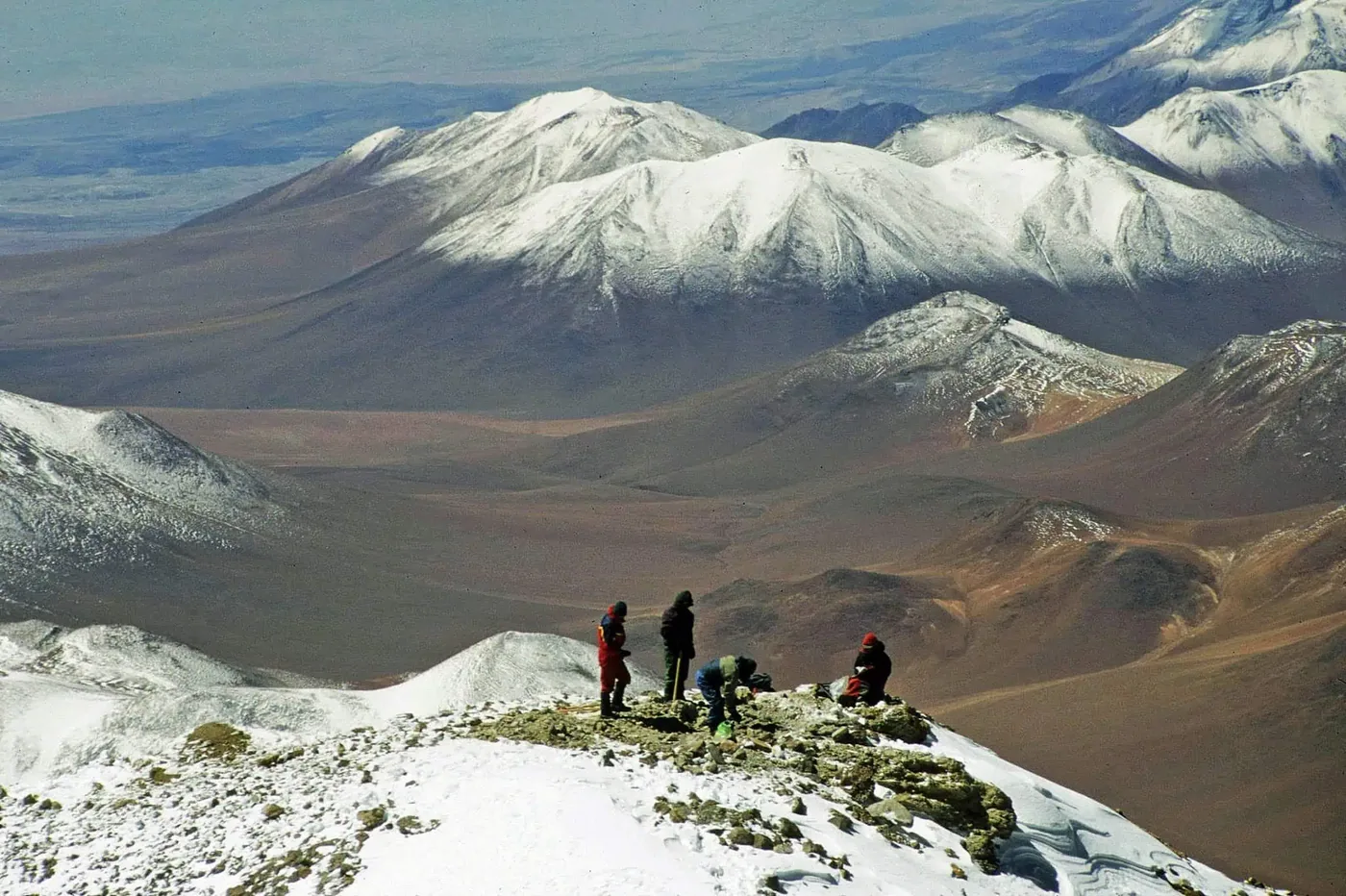
Comparing multiple mountain sites indicates that the physical preparation of victims varied substantially depending on the sanctuary. While children at Volcán Llullaillaco received sustained doses of intoxicants over long periods, victims at other summits experienced much shorter regimens [3]. Local priesthoods maintained distinct schedules for ritual offerings.
The Chuscha Girl’s Final Months
One of the clearest chronological windows comes from an eight-year-old girl discovered on Mount Chuscha in northwestern Argentina [1]. Her frozen body remained intact for roughly 500 years, preserving six centimeters of scalp hair that provided a sequential record of her diet and chemical intake. Because scalp hair grows at a steady rate of about one centimeter per month, researchers cut the strand into six one-centimeter segments to reconstruct her final six months of life. Each segment captured the chemicals circulating through her body during that specific month, offering an intimate timeline of her preparation for death.
Cocaine concentrations fluctuated throughout the girl’s final half year and dropped sharply in the youngest hair segment closest to her scalp [1]. Cocaethylene appeared exclusively in that final segment, indicating that she drank alcohol only during her last month of life. Unlike the older girl at Llullaillaco, the Chuscha child was not subjected to prolonged alcohol consumption. Priests apparently introduced maize beer late in the pilgrimage, perhaps to soothe her anxiety as the party neared the high-altitude tomb.

Inca Child Sacrifice Variations by Region
These contrasting chemical profiles confirm that Inca child sacrifice followed no single empire-wide formula. Priests adapted the rites to fit specific local traditions, the identity of the mountain deity, and the age of the child. “Our aim was to identify a broader range of psychoactive substances administered to the children and to determine whether patterns in their use could provide new insights into how capacocha ceremonies were conducted at different locations,” Socha said [2]. Advances in toxicology now permit researchers to detect trace residues that earlier instruments missed. This analytical precision helps archaeologists reconstruct regional variations in ritual practices.
The chemical evidence reveals an empire managing various provincial shrines with considerable flexibility. “Five hundred years after these children were sacrificed during one of the most important Inca rituals, new technologies are allowing us to uncover details of their lives and Inca religious practices,” Socha said [1]. “What we are seeing is that the capacocha was not a single standardized ritual, but rather the Incas appear to have adapted it to different cults and local religious traditions.” The empire incorporated local beliefs while asserting central authority from Cusco.
Ayahuasca Compounds in Mountain Graves
One of the most notable discoveries emerged from the fingernails of a 14-year-old girl recovered from Peru’s Mount Ampato in 1995, popularly known as Juanita (often referenced in catalog records as Ampato #1). Toxicological screening detected traces of harmine, an alkaloid found in Banisteriopsis vines that grow in tropical lowlands. These plants serve as the foundational ingredient in ayahuasca, a psychoactive brew used in traditional Amazonian ceremonies. Earlier research at Andean sacrificial sites had also detected harmaline, another related alkaloid. Because these vines grow east of the Andes, the Inca obtained them through trade networks connecting highland capitals to tropical forests [1].
The presence of harmine does not mean the child experienced vivid psychedelic visions. “Harmine is an alkaloid associated with Banisteriopsis species, one of the principal plants traditionally used in the ayahuasca beverage,” Socha said [2]. “It may indicate that a harmine-containing beverage had a specific role in ceremonies connected with this particular sacred mountain.” The researchers also tested for powerful hallucinogens such as mescaline, DMT, and bufotenine, but none appeared in any sample.

Instead of inducing visions, the mixture of coca leaves, maize alcohol, and harmine likely acted as an antidepressant and sedative cocktail [1]. Harmine influences mood by inhibiting monoamine oxidase enzymes, which may have reduced extreme terror and despair during the arduous climb. Combined with coca to ease fatigue and chicha to dull fear, these substances kept young victims physically capable of hiking to extreme altitudes while remaining emotionally calm until their final moments. The toxicological findings provide a more nuanced picture of Inca child sacrifice, demonstrating how priests combined stimulants and sedatives to guide children along sacred paths toward Andean summits.
- ONLINE NEWS Puiu, T. (2026, November 3). The Inca Gave Children Drugs Before Sacrificing Them to the Gods, Including Cocaine and Alcohol. ZME Science. [Article Link]
- ONLINE NEWS Kovac, A. (2026, November 3). Inca children were given hallucinogens before they were sacrificed to the gods. Scientific American. [Article Link]
- ACADEMIC JOURNAL Socha, D., Sykutera, M., Martinez Sulca, W., Recagno, G., Reinhard, J., Zigaran, F., Bernaski, M., & Grupp, F. (2026). Toxicological studies on the Inca frozen mummies from volcanoes in Peru and Argentina. Antiquity, 1-19. [Article Link]
- ACADEMIC JOURNAL Wilson, A. S., Brown, E. L., Villa, C., Lynnerup, N., Healey, A., Ceruti, M. C., Reinhard, J., Previgliano, C. H., Araoz, F. A., Gonzalez Diez, J., & Taylor, T. (2013). Archaeological, radiological, and biological evidence offer insight into Inca child sacrifice. Proceedings of the National Academy of Sciences, 110(33), 13322-13327. [Article Link]
APA 7: PerEXP Teamworks. (2026, November 4). Inca Child Sacrifices Received Coca and Alcohol on Peaks. PerEXP Teamworks. https://perexpteamworks.com/en/inca-child-sacrifice-coca-alcohol/


