





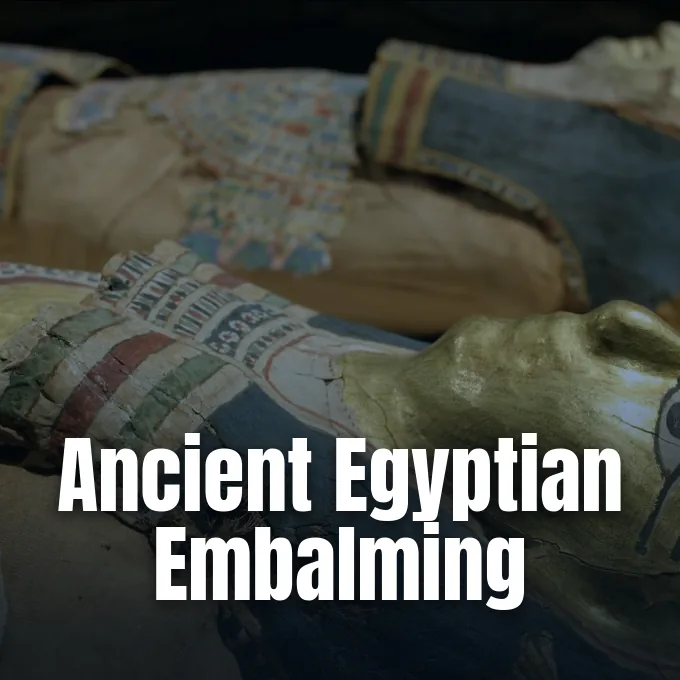
German researchers analyzing an Egyptian skull dated to the 8th century BCE have identified the first molecular evidence of aloe used in embalming residues. The findings, published in the journal Proceedings of the National Academy of Sciences, clarify botanical ingredients that ancient recipes left ambiguous [1]. At the same time, satellite radar teams working in the Nile Delta mapped contemporary 26th-dynasty sacred architecture at Buto, revealing how ancient builders protected tomb structures against high water tables [4]. By examining organic compounds and foundation engineering, both projects show how ancient Egyptian mummification and funerary construction protected perishable remains against decay and shifting mud [1].
Chemical Traces in the Mummy Skull
At Marburg University in Germany, a research team led by Tanja Pommerening and Raphael Reher examined 24 museum objects to study early pharmaceutical recipes. The collection included embalming residues, bandages, mummified tissue, and two mummified skulls [1]. One skull, dating back 2,700 years to the 8th century BCE, contained chemical signatures of plant extracts belonging to the genus Aloe [2]. Ancient texts often mentioned aloe, but scholars could not verify whether writers meant true desert succulents or fragrant wood from agarwood trees. Liquid chromatography and tandem mass spectrometry confirmed that the skull held genuine aloe extracts [1].
The chemical tests detected aloeresin A, aloeresin D, and compounds related to aloin [1]. These specific metabolites confirmed that embalmers extracted juice from real succulent plants. Only two of the 24 analyzed objects yielded traces of aloe. Preparers likely used the extract selectively or during specific periods [2]. Such choices match patterns seen in delta digs, where soil dampness shaped burial customs [4].
Ancient Egyptian Mummification and Plant Resins
The laboratory tests also mapped numerous imported gums, fats, and oils that embalmers mixed into protective balms. Conifer resins were common, showing aged signatures rich in oxidized abietane-type diterpenoids that sealed tissues against bacteria [1]. The recipes combined beeswax, animal fats, plant oils, bitumen, and tree resins like dammar and elemi [2]. In ancient Egyptian mummification, these aromatic layers slowed decay while drying agents preserved facial features [1]. Embalmers used these sticky resinous compounds to coat the body, creating an airtight protective shield that kept the delicate mummy skull safe from humidity and insect damage [2].
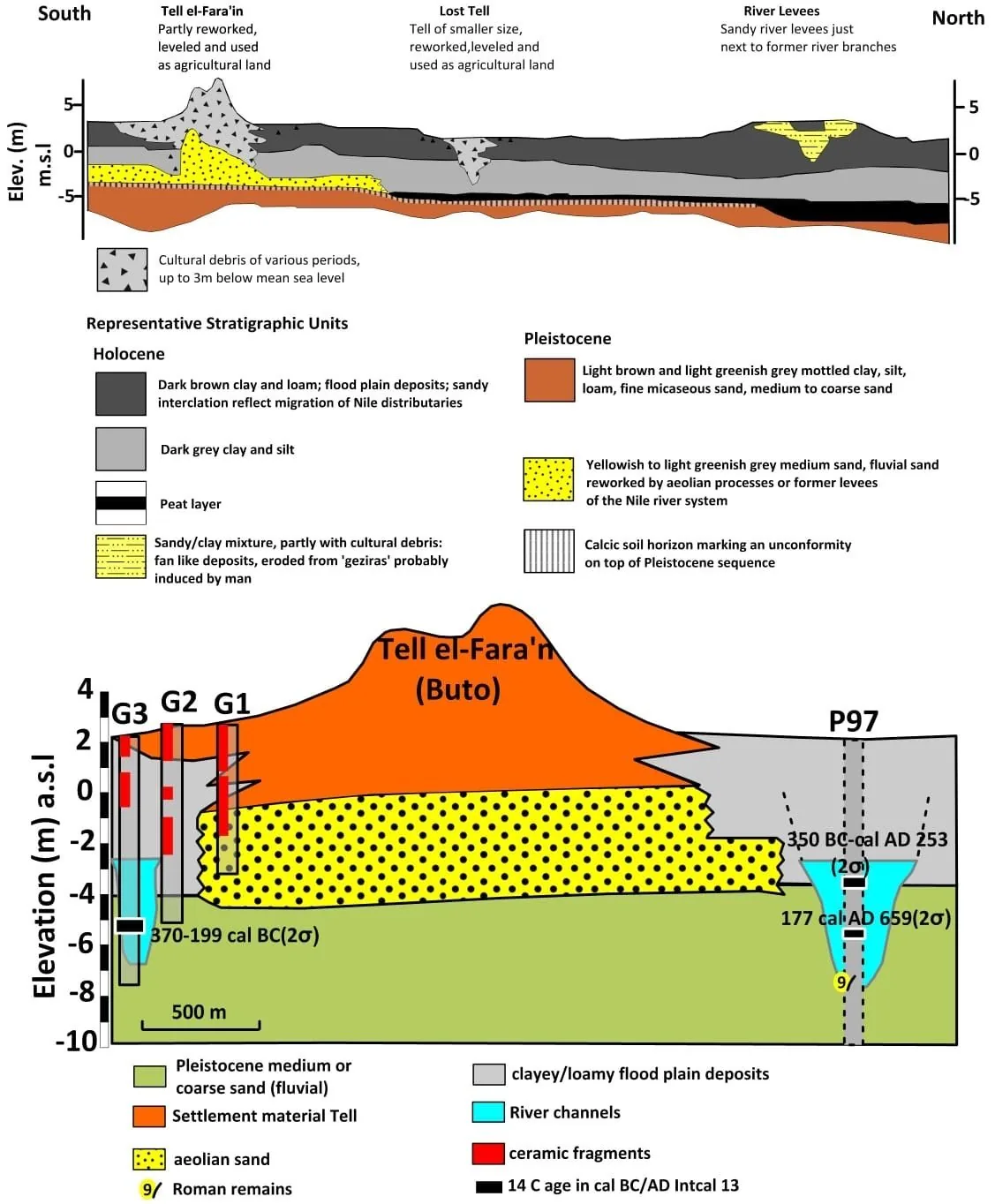
Preservation challenges varied sharply between dry desert cliffs and wet river settlements. Egypt’s varied geological deposits have protected organic material across distant eras, seen in discoveries like the ancient ape fossil Egypt discovery that altered understanding of primate evolution. At Tell el-Fara’in, occupational layers spanned the Ptolemaic dynasty (305 to 30 B.C.) and Roman era (30 B.C. to A.D. 395) [4]. Delta builders had to counteract wet soil [3].
Medieval Mumia in European Apothecaries
Centuries after embalmers prepared the skull, mummy balms took on an unexpected role in European medical shops. In the 12th century, translators reading Arabic medical manuals confused the Persian word mumiya, which referred to a natural black pitch used on wounds, with the dark resins found on Egyptian corpses [2]. This translation mistake started a large commercial market for powdered human remains sold as a medicine called Mumia vera aegyptiaca [1]. European apothecaries sold ground mummy parts for coughs, bruises, and even as an aphrodisiac, convincing patients that royal dust carried restorative powers from remote antiquity. Shippers transported thousands of preserved bodies across the Mediterranean to satisfy the growing medical demand in German and Italian towns [2].
To evaluate these historical cures, the Marburg team tested samples from an 18th-century preparation preserved at the Heidelberg Pharmacy Museum [2]. Chemical data confirmed that the jar contained genuine Egyptian resins mixed with traces of aloe [1]. Historians had previously assumed that medieval pharmacists simply invented their recipes by copying biblical passages such as John 19:39, which references a traditional mixture of myrrh and aloes. “The new findings suggest that this association may have deeper historical roots,” said co-author Tanja Pommerening [2]. The botanical compounds in European pharmacy jars had entered funerary embalming centuries earlier [1].
While medieval doctors consumed mummy dust, ancient Egyptians treated the body as a sacred vessel requiring perpetual physical protection [2]. Tombs contained elaborate offerings, including hundreds of ushabti and shawabti figurines placed in burial chambers to serve the deceased in the afterlife. Archaeologists studying sacred spaces often link Delta sites with southern mortuary complexes, including ancient Egyptian tombs unearthed in Aswan that reveal similar spiritual practices. Secure tomb construction kept these artifacts dry [4].


Satellite Radar Surveys at Buto
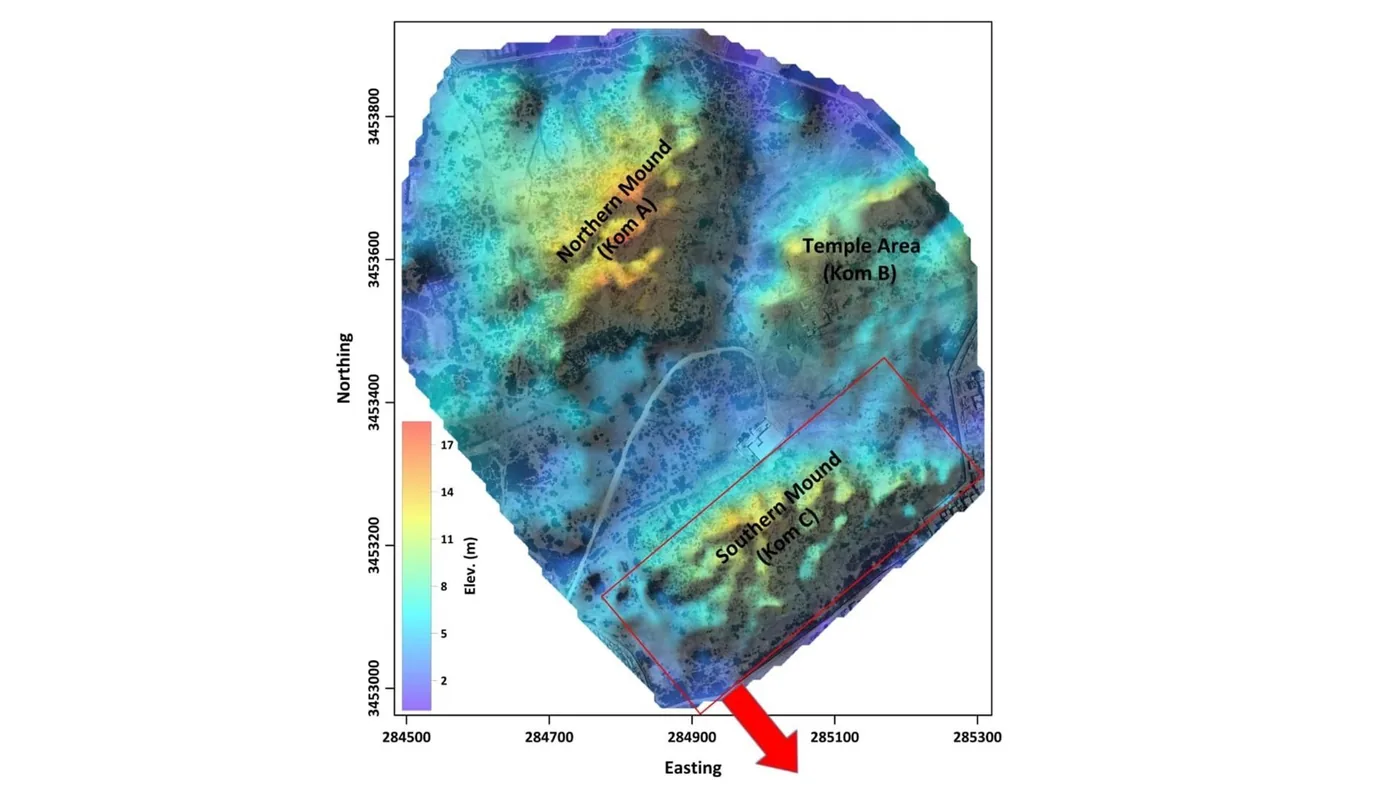
New discoveries in the Nile Delta reveal how ancient architects solved severe groundwater problems to protect sacred buildings. At Buto, known in modern times as Tell el-Fara’in, Egyptian researchers examined the religious home of Wadjet, the cobra goddess of Lower Egypt. Surface excavations had long uncovered Ptolemaic and Roman remains, but deeper mudbrick layers sat submerged beneath the delta water table at Kom C. To look through the sodden mud without costly digging, archaeologists turned to orbital radar data from the European Space Agency’s Sentinel-1 satellite. Microwave radar pulses identified a massive oval structure buried beneath Kom C, measuring approximately 420 feet long and 203 feet wide, or 128 by 62 meters. This hidden enclosure confirmed that royal builders had raised monumental cult centers directly within vulnerable wetland environments [4].
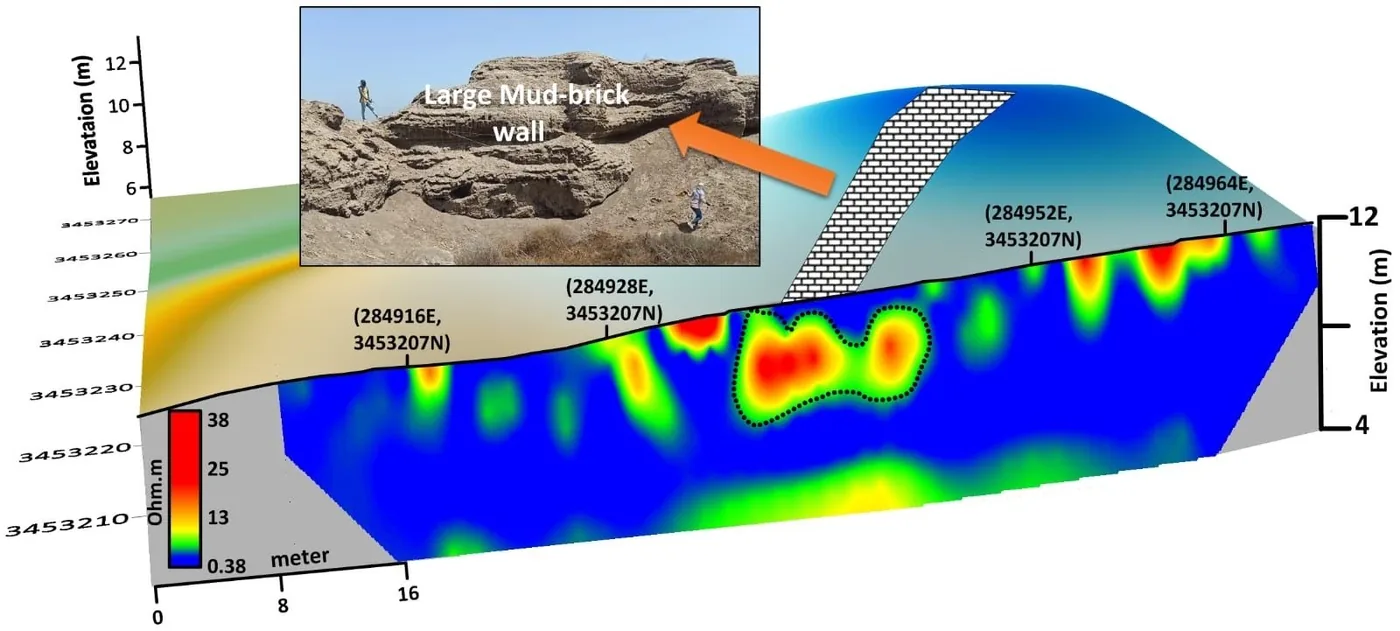
To confirm the satellite anomaly, lead author M. A. R. Abouarab and his team conducted underground scans published in the journal Acta Geophysica [3]. The researchers deployed 15 parallel survey lines of electrical resistivity tomography across an area of roughly 58,100 square feet, or 5,400 square meters [4]. By sending electrical currents into the soil and measuring how easily current flowed through different materials, the team generated a clear map of subterranean structures [3]. Just as chemists at Marburg used mass spectrometry to detect aloe traces inside bone, geophysicists at Buto used electrical scans to map mudbrick walls without damaging the ground [4].
Sand Foundations Beneath Nile Clay
The electrical data revealed layered construction phases beneath the surface of Kom C. Down to 10 feet lay broken limestone, mudbrick debris, and pottery fragments left by centuries of rebuilding during Ptolemaic and Roman times. Between 10 and 20 feet deep, or 3 to 6 meters, the survey located a massive mudbrick building dating to the 26th dynasty, also known as the Saite period from 688 to 525 B.C.. Researchers dated the complex by analyzing unique mudbrick dimensions, pottery styles, and carbon-14 measurements on organic remains. The building likely served as a royal tomb, a religious shrine, or a priestly residence. Its scale reflects how Saite monarchs invested resources to revive sacred centers across Lower Egypt [4].
Between 20 and 23 feet underground, beneath the mudbrick walls, researchers found a thick cushion of clean sand. Delta clay expands when wet and contracts when dry, threatening heavy brick structures. “The detection of a significant, clean sand foundation layer beneath the mudbrick walls explains how these heavy structures survived the high water table and shifting clayey soil of Buto,” said co-author Abdelaziz Elfadaly. Hussein Bassir said pure sand stabilized the walls [4].
Ancient Egyptian Mummification in Sacred Context
An excavation trench measuring 10 by 10 meters confirmed the presence of the mudbrick walls resting on the sand foundation. Inside the excavated trench, workers uncovered a carved limestone altar featuring drainage channels that bore dried residues consistent with animal blood from ritual offerings. Archaeologists also found a rare faience baboon figurine, an emblem of Thoth, the Egyptian god of wisdom. During the 26th dynasty, pharaohs ruled from the nearby delta city of Sais after generations of foreign rule. Restoring sacred sanctuaries at Buto reinforced their royal legitimacy, creating secure complexes where priests conducted mortuary rituals and protected sacred remains. These architectural efforts mirrored the care taken to preserve individual mummies in consecrated burial spaces [4].
These botanical and architectural discoveries reveal how Egyptians integrated chemical craft with environmental engineering [2]. In ancient Egyptian mummification, adding aloe to cranial cavities provided natural antibacterial properties alongside imported conifer resins and beeswax [1]. Outside the tomb, builders laid clean sand cushions to stop groundwater from softening sacred mudbrick walls. Future field campaigns at Buto will employ wider electrical surveys and plant specialists to study the ancient landscape [4]. In Germany, Marburg researchers will test more museum collections. “Our goal is not only to analyze the chemical composition of ancient medicines and embalming materials, but also to gain a deeper understanding of their production, use, historical transmission, and cultural context,” said co-author Raphael Reher [2].
- ACADEMIC JOURNAL Berger, T., Naimi, A., Hardes, K., Sachße, C., Gericke, R., Marner, M., Mühlemeyer, F., Pommerening, T., & Reher, R. (2026). New molecular and historical evidence on ancient Egyptian embalming. Proceedings of the National Academy of Sciences, 123(45). [Article Link]
- ONLINE NEWS Paul, A. (2026, November 2). Aloe found in ancient Egyptian mummy skull for the first time. Popular Science. [Article Link]
- ACADEMIC JOURNAL Abouarab, M. A. R., Elfadaly, A., Elbehery, W., Wafa, O., Aboalkassim, I., Younes, A., Hiekl, A. M. A., Saada, S. A., Wilson, P., & Ibrahim, A. (2026). Multi-scale detection of buried archaeological elements across different occupation phases: an integrated approach using radar satellite imagery and electric resistivity tomography at Buto, northwestern Nile Delta of Egypt. Acta Geophysica, 74(2). [Article Link]
- ONLINE NEWS Tantawy, W. (2026, November 2). Mysterious 2,600-year-old Egyptian building discovered from space — and it could be an ancient tomb or shrine. Live Science. [Article Link]
APA 7: PerEXP Teamworks. (2026, November 3). Egyptian Mummy Skull Analysis Identifies Aloe Residues. PerEXP Teamworks. https://perexpteamworks.com/en/ancient-egyptian-mummification-aloe-residues/


