



The Japanese perspective on J. Robert Oppenheimer, the lead scientist behind the development of the atomic bomb, offers a unique insight into the aftermath of the bombings of Hiroshima and Nagasaki during World War II. The legacy of the atomic bomb has deeply shaped the views held by the Japanese people towards Oppenheimer and his role in these devastating events.
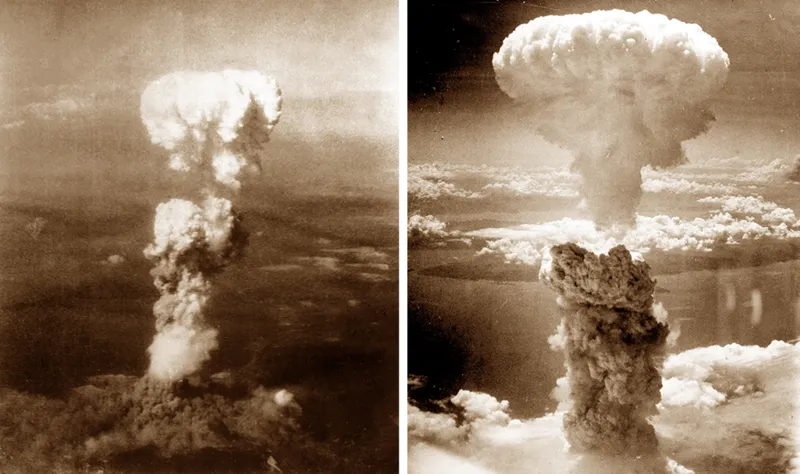
Hiroshima and Nagasaki, the two cities directly affected by the bombings, have since become powerful symbols of the destructive power of nuclear weapons. The impact of the atomic bomb on these cities and their residents cannot be overstated, and it is within this context that the Japanese perspective on Oppenheimer emerges.
For many in Japan, Oppenheimer represents the embodiment of scientific progress gone awry. The atomic bomb, created under his leadership, resulted in the deaths of tens of thousands of innocent civilians and caused long-lasting physical and psychological trauma for survivors. This has led to a complex and nuanced perception of Oppenheimer and his contributions to the Manhattan Project.

Oppenheimer’s impact on Hiroshima and Nagasaki survivors
This section delves into the profound impact of J. Robert Oppenheimer’s creation, the atomic bomb, on the survivors of Hiroshima and Nagasaki. The experiences and perspectives of the Japanese people who lived through the bombings provide invaluable insights into the consequences of such devastating weapons and their lasting effects.
The atomic bomb brought unimaginable suffering upon our city and its people. It forever changed the course of our lives.
Oppenheimer and the atomic bomb snatched away our loved ones, our homes, and our sense of security. We carry the weight of those memories every day.
Nagasaki survivor
For the Japanese survivors, the atomic bomb was not an abstract concept but a horrifying reality that forever altered their lives. The devastation they witnessed, the loss of family, friends, and their homes, shaped their views on Oppenheimer and the grave consequences of nuclear weaponry.
The survivors of Hiroshima and Nagasaki have become vocal advocates for nuclear disarmament, drawing from their personal experiences to raise awareness about the catastrophic nature of atomic bombs. Their stories and pleas for peace have resonated worldwide and influenced global conversations on nuclear non-proliferation.

By sharing their traumatic experiences and advocating for disarmament, the Japanese survivors have demonstrated their resilience and determination to prevent others from experiencing the horrors they endured. Their voices are a poignant reminder of the devastating impact of the atomic bomb on innocent lives.
The events in Hiroshima and Nagasaki have prompted discussions on healing, reconciliation, and the importance of learning from history. Oppenheimer’s creation of the atomic bomb serves as a haunting reminder of the need to work towards a world free from nuclear threats.
| Survivor Perspective | Oppenheimer’s Impact |
|---|---|
| Deep emotional and physical scars | Awareness of the devastating power of the atomic bomb |
| Vocal advocates for peace and disarmament | Inspiration to fight against nuclear proliferation |
| A catalyst for healing and reconciliation | Spurring discussions on the importance of learning from history |
The survivors of Hiroshima and Nagasaki continue to strive for healing and reconciliation, urging the world to unite in the pursuit of nuclear disarmament. Their stories and resilience serve as a powerful testament to the human spirit and the urgent need to prevent the devastation caused by nuclear weapons.
Portrayal of Oppenheimer in Japanese films and literature
Japanese films and literature have played a significant role in shaping the collective memory and perspective of the Japanese people regarding J. Robert Oppenheimer and his involvement in the development of the atomic bomb. These creative mediums have sought to depict Oppenheimer and his actions, particularly in the context of the devastating atomic bombings of Hiroshima and Nagasaki.
Through various narratives and artistic interpretations, Japanese filmmakers and writers have explored the complexities of Oppenheimer’s character and his contributions to the creation of the atomic bomb. These portrayals delve into the moral dilemmas faced by the scientists involved in the Manhattan Project and the profound impact of their actions on Hiroshima and Nagasaki.
Oppenheimer’s brilliance was undeniable, but his recognition as the father of the atomic bomb has evoked mixed sentiments from the Japanese people. Through our films and literature, we aim to shed light on the immense human suffering caused by the bombings and provoke critical reflection on the ethical implications of scientific advancements.
Renowned Japanese filmmaker Hideaki Anno
The themes and narratives that emerge from these representations highlight the trauma experienced by the Japanese people in the aftermath of the bombings. Japanese filmmakers and writers often emphasize the devastating consequences of the atomic bomb, expressing the pain, loss, and lasting scars endured by the survivors and their communities.
This artistic exploration of Oppenheimer’s role also seeks to challenge conventional narratives and foster a deeper understanding of the historical events surrounding the bombings. By providing nuanced perspectives on Oppenheimer and the atomic bomb, Japanese films and literature contribute to the ongoing discourse on the impact of nuclear weapons and the importance of nuclear disarmament.
| Film/Literature | Description |
|---|---|
| Godzilla (1954) | A metaphorical representation of the atomic bomb, Godzilla reflects the fears and anxieties of the Japanese people, with clear allusions to Oppenheimer’s creation. |
| Black Rain (1989) | This novel by Masuji Ibuse explores the aftermath of the bombings and features characters reflecting on the origins of the destructive force unleashed upon their homeland. |
| Barefoot Gen (1973) | Keiji Nakazawa’s manga series follows the life of a young boy who survives the atomic bombing of Hiroshima, depicting the consequences of Oppenheimer’s creation on innocent lives. |
In conclusion, the Japanese perspective on J. Robert Oppenheimer and the impact of the atomic bomb on Hiroshima and Nagasaki is multifaceted and deeply rooted in the collective memory of the Japanese people. Through our exploration of Oppenheimer’s role and the aftermath of the bombings, several key findings have emerged.
Firstly, the legacy of the atomic bomb continues to shape the worldview of Hiroshima and Nagasaki survivors. Their experiences and perspectives on Oppenheimer and the devastating effects of nuclear weapons have played a significant role in advocating for disarmament and raising awareness of the unimaginable horrors that unfolded during World War II.
Furthermore, the portrayal of Oppenheimer in Japanese films and literature has offered a platform for artistic expression and introspection. These representations have highlighted the complexities surrounding Oppenheimer’s involvement in the development of the atomic bomb, allowing for a deeper understanding of the Japanese perspective on his role and the ethical implications of scientific advancements.
Lastly, the conclusion emphasizes the ongoing efforts for nuclear disarmament and the importance of learning from history to prevent future tragedies. The Japanese perspective on Oppenheimer serves as a reminder of the devastating consequences of nuclear weapons and the urgent need for global cooperation in ensuring a peaceful and secure future for all.
- ONLINE NEWS BBC News. (2020, August 8). Hiroshima and Nagasaki: 75th anniversary of atomic bombings. BBC News. [BBC News]
- DICTIONARY ENTRY Britannica, T. Editors of Encyclopaedia (2024, April 5). atomic bombings of Hiroshima and Nagasaki. Encyclopedia Britannica. [Britannica]
- WEBSITE Rothman, L. (n.d.). Survivors of the atomic bomb share their stories. TIME. [TIME]
- ONLINE NEWS Horne, M. (2020, July 20). Photos: Hiroshima and Nagasaki, before and after the bombs. HISTORY. [HISTORY]
APA 7: TWs Editor. (2024, April 12). Oppenheimer: A Japanese Perspective. PerEXP Teamworks. [Article Link]


