




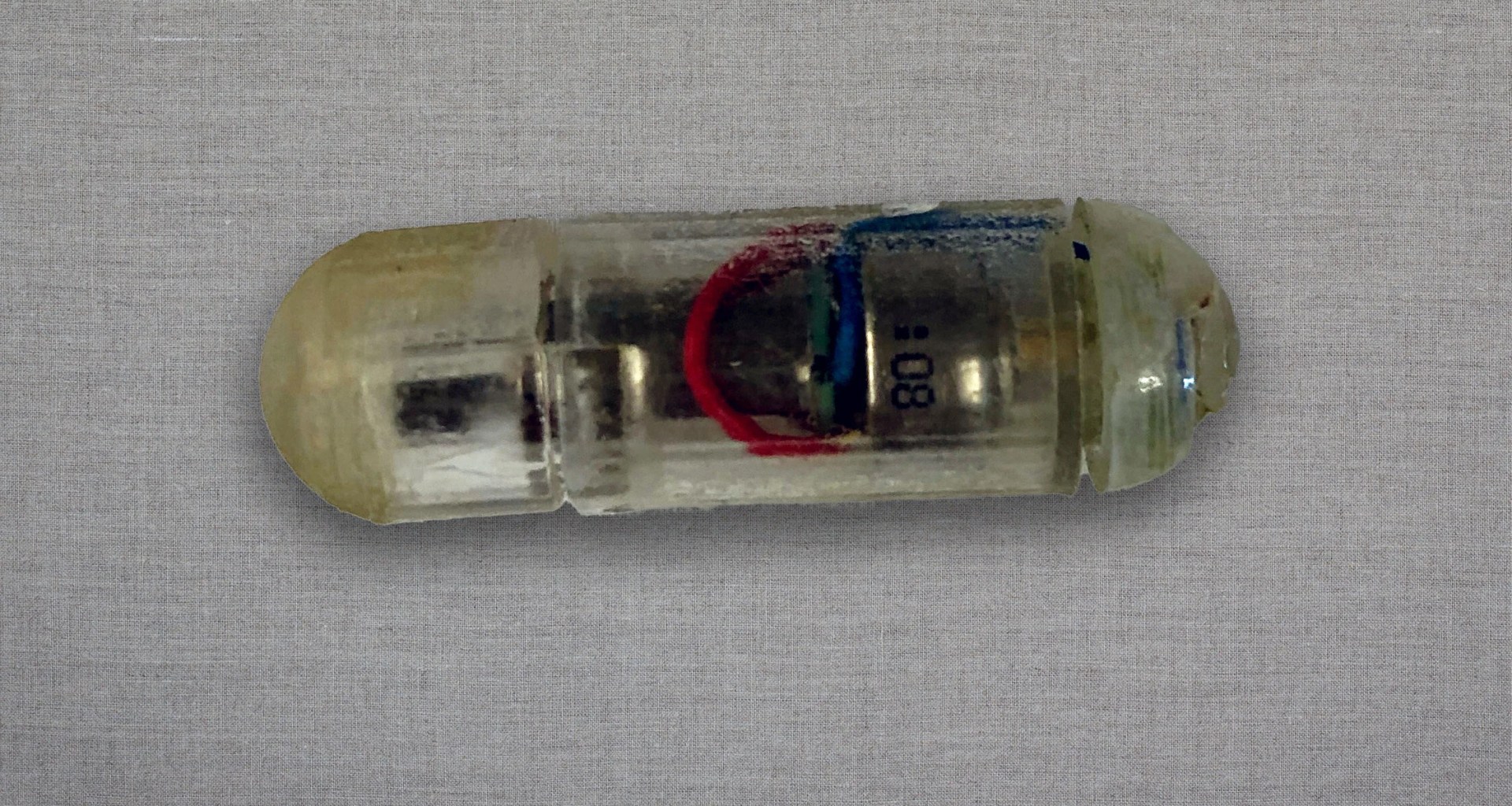
Consuming a substantial meal prompts the stomach to send signals to the brain, generating a sense of fullness that signals the cessation of eating. This phenomenon extends to a stomach filled with liquid, prompting the common advice for dieters to drink water before meals. Capitalizing on this physiological response, engineers at MIT have introduced an inventive approach using an ingestible capsule designed to vibrate within the stomach. These vibrations activate stretch receptors, the same receptors responsible for detecting stomach distension, thereby creating a deceptive sense of fullness.
The findings of the MIT team’s research are published in Science Advances. In animal trials where the ingestible capsule was administered 20 minutes before meals, the treatment not only prompted the release of satiety-signaling hormones but also resulted in a notable reduction of food intake by approximately 40%. While much remains to be discovered about the intricate mechanisms influencing human body weight, the researchers propose that if subsequent studies affirm the safety and efficacy of this technology in humans, it could represent a minimally invasive approach to address obesity.
Shriya Srinivasan Ph.D., the lead author of the study and a former MIT graduate student and postdoctoral researcher, now an assistant professor of bioengineering at Harvard University, envisions the potential impact of this technology on weight management. She suggests that, if proven safe for human use, the ingestible capsule could be taken before each meal, offering an intriguing option with minimized side effects compared to other pharmacological treatments.
The senior author of the paper is Giovanni Traverso, an associate professor of mechanical engineering at MIT and a gastroenterologist at Brigham and Women’s Hospital. The collaborative efforts of the research team underscore the innovative possibilities of this ingestible capsule in reshaping approaches to weight control and appetite management.
A sense of fullness
The intricate connection between the stomach’s distension and the brain’s signaling system relies on specialized cells known as mechanoreceptors. These cells, sensitive to stretching, transmit signals to the brain through the vagus nerve when the stomach undergoes distension. In response, the brain initiates the production of insulin, along with hormones such as C-peptide, Pyy, and GLP-1. These coordinated actions aid in the digestion process, induce a sense of fullness, and regulate the cessation of eating. Simultaneously, the hunger-promoting hormone ghrelin experiences a decrease.
Shriya Srinivasan, during her time as a graduate student at MIT, delved into the concept of manipulating this intricate process through the application of vibrations, specifically by artificially stimulating the mechanoreceptors lining the stomach. Drawing inspiration from previous research demonstrating that vibration applied to muscles can create a perception of greater stretching, she wondered if a similar approach could be employed to activate stretch receptors in the stomach. The goal was to create an illusory sense of distension, influencing hormone levels and eating patterns.
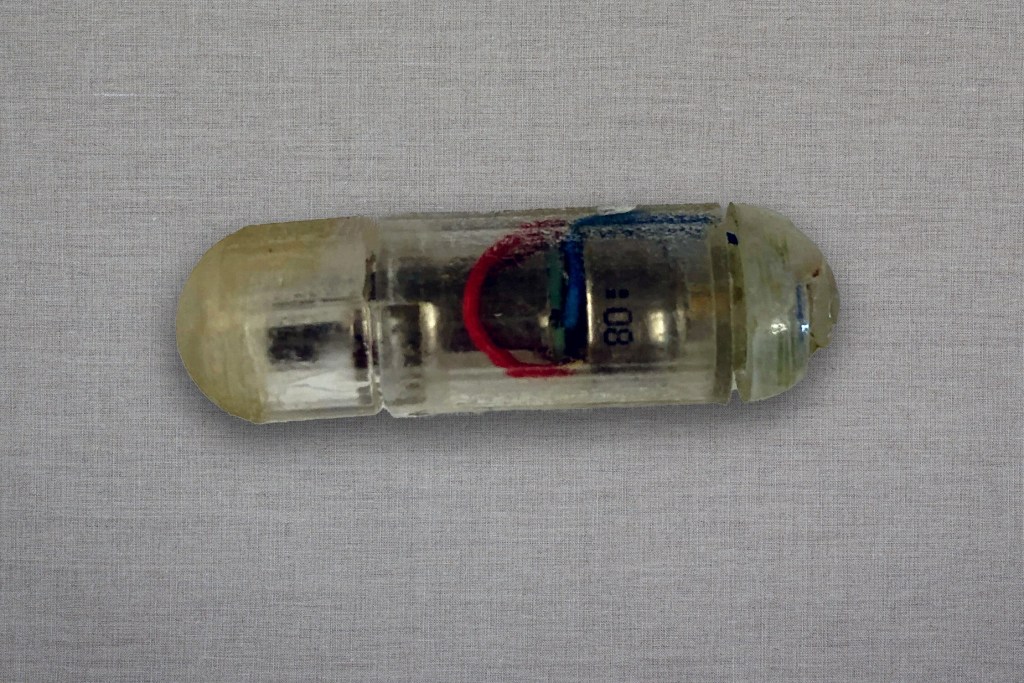
Collaborating with MIT’s Koch Institute for Integrative Cancer Research during her postdoctoral work, Srinivasan closely collaborated with Giovanni Traverso’s lab. Traverso’s lab, known for pioneering innovative methods for the oral delivery of drugs and electronic devices, played a pivotal role in developing the technology at the heart of this study. The researchers crafted a capsule, roughly the size of a multivitamin, featuring a vibrating element. Upon reaching the stomach, the acidic gastric fluids dissolve a gelatinous membrane encasing the capsule, completing an electronic circuit that activates the vibrating motor. This capsule, powered by a small silver oxide battery, serves as a groundbreaking tool to explore the modulation of hormonal responses and eating behaviors through the artificial stimulation of stomach stretch receptors.
In a notable study conducted on animals, researchers explored the effects of an ingestible vibrating capsule designed to activate mechanoreceptors, initiating signals to the brain through the stimulation of the vagus nerve. The team monitored hormone levels during the periods of device vibration, discovering that they closely mirrored the patterns of hormone release observed after a meal, even in instances when the animals had undergone fasting.
Subsequent examinations delved into the impact of this stimulation on the animals’ appetite. When the vibrating pill was activated for approximately 20 minutes before the animals were presented with food, the results were remarkable—an average consumption reduction of 40%, along with a slower weight gain during periods when the vibrating pill was administered.
Giovanni Traverso, senior author of the study, emphasized the profound behavioral change observed in the animals, emphasizing the use of the endogenous system rather than external therapeutic interventions. This, he suggests, holds the potential to address challenges and costs associated with the delivery of biologic drugs by modulating the enteric nervous system.
The current iteration of the vibrating pill is programmed to operate for about 30 minutes upon reaching the stomach. However, the researchers aim to explore the feasibility of extending its duration within the stomach. This potential modification would allow for wireless on-and-off control as needed. Importantly, in the animal studies, the pills passed through the digestive tract within four or five days, and no adverse effects such as obstruction or perforation were observed during the pill’s presence in the digestive system.
These findings open up intriguing possibilities for non-invasive approaches to appetite modulation and weight management, presenting a novel avenue in the exploration of the enteric nervous system for potential therapeutic applications.
A different way of doing things
The development of an ingestible vibrating capsule presents a promising alternative in the realm of obesity treatment, according to researchers. Existing approaches, including nonmedical interventions like diet and exercise, often prove ineffective, while several medical interventions are notably invasive. Among these are gastric bypass surgery and gastric balloons, with the latter falling out of favor in the United States due to safety concerns.
Though drugs such as GLP-1 agonists can aid in weight loss, many require injection and are financially out of reach for a significant portion of the population. Shriya Srinivasan, a key contributor to the study, highlights the potential of MIT’s vibrating capsules to be manufactured at a cost-effective price point, ensuring accessibility for those who may not have resources for more expensive treatment options. This affordability could be a transformative factor, particularly in global health settings where sophisticated and costly interventions may be challenging to implement.
Srinivasan expresses enthusiasm about the potential impact of this technology on transforming care and therapy, especially in regions where advanced and costly options are limited. She emphasizes the need for scalability in manufacturing the capsules to facilitate broader clinical trials in humans. Such studies would provide crucial insights into the safety profile of the devices, optimal timing for capsule ingestion before meals, and the frequency of administration. The exploration of these factors is pivotal as researchers strive to bring this innovative approach to a wider population grappling with obesity-related health challenges.
Resources
- ONLINE NEWS Trafton, A. & Massachusetts Institute of Technology. (2023, December 22). Engineers develop a vibrating, ingestible capsule that might help treat obesity. Medical Xpress. [Medical Xpress]
- JOURNAL Srinivasan, S., Alshareef, A., Hwang, A., Byrne, C., Kuosmanen, J., Ishida, K., Jenkins, J. A., Liu, S., Madani, W. a. M., Hayward, A., Fabian, N., & Traverso, G. (2023). A vibrating ingestible bioelectronic stimulator modulates gastric stretch receptors for illusory satiety. Science Advances, 9(51). [Science Advances]
Cite this page:
APA 7: TWs Editor. (2023, December 26). A Vibrating Pill That Could Help Fight Obesity, Created by Engineers. PerEXP Teamworks. [News Link]


