



Internal Microsoft projections indicate the next Xbox console carries an estimated price between $1,200 and $1,800 for its planned 2028 debut, according to reporting from Fortune correspondent Sebastian Herrera [4]. Subsidies will decide the final retail cost [1]. If Microsoft decides against absorbing component bills, players will face hardware prices that match high-end personal computers, while Xbox also prepares a portable gaming device for holiday 2027 [5]. That handheld will reach store shelves before the flagship living room machine arrives [1].
Expected Next Xbox Console Pricing Tiers
Internal hardware figures reviewed by Fortune project Project Helix between $1,200 and $1,800 for its 2028 debut. That target points to a steep jump above existing machines, as Project Helix would cost $400 more than Xbox Series X at the bottom and more than double its price at the top. Microsoft sells the current Xbox Series X for $799.99 in the United States following pricing revisions enacted in August. During that pricing update, smaller 512GB models rose by $100 while 1TB units jumped by $150, and Microsoft dropped the 2TB version from retail shelves entirely. Memory and storage bills drove those hikes after supply prices grew 2.5 times across the industry. Component costs could double again by fall 2027 as production expenses climb across suppliers [4].
Console manufacturers often take initial losses to grow their player base before software sales bring in profit. When Microsoft launched the Xbox Series X and Xbox Series S in 2020, former Xbox CEO Phil Spencer said the company lost as much as $200 on every single system sold [2]. Without Microsoft subsidizing Project Helix, shoppers must cover the full build price out of pocket, so the hardware would sit in the price bracket of high-end desktop gaming personal computers [1].
The Xbox division operates on slim financial margins. Microsoft manages an estimated profit margin of around 3% across gaming hardware, which restricts how much production cost leadership can absorb without wiping out hardware returns. Current Xbox Series consoles have sold barely one-third as many units as Sony’s PlayStation 5, which leaves Microsoft with a smaller hardware base to sustain steep unit subsidies [4].
Rising Memory and Storage Costs
Higher part expenses affect every major hardware producer. Microsoft warned partners that memory and storage expenses climbed more than 2.5 times over recent product cycles and could double again by the fall of 2027 as silicon availability tightens [4]. Microsoft is a leading corporate backer of artificial intelligence infrastructure, and that heavy demand inflates part costs for Xbox gaming devices while commercial datacenters purchase memory chips. Xbox CEO Asha Sharma addressed that dynamic, saying it is “wonderful” that graphics processing units now find wide use outside video games [2].
Reports from WCCFTech indicate that Sony’s upcoming PlayStation 6 will also cost well into four digits at retail. Solid-state storage and system memory for the next PlayStation 6 have already reached about $680 in manufacturing estimates, with part expenses projected to climb further before mass assembly begins. Rising component bills make entry-level home hardware difficult to build without corporate discounts from Sony or Microsoft [1].
Consumer data shows high-income families make up the bulk of console buyers today, and that buying pattern is expected to continue under higher hardware prices [2]. If retail hardware climbs beyond $1,200, Xbox machines will sit next to luxury computing gear instead of accessible family media boxes. That pricing shift would price out casual players looking for an entry-level machine [1].

Handheld Plans Sparked Windows Clash
Microsoft will not wait until 2028 for hardware. The company plans to release a “next-generation handheld device” for Xbox by the holiday shopping season of 2027. Internal sources describe Project Helix as a “family of devices” rather than one living room box, though Microsoft has not stated whether it will build the portable hardware alone or with Asus [5].
Software development provoked fierce fights inside Microsoft. The Windows group wanted the handheld to run a “trimmed-down” version of Windows Home, arguing that desktop code would preserve wide PC compatibility and existing app support [2]. The Xbox team rejected that idea. Xbox engineers pushed instead to build custom gaming software tuned for controller play [3]. A senior Xbox executive then threatened to cancel the handheld project rather than accept Windows. Sharma later told Fortune that both groups work together toward Helix hardware, noting that “We can’t build Helix on our own” as plans advance [2].
Microsoft previously partnered with Asus on portable PC hardware, releasing the ROG Xbox Ally handheld gaming devices powered by modified Windows 11 software. The Asus collaboration revealed interface limits [5]. The desktop operating system caused navigation friction on smaller screens, convincing Xbox leaders to seek dedicated software for the upcoming 2027 handheld [3].

Leadership Decisions Under Asha Sharma
Sharma took over as Xbox CEO in February. She promptly declared the business unhealthy, initiating cost measures that cut 2,000 employees, shut down game studios, and dropped unfinished software projects. Fortune reports that Microsoft plans more Xbox layoffs this month in October, with additional rounds of staff cuts scheduled for November and again in January of 2027 [2].
In an organizational shift, Microsoft moved future development for the flagship Halo franchise over to Activision studios. The decision to place its primary brand under Activision shows that Xbox leaders want streamlined studio structures and faster game output as Microsoft readies hardware for the next console generation [2].
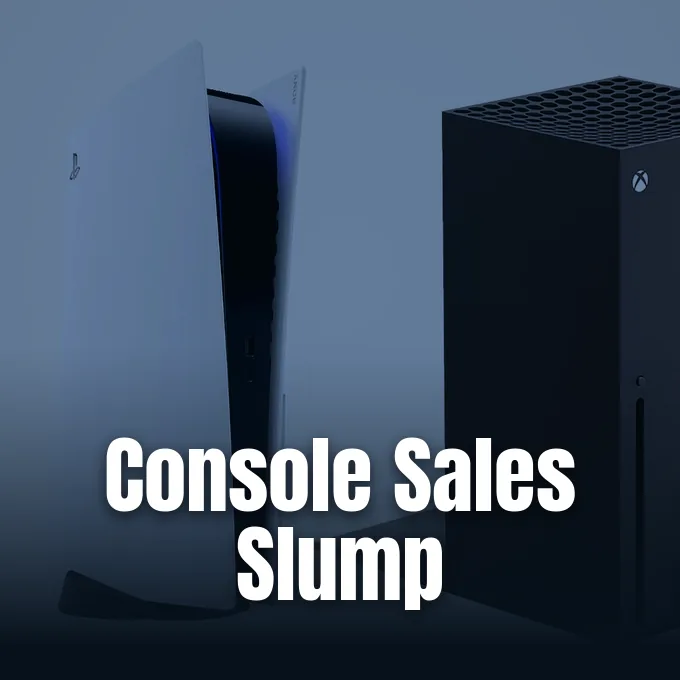
Hardware momentum faces market headwinds as Xbox and PlayStation console sales dropped to multi-decade lows in the United States during recent retail tracking quarters. With Xbox Series consoles selling just over one-third of PlayStation 5 totals, Microsoft must convince cautious players to invest in expensive hardware when Project Helix arrives on store shelves [4].

Building the Next Xbox Console With AMD
Microsoft officially announced Project Helix in March, confirming that it is developing the next-generation console with AMD to play Xbox and PC games [4]. Last year Microsoft and AMD announced a multi-year partnership to develop a portfolio of gaming hardware devices, so custom AMD chips will power Microsoft’s upcoming home console and future portable systems [5]. Playing both Xbox and PC releases allows Project Helix to bridge living room consoles with Windows computers under a unified library [4].
The arrival of the next Xbox console will align with an overhaul of Xbox Game Pass. Fortune reports that Microsoft is preparing an à la carte system where players choose features through a tiered model. Subscribers would choose add-ons for console games, cloud streaming, or multiplayer access [1]. Industry rumors suggest Microsoft could launch ad-backed subscription options similar to video streaming platforms to lower entry barriers [5].
Sharma previously rolled back Game Pass subscription price increases after admitting internally that “Game Pass has become too expensive for players” amid slowing subscriber expansion. Xbox dropped future Call of Duty games from day-one Game Pass access and cut membership costs to keep current subscribers engaged without bleeding software revenue [5]. Whether those subscription changes and high hardware price tags can lift Microsoft’s gaming business will become clear as Project Helix moves toward its targeted release [1].
- ONLINE NEWS Duwe, S. (2026, October 20). Next Xbox console reportedly coming in 2028 and could cost as much as $1,800. Destructoid. [Article Link]
- ONLINE NEWS GameSpot. (2026, October 20). Next-Gen Xbox Could Be $1,800 And Launch In 2028 – Report. GameSpot. [Article Link]
- ONLINE NEWS Sepiol, S. (2026, October 20). XBOX Next-Gen Handheld Planned for 2027 and Console in 2028, It’s Claimed. Insider Gaming. [Article Link]
- ONLINE NEWS Fairfax, Z. (2026, October 20). Next-gen Xbox consoles could reportedly cost up to $1,800. Dexerto. [Article Link]
- ONLINE NEWS Warren, T. (2026, October 20). Microsoft reportedly plans Xbox handheld in 2027, next-gen console in 2028. The Verge. [Article Link]


