




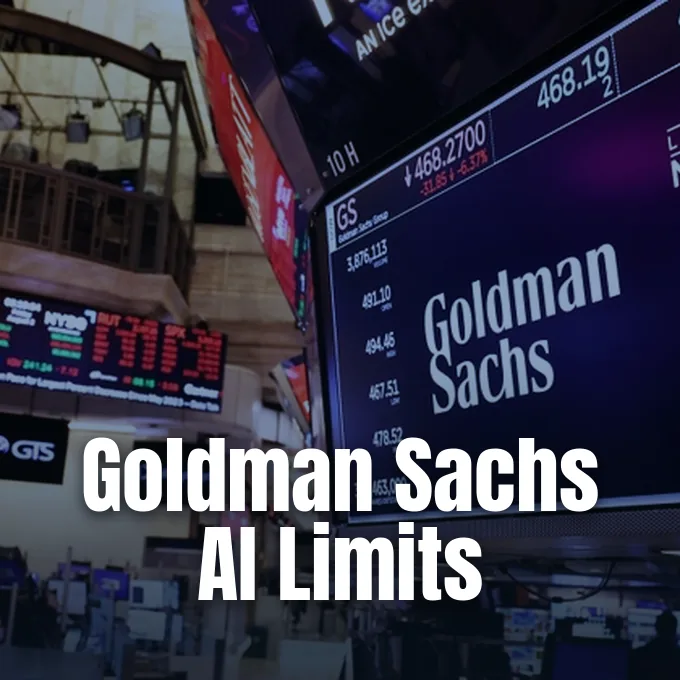
Goldman Sachs has pulled advanced coding tools from its traders and investment bankers, restricting access to software developers under updated guidance. The policy shift, reported by Bloomberg on November 2, blocks desk employees from running Anthropic’s Claude Code and Microsoft’s GitHub Copilot after months of open trials. Desk staff had used the software to track client trading flows, model market positions, and draft research material. The new Goldman Sachs AI rules confine active access to roughly 12,000 engineers following a bank review of productivity and risk management [3].
Who Lost Tool Access
The policy change reversed an open setup that allowed Wall Street trading desks to build small software helpers right on their terminals. Traders and bankers in asset management had spent months using Claude Code and GitHub Copilot to automate daily chores and build quick data models. That wide access ended quietly when Goldman issued updated desk guidance in October. Staff members on several trading desks expressed frustration after losing their software seats, according to reporting from PANews and Bloomberg [6].
Goldman spokesperson Nick Carcaterra said the bank based the restriction on a “variety of factors including productivity and risk management.” He explained that the experimental stage of the tech had ended, noting that the firm chose to concentrate the tools “in the hands of those who are best suited to leverage them for the long term.” Writing for AI Weekly, Alexis Dufresne reported that while desk staff lost their seats, Goldman preserved full access for its core tech workforce and its specialized strats group (software engineers who also do quantitative analysis), who build pricing models and bank risk systems [3].
Access now belongs exclusively to roughly 12,000 engineers in core technology teams. Desk staff can’t run automated assistants to write code, parse datasets, or connect to bank systems from desktop terminals. Liz Kiesche reported for Seeking Alpha that the policy update followed formal reviews of desk workflows. For thousands of bank workers who had built AI coding into their daily work, the change stopped their side projects cold [5].
Backing Away From Vibe Coding
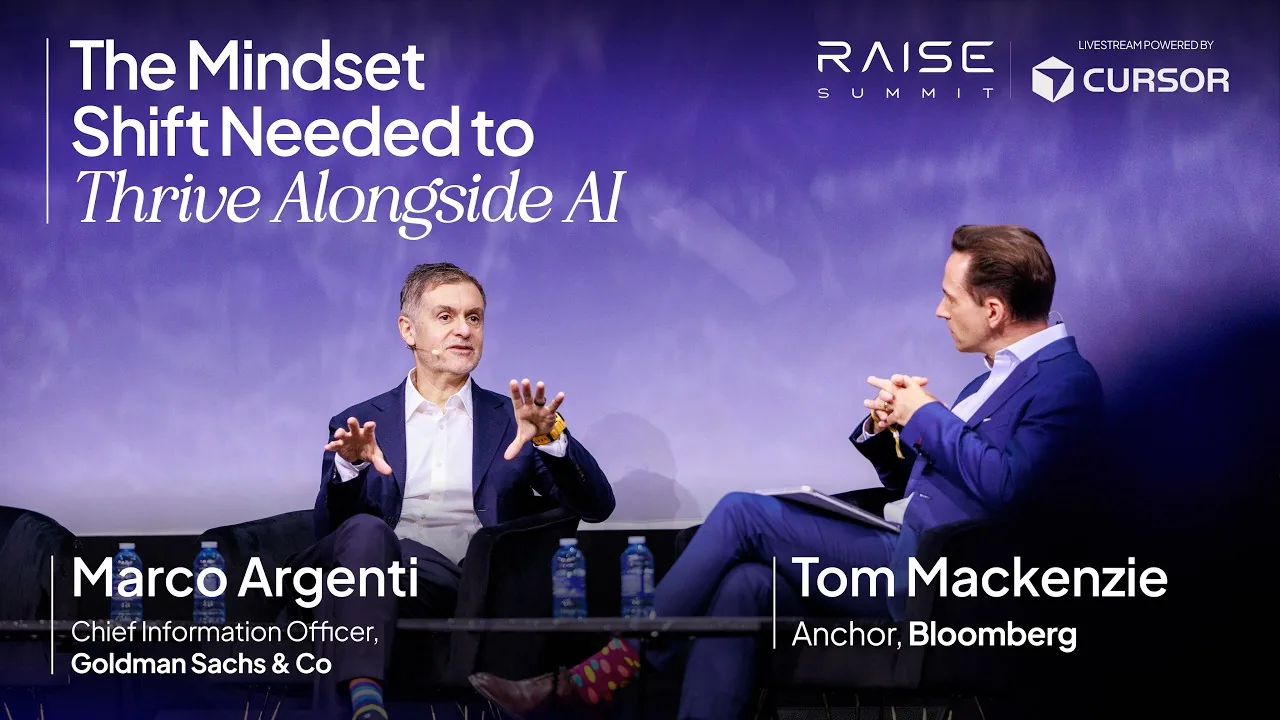
The policy change marks a sharp turn from the bank’s public tone earlier in 2026. During an interview in July, Goldman Chief Information Officer Marco Argenti spoke favorably about “vibe coding” among non-technical personnel. Under that vision, a trader or portfolio manager would describe a business concept, generate a rough code prototype using Anthropic’s Claude, and hand the working script to an engineer to build out a production version [4].
That workflow offered clear practical benefits for busy Wall Street trading floors where custom software support often involves long ticket queues. Traders understand their market monitoring screens better than outside programmers, but they rarely have the background to write clean software by hand. AI coding agents bridged that gap by letting employees build mockups on live market data in minutes, but turning unverified scripts into stable bank systems created unexpected headaches for core engineering teams. Senior developers found themselves debugging messy code bases that non-programmers could not maintain or explain. The mockups created hidden dependencies that ran outside normal version control systems. Writing for THE-DECODER.com, Matthias Bastian called the shift a U-turn that punctured early industry hype around unguided desk coding [1].
The handoff between desk staff and software teams has changed. Instead of coding tools alone, traders must submit design requests to tech groups. Goldman hasn’t said if a safe sandbox will return to trading desks. For now, desk workers must wait [1].

System Safety in Goldman Sachs AI
Banks face distinct operational hazards when deploying autonomous coding agents on desktop machines. Tools like Claude Code and Microsoft GitHub Copilot read local directories, run terminal commands, and call bank application interfaces. On a trader’s computer, those interfaces touch market data, order books, and private client records. Without rigid system boundaries, an AI agent operating with wide permissions expands the firm’s vulnerability surface [2].
Code review standards represent another major hurdle for banking compliance officers. While a commercial language model can assemble functional code in seconds, desk employees typically lack the training required to evaluate memory usage, security flaws, or logic errors. When unvetted code touches execution feeds, the burden of regulatory compliance falls back onto bank engineers who didn’t write the original logic. The shift matches wider scrutiny across the global financial sector, where multiple US banks restrict unauthorized AI agents from interacting directly with sensitive customer accounts. Writing in a research brief for AISOLO Technologies, analyst Yash Thakker pointed out that unmonitored scripts operating outside standard change control create recordkeeping gaps that financial supervisors penalize [2].
Measuring genuine productivity gains also influenced the policy revision. Although writing code with artificial assistants takes little time, reviewing and repairing unstructured scripts often consumes more engineering hours than writing clean software from scratch. Writing in AI Daily Post, Brian Petersen observed that bank compliance security guidelines won the argument against open experimentation. Early time savings on trading desks vanished once firms factored in ongoing maintenance costs and security audits [4].
Why Goldman Sachs AI Strategy Shifted
The October restriction fits into a broader pattern of global lenders adjusting their automation roadmaps as early hype meets regulatory reality. Financial firms publicized ambitious pilots throughout 2026, but risk teams are drawing tighter lines around daily production workflows. In April 2026, Bloomberg revealed that Goldman staff in Hong Kong lost access to Anthropic’s Claude due to regional regulatory restrictions. The latest global pullback shows how risk managers are systematically setting boundaries for Goldman Sachs AI deployments [2].
Other Wall Street institutions are following comparable paths by curbing loose desktop tools while employing technical specialists to audit automated code. Bank of America deployed 1,000 contractors specifically to patch software vulnerabilities discovered by the Anthropic Mythos model. Major banks like Citi and JPMorgan have similarly enacted guardrails to keep unvetted AI scripts from touching live financial data. Meanwhile, bank leadership teams are tracking the wider employment impact of generative software. Goldman’s own research economists estimated that generative artificial intelligence could displace up to 9% of global workers, while British lender Barclays linked roughly 5,000 job cuts to automated software systems [2].
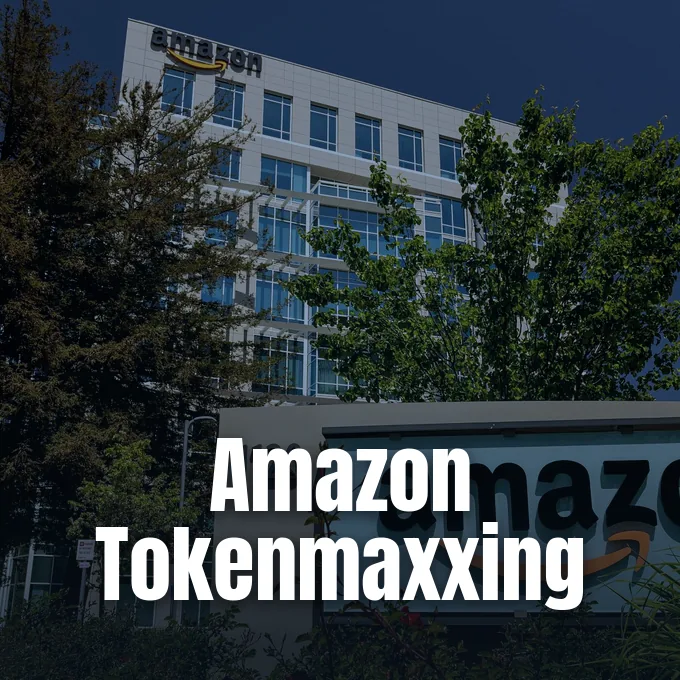
Technology leaders outside finance are enforcing similar discipline in engineering teams, as seen when Amazon tells developers to stop AI tokenmaxxing in corporate coding environments. Companies are concluding that open access creates digital waste rather than lasting business value. Financial firms are funneling coding models into controlled engineering environments where experienced programmers inspect every output [3].
Lessons for Regulated Firms
The Goldman Sachs AI rollback provides practical guidance for tech executives managing software tools in heavily regulated industries. Handing advanced tools to non-programmers without clear governance models almost inevitably leads to friction when companies attempt to reassert oversight. As Goldman discovered, taking away tools that staff have built into daily routines breeds frustration across trading floors. Leaders should set clear expiration dates for experimental trials before distributing software licenses to general business units [2].
Software architects recommend defining strict handoff protocols before allowing desk staff to assemble functional prototypes. Without assigned engineering sponsors, mockups built by analysts risk sliding into core operations without code reviews or audit trails. Organizations should enforce scoped API credentials, run unverified code inside sandboxed execution spaces, and mandate comprehensive peer reviews for any script that touches live databases. Building those safeguards early protects enterprises against hidden technical debt and regulatory penalties [2].
Goldman has not stated whether it plans to build a sandboxed coding setup for its trading desks in coming months. The bank’s enterprise agreements with Anthropic and Microsoft remain active, and software developers continue to use automated assistants daily, according to Bloomberg. For the broader industry, the message is plain. Coding tools can speed up software work, but regulated firms won’t tolerate unreviewed scripts near core operations [4].
- ONLINE NEWS Bastian, M. (2026, November 2). Goldman Sachs pulls AI coding tools from traders and bankers. THE DECODER. [Article Link]
- WEBSITE Thakker, Y. (2026, November 2). Goldman Sachs Restricts AI Coding Tools: What We Know. AISOLO Technologies. [Article Link]
- ONLINE NEWS Dufresne, A. (2026, November 2). Goldman Sachs Pulls Claude Code and GitHub Copilot From Traders and Bankers, Confines Access to 12,000 Engineers. AI Weekly. [Article Link]
- ONLINE NEWS Petersen, B. (2026, November 2). Goldman Sachs Restricts AI Coding Tools to Engineers. AI Daily Post. [Article Link]
- ONLINE NEWS Kiesche, L. (2026, November 2). Goldman Sachs bans traders and bankers from using some AI tools – report. Seeking Alpha. [Article Link]
- ONLINE NEWS PA一线. (2026, November 3). Goldman Sachs Restricts Traders and Bankers From Using Certain Advanced AI Tools. PANews. [Article Link]


