






Valve kicked off Steam Next Fest on October 19, 2026, opening a seven-day window for PC players to test upcoming releases before the holiday rush arrives. The official press portal listed more than 8,000 playable demos, which is more than double the volume featured in the previous year’s fall event. But as thousands of players jumped into free downloads, independent studios voiced growing worries about fast software clones, stolen code, and poor discoverability across an overcrowded digital catalog [1].
Tracking Steam Next Fest Demo Growth
The October 2026 edition marks the largest demo showcase Valve has ever hosted, but tracking the exact count proved tricky as numbers shifted during launch day [1]. Eurogamer reported that the event’s press page counted 8,202 matches, while PC Gamer found 8,011 matches on the preview landing page. That total is roughly double the demo count from the June 2026 event, and it dwarfs June 2022, which held just over a thousand demos [2]. For PC players, this huge wave of free trials arrives right before November’s packed console schedule, where major releases like Grand Theft Auto VI and the remake of The Legend of Zelda: Ocarina of Time will dominate player attention [4].
Steam Next Fest runs as a week-long celebration where developers upload free playable slices of upcoming games to gather wishlists and player feedback. The event runs from October 19 through October 26, 2026, giving players seven full days to test fresh projects on PC [1].
Storefront records indicate that automated creation software contributed heavily to this fast growth. In the June 2026 festival, roughly 17 percent of participating demos officially disclosed that they used generative AI. That tally only counts teams that followed Valve’s rules, so developers suspect the real figure is much higher, and standing out has become harder [1].
Fast AI Clones Threaten Indie Releases
Independent developers argue that recent advances in coding assistants have changed how fast copycats can clone a game. Shaun Prescott of PC Gamer pointed to Anthropic’s 5.5 update to its Claude Opus model, which brought large efficiency gains for vibe coding workflows. People use these tools to decompile code from working projects, reconstruct basic game loops, and ship cheap copies in days or even hours. It isn’t just about sloppy art assets anymore; it’s about copying entire game mechanics before the original team can build an audience [2].
On October 10, indie project Escape the Walls faced that reality after in-progress clips appeared on X to showcase its punching gameplay. It uses AI to speed up creation, but sharing early footage triggered a swift race among copycats. One user warned that someone would rebuild the concept on Roblox within seven hours, and by October 19, the prediction came true with at least seven distinct clones appearing on that platform. A rival team even sent an uninvited message boasting about their own copy on Steam, writing: “Our Steam page is live too! Nothing wrong with friendly competition!” [2]
Small studios can’t afford to run marketing campaigns when public footage acts as a blueprint for automated copycats [2]. Showing gameplay now carries the risk of spawning dozens of quick copies that steal sales, leaving developers to wonder if public previews still make sense [1].

Why Alliance Arts Pulled Its Demo
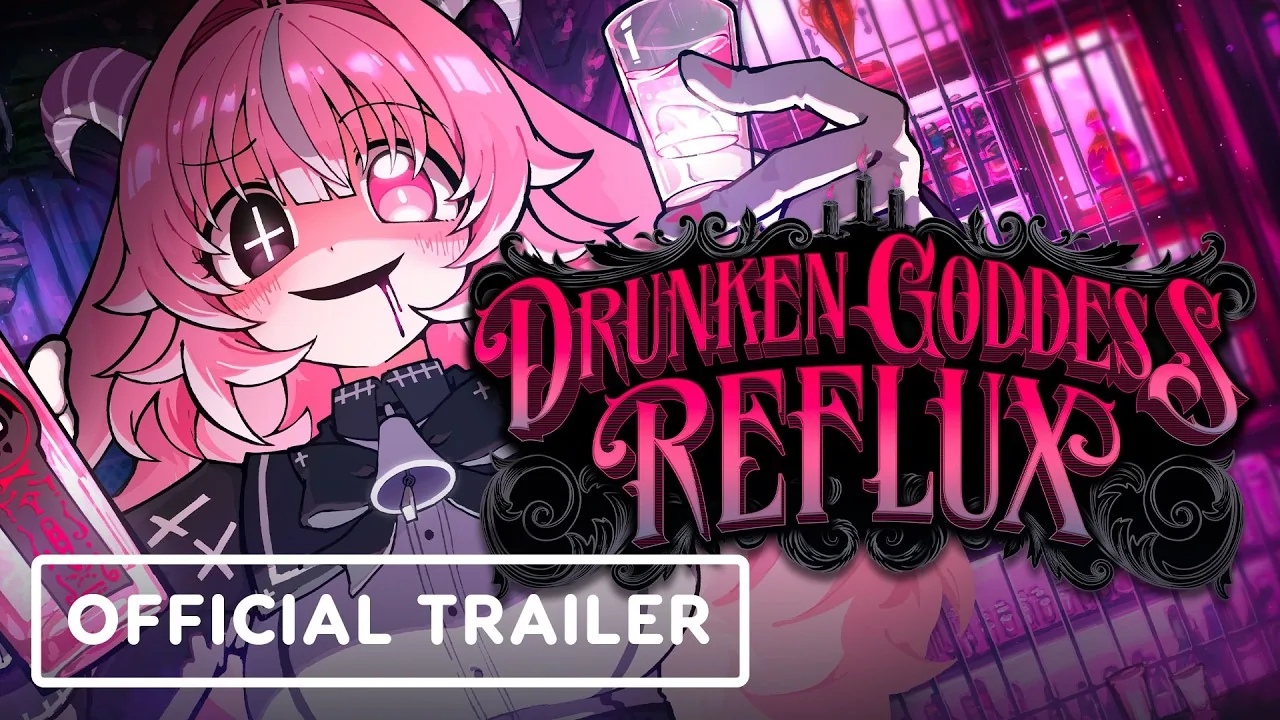
Publisher Alliance Arts Inc. responded to these piracy fears by canceling its planned public demo for Drunken Goddess Reflux, a drinking survival game with Russian roulette rules. Alliance Arts had planned to feature Drunken Goddess Reflux after showing it in The Triple-I Initiative showcase [1].
In a public statement, Alliance Arts said the team worried that bad actors would harvest the build to make rapid knockoffs [1]. Alliance Arts said: “We are concerned that, based on the content of the demo, works imitating or replicating this game’s presentation and gameplay could be quickly produced using AI or other tools and released ahead of the game’s launch.” To avoid that outcome, the team decided to run closed play sessions where participants must agree to set participation rules before playing [2].
The Drunken Goddess Reflux demo cancellation shows that putting code into the wild now feels like handing blueprints to rivals [1]. When small teams lose control over their concepts, closing off public access becomes the only practical way to survive [2].
Code Theft Accusations and Storefront Friction
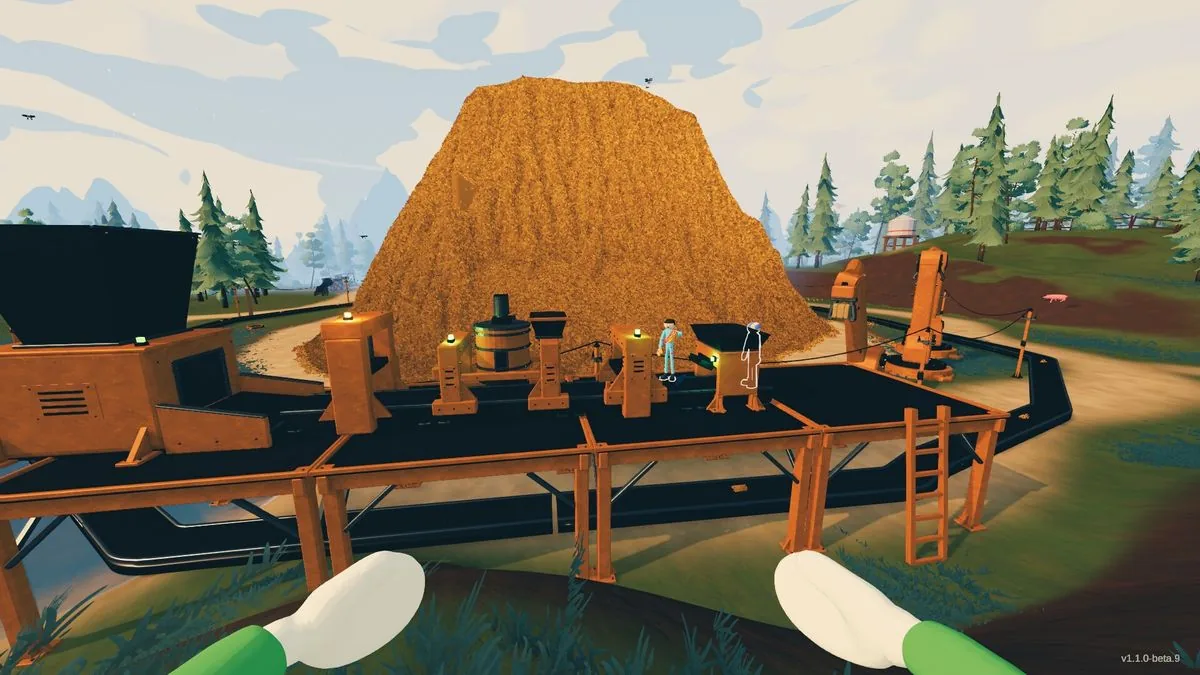
Developer NoGlyph found that cloning disputes had moved into direct code theft after discovering that rival studio Little Field Studios copied internal programming wholesale. The competing title, A Game About Needle In A Haystack, landed on Steam on October 16. NoGlyph wrote: “Yesterday, on October 16 a game called A Game About Needle In A Haystack by Little Field Studios came out on Steam. It contains code copied from our game. To be clear, this is about our actual code, not a similar idea or similar mechanics.” [2]
Looking through the rival files, NoGlyph discovered 13 classes with exact matching names, and more than half of the internal functions matched word for word. The offending build even kept error messages from the original project, including a line pointing to a custom shader that wasn’t included in the clone. “Some of our own error messages are still in there word for word, including one that points to a shader from our project that doesn’t exist in their game,” NoGlyph said. NoGlyph filed a copyright complaint with Valve, but getting unauthorized games taken down takes time, leaving the copy live while the festival attracts thousands of buyers [2].
Valve’s discovery algorithms struggle to handle this volume of near-identical submissions [1]. If bad actors siphon away reviews and wishlists before moderators step in, the damage to original teams can’t be undone [2]. The sheer volume of festival entries makes human curation almost impossible [1].
Exploring Steam Next Fest Standout Demos
Genuine indie projects still managed to draw strong player interest in the festival catalog despite concerns about low-quality clones. DualShockers drew attention to Prison of Husks from Glass Head Dolls, a doll-themed Soulslike planned for January 2027 that abandons leveling mechanics to focus on dodge and parry skill [3]. Polygon recommended Thunder Lotus’s upcoming action drama At Fate’s End, where two sisters resolve family conflicts through theatrical combat. Strange Scaffold also shared El Paso, Elsewhere 2 featuring hero James Savage, expanding its Max Payne inspirations into a 2027 sequel [4].
Other teams used the event to show off distinct concepts. Serious Sim released Clean Start, where immigrant Lena cleans homes in November 2026, while Glee-Cheese Studio shared rhythm game Mr. Records [3]. Fans also tested GameCube brawler Godzilla: Destroy All Monsters Melee Remastered with online play [4].
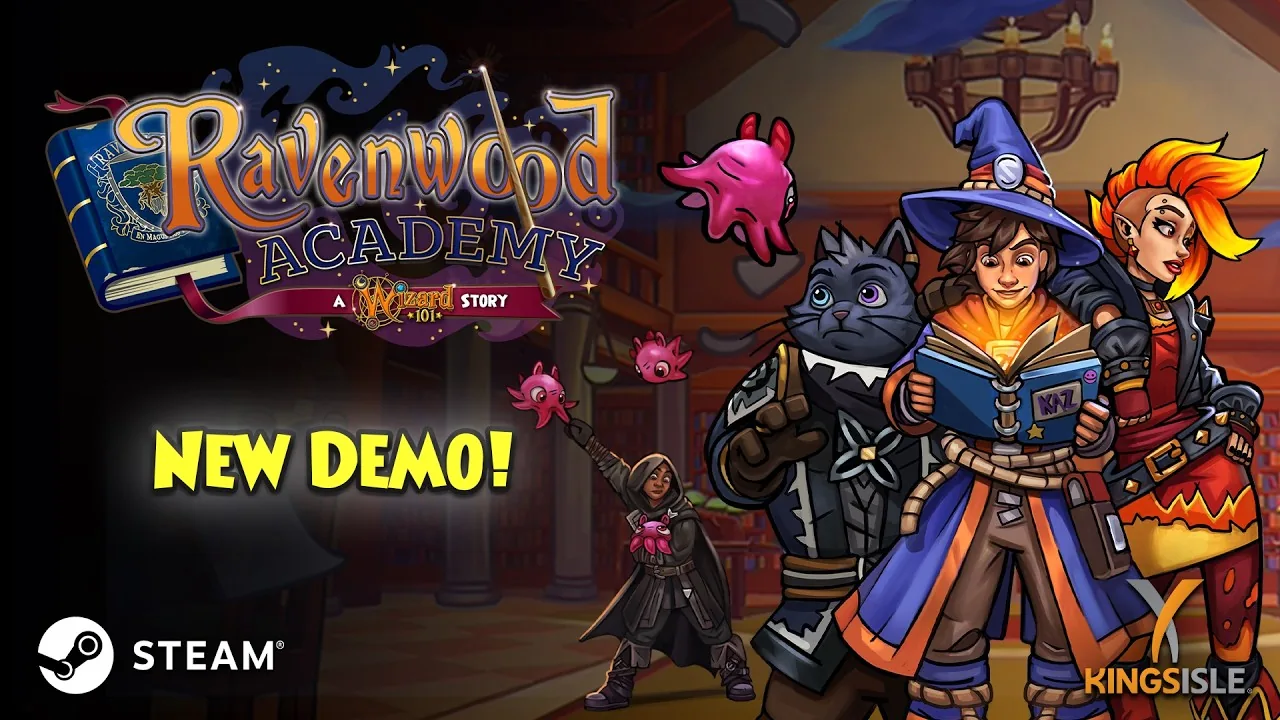
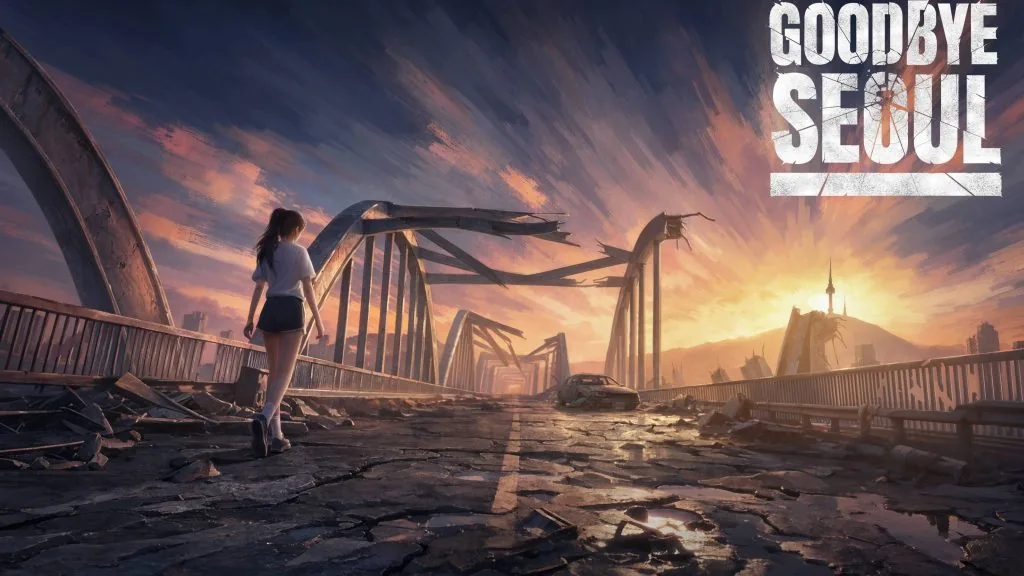
Story-driven releases also brought fresh updates to the festival. Hilltop Studios offered Curse of Resthaven, a six-day time loop mystery whose demo progress carries into its October 29 launch [4]. KingsIsle Entertainment published a demo for Ravenwood Academy: A Wizard101 Story, letting players arrive from Dragonspyre to investigate campus mysteries with professors Dalia Falmea and Halston Balestrom [6]. Meanwhile, NEOWIZ and JINO Games updated Goodbye Seoul, a puzzle adventure where protagonist Rion searches for an evacuation project before an asteroid strikes Earth. JINO Games CEO Kim Jin-ho said: “Through the previous beta test, we learned from players’ initial impressions and found places to improve.” [5]
- ONLINE NEWS Makar, C. (2026, October 19). Steam Next Fest 2026 has more than double the number of demos than it did last year, as generative ‘AI slop’, plagiarism, and discoverability fears rise. Eurogamer. [Article Link]
- ONLINE NEWS Prescott, S. (2026, October 19). Steam Week in Review: Steam Next Fest has over 8,000 demos, as worthless vibe coded slop levels up. PC Gamer. [Article Link]
- ONLINE NEWS Trock, D. (2026, October 19). 10 Coolest Demos from Steam Next Fest October 2026. DualShockers. [Article Link]
- ONLINE NEWS Colantonio, G. (2026, October 19). The 10 Best Steam Next Fest Demos to Play Right Now. Polygon. [Article Link]
- ONLINE NEWS Joshua, O. (2026, October 19). Goodbye Seoul Gets Updated Steam Next Fest Demo With New Areas, Puzzles, And Visual Improvements. Noisy Pixel. [Article Link]
- ONLINE NEWS Smith, S. (2026, October 19). Investigate Wizard101’s past in Ravenwood Academy’s new Steam Next Fest demo. GamesBeat. [Article Link]


