





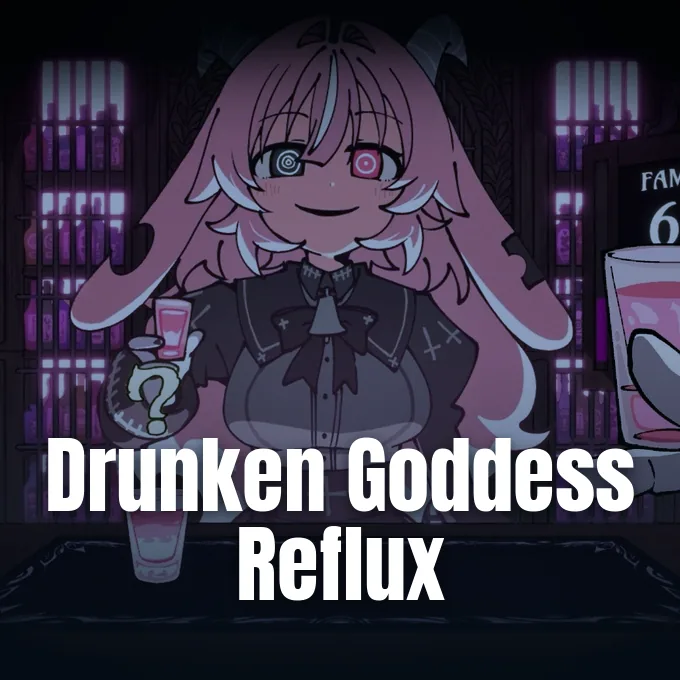
Alliance Arts canceled the planned Steam demo for its upcoming drinking horror game, Drunken Goddess Reflux, just days before its scheduled October 19 debut, after concluding that an open download would expose the game to immediate cloning by generative software tools. Alliance Arts announced that the public build would no longer appear on Valve’s storefront, choosing to host private preview sessions for a small group of invited testers instead. Alliance Arts said the abrupt cancellation stems from worries that outside developers might use automated coding tools to clone the game before its full market debut. While the team had hoped to let the public test the game under streaming limits, it decided its staff can’t police video broadcasts or stop bad actors from copying gameplay code [1].
Scrapping the October Steam Test
Alliance Arts revealed the cancellation in a statement posted on X, which was spotted by Rock, Paper, Shotgun, explaining that the October 19 release would not proceed as planned. Alliance Arts had prepared a playable slice for Steam users, but concluded that an open download exposed the unfinished game to copycats. In its public notice, Alliance Arts apologized to prospective players who were eager to test the build: “We sincerely apologize for the short notice to everyone who was looking forward to it.” Instead of dropping testing entirely, it shifted to private preview sessions with selected participants who agree to firm confidentiality terms [2].
Safeguarding an unreleased indie game while running a public test proved impossible for a small team. As Joe Pring reported for Dexerto, Alliance Arts had originally hoped to publish the demo on Monday, October 19, while placing limits on video sharing and streaming. However, keeping watch over video platforms to stop unauthorized footage exceeded what Alliance Arts could manage with its existing headcount. “We had planned to release the demo publicly with some restrictions on posting and streaming gameplay videos. However, we concluded that we can’t properly manage those restrictions with our current team,” Alliance Arts said [1].
Drunken Goddess Reflux doesn’t have an official launch date on Steam yet. That makes the timing of this cancellation particularly sensitive for the team. Public demos build wishlists. Raw files invite theft. By pulling the download from Valve’s store, Alliance Arts sacrificed short-term visibility to keep its game loop safe from automated replication [1].

Private Discord Play Sessions
To balance security with player feedback, Alliance Arts organized closed online play sessions instead of distributing an open build to the public. As Dexerto reported, Alliance Arts opened tester signups through its official Discord server, where applicants must submit forms and agree to participation terms before receiving access. Testers must accept rules prohibiting them from streaming footage or sharing clips online, giving it a quiet setting to study bugs and collect gameplay impressions. Discord also serves as the community hub where the developers can talk with players about game feel and balance. This arrangement lets the team verify bug logs without fighting spam or sorting through leaks from stolen files. Participants get an early look at the demon duel, but they must treat the build as confidential software until launch [1].
This private structure shields audio and art assets from automated scrapers while still testing server connections. Closed sessions let the team vet applicants individually. That lowers the likelihood that opportunists grab files to feed game mechanics into generative code assistants. For Alliance Arts, keeping testing inside a vetted circle provides valuable play data safely [1].
While closed alpha tests are common for big multiplayer titles, seeing a single-player indie title retreat behind locked doors reflects growing wariness among small creators. Managing feedback from an open release often overwhelms small production groups. Alliance Arts hopes this controlled setup supplies enough testing data to polish the game while preventing copycats from ripping its code [1].
Surviving Drunken Goddess Reflux Drinking Matches
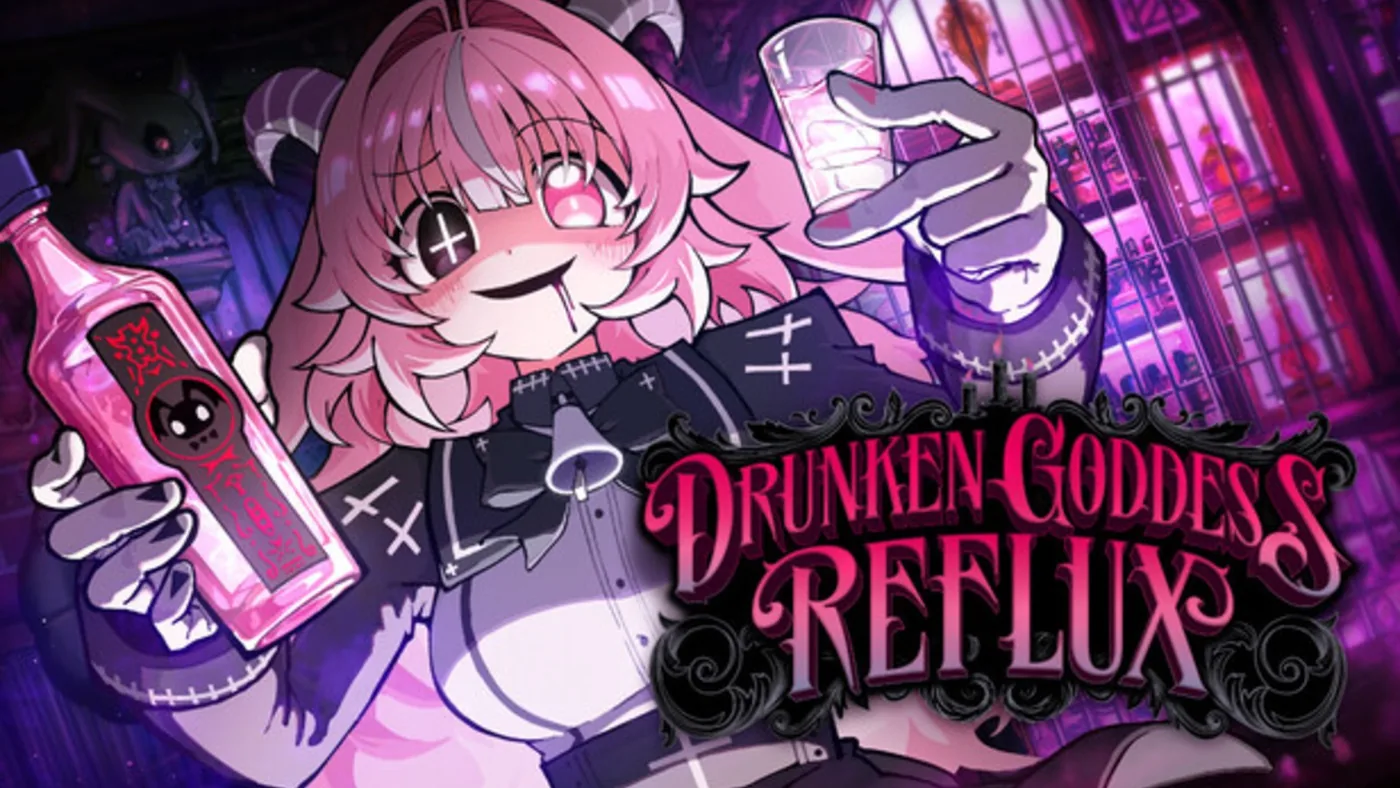
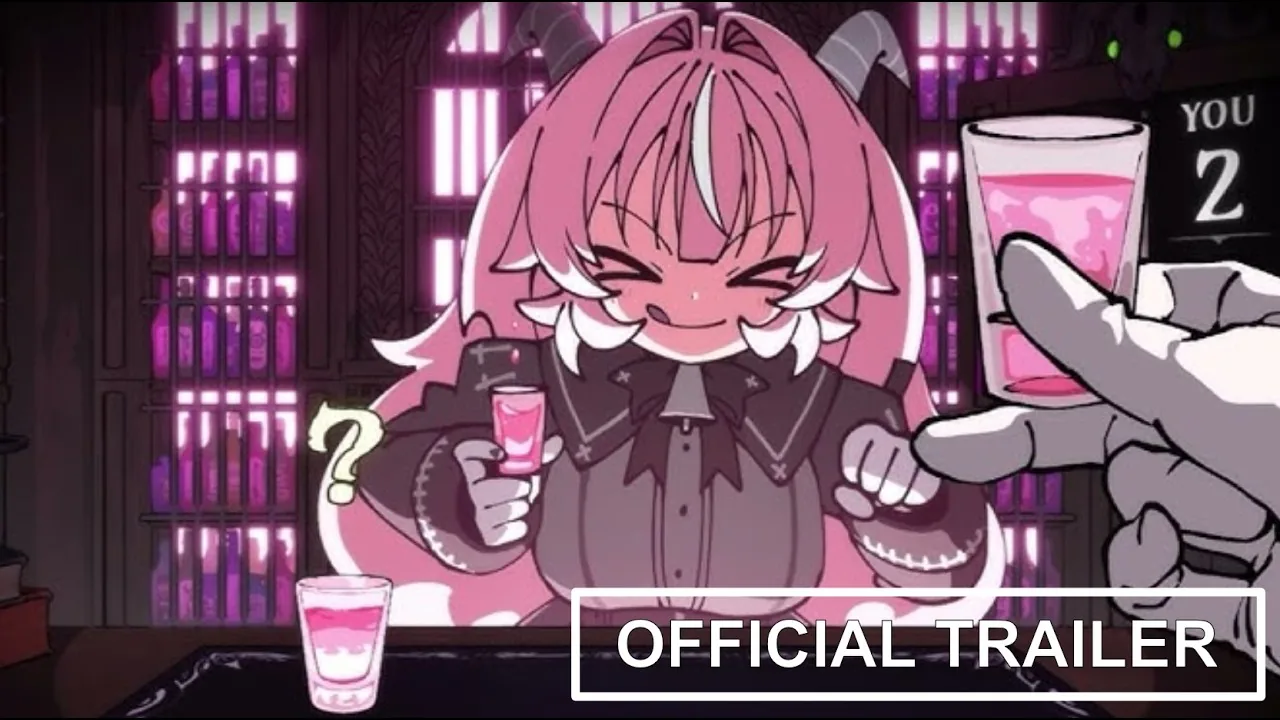
Beneath its unusual release hurdles, Drunken Goddess Reflux blends psychological horror with an offbeat drinking survival loop that pits players against a dangerous anime demon girl. The game structures each encounter as a twisted game of Russian roulette played with shot glasses, where players square off against a demon who claims to love them while also trying to murder them. The central goal of the match is to outdrink this companion, plying her with enough liquor until she gets so drunk that she vomits up her soul [2].
Alcohol serves as both a health meter and a surreal gameplay modifier, distorting each match as intoxication levels climb. The rules of the contest grow weirder and wilder the more alcohol players consume, introducing strange visual shifts and erratic conditions into every round. Players must constantly weigh the risk of downing another drink against the need to trigger special effects or push the demon toward defeat. It’s a tense balancing act where clear judgment slips away as drinks pile up, turning basic drinking rounds into an unpredictable survival contest. The screen warps, dialogue turns erratic, and standard odds break down as the night drags on. Surviving the duel isn’t simple when every shot shifts the rules against you [2].
This blend of dark comedy, anime art, and turn-based drinking gives the game a distinct voice in the Steam horror catalog. Because the core loop revolves around compact rules, the concept could be captured quickly if exposed in a public demo. Alliance Arts created an unusual premise. Preserving its value means keeping the build private until launch day [2].
Why Drunken Goddess Reflux Faces Cloning Threats
Alliance Arts pointed squarely to automated generative software when explaining its decision, warning that outside actors could replicate the game before its launch day arrives. In its official statement on social media, the developer outlined its main concern: “We’re concerned that the demo’s content could be used to quickly imitate or replicate the game’s presentation and gameplay with AI or other tools, and that such works could be released before our launch.” Alliance Arts realized that bad actors armed with code generators could pull asset files, mirror the demon’s dialogue logic, and push a copycat to digital storefronts within days [1].
This anxiety reflects a growing shift across independent game creation, where AI vibe coders use natural language prompts to generate playable game logic from recorded video clips in just hours. Vibe coding allows users without coding training to describe game loops to an AI model, which outputs working software that mimics the timing and visual flow of an existing title. When an indie studio spends years refining character art and tuning bar mechanics, seeing that concept replicated over a weekend creates serious commercial frustration. As covered in our report on Xbox, Activision, and Bethesda addressing viral AI software, platform operators face tough challenges as automated tools flood digital storefronts with cloned titles. If an automated clone appears first, it claims the novelty and diverts buyers who mistake the imitation for the original release [2].
Storefront Defenses Against Rapid Clones
Rick Lane of PC Gamer noted that the fears raised by Alliance Arts stem from real examples that shook the indie scene earlier this year. In March, an independent game developer shared an online prototype of her project to gather early community feedback, only to discover that copycats had used automated coding tools to clone the entire game and list it publicly within five hours. The incident showed small studios how vulnerable early concepts become once footage and playable code enter public channels. When replication takes hours instead of months, standard store takedown notices arrive too late to stop copycats from siphoning off traffic [2].
Sos Sosowski, the independent developer behind McPixel, shared several documented cases on Bluesky illustrating how automated cloners systematically target indie games, ripping core loops and publishing duplicate versions on Valve’s Steam storefront before the original games launch. Sosowski documented instances where small creators found duplicate versions of their games published on Valve’s storefront before the genuine articles even finished development. AI tools now bring that copycat cycle to desktop PC gaming with disturbing speed [2].
This trend traps indie studios in a dilemma because sharing work early is usually the best way to earn Steam wishlists in a crowded store. Yet if releasing a public demo invites fast duplication, teams will feel forced to hide their projects behind closed Discord tests. Much like the industry shifts seen in Krafton halting PUBG: Black Budget, market hazards continue to reshape developer roadmaps. Unless Valve and other store operators take a firmer stance against copycats, more creators won’t risk releasing public demos before launch [2].
- ONLINE NEWS Pring, J. (2026, October 17). Developer cancels demo over fears people could use AI to copy game before launch. Dexerto. [Article Link]
- ONLINE NEWS Lane, R. (2026, October 17). Developer cancels public demo of its upcoming horror drinking game, fearing it will be instantly cloned by AI vibe coders: ‘We sincerely apologise for the short notice’. PC Gamer. [Article Link]


