



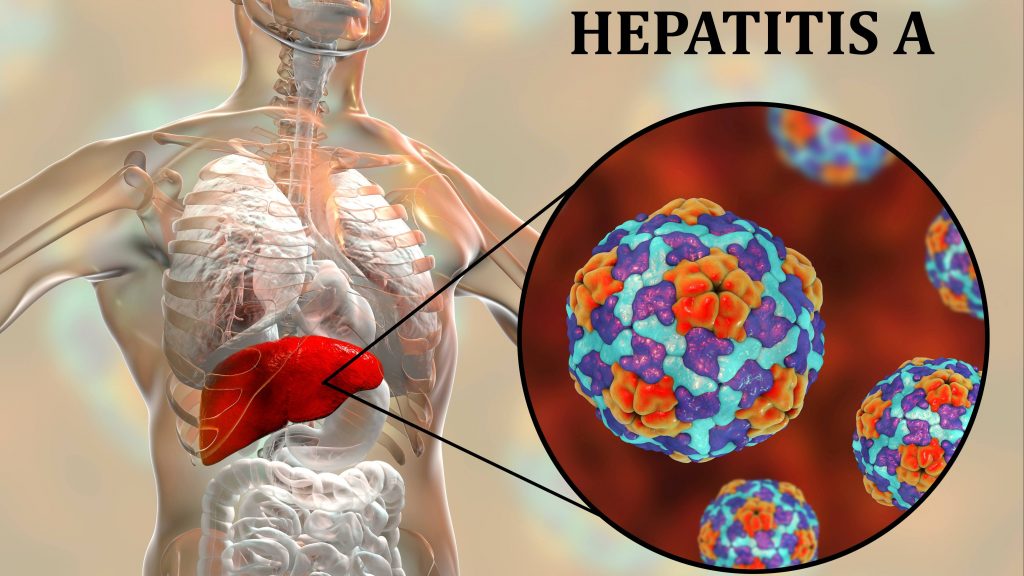
Hepatitis A is a viral liver infection. It causes inflammation and affects your liver’s ability to function. The infection is highly contagious and spreads primarily through contaminated food and water. It’s important to understand what is hepatitis a and to know how to protect yourself. Fortunately, the hepatitis A vaccine is available to prevent it. A person with hepatitis a may experience various signs and symptoms of hepatitis a b and c, but a doctor can confirm the diagnosis with a blood test. Taking preventative measures and getting vaccinated can offer significant protection against this illness.
What is hepatitis a: Symptoms and transmission
What is hepatitis a is a question many people have when they hear about the virus. Hepatitis A is an acute liver disease. It doesn’t lead to chronic liver disease, unlike certain other types of viral hepatitis. The virus, known as the hepatitis A virus (HAV), is the cause of this condition. It’s not a lifelong infection, and most people recover fully within a few weeks or months. Once you have had a hepatitis a infection, you develop immunity to it for the rest of your life. The immune system creates antibodies that protect against future infections.
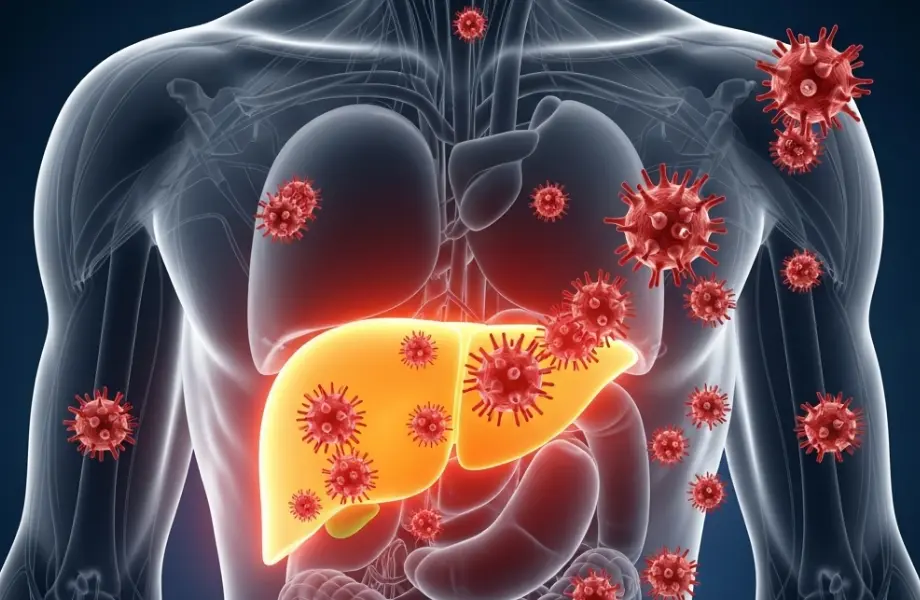
The virus spreads through the fecal-oral route. This means it is transmitted when a person ingests microscopic amounts of fecal matter from an infected person. This can happen in several ways. For example, a person can get what is hepatitis a by consuming food or water contaminated with the virus. This is a common way the virus spreads, especially in areas with poor sanitation. A hepatitis a can also be transmitted through close contact with an infected person. This might happen in households or during sexual contact. People who handle food and don’t wash their hands properly can unknowingly transmit the virus to others.
The signs and symptoms of a hepatitis a infection can vary. Some people, particularly young children, may not display any symptoms at all. Others may experience mild to severe symptoms. These symptoms typically emerge about 2 to 4 weeks after initial exposure. We will examine these symptoms in greater detail later. It is essential to remember that even if you have no symptoms, you can still transmit the virus to others. This is a key reason why good hygiene is so critical. The period during which a person is contagious can last for a few weeks before and after the onset of symptoms.
Is there a vaccine for hepatitis a? All you need to know
Is there a vaccine for hepatitis a? The short answer is yes. The hepatitis a vaccine is a safe and effective way to prevent this liver infection. It is suitable for a wide range of individuals. The vaccine is typically given in two doses. The first dose provides protection within a few weeks. The second dose, administered at least six months after the first, provides long-term immunity. The hepatitis a vaccine is a non-live vaccine. It contains an inactive form of the virus. This means it cannot cause the disease itself. Instead, it teaches your immune system to recognize and fight off the virus.
Routine vaccination for all children starting at age 1 is widely recommended. It is also recommended for travelers to countries where an a hepatitis a infection is common. Other groups who should get the vaccine include people with chronic liver disease, men who have sex with men, and people who use injectable or non-injectable illicit drugs. The hepatitis a vaccine is also recommended for people with clotting-factor disorders. The vaccine is a crucial tool in public health efforts to control the spread of this virus.
In addition to the hepatitis a vaccine, there are other preventative measures. Good hygiene is paramount. This includes frequent and thorough handwashing with soap and water, especially after using the restroom and before preparing or eating food. In areas with questionable water quality, drinking bottled water and avoiding ice can help prevent what is hepatitis a. Washing fruits and vegetables thoroughly can also reduce the risk of infection. These simple actions can significantly lower your risk of contracting the virus.
Signs and symptoms of hepatitis A, B, and C: A comprehensive look
The signs and symptoms of hepatitis a b and c can sometimes be similar. However, there are important differences. Let’s focus on the symptoms of what is hepatitis a. These can include fatigue, nausea, vomiting, abdominal pain or discomfort, especially on the upper right side near your liver, clay-colored bowel movements, and dark-colored urine. Jaundice, a yellowing of the skin and whites of the eyes, is another common symptom. Not everyone with a hepatitis a infection will show all of these signs.
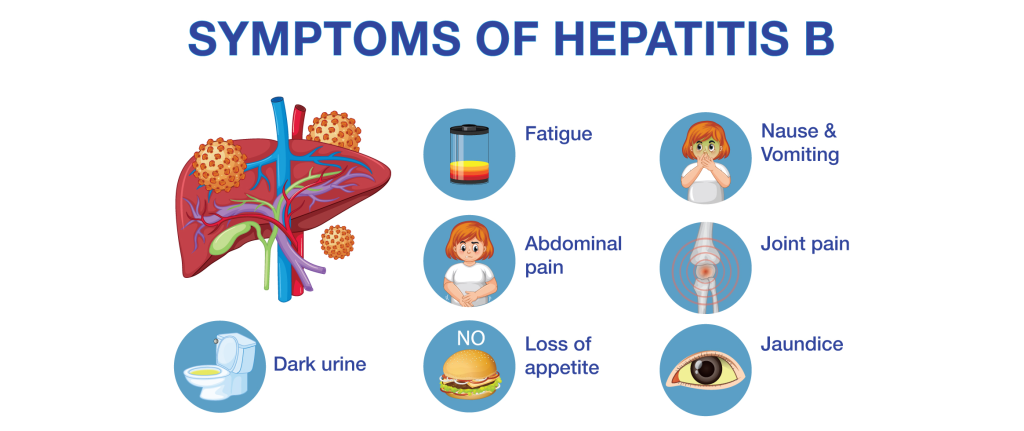
It is important to differentiate these symptoms from those of hepatitis B and C. Hepatitis A, unlike hepatitis B and C, does not lead to chronic liver disease. Symptoms for all three types can include fatigue and jaundice. However, the transmission routes and long-term outcomes differ greatly. Signs and symptoms of hepatitis a, b, and c are caused by different viruses, with hepatitis B and C typically spreading through blood or other bodily fluids. This is unlike Hepatitis A, which primarily spreads through contaminated food and water.
If you suspect you have a hepatitis a infection, you should see a doctor. A simple blood test can confirm the diagnosis. There is no specific treatment for what is hepatitis a. Doctors usually recommend rest, proper nutrition, and avoiding alcohol. The body’s immune system typically clears the virus on its own. While you wait for recovery, managing your hepatitis a symptoms is the main goal. This might involve over-the-counter medications to help with pain or nausea. The best way to deal with the illness is to prevent it in the first place, and the hepatitis a vaccine is the best defense.
- WEBSİTE NIH Authors. (2024, December). Hepatitis A. National Institute of Diabetes and Digestive and Kidney Diseases. [Article Link]
- WEBSİTE WHO Authors. (2025, February 12). Hepatitis A. World Health Organization: WHO. [Article Link]
- WEBSİTE Mayo Clinic Staff. (2024, July 2). Hepatitis A – Symptoms and causes. Mayo Clinic. [Article Link]
- JOURNAL Nelson, N. P., Weng, M. K., Hofmeister, M. G., Moore, K. L., Doshani, M., Kamili, S., Koneru, A., Haber, P., Hagan, L., Romero, J. R., Schillie, S., & Harris, A. M. (2020). Prevention of hepatitis A virus infection in the United States: Recommendations of the Advisory Committee on Immunization Practices, 2020. MMWR Recommendations and Reports, 69(5), 1–38. [Article Link]
APA 7: TWs Editor. (2025, August 11). What is Hepatitis A and How to Protect Yourself? PerEXP Teamworks. [Article Link]


