




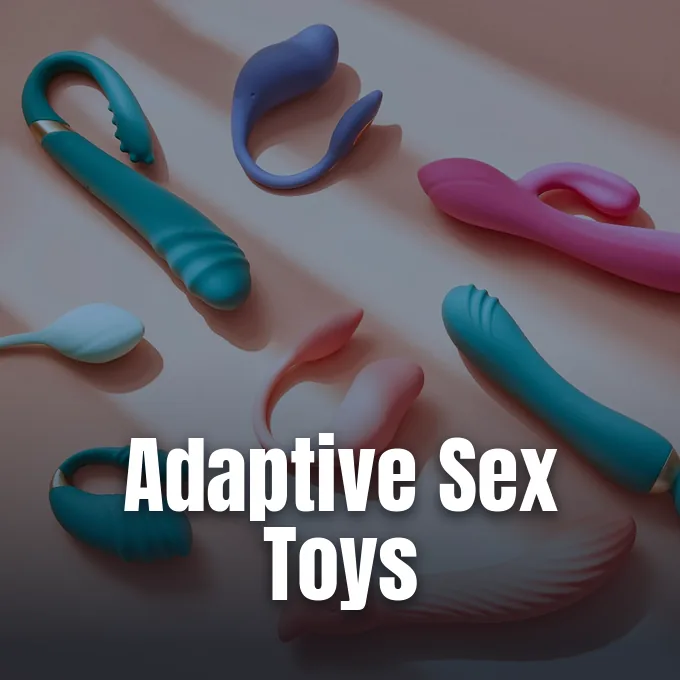
Conversations about personal wellness after illness, injury, or bodily change often stall on comparisons to past routines. When ongoing fatigue, stiff joints, or limited hand movement make familiar sexual habits difficult to sustain over time, many people choose to withdraw from intimate partnerships entirely. Clinicians now treat adaptive sex toys as ordinary tools for daily independence. These devices supply steady tactile input, reduce muscular fatigue, and help adults adapt to evolving body needs [2].
Rethinking Adaptive Sex Toys as Assistive Tools
For decades, mainstream culture associated adult novelty items with erotic films like Secretary and Fifty Shades of Grey. Now, Netflix series such as How to Build a Sex Room and popular products like the viral rose toy normalize these devices as functional lifestyle aids [2]. In an un-peer-reviewed preprint, McMaster University doctoral researcher Maha Khawaja examined how rigid social habits restrict sexual recovery for adult patients living with long-term illness. Khawaja receives research funding from the Social Sciences and Humanities Research Council through a Canadian Graduate Research Scholarship (CGRS-D) [1]. She studied conventional sexual scripts that treat penile-vaginal intercourse as real sex while dismissing other touch as secondary warm-ups. When illness limits body stamina, attempting to copy old routines creates frustration, but incorporating adaptive sex toys helps partners discover satisfying intimacy without heavy muscular strain [2].
Global data shows that 1.3 billion people live with disabilities, equating to one in every six people worldwide. S Nicole Lane reported this gap in The Daily Beast [11]. In Australia, where 4.4 million residents live with disability, writer Maggie Zhou reported for Refinery29 Australia that common household goods like electric toothbrushes began as assistive aids before gaining mass popularity. The assistive technology market was valued at $75 billion in 2022 and may reach $135 billion by 2030. In Perth, Robert Duff-Silsby co-founded Luddi to manufacture the Ziggy vibrator with Braille packaging for NDIS participants. “Disabilities vary so much that it’s really impossible to make one product that meets everyone’s need,” Duff-Silsby said, advocating for accessible switches in all consumer goods [6].
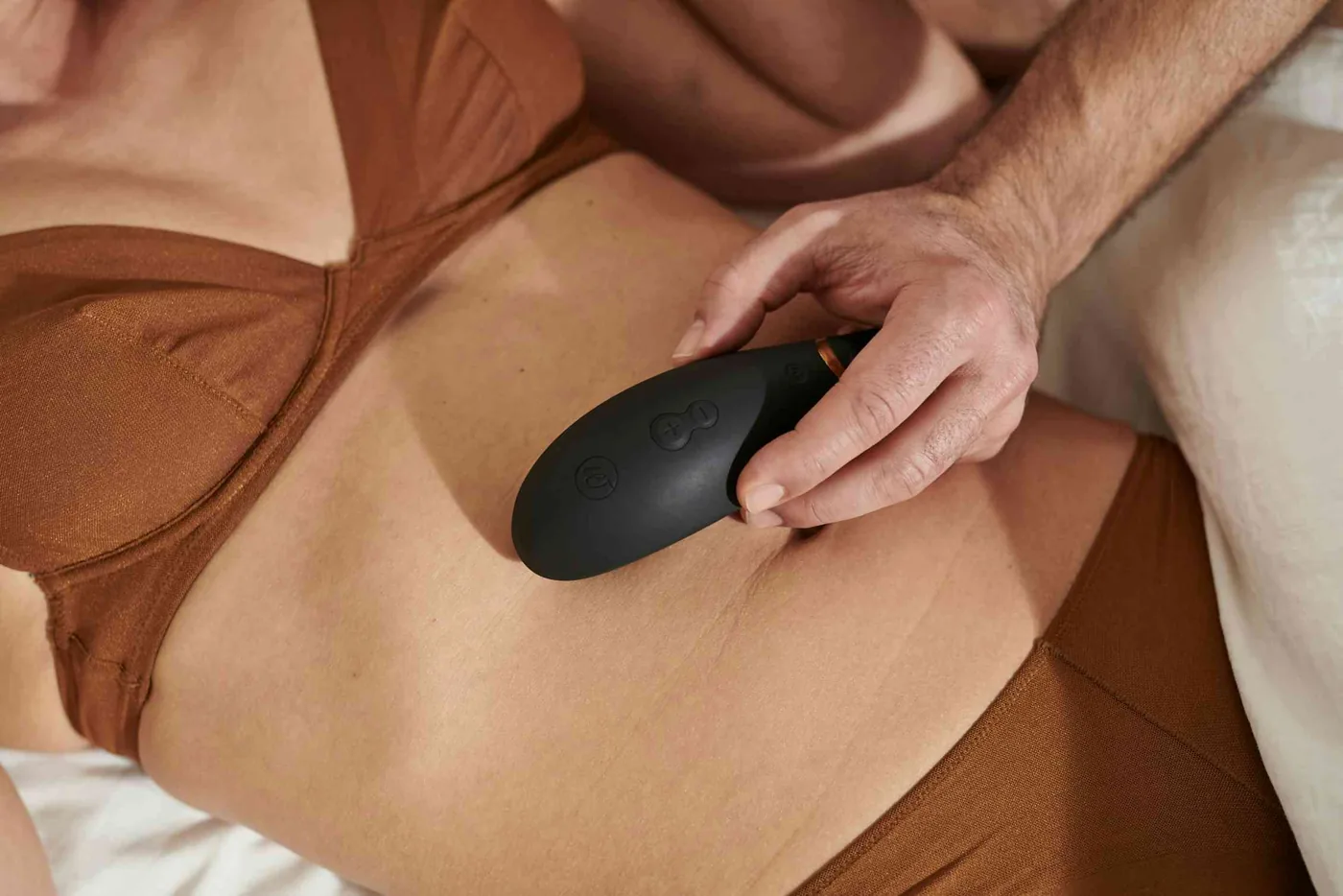
Physical Barriers in Traditional Intimacy
Long-term health issues create bodily obstacles that disrupt ordinary intimate partnerships. Conditions such as multiple sclerosis, rheumatoid arthritis, and spinal injury cause joint swelling and chronic exhaustion that make prolonged movement uncomfortable. How do shifting bodily symptoms alter everyday intimate routines? Muscle spasms weaken natural grip. Researchers investigating behavioral stress responses across species note that chronic pain frequently causes defensive avoidance patterns, leading people to withdraw when touch triggers discomfort instead of relief [2].
Therapists emphasize that intimate touch supports overall adult wellbeing. Dr Sakshi Tickoo, an occupational therapist and author of SexCare, said that self-guided pleasure builds personal autonomy, adding that “a healthy sex life, whether solo or with a partner, is vital for people with disabilities, just as it is for anyone”. Sex therapist Selina Nguyen said standard culture wrongly forces intimacy into rigid performance steps [6]. In clinical care, groups like Intimacy Rehab sort pleasure tools by daily need rather than diagnosis, helping patients recovering from cancer or surgery explore comfort safely [12]. This rehabilitative model normalizes pleasure as healthcare.
Clinical Evidence Supporting Vibratory Devices
In a survey published in The Canadian Journal of Human Sexuality, sociologist Tina Fetner evaluated 1,170 Canadian women and found that 50.6 percent had used a vibrator [3]. Dr Alexandra Dubinskaya and colleagues reported in the International Urogynecology Journal that genital vibration strengthens pelvic floor muscles, boosts local blood flow, and provides sensory relief for women with spinal injuries or multiple sclerosis. High-frequency stimulation helps bypass damaged nerve pathways, enabling reflex orgasms in women with severe sensory loss [2, 4].
Device ergonomics determine whether a person with motor limits can operate tools alone. Small buttons and slick surfaces pose obstacles for people with tremors, prompting manufacturers to produce thick contoured handles, hands-free silicone cups, and air-pulse tools that stimulate tissue without uncomfortable friction. Material safety also matters because cheap novelties may leach toxic plasticizers into mucosal tissue [2]. In a scoping review in Sexual Medicine Reviews, Dr Rachel Howland found that clinicians rarely discuss sexual aids, leaving disabled patients without formal guidance when selecting safe devices [10]. Specialized programs such as sexABILITIES now train therapists to evaluate accessible devices systematically [5].



Positioning Supports for Mobility Limitations
Severe joint stiffness or paralysis often prevents adults from adopting standard intimate postures, making supportive furniture a helpful solution for comfortable partner closeness or solo self-pleasure. Shanya Luther, director of Among Friends, LLC, documented how supportive aids relieve strain during personal activities. The IntimateRider chair uses a low swinging base and supportive straps to let people with spinal cord injuries generate fluid pelvic motion without using their legs. People also employ powered wheelchairs or home Hoyer lifts to stabilize their bodies safely during intimacy [5]. Therapists apply similar ideas when guiding independent mobility, where mechanical aids restore personal control over daily movement.
Simple room modifications also create accessible intimate settings without expensive equipment. Natura Wells reported for Wellnessbeam that accommodating functional diversity requires tailoring tactile tools and supportive cushions to individual motor capacities, pain thresholds, and comfort levels. Dense foam wedges, bolster pillows, and body straps redistribute weight to protect vulnerable hips and spinal discs [2, 9]. Suction mounts anchor strokers to flat walls. These mounts enable hands-free use for adults who cannot grasp tools. Textured feathers, body oils, and warming lotions expand pleasure across non-genital skin zones [2, 9].
Designing Inclusive Sex Toys for Varied Needs
University design teams are creating customized devices for disabled users. At RMIT University, industrial design lecturer Judith Glover leads an applied research initiative developing customized, inclusive sex toys for people with varied physical and motor abilities. Glover said that commercial toy companies have largely ignored older adults and disabled populations. Brendan McDonald reported for URevolution on an Australian partnership between the University of Technology Sydney (UTS) and Northcott Innovation, where executive director Sam Frain said disabled people deserve recognition as adults who date and seek love. Northcott Innovation and UTS focus on co-designing products directly with disabled users [7].
Advanced engineering experiments are exploring neural interfaces for people with complete paralysis. At the University of São Paulo, researchers L. M. Gomes and R. Wu built the neurodildo, a prototype device operated by brain waves and electro-stimulation feedback. The system was engineered for individuals who cannot move limbs or hold objects [7, 8]. Brain signals guide the stimulation directly [8]. Brendan McDonald warned in URevolution that costly robots cannot replace human dating, saying that a young man with cerebral palsy named David prioritized accessible restaurants and dating events over robotic gadgets [7].
Privacy Challenges and Social Stigma in Care
Daily living routines create privacy hurdles. Many disabled adults live with family members or depend on visiting personal care attendants, making it difficult to purchase, charge, or store intimate aids in private spaces [2, 5]. Online communities also present unanticipated privacy hazards for disabled adults. Jonathon Kellaher, an educator with the Intellectual Disability Rights Service (IDRS), said an online group for disabled LGBTQI people had to become secret after public member lists accidentally outed participants. Deakin University and the advocacy organization GALFA initiated research to examine safer digital networking models for disabled communities [7].
Social attitudes often infantilize disabled adults. Social prejudices wrongly assume that people with motor or cognitive impairments do not experience sexual desire, denying their fundamental right to personal bodily pleasure and emotional intimacy [2, 6, 9]. Educational platforms like OMGYes provide practical tutorials that illustrate how tools can be adapted for varied physical needs [2]. Clinicians, families, and caregivers must recognize that self-pleasure forms a valid part of adult health and personal dignity [5, 12]. When rehabilitation programs integrate practical training on adaptive sex toys, adults acquire reliable tools to enjoy intimacy safely, with clear communication and mutual consent supporting bodily agency throughout the entire lifespan [2, 5].
- PREPRINT Khawaja, M. (2026). Sex toys aren’t just for fun. They can be adaptive tools for disabled and chronically ill people. [Article Link]
- ONLINE NEWS Khawaja, M. (2026, October 19). Sex toys aren’t just for fun. They can be adaptive tools for disabled and chronically ill people. The Conversation. [Article Link]
- ACADEMIC JOURNAL Fetner, T. (2025). Canadian women’s vibrator use: Prevalence and characteristics. The Canadian Journal of Human Sexuality, 34(2), 262-269. [Article Link]
- ACADEMIC JOURNAL Dubinskaya, A., Kohli, P., Shoureshi, P., Breese, C., Scott, V., Anger, J. T., & Eilber, K. S. (2024). The Role of Vibrators in Women’s Pelvic Health: An Alluring Tool to Improve Physical, Sexual, and Mental Health. International Urogynecology Journal, 35(5), 1085-1092. [Article Link]
- WEBSITE Luther, S. (2026, September 9). Adaptive Sexual Aids: Supporting Pleasure, Access & Intimacy for People with Disabilities. Among Friends, LLC. [Article Link]
- ONLINE NEWS Zhou, M. (2024, April 23). Disabled People Use Sex Toys, Too, So Why Aren’t They More Accessible? Refinery29 Australia. [Article Link]
- ONLINE NEWS McDonald, B. (2019, April 15). Can sex toys for disabled people make sex accessible for all? URevolution. [Article Link]
- BOOK CHAPTER Gomes, L. M., & Wu, R. (2018). Neurodildo: A Mind-Controlled Sex Toy with E-stim Feedback for People with Disabilities. Lecture Notes in Computer Science, 65-82. [Article Link]
- WEBSITE Wells, N. (2025, December 2). Sex Toys for People with Disabilities: Tools for Sexual Autonomy and Well-Being. Wellnessbeam. [Article Link]
- ACADEMIC JOURNAL Howland, R., Tooke, B., Deery, H., Deery, J., Kreschmer, J., Arthur, M., Wittmann, D., & Streur, C. (2025). Providing culturally sensitive sexual medicine for persons with disabilities: a scoping review. Sexual Medicine Reviews, 13(4), 674-686. [Article Link]
- ONLINE NEWS Lane, S. N. (2023, September 9). How Sex Tech Is Helping Folks With Disabilities Get Off. The Daily Beast. [Article Link]
- WEBSITE Intimacy Rehab. (2026, January 1). Adaptive Intimacy Support for Changing Bodies. Intimacy Rehab. [Article Link]
APA 7: PerEXP Teamworks. (2026, October 20). Researchers Redefine Adaptive Sex Toys as Accessibility Aids. PerEXP Teamworks.


