





Martin Klíma, co-founder of Warhorse Studios and executive producer on Kingdom Come: Deliverance 2, said in an interview with PC Gamer’s Joshua Wolens that he is “bored and tired” of mainstream role-playing games that rely on repetitive power fantasies made “for teenagers.” Klíma explained that major publishers keep recycling the same chosen one setup instead of building fresh systems for an older audience that has outgrown predictable hero stories [3].
Martin Klíma on Why Mainstream RPGs Rely on Chosen Ones
Klíma plays plenty of RPGs. Yet the veteran developer explained that standard fantasy role-playing adventures routinely place the player into the shoes of a destined savior who must defeat a cartoonish villain to rescue the world. While he genuinely enjoys the genre, he dislikes experiences that hand the player a “grand task of saving the universe.” That setup feels stale to anyone who has played dozens of similar campaigns over decades of gaming [1].
His dissatisfaction with familiar game design traces back to an older satire called Progress Quest, a zero-player simulation that poked fun at the endless grinding in EverQuest and similar online worlds. EverQuest was the primary target. Klíma called the parody “a distillation of what the common RPG is,” explaining that it helped him see how many gamers wanted an alternative to repetitive loops. He realized players were ready for something that didn’t treat every quest like a predictable chore [3].
Instead of giving players genuine agency, typical fantasy titles hand out unearned power to keep newcomers engaged without asking them to master difficult mechanics. Klíma said he doesn’t think power fantasies are wrong in principle, but their constant reuse makes large releases feel interchangeable [2].
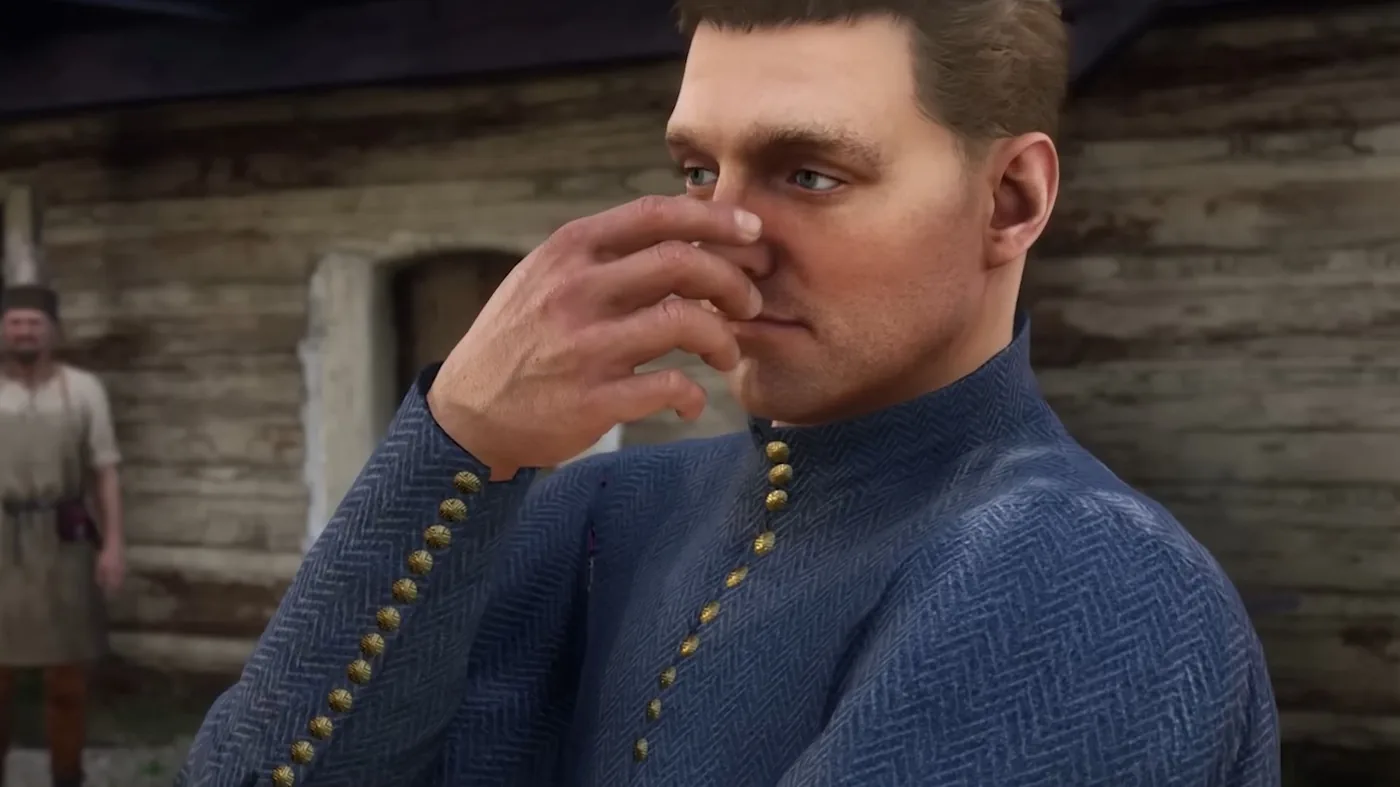
Why Kingdom Come Deliverance 2 Rejects Familiar Power Fantasies
Warhorse Studios chose a different path by setting both Kingdom Come: Deliverance and its sequel in fifteenth-century Bohemia, deliberately replacing familiar high-fantasy tropes with grounded historical conflict that treats combat with uncompromising physical realism. Henry, the son of a village blacksmith, doesn’t start as a fearless warrior who can swing heavy broadswords or cast spells, and he can’t even read a basic village letter without finding a willing tutor to teach him the alphabet. Because the combat system carefully models weapon weight, swing direction, and physical stamina, surviving a skirmish against two armed bandits requires tactical footwork and patient parries rather than mindless button mashing. Henry is no destined savior. By stripping away divine destiny, the studio proved that grounded human struggle offers deep rewards without relying on teenage wish fulfillment [2].
Klíma made sure to note that his critique isn’t a swipe at other upcoming projects like Sandfall’s Clair Obscur: Expedition 33, even though that title also features high-stakes conflict. Sandfall took a different route. “Everybody’s going to think that I am hating on Expedition 33 right now, but that’s definitely not the case,” he said. He likes seeing fresh ideas from creative teams, even when their games draw from classic Japanese role-playing traditions [3].
Well-known releases such as Final Fantasy 7 and Oblivion earned classic status by telling grand stories about cosmic struggles between light and dark [2]. But Klíma believes the gaming landscape has room for experiences that abandon savior narratives. Kingdom Come Deliverance 2 focuses on survival and local politics, showing that ordinary people caught in war can carry an epic story [1].


How Maturing Player Demographics Change RPG Expectations
A major part of Klíma’s argument centers on how much the gaming audience has changed over the past few decades. “The games that were and sort of are being made are still the games for teenagers,” he said during the interview. “If you are 16, 17, you love playing these power fantasy games because it’s something that you need. But the audience is much older today.” Many developers still write dialogue like their players never grew up [3].
Older players who grew up playing computer RPGs in the nineties often seek nuanced stories where decisions carry real weight. When a game forces someone to navigate fragile alliances rather than defeat an evil demon, the choices feel memorable. Players don’t need magic to stay invested when moral friction and messy historical politics build genuine tension on their own [2].
That demographic shift helps explain why routine blockbuster tropes face growing pushback from adult gamers. While younger audiences still enjoy fast progression, older fans want design choices that respect their time and intelligence. Sticking exclusively to teenage wish fulfillment risks leaving mature players dissatisfied, especially when gameplay loops repeat ideas they’ve already seen in dozen other games [1].

Ubisoft Formula and the Innovation Dilemma in Kingdom Come Deliverance 2
When explaining why major publishers hesitate to build new types of games, Klíma pointed directly to Ubisoft as a clear example of corporate risk aversion, noting that major companies excel at recycling formulas that proved profitable years ago. Ubisoft builds polished worlds. He was quick to praise the publisher’s craft, stating that its games feature gorgeous animations, detailed character models, and remarkably few technical bugs. Still, he feels that level of talent is often wasted on familiar formulas that offer little creative surprise [1].
“I played the original Assassin’s Creed, and the original Far Cry, and the original Watch Dogs, and most of these games in the first iterations, and it was fun,” Klíma said. “But once you play the same game for the 10th time, it sort of becomes stale.” Series like Assassin’s Creed eventually adopted open-world role-playing mechanics that resembled The Witcher 3, but they ended up filling maps with repetitive checklist tasks that slowed down story pacing [3].
Checked lists replace curiosity. That contrast helps illustrate what Warhorse Studios aims to achieve with Kingdom Come: Deliverance 2 by ditching automated quest markers in favor of organic discovery. Large publishers keep relying on established formulas because untested mechanics introduce commercial danger, but that caution turns high-budget games into predictable routines. If studios won’t experiment with fresh pacing, the whole role-playing genre risks stagnating under its own weight [2].
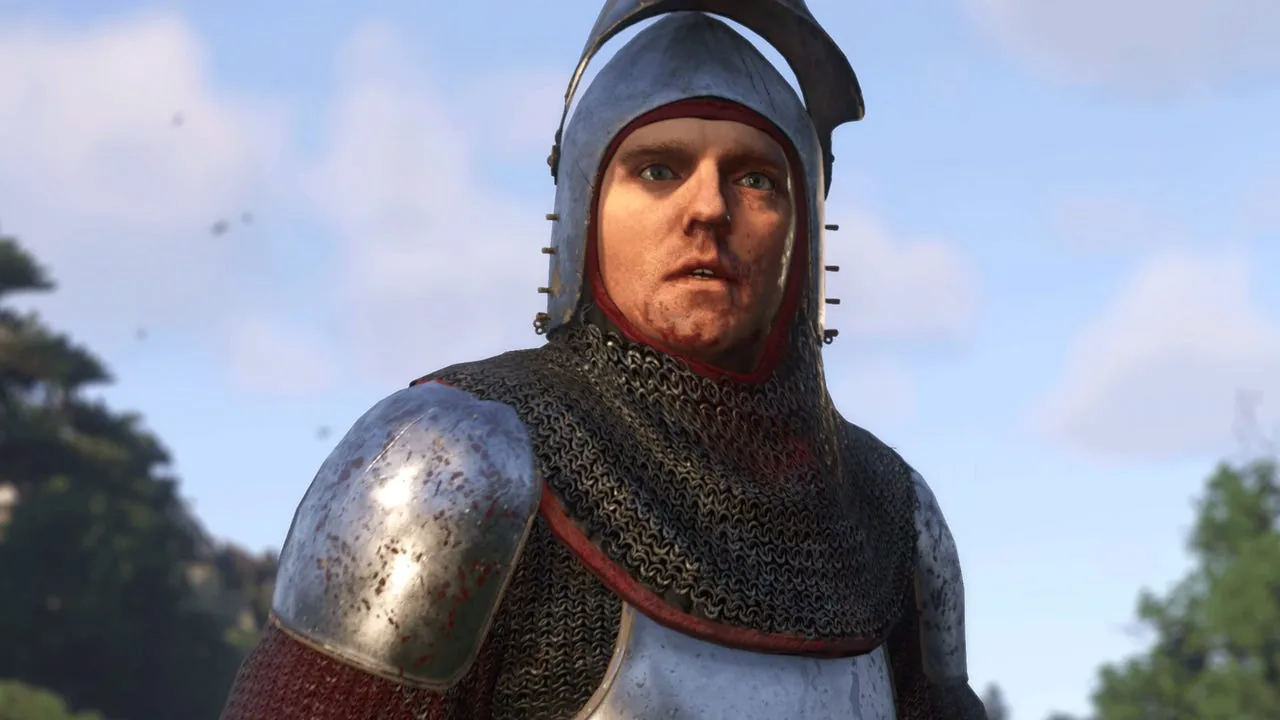
Balancing Big Budget Polish with Genuine Genre Risk
Despite his blunt appraisal of mainstream trends, Klíma acknowledged that big publishers face severe financial dilemmas whenever they depart from proven formulas. Safe sequels protect big budgets. “I appreciate the dilemma that they have, and I don’t have any easy answers for it,” he admitted during the interview. When development budgets reach tens of millions of dollars, backing unconventional gameplay can feel like an existential gamble [3].
Klíma earlier addressed rising production costs when backing an $80 price point for Grand Theft Auto 6 to help sustain growing development scale, arguing that higher retail prices could give ambitious teams the financial safety needed to take genuine creative leaps. Without healthy returns on investment, even established teams can’t easily justify breaking away from formulaic templates [1].
Warhorse Studios demonstrated that taking creative risks can pay off, with IGN awarding a 9/10 review score to Kingdom Come: Deliverance 2 following its debut [1]. Whether rival publishers will follow that lead and move past adolescent power trips remains an open question for the entire role-playing industry [2].
- ONLINE NEWS Cripe, M. (2026, October 5). Kingdom Come: Deliverance’s Martin Klima is “bored and tired” of Ubisoft-style “power fantasy” RPGs that are made “for teenagers”. IGN. [Article Link]
- ONLINE NEWS McGlynn, A. (2026, October 5). Kingdom Come: Deliverance 2 lead is “bored and tired” of “repetitive” RPGs like Assassin’s Creed and “games for teenagers”. GamesRadar+. [Article Link]
- ONLINE NEWS Wagner, J., & Wolens, J. (2026, October 4). Kingdom Come: Deliverance studio co-founder says a lot of RPGs are ‘still games for teenagers,’ and that he’s ‘tired of all the RPGs where you are this chosen one’. PC Gamer. [Article Link]


