




Sony is exploring plans to bring back dormant classic video game franchises, starting with a new Ape Escape revival reportedly in development at independent studio Evening Star. Word of the project surfaced on The Jeff Gerstmann Show podcast, with reporting from VGC backing up claims that the team behind Sonic Mania is handling the return. The production hasn’t received an official announcement yet, but early reports indicate work got underway earlier this year. Sony offered no public timetable. [1, 2]
Evening Star Helms the Ape Escape Revival
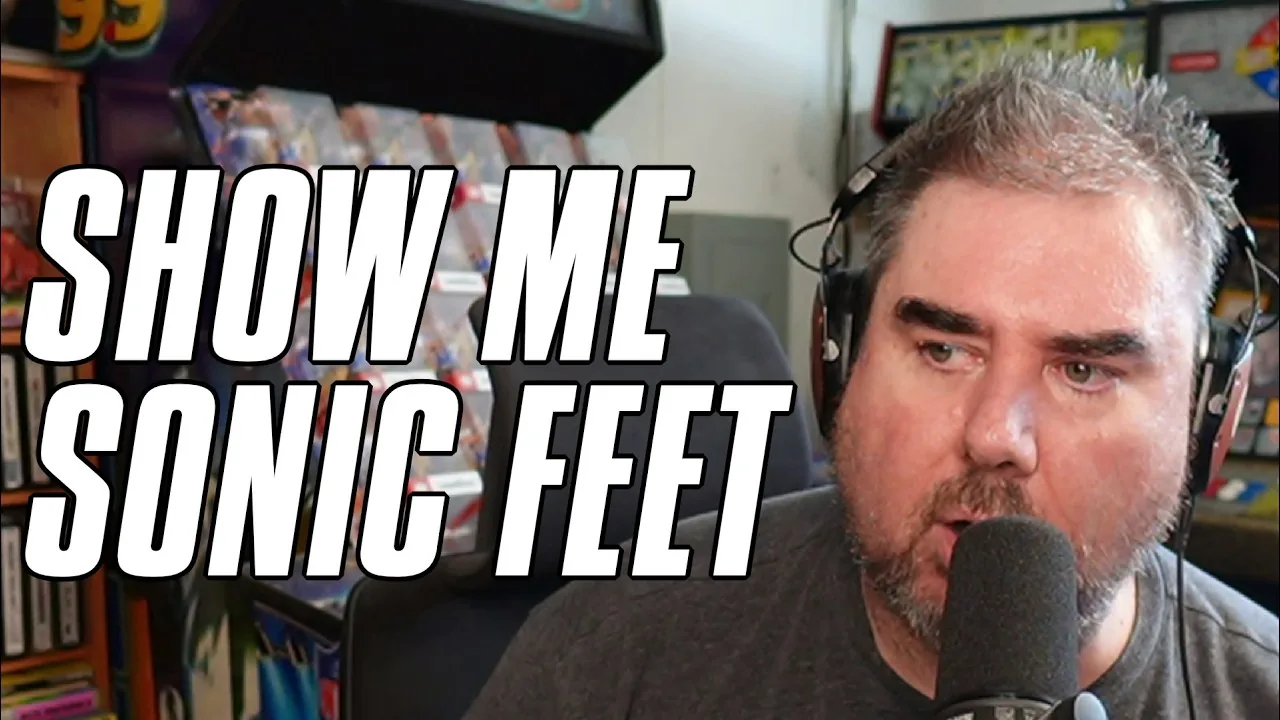
Evening Star formed as an independent studio after members of its core crew built Sonic Mania, later releasing their own colorful 3D platformer Penny’s Big Breakaway. Industry veteran Jeff Gerstmann shared details about the collaboration during his podcast, explaining that outside teams are stepping in to revive older PlayStation properties rather than Sony relying solely on in-house groups like Team Asobi. When rumors first began circulating, players assumed the studio behind Astro Bot would lead any monkey-catching comeback. Gerstmann clarified that an outside studio had taken the assignment instead. [1]
Gerstmann addressed listener speculation directly on his broadcast, explaining that while many fans assumed Team Asobi would lead the project, Sony selected an outside partner. “Evening Star,” Gerstmann said about the developer. “I heard that they were working on it.” VGC soon corroborated those claims through separate industry sources. [1, 2]
The team’s background in kinetic movement and platforming design makes it a sensible fit for the series. Penny’s Big Breakaway proved the team could build inventive stages with distinct momentum mechanics, while Sonic Mania established its skill with classic franchise revivals. Sony hasn’t published a brand-new adventure in the main series since Ape Escape 3 arrived on the PlayStation 2 in 2005. That long absence created steady interest whenever older catalogs were discussed. [1, 3]
Reports Trace New Ape Escape to Early Pitches
Reports indicate that the Ape Escape revival remains in an early stage of development rather than nearing release. During his podcast, Gerstmann made it clear that players shouldn’t expect a launch anytime soon. “I don’t think this game is close to being out or anything like that, but I guess it’s been almost a year since we started talking about Ape Escape,” he said. He added that when he first learned of the pitch about eight months prior, the work had just barely received approval from PlayStation leadership. [1, 3]
Gerstmann also revealed that he had been asking industry figures about the production during the DICE summit in February. “At the time that I initially heard it, it sounded like it was a game that had been like just barely greenlit and like wasn’t really, you know, like that it was kind of just getting underway,” Gerstmann remarked while recounting conversations from the convention. “And I heard that, well, gosh… I mean, I was asking people questions at DICE this year about this Ape Escape game. So that was February. So there ya go.” The timeline suggests the project spent months circulating among developers before outside outlets began reporting on its existence. With pre-production taking time, the new Ape Escape won’t arrive on store shelves overnight. [3]
Rumors reported by PlayStation Universe indicate that Sony could be timing its earliest wave of legacy franchise revivals to coincide with the launch of the PlayStation 6. Kotaku noted similar speculation, pointing out that an inventive revival could showcase future hardware features. No platforms have been officially locked in. [3, 2]


Sony Explores Outside Studios for Dormant Franchises
The planned Ape Escape revival is not an isolated pitch inside Sony, as executives look across their portfolio for recognizable properties that could benefit from fresh creative voices. According to reporting from VGC, PlayStation is currently evaluating its older catalog and inviting pitches from independent third-party studios eager to bring forgotten properties back to life. Push Square reported that the company has been listening to pitches for fan-favorite franchises that haven’t seen new releases in years. Handing classic properties to independent specialists gives Sony a practical way to expand its catalog without pulling internal teams away from larger first-party productions. [1, 4]
This approach mirrors the strategy Sony adopted for Everybody’s Golf: Hot Shots in 2025, which the company licensed to Bandai Namco rather than producing internally. Eurogamer noted that this blueprint lets established publishers and indie developers refresh beloved series under official licensing agreements. Rumors have also connected Polish developer People Can Fly, known for Outriders and Gears of War: Judgement, to a potential revival of the Killzone franchise. If those discussions move forward, it would mark the first new Killzone release in 13 years since Killzone Shadow Fall. [1, 2]
Other dormant names have also surfaced in recent studio chatter. PSU and Eurogamer pointed to persistent community hopes for a Sly Cooper return, while Kotaku noted that rumors recently circulated about Uncharted, which is approaching a decade since its last new entry. Sony previously altered its platform commitments when Physint found a publisher in Xbox after Sony stepped away from the title. [1, 2, 3]
Hardware Innovations Defined Earlier Series Releases
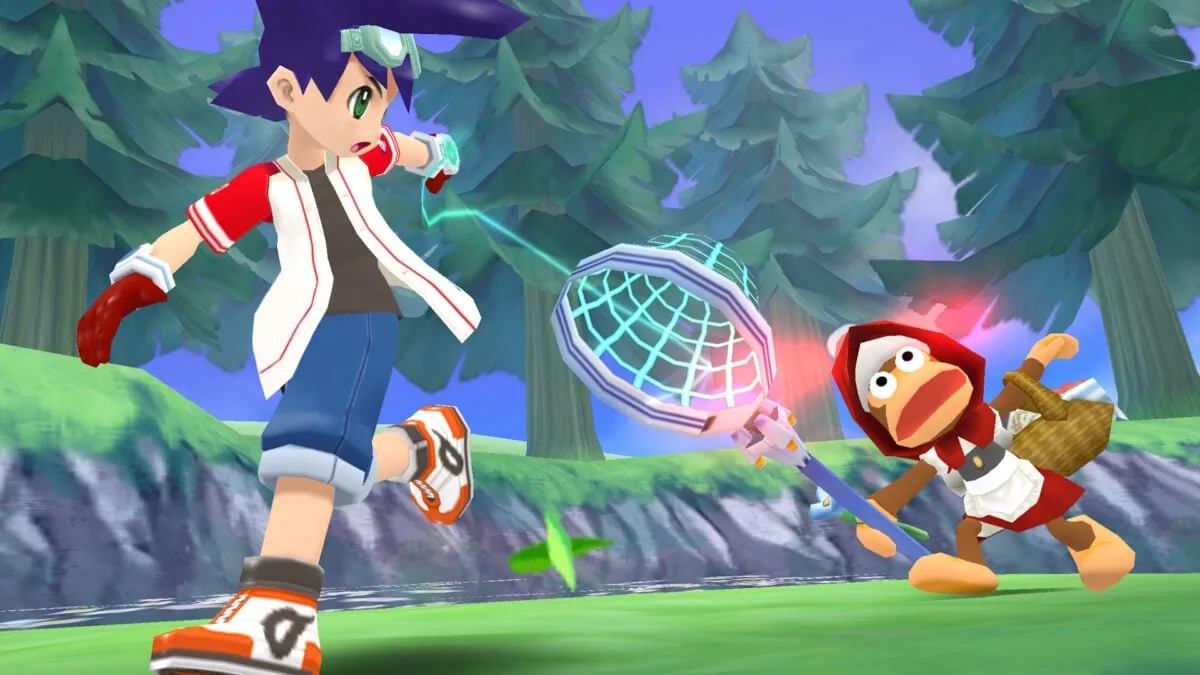
The original Ape Escape first debuted in 1999 for the original PlayStation, introducing players to a 3D platformer where a boy named Spike chased runaway monkeys across creative stages. To catch the escaped primates, Spike relied on net gadgets, radar tools, and various vehicles scattered throughout each level. Beyond its colorful tone, the game served as an important test for Sony’s control hardware. It became the first release on the console to require the DualShock controller, using dual analog sticks to move Spike and swing his net. Spike was the central hero. [2]
Subsequent installments continued linking the franchise to peripheral hardware experiments across multiple console generations. The series spawned 14 spin-offs and sequels, exploring varied genres like mini-game compilations and even an RPG. Sony required the EyeToy camera accessory for Monkey Mania on the PlayStation 2, while the 2005 release Ape Escape Academy used the PlayStation Portable’s wireless networking to support four-player multiplayer sessions. Later on, the 2011 entry PlayStation Move Ape Escape adapted the monkey hunts into an on-rails experience built for the PlayStation 3 motion wand peripheral. [2]
Sony celebrated that console heritage in humorous marketing campaigns, such as when Sony executives recreated the classic game sharing skit to celebrate community traditions. With modern consoles relying on sophisticated haptics, fans have wondered whether future installments could revive that experimental spirit. The franchise hasn’t delivered a core mainline adventure since Ape Escape 3 concluded its PS2 run in 2005. [1, 2]
Expectations Around the Ape Escape Return
Renewed conversation around the franchise follows years of quiet cameos rather than standalone announcements. Sony recently included a playable Ape Escape tribute stage in Team Asobi’s Astro Bot, letting players net pipo monkeys in a colorful celebration of classic PlayStation characters. As Eurogamer pointed out, Astro Bot served as a reminder of the broad library of legacy properties Sony owns. That cameo reminded players that the series still had an eager audience. [1, 4]
Kotaku observed that if an Ape Escape return materializes, it could put the PlayStation 5’s DualSense controller through its paces. While Astro Bot made full use of adaptive triggers and haptic rumble to simulate surfaces, few third-party games have explored those controller features with equal depth. Evening Star’s background in tight, responsive platforming suggests the team could find inventive ways to map Spike’s gadget tools, radar trackers, and capture net swings to modern inputs. Whether those mechanics arrive on current hardware or wait for future platforms is still an open question among reporters. [2]
For now, neither Sony nor Evening Star has confirmed the project publicly, and Gerstmann’s timeline suggests that any finished game is still far from release. Players who grew up with Spike and the mischievous pipo monkeys will have to wait for official trailers before booking release dates. Until PlayStation confirms its upcoming publishing slate, the reported Ape Escape revival stands as an encouraging sign that older classics haven’t been forgotten. [1, 2, 4]
- ONLINE NEWS Serin, K. (2026, October 7). A new Ape Escape game from the devs behind Sonic Mania is reportedly in development, as Sony looks to revive other dormant PlayStation classics. Eurogamer.net. [Article Link]
- ONLINE NEWS Walker, J. (2026, October 7). Rumor: Sonic Mania Developers May Be Working On A New Ape Escape Game. Kotaku. [Article Link]
- ONLINE NEWS Harradence, M. (2026, October 7). New Ape Escape Game Is Reportedly In The Works At Sonic Mania Team. PlayStation Universe. [Article Link]
- ONLINE NEWS Push Square. (2026, October). Rumour: More Sources Mount for Ape Escape Revival from Ex-Sonic Mania Devs. Push Square. [Article Link]


