





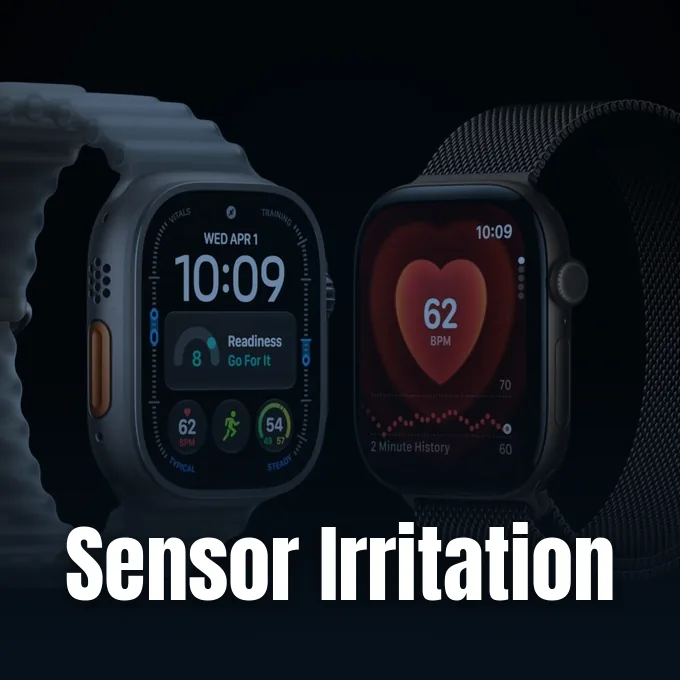
Several Apple Watch Series 12 and Ultra 4 owners reported skin irritation and burning sensations under the new sensor cluster on October 7, 2026. The complaints surfaced on Reddit and MacRumors forums shortly after customers received their new devices [1]. While earlier evaluations analyzed the Apple Watch Series 12 upgrade value against older models, emerging user feedback centers on discomfort during normal wear. Apple stated that moisture, dirt, and band tightness often cause skin reactions, but some buyers returned their devices.
Apple Watch Series 12 Sensor Complaints
Discussions about wrist discomfort began appearing on community channels as soon as the fresh hardware arrived at buyer doorsteps. Owners of both the Apple Watch Series 12 and the Ultra 4 described redness and mild burns beneath the optical sensor module. The irritation doesn’t appear for everyone. Several forum members pointed out that the new models measure heart rate every five seconds, leading some to wonder whether more frequent readings trigger the issue during workouts or sleep tracking [1].
User reactions to the problem vary widely among early buyers. Some people noticed that the skin redness faded after an adjustment period of several days, especially when they loosened the strap. Others found that washing the back glass helped reduce the burning feeling. Several buyers returned the smartwatch [1].
Wrist irritation from wearable electronics isn’t a new phenomenon, and complaints date back to Apple’s original model. However, the concentration of reports on MacRumors and Reddit following this launch suggests that changes to the sensor area may be playing a role. Whether the five-second heart rate tracking interval creates extra warmth or skin friction remains unproven, but users are watching the situation closely. That’s why community members continue sharing their cleaning routines and fit adjustments online, hoping to avoid returning their purchases. Apple advises consulting a physician if swelling develops [1].
New Sensor Array and Hardware Modifications
The back of the new smartwatch features visible design revisions that distinguish it from older hardware. Apple built the Apple Watch Series 12 and Ultra 4 with a larger ECG (electrocardiogram) electrode surface, giving the sensor pod a distinctly different contact profile against human skin compared to older hardware. The company also rearranged the photodiodes into a ring-shaped layout and added larger green LEDs beneath the central crystal [1]. In reviews, AppleInsider identified these updates as part of a new Health Sensing System designed to provide more consistent tracking data [3].
These optical and electrical sensors need to stay in contact with skin to gather reliable readings, but a larger sensor area means more material touches the wrist. The watch takes heart rate measurements every five seconds rather than resting between longer intervals, keeping the optical sensors active throughout the entire day [1].
Teardown reports show that the back cover houses the sensor assembly along with Apple’s S11 chip, leaving little empty room inside the slim casing. Four screws secure the ceramic and sapphire back cover to the main chassis, allowing technicians to reach the sensor assembly from below without needing to detach the fragile front glass panel during maintenance [2]. That back module stays sealed, meaning sweat or lotion can gather around the edges if users don’t wipe the device down regularly after exercise or daily work [1]. When skin stays damp beneath a tight watch, mild redness can develop quickly.
Apple Materials and Recommended Cleaning Steps
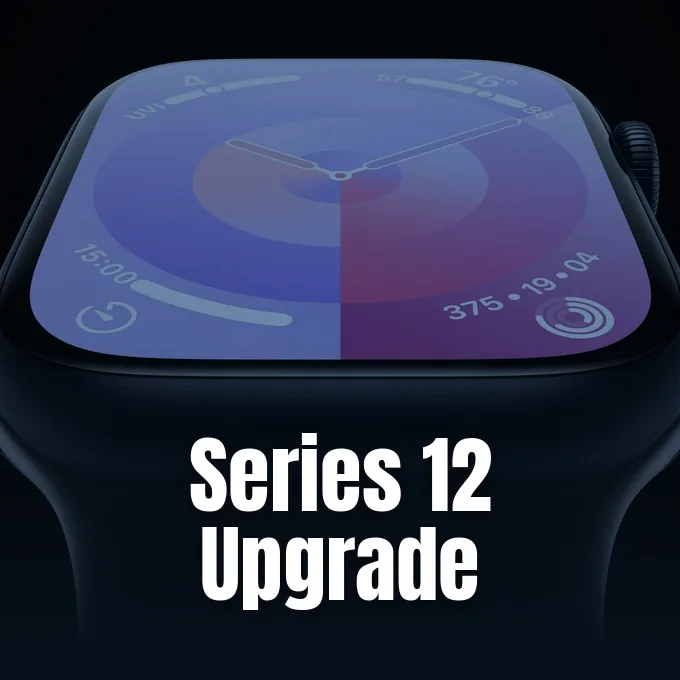
Apple maintains public guidance explaining how watch materials interact with human skin, noting that allergic reactions remain rare but possible. Some Apple Watch models contain small amounts of nickel, but the company says the level stays well below European Union limits and won’t trigger irritation for most individuals. The case and certain watch bands also use adhesives containing trace amounts of acrylates and methacrylates. Apple explains that it designs every case and band so those adhesive components stay away from direct skin contact, though sensitive individuals can still react if sweat carries particles into skin pores during intense daily use or prolonged workout sessions [1].
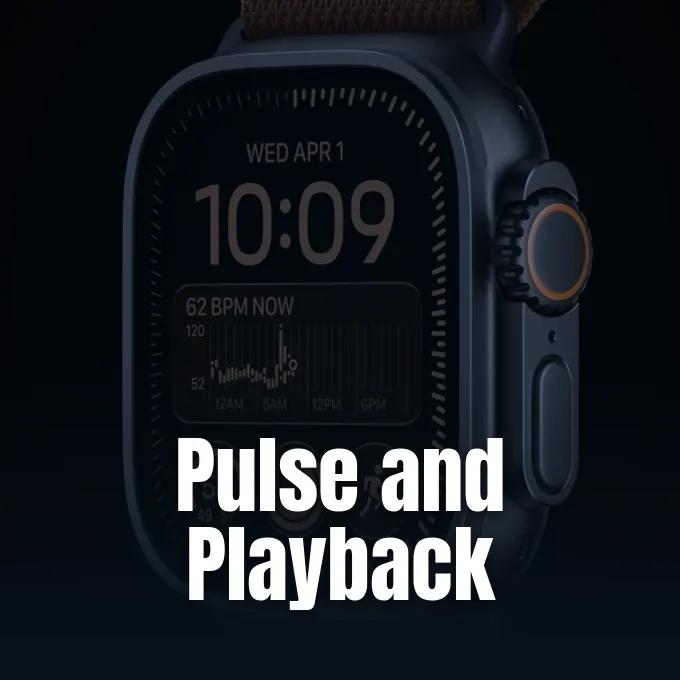
Band tightness plays a big role in skin comfort during workouts or long work shifts. Wearing a band too tight can pinch tissue and trap moisture against the wrist, while wearing it too loose lets the watch slide repeatedly and rub against the sensitive skin above the wrist bone. Apple advises keeping the watch clean and dry. Cleaning is especially necessary after swimming, exercise, or contact with sunscreen, soap, and lotion [1].
If redness or itching doesn’t fade after cleaning and adjusting the fit, Apple recommends taking the watch off completely until the skin heals. Putting the device back on while tissue remains inflamed can make the problem worse, so medical consultation is sensible if swelling appears [1]. A soft cloth often resolves minor grime.
Apple Watch 12 Teardown and Internal Upgrades
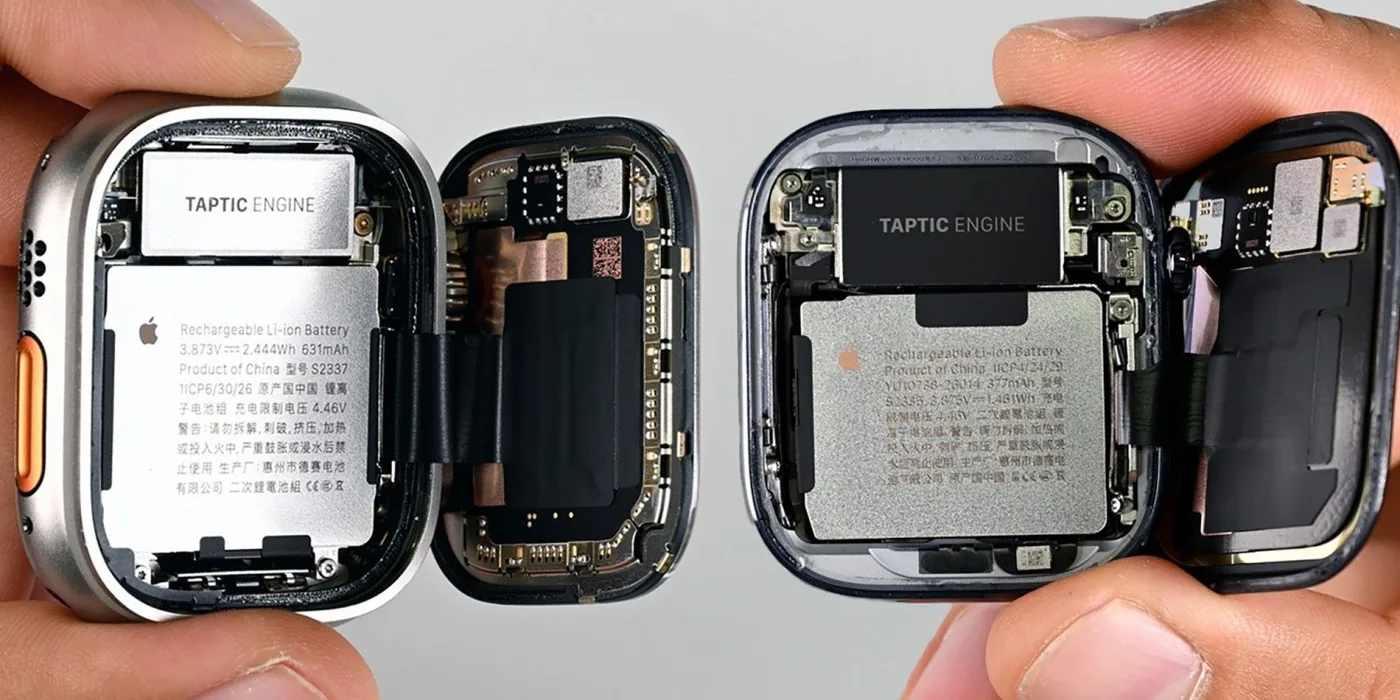
Beyond the sensor changes, a hardware teardown by repair organization iFixit revealed what sits inside the new case. Lead teardown technician Shahram Mokhtari opened the Apple Watch Series 12 to evaluate how easily owners or repair shops can fix damaged parts. iFixit found that Apple introduced stretch-release adhesive and an internal pull tab beneath the battery. That change makes the 1.461 Wh battery easier to pull out compared to the 1.403 Wh pack inside the 46mm Series 11, marking a practical improvement for technicians handling battery service [2].
Despite the new pull tab, opening the smartwatch remains difficult. Mokhtari noted that the glass screen is glued firmly to the casing, requiring heat and force to pry open. The tolerances around the Series 12 display are even tighter than on the Ultra 4, creating genuine concern about cracking the screen during disassembly when applying force with a metal pry pick. Apple also swapped the ZIF (zero insertion force) connector and tape from previous generations for a press connector. Replacing a broken screen now requires removing the battery first, “which, if you’ve come this far, why wouldn’t you?” Mokhtari said [2].
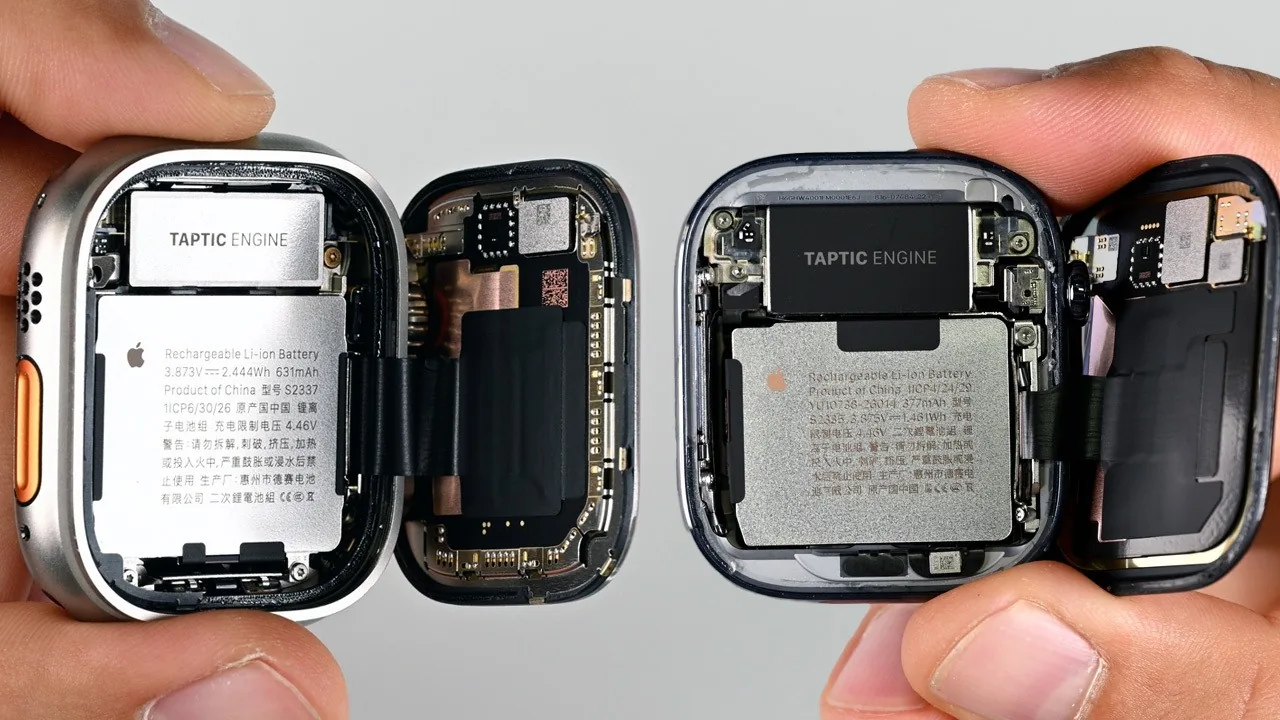
Because opening the glued display is still the biggest obstacle to fixing internal hardware, iFixit awarded the Apple Watch Series 12 a modest repairability score of 4/10 after completing the teardown sequence. That mark represents a one-point increase over the score given to the previous base-model Apple Watch [2]. As summarized by AppleInsider, the new model offers two repair-friendly upgrades, but adhesive construction restricts serviceability [4]. Front glass removal poses hazards [2].
Ultra 4 Hardware and Repair Comparisons
iFixit also took apart the larger Apple Watch Ultra 4, where repairability results proved less encouraging. Shahram Mokhtari applied heat to the screen and used the company’s new metal pick to pry open the rugged display. Inside, the teardown revealed the Taptic Engine and a larger 2.444 Wh battery, up from the 2.313 Wh capacity in the Ultra 3. Replacing that cell still requires taking off the glued front screen, which keeps the repair process tricky for everyday owners who lack specialized heating tools or replacement gaskets to reseal the smartwatch. Disconnecting the display press connector is manageable if flex cables stay intact [2].
On the exterior, four screws on the bottom of the case provide entry to the rear assembly. However, those screws grant access only to the sensor pod attached beneath the casing and the S11 processor located nearby, rather than allowing straightforward entry to the central battery compartment. Because the core internal architecture matches the previous generation, the Ultra 4 earned a 4/10 rating from iFixit [2].
To put those repair numbers into perspective, iFixit compared Apple’s new lineup with competitor smartwatches. Google’s Pixel Watch 5 earned a repairability score of 9/10 because opening its screen only involves a rubber gasket and two Torx screws, with the battery pack seated entirely free of glue [2]. Between glued screens, tighter tolerances, and new sensor reactions, buyers of the Apple Watch Series 12 and Ultra 4 have plenty to consider before strapping the hardware on their wrists [1].
- ONLINE NEWS Clover, J. (2026, October 7). Apple Watch Series 12, Ultra 4 owners report skin irritation. MacRumors. [Article Link]
- ONLINE NEWS Mendes, M. (2026, October 6). iFixit tears down Apple Watch Series 12 and Ultra 4, finds mixed repairability results. 9to5Mac. [Article Link]
- ONLINE NEWS Apple Watch Series 12 review: Upgraded where it was needed. (2026, October 7). AppleInsider. [Article Link]
- ONLINE NEWS Apple Watch Series 12 is easier to repair, Apple Watch Ultra 4 remains unchanged. (2026, October 6). AppleInsider. [Article Link]


