






NASA shared more than 800 gigabytes of Artemis II data on Wednesday, opening a public archive that documents the first crewed flight around the Moon in over fifty years. The release includes roughly 12,000 images, eight hours of crew audio, and raw flight logs gathered during the April 2026 lunar flyby. It lets research teams and space fans study detailed surface observations recorded from the Orion capsule [5].
Inside the Artemis II Data Release
Agency teams met in Türkiye. Officials unveiled the public repository at the International Astronautical Congress in Antalya, giving planetary science teams around the world their first broad look at raw flight records gathered during the April 2026 lunar flyby. NASA Deputy Administrator Matt Anderson called the release a useful starting point for global lunar research. “This release represents not the end of Artemis II lunar science, but a new beginning,” Anderson said at the gathering [5].
The new catalog bundles transcripts with three guides, such as the Artemis II Preliminary Lunar Science Report, the Artemis II Lunar Science Operations Report, and a guide for outside analysts. In addition to these reports, engineers attached roughly 300 fields of metadata to each photograph, recording orbital paths, camera angles, and solar positions so that geologists can align crew snapshots with existing Moon maps. It’s an approach that turns casual looks into verifiable Artemis II data. Each picture carries 300 metadata fields. Teams get the exact calibration numbers they need for surface studies [1].
The crew launched on April 1. The flight carried commander Reid Wiseman, pilot Victor Glover, mission specialist Christina Koch, and Canadian Space Agency astronaut Jeremy Hansen on a ten-day journey that began on April 1. Four flyers shared the cabin. After looping behind the Moon, the crew splashed down in the Pacific Ocean on April 10, completing a test flight before the four astronauts welcomed back in Houston after their historic lunar orbit [5].

Meteoroid Impact Flashes and Lunar Surface Color
The eclipse lasted 54 minutes. During their close passage on April 6, the crew spent more than six hours running a focused observation session known as Moon joy from the Orion capsule windows. They saw five rock strikes. Working in pairs, the four astronauts spotted five meteoroid impacts striking the dark lunar terrain during that 54-minute eclipse [3].
Small flashes from striking space rocks happen regularly, but detecting five faint events during a single orbital pass gives researchers fresh Artemis II data on strike rates across the Moon’s far side [3]. The flashes were very faint. Mission scientists said that recording these brief flashes helps teams refine hazard models for hardware scheduled to operate on the surface. Because human eyes spot subtle shifts that robotic sensors miss, the astronauts saw flashes that might have vanished in automatic noise without crew logs. Mission lunar science lead Kelsey Young said that these notes will help planetary experts calculate real impact risks for future habitats [5].
Visual logs also reveal surprising shifts in lunar color that don’t match past pictures. Christina Koch described several ground patches as looking like “mould growing on sandwich bread,” while noting that the Aristarchus Plateau resembled a yellow snow-capped peak with a faint green tint. Koch noted the strange green tint. Ground controllers used her voice notes to adjust color balance on raw camera frames [2].


Astronaut Observations and Vision Challenges in Deep Space
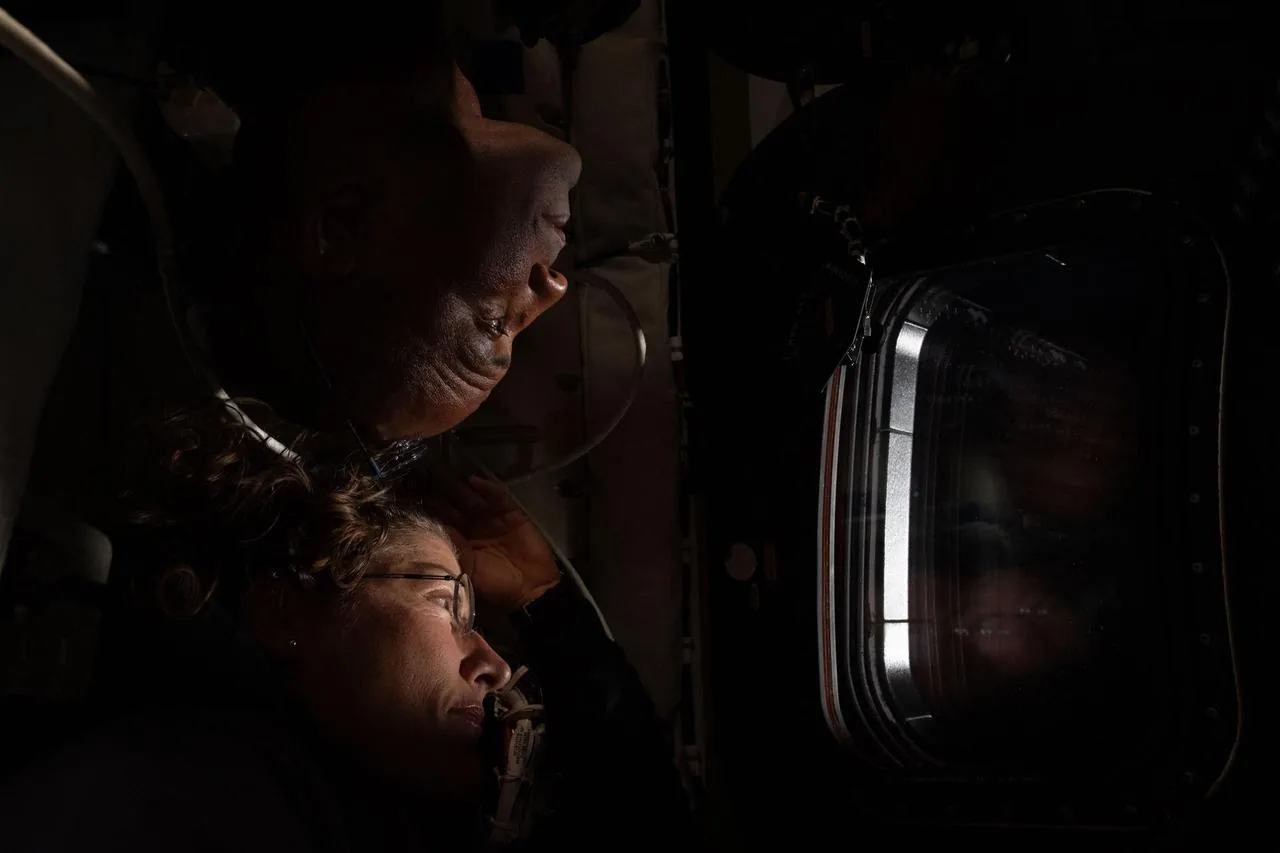
Cabin glare caused real trouble. Human eyes provided rich field notes, but viewing conditions inside deep space presented serious visual hurdles for the crew as Orion flew past the lunar far side. As Orion crossed the lunar terminator (the boundary between day and night), sunlight striking cabin glass often overwhelmed vision, leaving distant crater walls hard to evaluate [2].
Lighting shifts created striking illusions where crater depths seemed to alter rapidly as the spacecraft changed position relative to the sun. Low light hides steep slopes. Marie Henderson, a deputy lunar science lead from the University of Maryland Baltimore County, pointed out that low-light operations near the lunar poles will test astronaut navigation. “It’s going to be hard to be in those low-light conditions,” Henderson said. Studying these lighting shifts will prepare landing crews to spot risky boulders and steep slopes during future descents to the surface [2].
Planetary scientist Elisha Jhoti from the University of California, Los Angeles, noted that raw photos rarely match what human eyes see. The eyes see different tones. “The images we see from the Moon are not exact representations of what our eyes would see,” Jhoti said. That’s why astronaut voice logs provide direct ground truth for tuning sensor tools on Earth [2].

How Researchers Access the Artemis II Science Data
Anyone can open the archive. Users searching the Artemis II data can browse the complete collection through the NASA Planetary Data System. The portal sorts thousands of sharp stills, audio clips, and technical logs into indexed folders, letting university teams run independent tests on individual files [3].
For casual viewers who don’t need complex scientific tables, the agency created a public site called Artemis II: Sights & Sounds of Science. Cockpit audio carries real voices. This online page lets visitors hear audio clips where the crew describes passing ridges and listen to chatter from lunar orbit. The agency’s open release aligns with open data sharing frameworks established under the Artemis Accords, ensuring that findings reach universities and international partners without paywalls or restrictive access tiers. That open posture helps scientists around the world test fresh ideas against newly published flight records [1].
NASA science chief Nicola Fox called the crew “the most powerful science instruments that we’ve ever flown”. The crew spoke eight hours. Her assessment explains why the agency shared unedited audio recordings with processed flight telemetry gathered during the journey. Spoken records captured subtle sensory details that automated instruments couldn’t detect during the ten-day voyage [5].
Future Lunar Landings Guided by Artemis 2 Data
The flight broke Apollo 13’s mark. The flyby reached a maximum distance of 406,771 kilometers (252,756 miles) from Earth, breaking the deep-space flight record set by Apollo 13 in 1970. That distance showed that life-support systems inside the Orion capsule could keep a crew healthy on long paths beyond low Earth orbit [5].
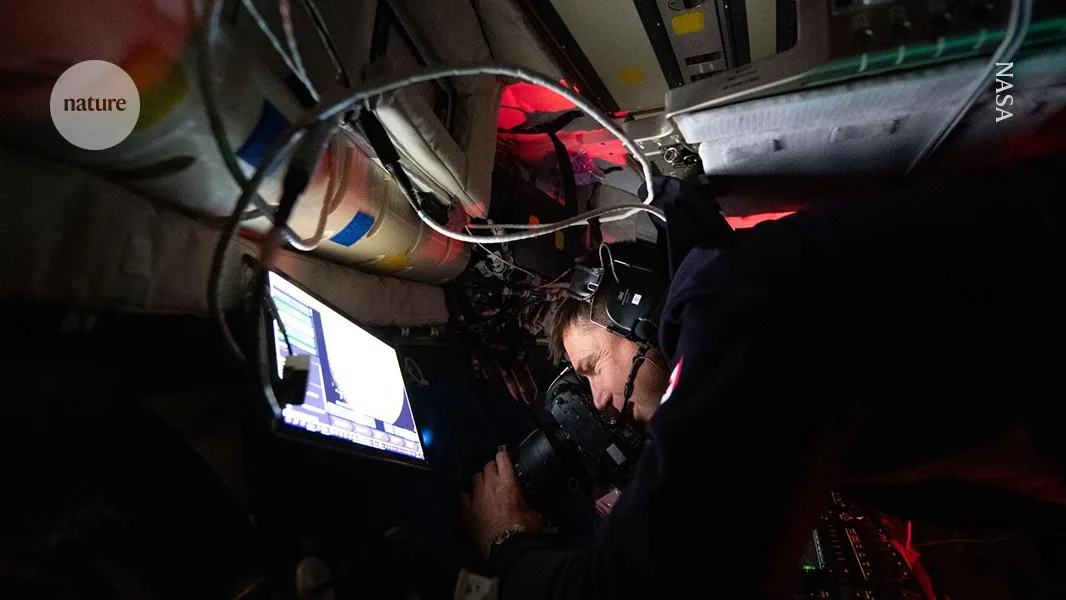
With Artemis II complete, ground teams at Kennedy Space Center in Florida are shifting their attention to prepare hardware for Artemis III [4]. The upcoming test flight, planned for 2027, will keep astronauts in Earth orbit to test docking maneuvers with lunar landers built by SpaceX and Blue Origin. Meanwhile, the agency targets 2028 for Artemis IV, which plans to send humans to land near the lunar south pole for the first time since 1972. Artemis IV targets the south pole. Terrain observations from the Artemis II data will help mission planners map safer landing zones across that shadowy polar landscape [5].
The stage stands 212 feet tall. Workers are already assembling rocket hardware for upcoming missions, including the 212-foot core stage of the Space Launch System that arrived at Kennedy after traveling 900 miles by barge. Scientific findings from the April flyby give future lunar missions practical visual maps and sensory baselines before landing crews arrive [4]. As Marie Henderson said, having “a whole bunch of new eyes” study the lunar archive will make a huge difference for upcoming surface operations [2].
- ONLINE NEWS O’Brien, T. (2026, October 11). NASA dumped over 800GB of Artemis II data online. The Verge. [Article Link]
- ONLINE NEWS Witze, A. (2026, October 7). NASA releases trove of Moon data from historic Artemis II flight. Nature. [Article Link]
- ONLINE NEWS Garay, J. (2026, October 9). NASA Just Made Nearly 1 TB of Artemis II Data Available to the Public. WIRED. [Article Link]
- PRESS RELEASE NASA. (2026, April 16). Artemis. NASA Blogs. [Article Link]
- ONLINE NEWS Türkiye Today. (2026, October 8). NASA releases 800 GB of Artemis II moon data, unheard astronaut recordings in Türkiye. Türkiye Today. [Article Link]


