



Federal lawmakers filed new legislation on Friday targeting the growing spread of automated street surveillance. The proposal, dubbed the Ban Flock Act, seeks to bar federal law enforcement and civil agencies from buying, accessing, or deploying automated license plate readers made by Flock Safety or rival vendors. With thousands of networked sensors logging vehicle routes on public roads, sponsors argue the government shouldn’t build mass tracking systems without public consent [2].
What the Ban Flock Act Prohibits
The legislative text targets the full ecosystem of automatic license plate readers (ALPRs) rather than a single private contractor. Under the bill, federal agencies cannot purchase, possess, or access data gathered by roadside camera devices, including tracking feeds gathered by private networks that aren’t owned by public entities [1]. The statutory language also creates an explicit right of action that allows citizens to file lawsuits against the federal government if agencies violate their rights using license plate readers. By opening courtrooms to driver privacy claims, the bill gives motorists legal tools to challenge unlawful vehicle surveillance before federal judges [2].
Lawmakers carved out narrow exceptions for specific transit operations, provided that Congress reviews and clears those uses, leaving room for highway fee programs. Toll collection is exempt. Even when approved by lawmakers, data retention cannot exceed 48 hours [1].
TechRadar reported that outside these limited congressional approvals, federal agencies won’t be allowed to dip into local camera archives to follow drivers. Public debate around roadside hardware deepened after stored data from a downed Flock camera revealed tracking reach, showing that roadside sensors log weeks of vehicle travel history. While private businesses and neighborhood residents associations can still install hardware on private property with their own funds, the bill cuts off federal cooperation with those local networks [1].
Federal Funding Cuts for Police Cameras
Congress can’t ban city police equipment outright. Instead, the bill relies on the power of the federal purse, prohibiting federal grant money from flowing to any state or local agency that signs contracts with automated license plate reader vendors [2].
Federal grant dollars have long served as the main funding pipe for local police departments seeking high-tech surveillance gear from private contractors. By cutting off central government money for any agency contracting with ALPR firms, the Ban Flock Act turns a federal statute into a practical barrier for cash-strapped municipalities that rely on federal support to lease camera hardware [1]. Local officials who want to retain roadside cameras would have to pull funds from town taxes to pay vendors, forcing municipal councils to justify software subscriptions that aren’t cheap and that spark growing public backlash over warrantless location tracking. Town leaders who previously accepted cameras without debate would face voters asking why local tax money is funding automated roadside checkpoints [2].
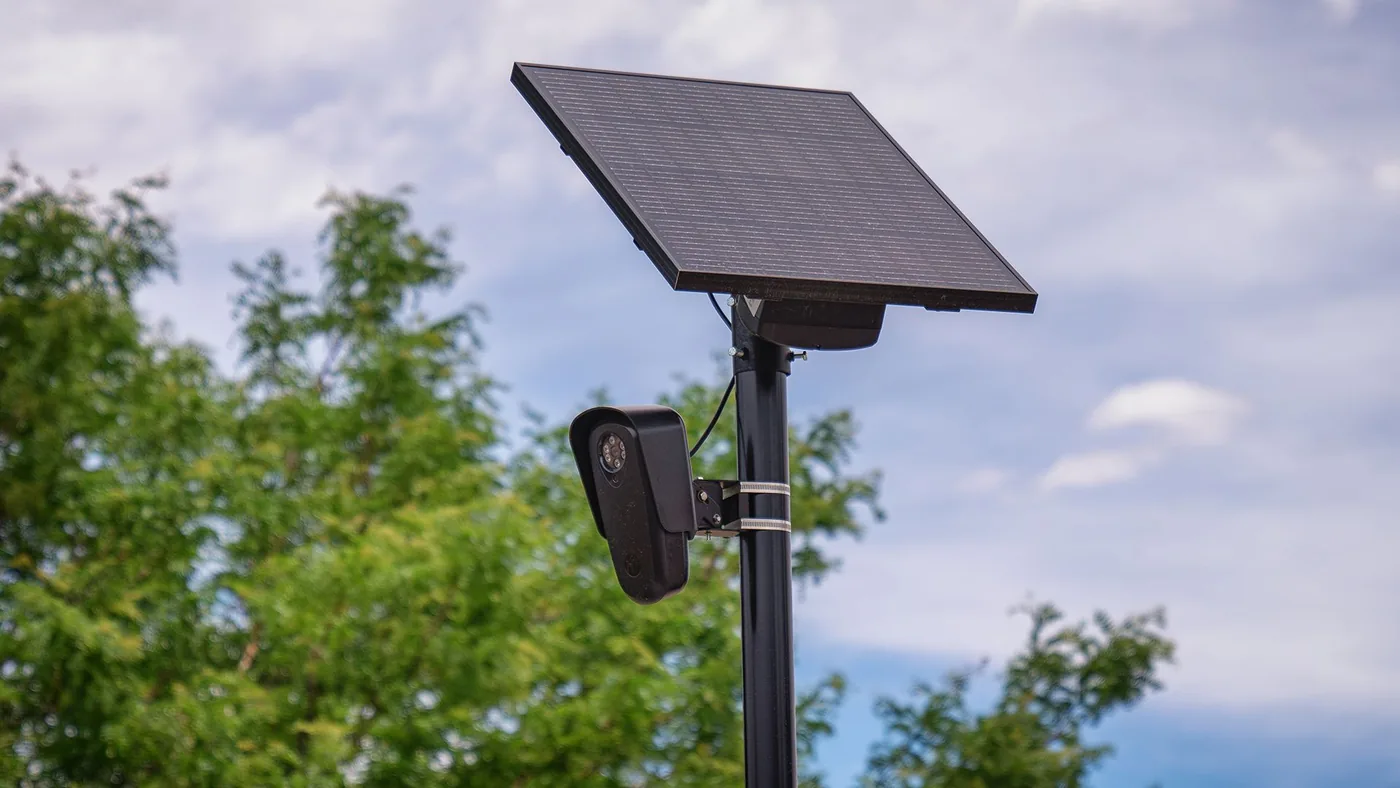
That financial friction matches a shift in public sentiment across American towns. Outrage has grown as citizens notice automated cameras popping up along local routes without neighborhood votes or town hall hearings [2]. On discussion forums, Redditors say future legislation “should go beyond ALPRs” to rein in other roadside tracking tools, backing tighter restrictions or full prohibitions against mass surveillance [1].


Sponsors Condemn AI Surveillance Networks
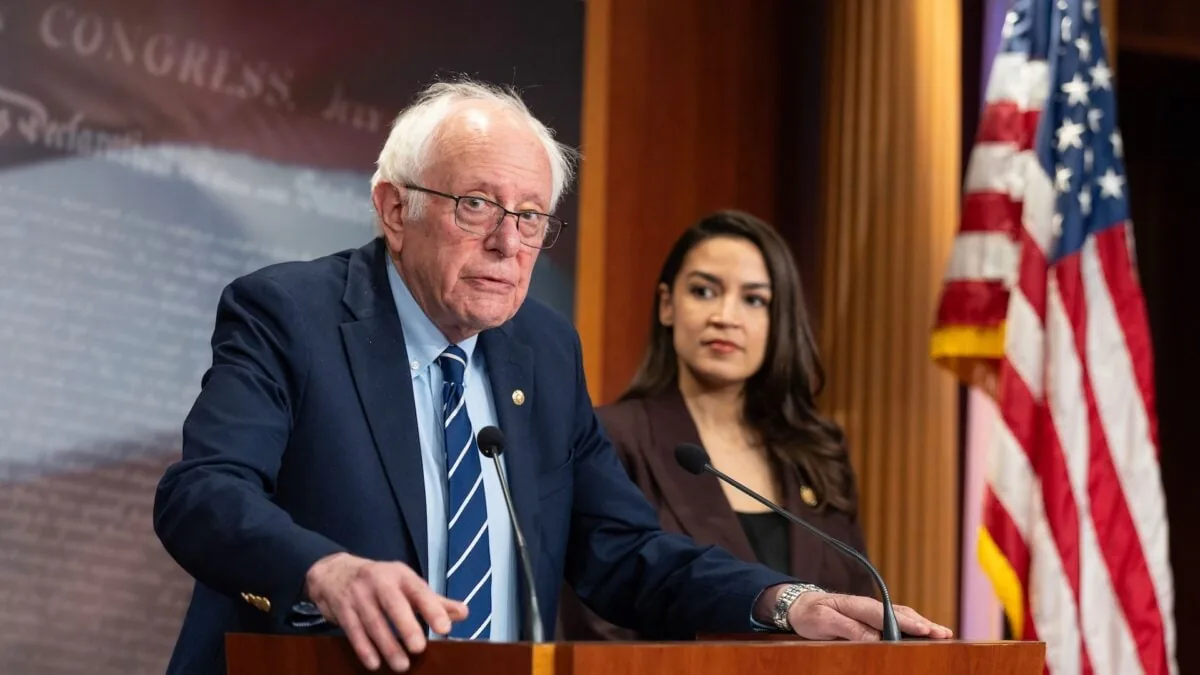
The sponsors of the bill voiced clear warnings about the erosion of daily anonymity on public roads. Senator Bernie Sanders, an Independent from Vermont who caucuses with the Democrats, criticized the business model behind the camera networks in a Friday press statement. “At a time of growing concern about the unchecked power of artificial intelligence, Flock is eviscerating the very notion of privacy by installing tens of thousands of cameras in communities across America without their consent,” Sanders said. Sanders argued that private technology firms shouldn’t commodify driver location data [2].
Sanders pointed out that automatic scanners monitor mundane civilian routines without a warrant or probable cause. “Going to the doctor? Flock knows. Dropping your kid off at school? Flock is tracking you. Flock is always watching,” Sanders said. He warned that the country cannot allow America to become a surveillance state where a handful of AI oligarchs profit by giving government agencies the power to track every vehicle trip across towns and cities [2].
In the House, Representative Alexandria Ocasio-Cortez, a New York Democrat, is leading the companion push. “Across the country, Big Tech companies like Flock Safety have built a mass surveillance system to harvest Americans’ private and personal data without their consent,” Ocasio-Cortez said in a press statement [2].
Bipartisan Push and the Stop Flock Abuse Act
Unease isn’t confined to Democrats. Senator Josh Hawley, a Missouri Republican, announced on Wednesday that he is introducing his own measure, dubbed the Stop Flock Abuse Act. While Hawley approaches the issue from a conservative angle, his push shows that skepticism toward automated traffic tracking crosses party lines as voters complain about private camera grids installed along residential roads without public oversight [2].
Having prominent figures from both parties challenge automated plate readers keeps the technology at the center of national debate. TechRadar pointed out that two similar bills are already sitting at the committee stage without advancing, showing how hard it is to move privacy bills through Capitol Hill [1]. Hawley’s announcement signals that while specific legislative remedies differ between parties, lawmakers face growing pressure from voters who don’t want AI camera grids monitoring their daily errands. With public frustration rising over roadside tracking, senators from both sides of the aisle are seeking ways to limit vendor access to sensitive driver data [2].
The Ban Flock legislation sponsored by Sanders and Ocasio-Cortez goes further than establishing software safeguards by seeking an outright federal ban [1]. By forbidding federal agencies from accessing private plate databases, the bill tries to stop Washington from buying tracking data that investigators couldn’t gather without a warrant [2].
Midterm Election Hurdles in Congress
The Ban Flock Act faces long odds. For any proposal to pass, it must clear committee hearings, win a majority in the House, and secure approval in the Senate [1].
With the congressional session ending in January and party control tightly divided between both chambers, legislative timing leaves almost no calendar days for floor debate before the current term expires [1]. Gizmodo reported that all major surveillance legislation is expected to wait until after the midterm elections in November. While polling suggests Democrats could make strong gains in the House, control of the Senate hangs on a few close state races. In Texas, Democrat James Talarico leads Republican Ken Paxton in recent polling, while in Minnesota, Democrat Peggy Flanagan holds a narrow one point lead over Republican Michele Tafoya in the race for Amy Klobuchar’s seat [2].
If Democrats fail to win majorities in both chambers of Congress, federal surveillance restrictions won’t find an easy path to passage [2]. For now, TechRadar described the Ban Flock Act as a statement of intent that defines the battle lines over street monitoring rather than a bill destined for fast enactment. The proposal nevertheless sets a clear legislative marker, ensuring that privacy advocates and lawmakers will keep questioning roadside surveillance networks as local backlash builds [1].
- ONLINE NEWS Nield, D. (2026, October 3). ‘We cannot allow America to become a surveillance state’: Bernie Sanders is leading a new bill that will ban license plate readers from Flock and other companies. TechRadar. [Article Link]
- ONLINE NEWS Novak, M. (2026, October 3). ‘Flock is Eviscerating the Very Notion of Privacy’: Sanders and AOC Propose the Ban Flock Act. Gizmodo. [Article Link]


1 comment