





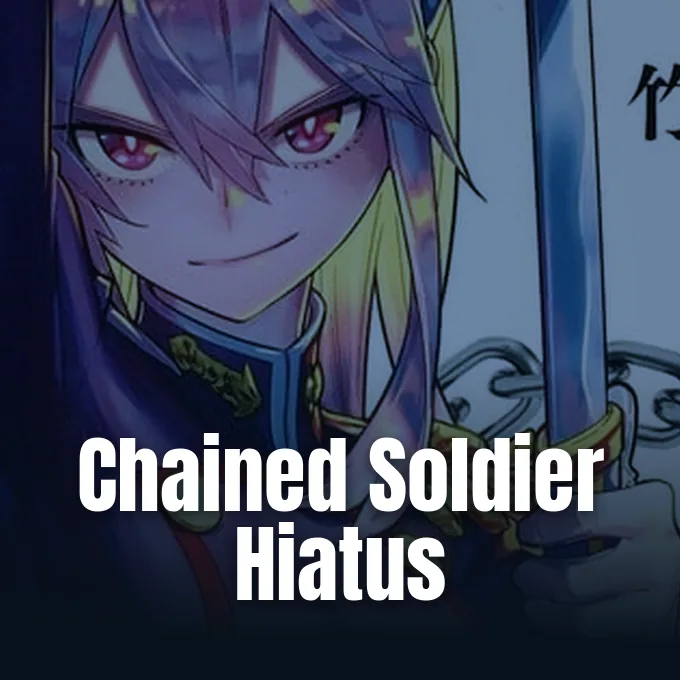
The Chained Soldier manga entered a temporary production hiatus on Shueisha’s Shonen Jump+ platform after illustrator Yōhei Takemura stepped away from manuscript drafts to recover from an injury affecting his right wrist [2]. Takemura hurt his hand in June. Drawing with a supportive brace didn’t prevent the workload from causing pain and slowing down his recovery. Editors announced that the dark fantasy series plans to return on November 14, though medical guidance will dictate whether that target date holds [1].
Wrist Injury Halts Chained Soldier Manga
Takemura explained that the injury involves damage to the fibrocartilage in his right wrist, which serves as his main drawing hand, and persistent joint pain throughout the summer prompted his decision to rest [1]. He hurt the joint in June [2]. While he attempted to meet his regular drafting routine by wearing a supportive brace, the physical motions of sketching high-energy action scenes placed heavy strain on the damaged cartilage, turning standard drawing sessions into painful work that slowed down his recovery. Joint pain slowed his recovery [1]. He decided that pausing draft work completely was necessary because healing takes a long rest period away from the drawing board [2].
Cartilage tears in a drawing hand present steep hurdles for comic illustrators [2]. Precision pen work needs steady finger grip and subtle wrist twists over long hours [1]. Pushing through tissue pain can easily turn a manageable injury into a lasting problem that threatens a creator’s career [2]. Rest protects his drawing career [1].
The editorial team at Shonen Jump+ shared Takemura’s statement on the website so readers would understand why chapter production had stopped [2]. Editorial staff made clear that Takemura’s health takes priority over keeping a strict publication calendar, and they backed his choice to halt manuscript work until his drawing hand heals properly without the risk of long-term impairment. It isn’t easy to step away from an ongoing serialization, but taking time off now protects his ability to draw for years to come [1].
Recovery Timeline and November Return Target
Shueisha currently lists November 14 as the planned return date for the series on Shonen Jump+ [1]. Health comes first. Editorial planners pointed out that this date is subordinate to Takemura’s healing progress [2]. If medical professionals find that his wrist needs extra rest, the publisher will move the return date back without hesitation [1].
Future chapter releases will be set through three-way discussions between Takemura, series writer Takahiro, and attending medical professionals, so the return schedule will reflect real physical healing rather than artificial publishing pressure [1]. Rather than forcing a rigid delivery rhythm, the creative team plans to evaluate Takemura’s progress before settling on a long-term release pace [2]. That careful planning helps prevent the painful relapses that often disrupt creators who return to the drawing desk too soon [1]. Biweekly digital serialization takes steady effort, and Shueisha wants to make sure Takemura doesn’t face renewed strain the moment draft work resumes [2]. Setting schedules around actual medical recovery keeps the comic stable for the future [1].
Health breaks have become an understood part of serialized comic production, similar to when the Gachiakuta manga research break gave its creative team room to pause weekly releases while planning out upcoming story arcs [1]. While some veteran creators face chronic injuries that leave their long-term drawing careers uncertain—as seen when Yoshiki Takaya discussed his manga future—Takemura’s hiatus is structured around a clear medical plan aiming for a November return under physician guidance [2].

Takahiro and Mato Seihei no Slave Origins
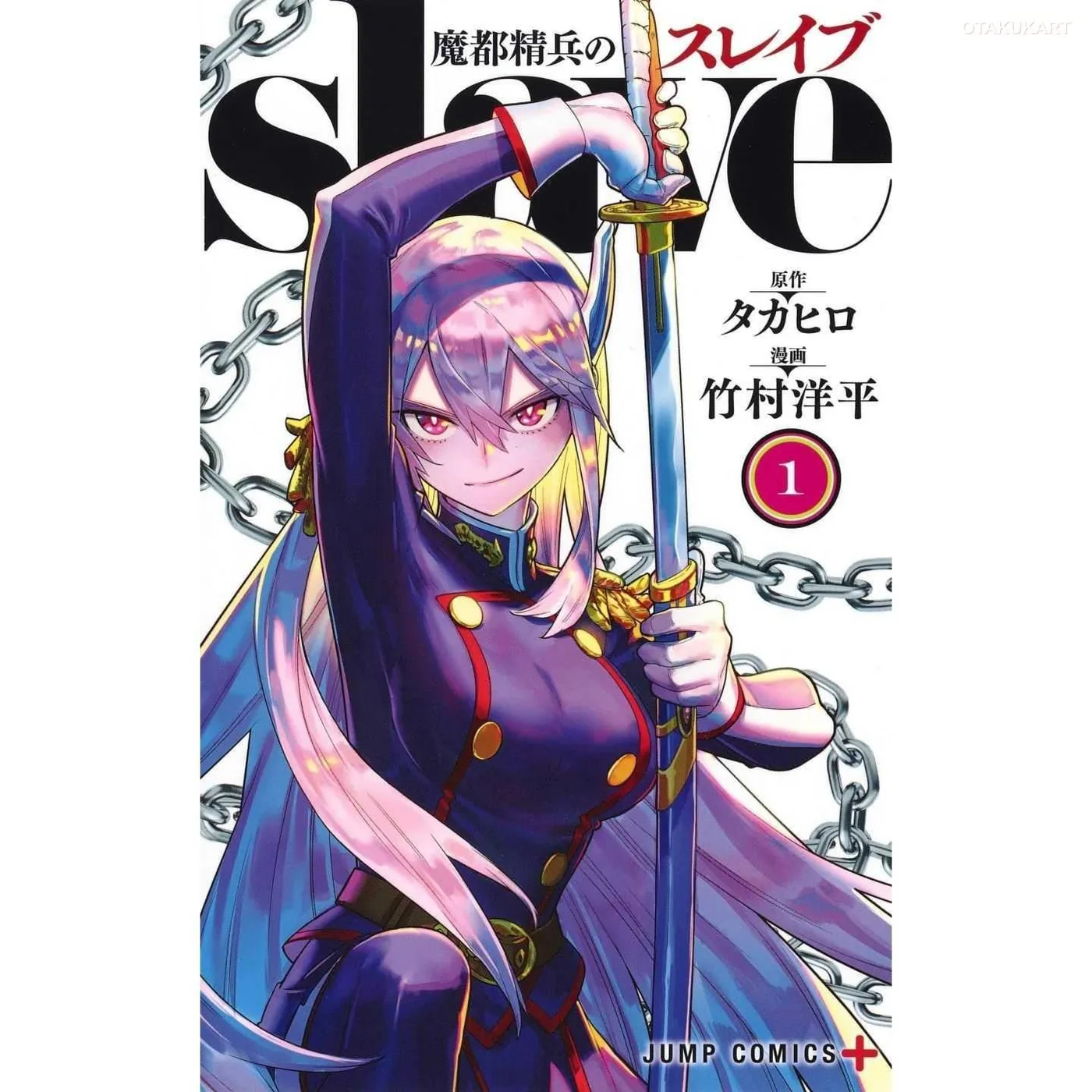
Takahiro and Yōhei Takemura launched the series on Shonen Jump+ in January 2019 [1]. Known in Japan as Mato Seihei no Slave—or literally, Slave of the Magic Capital’s Elite Troops—the comic built a fast following through its dark fantasy premise, blending high-stakes combat encounters with distinct supernatural abilities. The story takes place in a world where a demonic gate opened up and unleashed dangerous monsters known as Shūki, threatening ordinary communities across Japan [2].
In this fantasy setting, a supernatural peach tree grants extraordinary powers, but those abilities belong exclusively to women. Ordinary men lack defensive gifts against the invading Shūki, so human survival falls into the hands of battle-ready female warriors. The plot begins when down-on-his-luck youth Yūki Wakura encounters Kyōka Uzen, captain of the 7th Anti-Demon Squad, who gained the power of the peach and uses her supernatural gift to bind him as her servant [2]. Kyōka possesses a unique ability that allows her to turn Yūki into her bonded battle partner, unlocking formidable fighting strength whenever they clash with enemy monsters while protecting human cities from dangerous dimensional breaches. That partnership drives both the high-stakes combat set pieces and the unusual domestic rewards that define their dynamic [1].
Takahiro’s storytelling and Takemura’s energetic illustrations established the Chained Soldier manga as one of the standout fantasy titles on Shueisha’s digital platform [1]. The series updates biweekly on Saturdays [3]. Maintaining that visual quality placed steady demands on Takemura through every chapter cycle [1].
Print Circulation Milestones and Anime Expansion
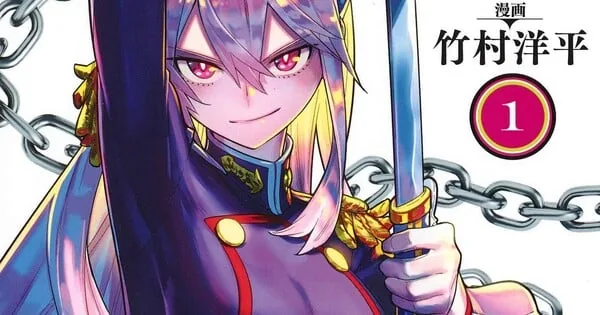
Digital records on Shonen Jump+ show that the Chained Soldier manga has drawn huge readership on the service. Readers worldwide have also embraced the book releases, and collected volume sales have passed 5.5 million copies in circulation. Chapter 188 arrived on October 3, 2026. Following the digital success of Volume 21, Shueisha scheduled the next collected book for release on November 4, and readers will receive more print material even as the serialization pauses for medical rest [3]. Those strong figures show that reader interest remains high even as the series navigates its brief publication pause [1].
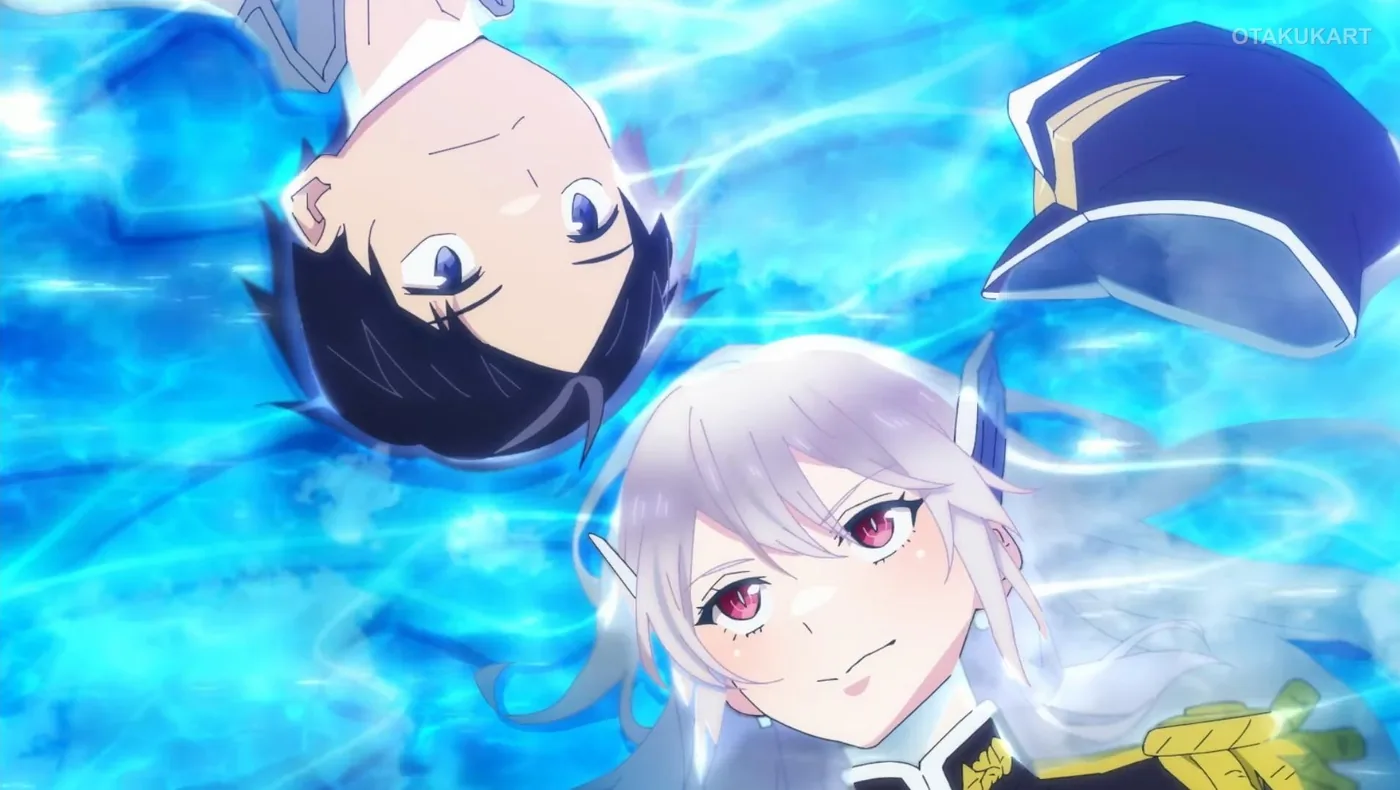
The popularity of the manga led to an anime adaptation that introduced the series to international viewers [1]. Season 1 premiered in Japan in January 2024, with streaming platform HIDIVE carrying the show with English subtitles and a dedicated English dub as each episode made its television debut [2].
A second anime season followed on January 8, 2026, and HIDIVE streamed the episodes with an English dub as the broadcast aired [2]. Production on Season 3 is underway [1]. With new anime episodes in development and fresh book releases arriving in November, the franchise’s commercial momentum won’t disappear while Takemura takes the time he needs to recover from his wrist injury [3].
Managing Creative Strain in Manga Production
Drawing serialized manga places heavy stress on an illustrator’s hands, wrists, and shoulders [2]. Artists often spend ten to twelve hours a day clutching stylus pens or dip pens to meet tight publishing schedules. When joint inflammation begins, drawing through pain risks turning a temporary flare-up into lasting cartilage harm [1].
Shueisha’s decision to support Takemura’s recovery shows an encouraging willingness to protect artists over arbitrary publishing deadlines, recognizing that wearing a brace was not enough to prevent joint pain during demanding chapter cycles. Stepping away gives the wrist joint a real chance to mend naturally. Prioritizing rest helps the Chained Soldier manga keep its visual standards when chapter releases resume [1].
Takemura’s scheduled break gives him the necessary room to focus entirely on rehabilitation without worrying about short-term deadlines. If medical evaluations go smoothly, readers will see the comic back on Shonen Jump+ on November 14 [1]. Until that return arrives, fans and editors agree that a healed artist is the most important foundation for the continued adventures of Yūki and Kyōka as they battle monsters across the Mato dimension [2].
- ONLINE NEWS Nakade, M. (2026, October 5). Chained Soldier Manga Goes on Hiatus as Artist Yōhei Takemura Recovers From Wrist Injury. OtakuKart. [Article Link]
- ONLINE NEWS Anime News Network. (2026, October 4). Chained Soldier Manga Goes on Hiatus Due to Artist Yōhei Takemura’s Health. Anime News Network. [Article Link]
- WEBSITE Takahiro, & Takemura, Y. (2026, October 3). Mato Seihei no Slave (Chapter 188). Shonen Jump+. [Article Link]


