





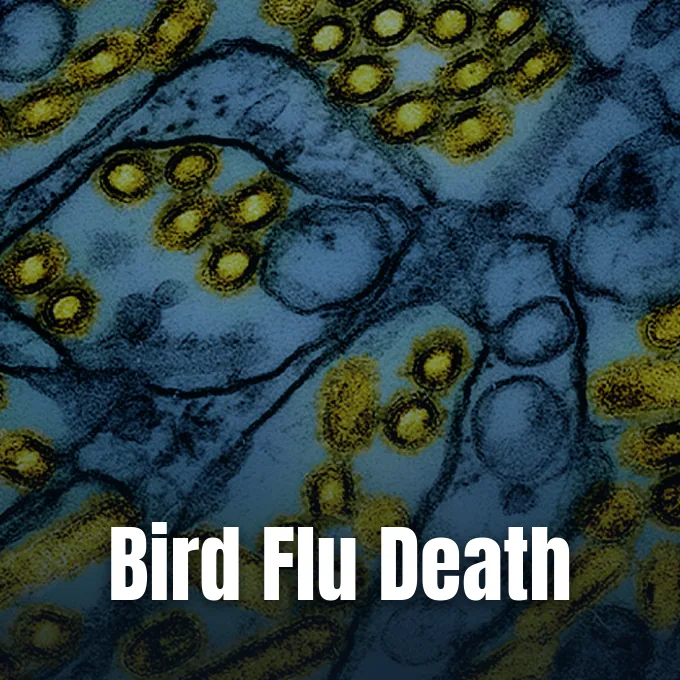
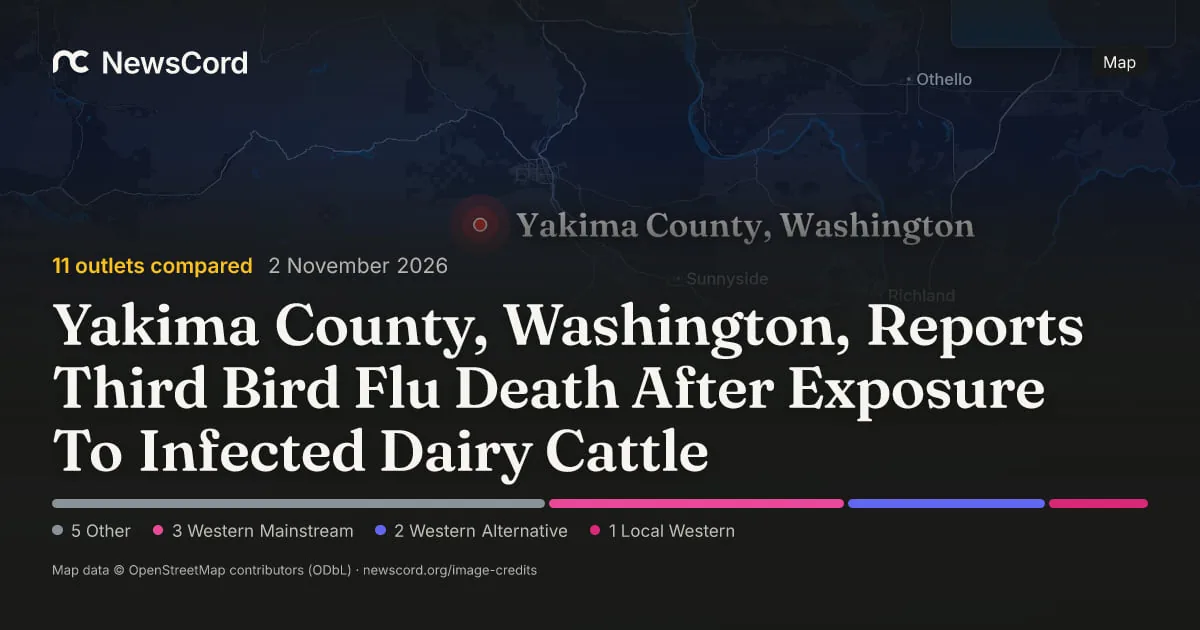
Health officials from the Yakima Health District in Washington state confirmed that a hospitalized resident died from avian influenza complications following exposure to infected dairy cattle. Associated Press science writer Mike Stobbe reported that the case marks the third bird flu death in the United States since H5N1 emerged in livestock in early 2024 [1]. State epidemiologists and county public health teams said the threat to the general public is low [2].
Patient History and Dairy Exposure
The Yakima Health District reported that the deceased resident had pre-existing medical conditions and suffered life-threatening complications after spending time around infected dairy cows [2]. County officials withheld the person’s name, age, and gender to protect family privacy during the investigation [3]. Dr. Dave Atteberry, health officer for the Yakima Health District, said, “Avian influenza can cause severe illness, particularly among people who have underlying health conditions”. He said that while the fatal outcome is heartbreaking for the local community, people going about their everyday routines face minimal danger from casual environmental exposure [2].
Two other human infections have been confirmed in Yakima County since animal detections began in October [3]. Jim Jensen of FOX 13 Seattle reported that both patients were farm employees who contracted the pathogen through exposure to sick cattle, but neither worker required hospitalization or developed acute illness [2]. Clinicians classified both incidents as mild infections that cleared up without medical intervention [3].

All three human cases in Washington state trace back to dairy herds inside Yakima County. Health teams found no additional human cases in neighboring Benton County despite clinical screenings in local clinics [3]. The Yakima Health District collaborated with the Washington State Department of Health to identify everyone who had close contact with the three patients, monitoring family members and farm coworkers daily for fever, respiratory troubles, and conjunctivitis without finding any secondary infections [1].
How the Recent Bird Flu Death Compares to 2025 Cases
This Washington case is the third fatal human infection tied to animal exposure in the United States since public health agencies began tracking dairy outbreaks in early 2024. The first fatality occurred in Louisiana in January 2025, involving an older patient infected with H5N1. The second death happened in Washington in November 2025 from a rarer lineage called H5N5 [1]. Federal health records show that fatal human outcomes remain unusual despite animal outbreaks in multiple agricultural states [3].
Surveillance records from the Centers for Disease Control and Prevention show that over 70 people have tested positive for avian influenza since February 2024. Among those confirmed infections, the CDC documented that 42 patients caught the virus through direct contact with sick cattle [3]. Most farm workers developed conjunctivitis (commonly known as pinkeye), along with mild coughing or low fevers, recovering within days without needing hospitalization or advanced clinical therapies [1]. Public health data indicates that life-threatening respiratory illness has appeared almost exclusively in patients with pre-existing medical conditions or weakened immune systems rather than healthy individuals [2].
Outbreak Spread in Washington Dairies
Agricultural authorities first detected H5N1 in Washington livestock on October 8, when two dairy facilities in Yakima County returned positive tests. The virus spread during the following three weeks. The Washington State Department of Agriculture confirmed positive tests in 33 Yakima County dairies and one facility in neighboring Benton County. State officials withheld specific farm names to encourage producers to report sick cows promptly without fear of commercial penalties [3].
Federal monitoring soon documented expanding animal detections. On October 30, the United States Department of Agriculture’s Animal and Plant Health Inspection Service (USDA-APHIS) confirmed six additional dairy infections, bringing Washington’s official count to 40 infected herds, fifth-most among all states. In Colorado, State Veterinarian Dr. Maggie Baldwin (DVM) said that bulk milk surveillance protects herds, following positive tests at a Weld County dairy. Dr. Baldwin said, “This detection underscores the importance of our routine bulk milk tank testing to keep our herds healthy and our food supply secure” [3].
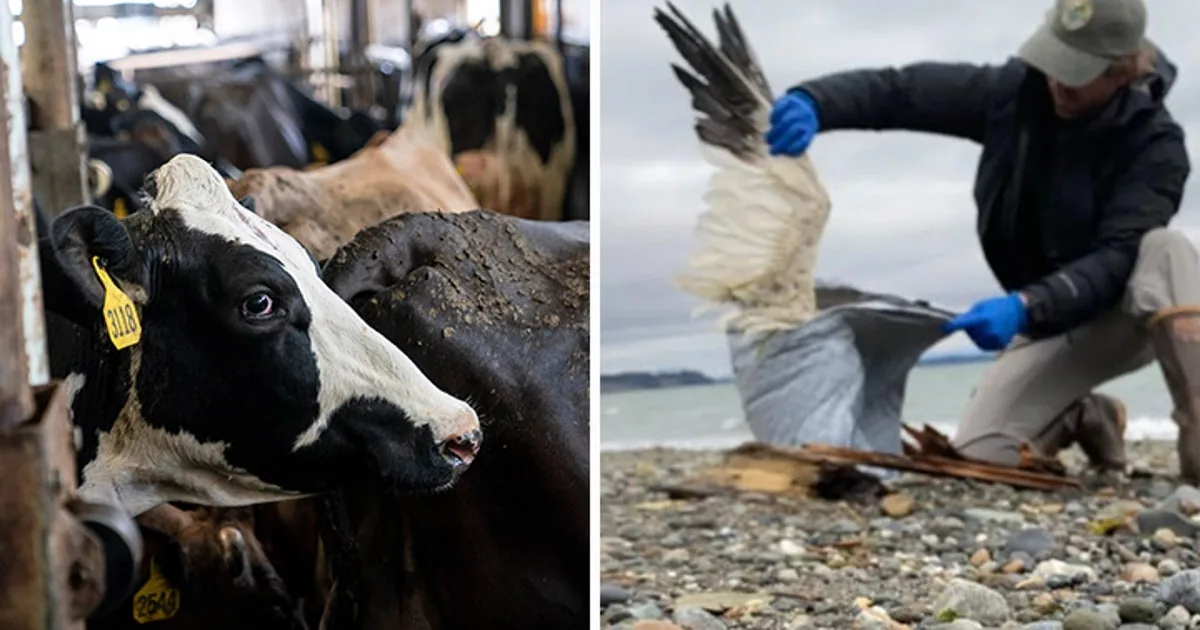
Migratory wild waterfowl traveling southward during autumn brought the virus into waterways and agricultural fields. The Washington State Department of Fish and Wildlife (WDFW) reported numerous confirmations of avian influenza in western Washington during late October, noting that migratory birds traveling in the fall routinely carry viruses over mountain ranges into farming valleys. State wildlife officials urged hunters and rural residents to report sick or dead birds immediately and avoid touching any carcasses [2].


Why Avian Influenza Poses Low Public Risk
Public health specialists continue to reassure grocery shoppers that commercially pasteurized milk is safe to drink. Standard thermal pasteurization heats milk to temperatures that destroy influenza pathogens within seconds, ensuring that cartons sold in grocery aisles contain no live infectious agents. Laboratory tests carried out by agricultural departments and federal researchers have found no live virus in retail dairy products collected from store shelves. Consumers face no infection risk from drinking pasteurized milk products or eating commercially produced cheese and yogurt [3].
The wider community faces minimal danger because avian influenza viruses cannot spread easily between humans [1]. Health agencies have monitored H5N1 globally for decades, and scientists have never documented a single confirmed instance of sustained person-to-person transmission within the United States despite animal exposure in farming regions [2]. Every verified human illness in the dairy outbreak resulted from direct exposure to infected cows, unpasteurized milk, or contaminated barn equipment [3]. Washington Governor Bob Ferguson addressed the community following the fatal case, expressing sympathy to the family while coordinating with public health and agriculture officials. Governor Ferguson said, “My deepest sympathy to this individual’s family. I’m being briefed on this situation, and my team is in close coordination with public health and agriculture officials. Workers at affected farms are advised to take safety precautions, but the risk to the public remains low” [2].
Protective Measures on Affected Farms
To protect dairy staff, public health regulators recommend specific personal protective equipment for everyone handling livestock in infected areas [3]. Peter Bijman of DairyNews.today reported that the Yakima Health District advised dairy workers to use disposable coveralls, hair coverings, masks, safety goggles, gloves, and rubber boots [4]. These protective barriers shield the eyes, nose, and mouth from infectious milk droplets during daily chores [3].
Public health guidance extends beyond dairy facilities to poultry producers and backyard flock owners in rural communities. People handling sick chickens must wear eye protection, gloves, and tight-fitting respirators before cleaning coops or disposing of dead birds [1]. The Washington State Department of Fish and Wildlife warned that sick wild birds could pass influenza viruses to household pets if dogs or outdoor cats scavenge infected carcasses in open fields. Wildlife biologists urged pet owners to keep dogs leashed near wetlands where wild waterfowl gather during autumn migration [2].

Contact tracing is a priority for the Yakima Health District as field caseworkers track individuals who had contact with infected cows. Caseworkers monitor farm staff and family members for ten days to ensure no secondary infections develop [1]. Health officials confirmed that all monitored individuals have remained healthy with no reports of fever, cough, or eye irritation, reinforcing findings that transmission requires direct animal contact [2].
CDC Genetic Analysis of the Bird Flu Death Sample
Following the recent bird flu death in Washington, scientists at the Centers for Disease Control and Prevention completed full genetic sequencing on viral samples taken from the deceased patient. Biologists evaluated the pathogen’s genomic sequence to determine whether the virus had evolved mutations that could facilitate human-to-human transmission or increase the severity of respiratory symptoms. A CDC spokesperson confirmed on Monday that the genomic sequencing identified no mutations that might enable the virus to transmit more readily between people or trigger more severe illness [1].
The absence of genetic changes reassures public health specialists that this fatality was driven by deep underlying vulnerabilities rather than an adapted viral strain [1]. State agencies in Washington will maintain testing of bulk milk supplies and agricultural personnel throughout the winter [3]. Health officials reiterated that while animal outbreaks demand vigilant monitoring, the overall threat to the general public is low [2].
- ONLINE NEWS Stobbe, M. (2026, November 2). Washington state resident dies from bird flu following exposure to infected cattle. STAT. [Article Link]
- ONLINE NEWS Jensen, J. (2026, November 2). Yakima County, WA resident dies from bird flu linked to dairy cattle. FOX 13 Seattle. [Article Link]
- WEBSITE NewsCord. (2026, November 2). Yakima County, Washington, Reports Third Bird Flu Death After Exposure To Infected Dairy Cattle. NewsCord. [Article Link]
- ONLINE NEWS Bijman, P. (2026, November 2). Washington resident dies from bird flu after exposure to infected dairy cattle. DairyNews.today. [Article Link]
APA 7: PerEXP Teamworks. (2026, November 3). Yakima County Reports Bird Flu Death Linked to Dairy Cattle. PerEXP Teamworks. https://perexpteamworks.com/en/bird-flu-death-washington-state/


