





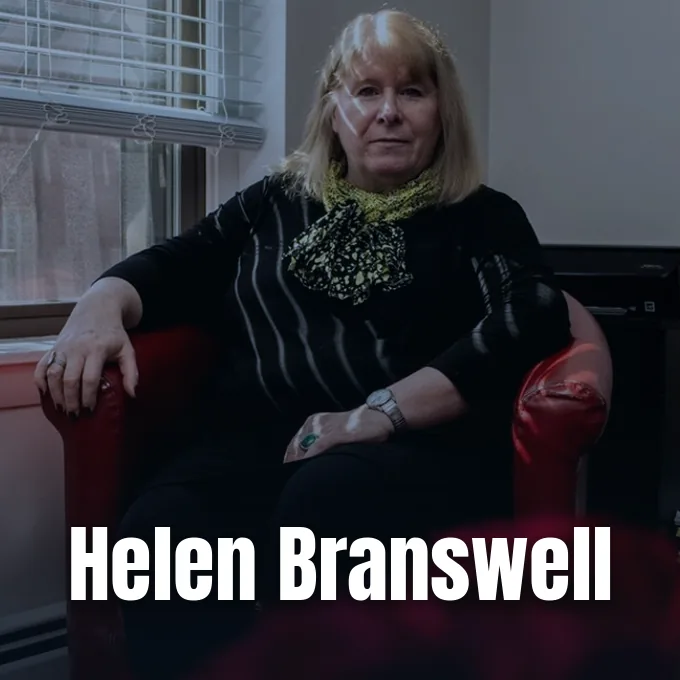
Helen Branswell died on Oct 13 in Ottawa at age 69. Her sister Brenda Branswell said the death came at a local hospital from complications of recurrent breast cancer [2]. As a leading Canadian health writer who covered global outbreaks for decades, she recognized the emerging threat of the Covid-19 pandemic long before most journalists and medical experts grasped its scale [1]. She spoke plainly about viral hazards. Her early reports in 2020 warned that the novel respiratory bug spreading in Asia could outpace public containment efforts if health agencies failed to act [2].
Reporting on Early Outbreak Signals
Tracking new pathogens takes time. In January 2020, early accounts from Wuhan in central China described a fast-spreading viral illness that caused harsh lung infections and fever in dozens of hospital patients. Few public officials grasped the danger. Yet veteran science writers knew that the novel coronavirus could slip past border checks and spread silently through international travel hubs [2]. Health systems in Asia and Europe soon felt the strain as hospital beds filled with sick patients [1].
Health alerts often lag behind real spread as newsrooms at The New York Times struggled to confirm early hospital tolls while municipal agencies in China hesitated to share diagnostic swab data with outside scientists. Good reporters showed how infectious droplets pass between people during close contact [1].
Early official statements from municipal leaders in Wuhan claimed the pathogen did not transmit easily among humans, but ward nurses and clinical doctors were already falling ill in alarming numbers. Experienced journalists who understood viral biology questioned those claims and pressed health ministries for open patient registers and hospital intake logs. By comparing clinical notes from municipal clinics with basic virology, Branswell helped readers understand that a global wave was beginning as hospitals added fever clinics to manage surging crowds [3].
Helen Branswell and Pandemic Warnings
Helen Branswell saw what others missed when many commentators dismissed the early outbreak as a minor flu, questioning international health authorities about incubation periods, asymptomatic spread, and global stockpiles of protective masks. Writing in The Straits Times, reporter Jeré Longman said that she covered infectious disease threats with rare clarity, urgency, and foresight as the Covid-19 crisis broke in January 2020. She relied on verified laboratory data rather than speculative claims [2].
Her sister Brenda Branswell said the veteran reporter died on Oct 13 in an Ottawa hospital from complications of recurrent breast cancer after facing the illness with quiet resolve. Even while undergoing therapy in Canada, she tracked public health news and discussed outbreak tracking with fellow science writers [2].
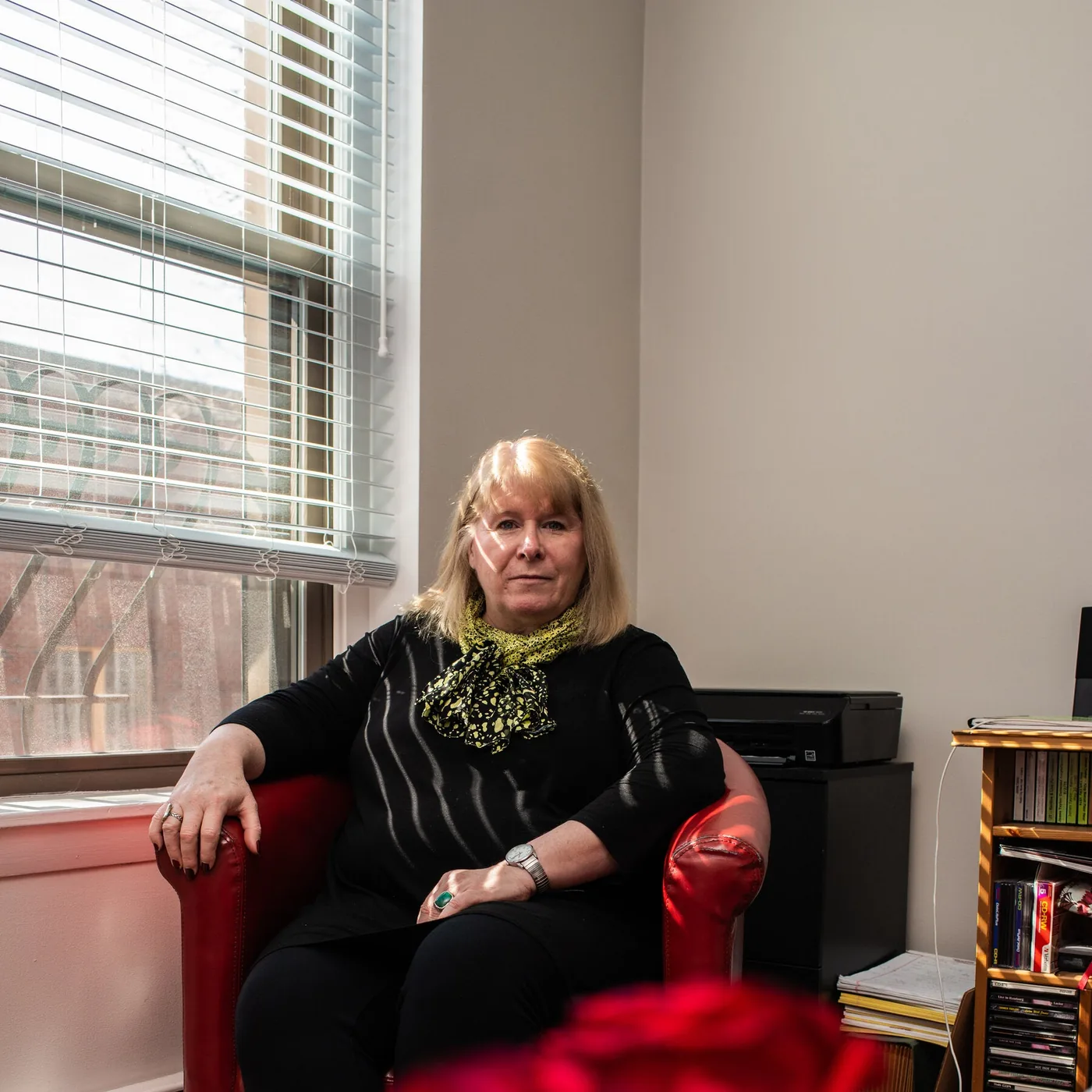
When anxiety ran high and confusing rumors spread online, Helen Branswell showed what scientists knew and what remained uncertain about viral genetics, immune responses, and disease spread. She spoke directly to laboratory virologists. Rather than accepting official assurances at face value, she examined clinical data, tested public assumptions, and helped audiences understand why non-pharmaceutical steps like isolation and masks mattered during respiratory surges [1]. Readers trusted her dispatches because she treated them as thinking adults who deserved truthful news, setting an enduring standard for epidemic reporting across international news organizations [3].
Early Casualties in Medical Care
Frontline caregivers paid a heavy price. On 25 January 2020, Liang Wudong, a 60-year-old doctor in Wuhan, China, died from hospital-acquired infection, becoming the first documented clinician casualty of the COVID-19 pandemic. Wards were overwhelmed. Clinicians lacked basic protective gear and diagnostic swabs while caring for fever patients in packed emergency halls. In that same city, politician Wang Xianliang died on 26 January at age 62, followed by Yang Xiaobo at age 57 on 27 January and Wen Zengxian at age 67 on 31 January. These sudden losses showed how fast the contagion spread through crowded urban centers [4].
Wuhan suffered further painful losses in February. On 7 February 2020, 33-year-old ophthalmologist Li Wenliang died in Wuhan after sounding an early alarm about the viral cluster in late December. He became a global symbol of clinical honesty. That same week, bodybuilder Qiu Jun died at age 72, followed by doctor Lin Zhengbin on 10 February, painter Liu Shouxiang on 13 February, nurse Liu Fan on 14 February, and engineer Duan Zhengcheng on 15 February. The virus struck without regard for age or occupation [4].

The wave hit international hospitals within weeks. In northern Italy, 67-year-old doctor Roberto Stella died in Como on 11 March 2020 while organizing local medical defenses against surging hospital admissions. France soon lost emergency physician Jean-Jacques Razafindranazy at age 67 in Lille on 21 March, while Pakistan recorded the death of 26-year-old doctor Usama Riaz on 23 March, and Ecuador lost 75-year-old physician Nino Cassanello in Guayaquil on 26 March. Clinicians worked under intense pressure. They treated gasping patients with little rest and no antiviral medicine [4].


Losses in Newsrooms and Public Life
Journalists risked their lives covering the contagion in early 2020. In Zimbabwe, 30-year-old television journalist Zororo Makamba died on 23 March 2020 in Harare after developing acute respiratory failure, marking an early loss among international media professionals. Makamba had traveled abroad before falling ill, and his sudden death shocked the African press corps. Broadcasters halted in-person studio interviews and instructed field crews across Harare to work remotely to curb transmission [4].
American newsrooms also mourned colleagues. On 24 March 2020, veteran news editor Alan Finder died at age 72 in Ridgewood, New Jersey, after contracting the virus during early community transmission in the New York area. On that same day in Italy, 70-year-old journalist Lillo Venezia died in Catania, Sicily, while Britain lost 83-year-old radio presenter Carole Finer. Other cultural figures fell ill. Musician Andy Gill died in London on 1 February at age 64, while saxophonist Manu Dibango died in Melun, France, on 24 March at age 86. These deaths showed how the virus reached every corner of society [4].
Civic governance fractured as elected leaders fell ill in multiple capitals during March 2020. In Iran, senior political figures Mohammad Mirmohammadi and Fatemeh Rahbar died in Tehran, along with diplomat Hadi Khosroshahi and lawmaker Mohammad Ali Ramazani Dastak in Rasht. Spain mourned businessman Lorenzo Sanz and lawmaker José Folgado in Madrid, while Turkey recorded the death of 79-year-old politician Aytaç Yalman in Istanbul, and Burkina Faso lost 61-year-old lawmaker Rose Marie Compaoré in Ouagadougou [4].
Scientific Tracking From 2020 to 2023
The virus claimed leading scientific thinkers. In Wuhan, 53-year-old geneticist Hong Ling died on 7 February 2020, followed by university researcher Ke Huibing on 19 February at age 41, leaving academic teams without senior mentors. In Italy, agricultural geneticist Antonio Michele Stanca died on 19 March in Fidenza at age 77, while Brazil mourned conductor Martinho Lutero Galati in São Paulo. Laboratories halted ongoing bench work. Scientific panels lost decades of gathered expertise just as governments needed research direction [4].
Medicine lost pioneering researchers during those same weeks. In Paris, renowned pulmonologist John F. Murray died on 24 March 2020 at age 92 from acute respiratory failure caused by the coronavirus after spending a lifetime studying lung disease. Murray had defined clinical care standards for acute respiratory distress syndrome (ARDS) in earlier decades. In New York, chemical engineer Sérgio Trindade died at age 79 on 18 March, while architect Michael Sorkin died at age 71 on 26 March after contracting the illness. Global tracking persisted until the World Health Organization formally ended the emergency phase in May 2023, concluding an acute crisis that claimed researchers and clinicians around the world [4].
Studies tracked by science writers at PerEXP Teamworks highlighted how vaccines protect children from long COVID complications by curbing post-infection inflammatory harm in different clinical age groups. Pediatric health outcomes improved when shots were given before viral exposure. Medical researchers continue tracking lingering fatigue and breathing troubles to design targeted rehabilitation therapies for recovering patients [4].
The Work of Helen Branswell
Immunologists continue to study why disease severity diverges so sharply among individuals exposed to identical viral variants. Reports published by PerEXP Teamworks examined why some people never get Covid-19 despite close contact with infected family members, pointing to nasal barriers and early T-cell defenses. At the same time, clinical researchers confirmed that long COVID risk is reduced by prior vaccination in broad patient populations. Sound science reporting gives the public reliable biological evidence without promising premature remedies [4].
Helen Branswell left an enduring mark on global health journalism by asking hard questions, listening to frontline clinicians, and reporting complex viral data with honesty. Her sister Brenda Branswell documented her quiet courage during cancer therapy in Ottawa. By demonstrating that truthful health reporting saves lives during fast-moving emergencies, her career remains an enduring guide for science communicators covering infectious disease threats [2].
- ONLINE NEWS The New York Times. (2026, October 17). A reporter who saw Covid coming has died. The New York Times. [Article Link]
- ONLINE NEWS Longman, J. (2026, October 18). A reporter who saw Covid-19 coming has died. The Straits Times. [Article Link]
- ONLINE NEWS System. (2026, October 17). A reporter who saw Covid coming has died. World News. [Article Link]
- WEBSITE Wikimedia Foundation, Inc. (2020, March 19). List of deaths due to the COVID-19 pandemic. Wikipedia. [Article Link]
APA 7: PerEXP Teamworks. (2026, October 18). Helen Branswell dies in Ottawa at 69 after cancer recurrence. PerEXP Teamworks.


